
Balance & Exercise

Mal de Debarquement Syndrome: Why You Still Feel Like You’re on a Boat
Mal de debarquement is a rocking, swaying feeling that continues after a cruise or flight. Here is what the diagnostic criteria say and when to have it evaluated.

Care for repeated concussions in athletes in Woodland Hills
A second or third concussion often behaves differently than the first. Danger signs, why symptoms feel random, and how return-to-play decisions should actually be made.
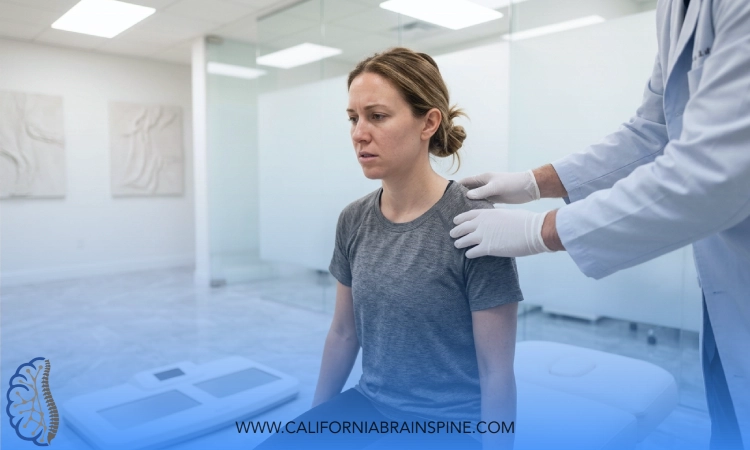
Why Standard Physical Therapy Isn’t Fixing Your Balance Problems?
If you have already tried exercises, stretching, strengthening, or general physical therapy and you still feel unsteady, dizzy, cautiou...

Vestibular Rehab vs. Medication for Dizziness in CA
Vestibular Rehab vs. Medication for Dizziness in CA: What Actually Helps You Regain Balance?
If you are dealing with persistent dizzin...

Gaze Stabilization Exercises for Dizziness in Calabasas, CA
Gaze stabilization exercises, step by step: VOR x1 and VOR x2, how programs usually progress, why some dizziness is common at first, and when to get checked.

BPPV After Effects: Persistent Dizziness After Treatment and What to Do Next
BPPV after effects such as unsteadiness, lightheadedness and fogginess are common after treatment. Learn why they linger and when it is time to get rechecked.

What Is Vestibular Rehab Therapy?
Vestibular rehabilitation is an exercise-based program for dizziness and imbalance. Here is how adaptation, habituation and substitution work, and who it may help.

How Long Does Vestibular Rehab Therapy Take to Work?
How long does vestibular rehabilitation take to work? It depends on the cause. Here is what the clinical guideline suggests for each, and when to be re-evaluated.

Training the Brain With Antisaccades for Focus
Antisaccades show how well the brain can hold back a reflexive glance. Dr. Chizari explains the antisaccade test, the brain areas behind it, and what research shows.

POTS or Just Dehydration? How to Tell What’s Really Causing Your Dizziness
POTS and dehydration both make you dizzy on standing. One settles with fluid; the other persists. How to tell them apart, and what the standing test measures.