Brain Health & Preventive Care

Migraine vs Headache: How to Tell Them Apart
Migraine vs headache: how to tell them apart using the features clinicians check, what aura means, what to log in a diary, and when a headache needs emergency care.
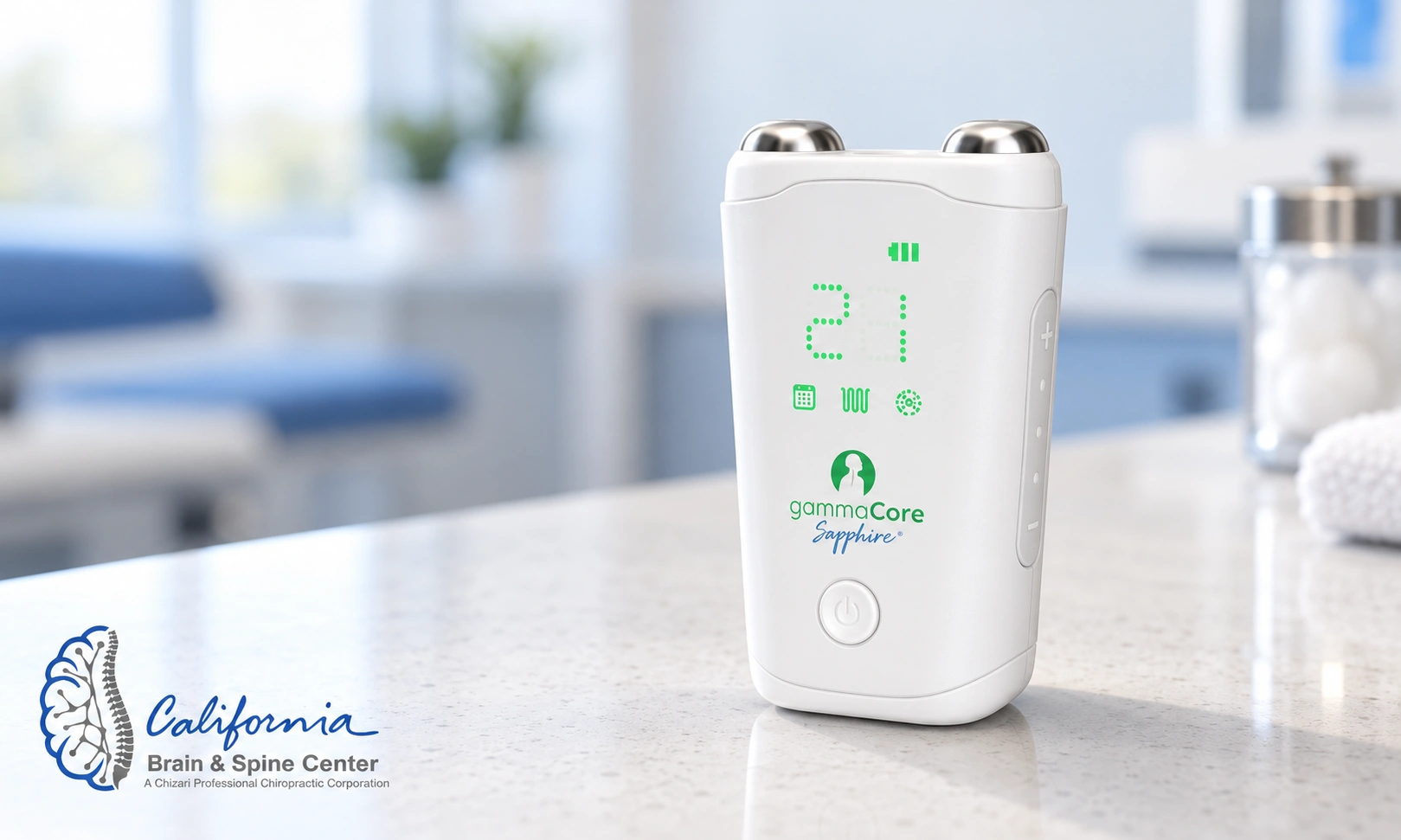
gammaCore Device: How It Works and What Trials Found
A gammaCore device is a handheld, non-invasive vagus nerve stimulator. It covers how it works, what the trials found and did not find, and why screening comes first.
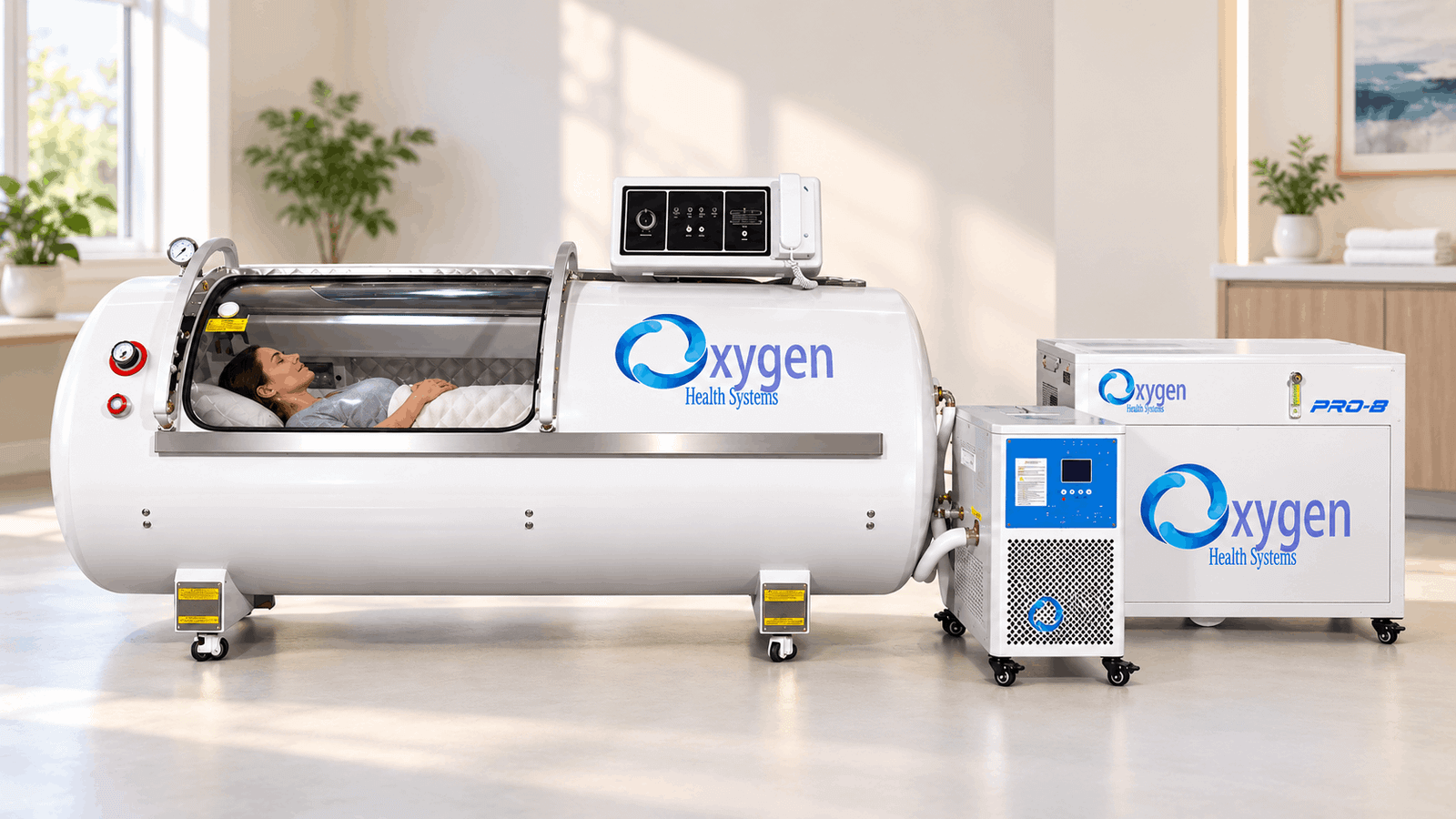
hyperbaric oxygen therapy side effects and what your first session is like
Hyperbaric oxygen therapy side effects explained by Dr. Chizari: ear pressure, rarer risks, who should wait, and what a first session in Calabasas involves.
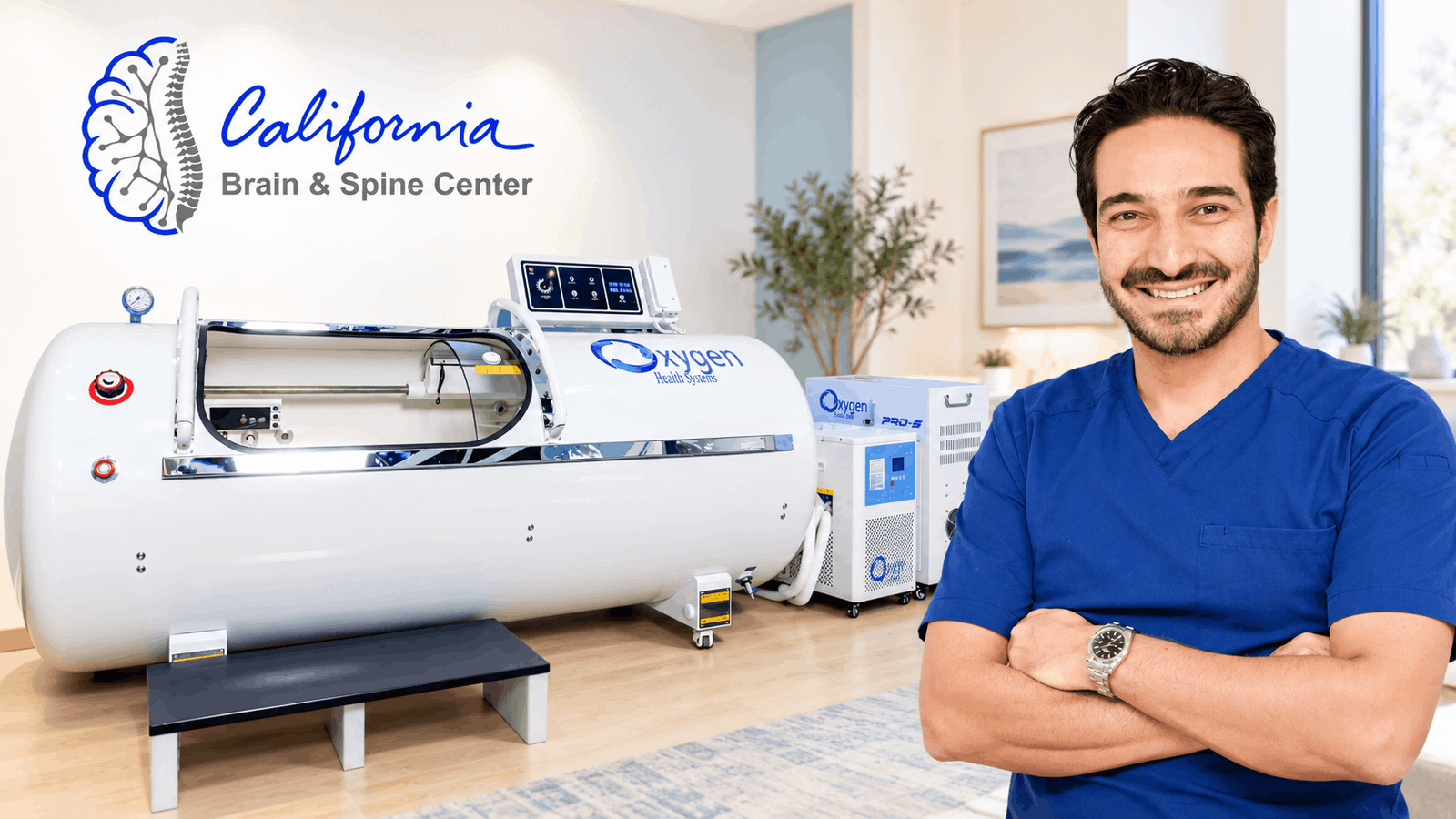
how much hyperbaric oxygen therapy costs and when insurance pays?
Hyperbaric oxygen therapy cost depends on the chamber, pressure and number of sessions. Learn what Medicare covers, why soft chambers differ, and what to ask.
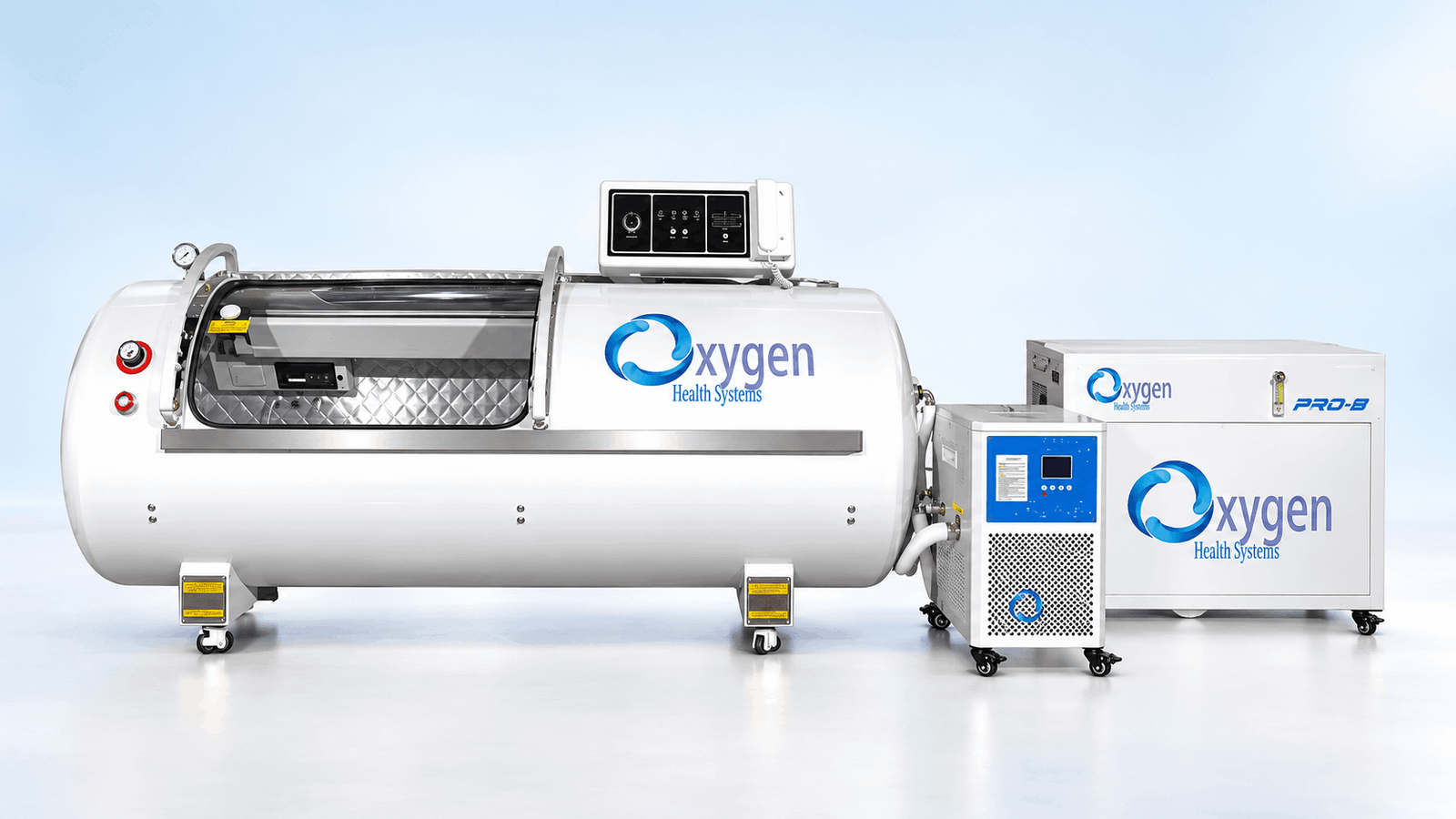
HBOT after concussion and long COVID
Hyperbaric oxygen therapy for concussion has mixed evidence. Read what the trials, FDA and the VA/DoD guideline say, and how screening works in Calabasas.
How Long Does Brain Fog Last? Causes and When to Get Help
How long does brain fog last? It depends on the cause. This guide covers concussion, Long COVID, POTS, sleep and stress, and when fog is worth an evaluation.

Head Feels Heavy Every Day? Causes and What to Do
When your head feels heavy with pressure but no pain, the cause is usually a system under strain. Learn the neck, balance and POTS patterns and when to get checked.
Barometric Pressure Migraines
Weather-triggered migraines are real. Learn how barometric pressure affects sensitive neurological, vestibular and autonomic systems — and when it's worth getting evaluated.
Dysautonomia in Teens: Helping Your Child Return to the Classroom
Dysautonomia in Teens and School Recovery
If your teenager feels dizzy when standing, exhausted after a normal school day, mentally fo...

Clear MRI but Neurological Symptoms? Why You Still Feel Sick
PEMF therapy is safe for most people, a systematic review of randomised trials reports no serious adverse events, and a short, specific list of people should avoid it