NeuroRevive Program in Calabasas for Brain, Balance, and Neurological Recovery

If you have been dealing with brain fog, dizziness, post-concussion symptoms, memory changes, fatigue, balance problems, or the feeling that your nervous system is simply not working the way it used to, I want you to know this first: your symptoms are real, and you deserve a careful explanation, not a rushed answer.

I, Dr. Alireza Chizari, DC, DACNB, use the NeuroRevive Program at California Brain & Spine Center in Calabasas to help patients better understand what may be happening in their brain, vestibular system, autonomic nervous system, and brain-body communication. The goal is not to label you or push you into a one-size-fits-all protocol. The goal is to evaluate you properly, identify functional patterns, and build a plan that can support better stability, clarity, confidence, and daily performance.

Quick, Honest Answer About the NeuroRevive Program

What it is
  • A personalized, non-invasive neurological rehabilitation program designed to support brain-body function.
  • It may include vestibular, cognitive, sensory, autonomic, and neuroplasticity-based therapies when clinically appropriate.
Who it may help
  • Patients with concussion symptoms, traumatic brain injury recovery needs, dizziness, balance issues, brain fog, dysautonomia, memory changes, and chronic neurological fatigue.
  • People who feel stuck after being told that tests are “normal,” but daily life still does not feel normal.
Best next step
  • Request a personalized neurological and vestibular evaluation at California Brain & Spine Center in Calabasas.
  • After assessment, we can discuss whether the NeuroRevive Program in California is appropriate for your goals and safety needs.

Ready to Understand What Your Brain and Nervous System Need?

If your symptoms are affecting your work, driving, exercise, family life, mood, sleep, or confidence, a focused evaluation can help you stop guessing and start making informed decisions.

Call the Clinic
Schedule a Neurological Evaluation

Why the NeuroRevive Program Was Built for Patients Who Feel Stuck

Many patients come to our Calabasas clinic after months or years of being told to rest, wait, manage stress, or “just live with it.” Some have had concussions. Some are recovering from traumatic brain injuries. Some have dizziness, visual disturbances, brain fog, memory loss, or symptoms that flare with screens, driving, grocery stores, exercise, or busy environments.

The NeuroRevive Program is designed around a simple clinical idea: the nervous system often needs specific, measured input to improve function. That input may involve eye movements, balance challenges, sensory integration, cognitive tasks, breathing regulation, vagus nerve support, vestibular rehabilitation, or other non-invasive therapies based on your evaluation.

Healing often begins when your symptoms are finally taken seriously and measured carefully.

Rewire, Recharge, Renew Your Brain

The NeuroRevive Program In Calabasas is an innovative, non-invasive approach to restoring and optimizing brain function. Designed for people experiencing neurological challenges, this program is tailored to support individuals recovering from conditions such as concussions, dysautonomia, traumatic brain injuries, chronic pain, and other neurological disorders. By combining advanced diagnostics with personalized therapies, NeuroRevive addresses functional patterns that may contribute to ongoing symptoms and may help patients pursue long-term improvements.

Because the brain may benefit from oxygen support during critical windows of neuroplastic change, some clients in the NeuroRevive Program add a short course of Hyperbaric Oxygen Therapy (HBOT) to support tissue repair, recovery capacity, and mental clarity when clinically appropriate.

How the NeuroRevive Program Works at California Brain & Spine Center

In my approach, I do not start with a treatment. I start with a question: what is your nervous system struggling to process? For one person, the main issue may be vestibular dysfunction. For another, it may be visual motion sensitivity, autonomic imbalance, poor sensory integration, cognitive fatigue, or a combination of several systems working inefficiently together.

My background in Electrical Engineering, Advanced Engineering & Management, precise Gonstead chiropractic, and postdoctoral Clinical Neuroscience helps shape the way I evaluate complex cases. I look for patterns, feedback loops, asymmetries, thresholds, and measurable changes. But I also listen closely, because your story matters as much as the data.

Comprehensive Neurological Evaluation Before Care Begins

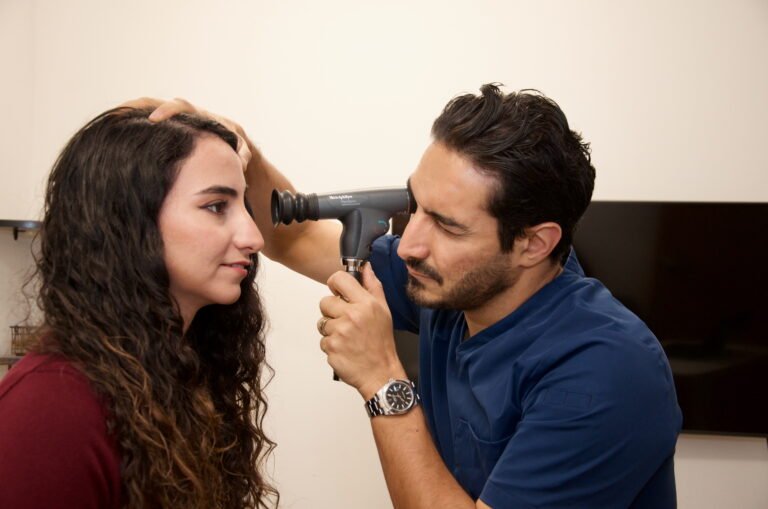
Utilizing principles of functional neurology, the NeuroRevive Program follows a comprehensive, personalized approach. The first step is a detailed neurological evaluation that may include clinical history, neurological examination, balance analysis, vestibular screening, eye movement testing, cognitive screening, posture and gait assessment, autonomic indicators, and functional brain-body performance testing.

What We Are Looking For During Evaluation

  • Functional weak points: areas where balance, vision, cognition, coordination, or autonomic regulation may be underperforming.
  • Symptom triggers: movements, environments, visual patterns, exertion levels, or cognitive loads that increase symptoms.
  • Safe starting points: the level of stimulation your nervous system can tolerate without being overloaded.

Personalized Treatment Plan Development

Once the evaluation is complete, the care plan is tailored to your findings. The NeuroRevive Program may include neuroplasticity rehabilitation, vestibular rehabilitation, cognitive rehabilitation, NeuroSensory Integration, NSI, balance and coordination training, oculomotor exercises, autonomic nervous system support, and non-invasive modalities such as Low-Level Laser Therapy, LLLT, Pulsed Electromagnetic Field, PEMF, Hyperbaric Oxygen Therapy, HBOT, or GammaCore Vagus Nerve Stimulation when appropriate.

Techniques such as vagus nerve stimulation, sensory-based stimulation, vestibular drills, and cognitive-motor integration may be customized to encourage better communication between brain regions and body systems. The goal is not to push harder. The goal is to stimulate wisely.

For patients whose migraines, nerve discomfort, or neurological fatigue linger after cognitive and vestibular work, we may layer gentle Pulse Electromagnetic Field (PEMF) sessions on top of their NeuroRevive roadmap to support cellular energy and recovery response.

Rewiring and Strengthening the Brain-Body Connection

Therapeutic interventions in the NeuroRevive Program are designed to support overall brain health and facilitate the brain’s natural ability to adapt. This may include breathing regulation, biofeedback-style strategies, balance challenges, gaze stabilization, proprioceptive work, cognitive pacing, movement retraining, and lifestyle guidance related to sleep, hydration, nutrition, and recovery rhythm.

Why Pacing Matters in Neurological Rehabilitation

For many patients, doing too much too soon can flare symptoms. Doing too little can lead to deconditioning and fear of movement. The art of care is finding the right therapeutic dose. At California Brain & Spine Center, progress is monitored so your plan can be adjusted as your nervous system becomes more stable and capable.

Who May Benefit From the NeuroRevive Program in California?

The NeuroRevive Program in California may be considered for patients who need a more complete neurological and functional approach than general symptom management alone. It is especially relevant when symptoms affect daily performance, independence, school, work, sports, driving, exercise, or emotional confidence.

Common Concern How NeuroRevive May Support Care Possible Patient Goal
Post-concussion symptoms Vestibular, visual, cognitive, and exertional rehabilitation after assessment Return to work, school, sport, or daily activity with more confidence
Dizziness and balance problems Balance retraining, vestibular rehabilitation, gaze stabilization, and proprioceptive work Walk, drive, shop, and move through busy spaces more comfortably
Brain fog and memory issues Cognitive rehabilitation, pacing strategies, sensory integration, and autonomic support Think more clearly and handle daily tasks with less overload
Dysautonomia symptoms Breathing regulation, vagus nerve support, gradual conditioning, and nervous system monitoring Improve tolerance for standing, activity, and daily rhythm when possible

Your progress does not need to be dramatic to be meaningful. Sometimes the first win is feeling safe in your own body again.

Common Symptoms Patients Bring to Our Calabasas Clinic

Patients who ask about the NeuroRevive Program often report concussions and post-concussion syndrome, dysautonomia and autonomic nervous system dysfunction, traumatic brain injuries, brain fog, memory issues, dizziness and balance problems, difficulty concentrating, chronic neurological pain, fatigue, visual sensitivity, motion sensitivity, and lack of mental clarity.

Each of these concerns can affect quality of life, independence, work, school, relationships, and emotional well-being. NeuroRevive helps patients pursue cognitive control, physical coordination, and steadier regulation through a process grounded in neuroplasticity and functional rehabilitation.

Safety Note: When Symptoms Need Urgent Medical Attention

Neurological rehabilitation is not a substitute for emergency care. Seek urgent medical evaluation if you have sudden weakness, facial drooping, severe new headache, chest pain, fainting, seizure, sudden vision loss, slurred speech, worsening confusion, repeated vomiting after head injury, or symptoms that feel rapidly dangerous or unfamiliar.

Why Choose the NeuroRevive Program at California Brain & Spine Center?

At California Brain & Spine Center, patients are evaluated with a structured, evidence-informed, and individualized process. The clinic is located in Calabasas, California, and serves patients from across Southern California and beyond who are looking for advanced neurological and chiropractic care in a calm, attentive environment.

Dr. Alireza Chizari, DC, DACNB brings a rare combination of engineering analysis, precise Gonstead chiropractic training, and Clinical Neuroscience education to complex neurological cases. His experience includes post-concussion symptoms, traumatic brain injury recovery, dizziness, vestibular dysfunction, dysautonomia, brain fog, memory loss, balance disorders, and other neurological concerns that often require more than a single treatment approach.

What Makes This Program Different From Standard Symptom Management?

Symptom management can be useful, but it may not always answer the deeper question: why is the nervous system producing these symptoms in the first place? The NeuroRevive Program is designed to look at functional patterns, not just isolated complaints. That means evaluating how the brain processes visual input, vestibular input, movement, posture, cognition, exertion, and autonomic regulation.

When clinically appropriate, care may combine Vestibular Rehabilitation, Cognitive Rehabilitation, Neuroplasticity Rehabilitation, NeuroSensory Integration, NSI, Low-Level Laser Therapy, LLLT, Pulsed Electromagnetic Field, PEMF, Hyperbaric Oxygen Therapy, HBOT, GammaCore Vagus Nerve Stimulation, and other non-invasive approaches. Treatment selection depends on findings, tolerance, safety, and patient goals.

Your NeuroRevive Treatment Pathway: From Confusion to a Clearer Plan

The NeuroRevive Program in Calabasas is not meant to feel mysterious. Patients deserve to understand what is happening, why each step matters, and how progress will be tracked. Your path may vary, but the framework is usually built around careful assessment, personalized stimulation, measured progression, and long-term functional goals.

Step 1: Listen and Map Your Story

We begin by understanding your symptoms, triggers, history, goals, and what daily life feels like for you right now.

Step 2: Test the Right Systems

Neurological, vestibular, cognitive, balance, visual, and autonomic findings help guide the direction of care.

Step 3: Build a Personalized Plan

Your plan is based on your capacity, safety, symptom triggers, and measurable functional goals.

Step 4: Apply Non-Invasive Therapy

Care may include vestibular, cognitive, sensory, balance, autonomic, and supportive neurological therapies.

Step 5: Track and Adjust

We monitor response, reduce overload, progress exercises, and refine the plan as your nervous system adapts.

Step 6: Support Long-Term Confidence

The goal is better function, steadier regulation, and more confidence in real-life environments.

A clear plan can turn fear into action, and action into measured progress.

What NeuroRevive Looks Like in Action

This short highlights how our NeuroRevive sessions combine targeted vestibular, oculomotor, and cognitive drills to gently drive neuroplastic change. In under a minute, patients get a feel for pacing, safety, and what “retraining the brain” really means: no hype, just a structured plan that scales to symptoms and objective metrics over time.

What Patients Can Expect During the NeuroRevive Program

At California Brain & Spine Center, the NeuroRevive Program is built to be active, measured, and responsive. Some sessions may feel surprisingly simple from the outside: eye movements, balance tasks, sensory drills, breathing work, cognitive challenges, or gentle stimulation. But the clinical purpose is specific. We are giving the nervous system carefully selected input, then watching how it responds.

Patients may be asked to report symptom changes, recovery time, energy levels, sleep patterns, screen tolerance, driving tolerance, exercise tolerance, dizziness intensity, clarity, and emotional regulation. These details help shape the plan. If your nervous system is overloaded, we adjust. If you are adapting well, we progress carefully.

A More Honest Way to Think About Results

The NeuroRevive Program does not promise a cure, and no responsible clinician should guarantee identical outcomes for every patient. What it can offer is a structured, personalized, clinically reasoned path for supporting neurological function. For many patients, meaningful progress may look like less dizziness, better focus, improved balance, more stable energy, better tolerance for daily activity, or greater confidence in environments that used to feel overwhelming.

A Realistic Patient Story From the NeuroRevive Program

Some time ago, a patient named A. came to see me after a mild traumatic brain injury. She looked “fine” to everyone around her, but she did not feel fine. Grocery stores made her dizzy. Computer work caused headaches and brain fog. Driving at night felt stressful. She was frustrated because she had been told to rest, but rest alone was not giving her life back.

During her evaluation, I found signs of vestibular dysfunction, visual motion sensitivity, and cognitive fatigue. We started with a gentle NeuroRevive Program plan that included Vestibular Rehabilitation, oculomotor training, pacing strategies, and Cognitive Rehabilitation. We did not rush. We tracked how long symptoms lasted after each activity and adjusted her care based on her tolerance.

Over time, she began to tolerate short grocery trips with less dizziness, then longer computer sessions with fewer flare-ups. Her progress was not a straight line, and I never presented it as guaranteed. But she began to trust her body again. That is often one of the most meaningful parts of recovery: not just reducing symptoms, but rebuilding confidence.

If Your Nervous System Feels Overloaded, Start With Clarity

You do not have to keep guessing whether your symptoms are vestibular, cognitive, autonomic, concussion-related, or something else. A personalized evaluation can help identify the patterns and guide a safer, more focused plan.

Call California Brain & Spine Center
Request an Appointment

Conclusion: A Clearer Path Forward With the NeuroRevive Program

If you are considering the NeuroRevive Program, my message is simple: you deserve a thoughtful evaluation, a clear explanation, and a plan that respects both your symptoms and your goals. I, Dr. Alireza Chizari, DC, DACNB, use this program to help patients move beyond confusion and toward better function, stability, and confidence.

The NeuroRevive Program in Calabasas may be appropriate for patients dealing with concussion recovery, dizziness, balance problems, brain fog, memory changes, dysautonomia, and other neurological concerns. The best way to know whether it fits your situation is to begin with a personalized neurological and vestibular evaluation.

Your Most Common Questions About the NeuroRevive Program

What is the NeuroRevive Program and how is it different from standard physical therapy?

The NeuroRevive Program is a neuroscience-driven rehabilitation approach that may blend vestibular-ocular drills, sensorimotor retraining, cognitive-motor integration, autonomic regulation, and non-invasive neurological therapies in one coordinated plan. Traditional physical therapy often focuses on a joint, muscle group, or orthopedic limitation. NeuroRevive focuses more broadly on how the brain, eyes, vestibular system, body position sense, cognition, and autonomic nervous system interact.

How long does it take to complete a NeuroRevive treatment cycle?

The timeline depends on the patient’s condition, tolerance, goals, and evaluation findings. Some patients participate for several weeks, while others need a longer progression. A plan may include in-clinic sessions and home exercises. Progress is monitored through symptoms, function, tolerance, and measurable clinical findings rather than a fixed promise of results.

Which conditions may respond well to the NeuroRevive Program?

The NeuroRevive Program may be considered for post-concussion syndrome, mild traumatic brain injury recovery, dizziness, vestibular dysfunction, dysautonomia, brain fog, memory issues, balance disorders, visual motion sensitivity, neurological fatigue, and certain chronic neurological symptoms. A detailed evaluation is important because similar symptoms can have different causes.

Can NeuroRevive exercises be continued at home between clinic visits?

Yes, when appropriate. Many patients receive a personalized home protocol designed to reinforce in-clinic work without overloading the nervous system. Home exercises may include balance drills, gaze stabilization, breathing regulation, cognitive pacing, or sensory integration activities. The key is that the home plan should match your tolerance and clinical findings.

Is the NeuroRevive Program safe?

The program is designed to be non-invasive and personalized, but safety depends on proper evaluation, correct dosing, and clinical monitoring. Some patients with recent injury, severe symptoms, cardiovascular concerns, seizure history, or complex medical conditions may need medical clearance or modified care. At California Brain & Spine Center, assessment comes before treatment recommendations.

Take the Next Step Toward Better Function and Confidence

Restore your brain’s potential with a careful, personalized approach. Whether you are recovering from a recent injury or searching for answers to long-standing neurological symptoms, our team is here to support you with clarity, honesty, and respect.

Contact California Brain & Spine Center to request a personalized neurological and vestibular evaluation. The goal is not just to manage isolated symptoms. The goal is to help you move toward better function, steadier regulation, more confidence, and the best version of your life that is realistically possible for your situation.