Low Laser Light Therapy (LLLT) in Calabasas: A Clear, Evidence-Informed Guide to Healing with Light

If you are dealing with pain, inflammation, slow healing, nerve irritation, post-concussion symptoms, or the frustration of feeling like your body is not recovering the way it should, you deserve answers that are honest, practical, and medically thoughtful. I, Dr. Alireza Chizari, DC, DACNB, want to help you understand where Low Laser Light Therapy (LLLT) fits into a personalized care plan, what it can realistically do, and when it may be worth considering.

At California Brain & Spine Center in Calabasas, we see many patients who are not just looking for temporary symptom relief. They want clarity. They want to know why they still hurt, why their brain feels foggy, why their balance feels off, or why healing has stalled. Our role is to guide that process with careful assessment and a plan built around the person in front of us, not a generic protocol.

This page explains how Low Laser Light Therapy (LLLT) works, who may benefit, what safety considerations matter, and how we often integrate it with functional neurology, vestibular rehabilitation, cognitive rehabilitation, and other non-invasive therapies when clinically appropriate. If you are searching for low laser therapy Los Angeles options or wondering whether there is reliable LLLT near me, this guide is meant to help you make a more confident decision.

Quick Answer: What You Should Know First About Low Laser Light Therapy (LLLT)

What it is
  • Low Laser Light Therapy (LLLT) is a non-invasive treatment that uses specific light wavelengths to support cellular repair, circulation, and healing.
  • It is also known as photobiomodulation and is commonly used for pain, inflammation, nerve support, and tissue recovery.
How our clinic may help
  • At California Brain & Spine Center, treatment decisions are based on a detailed neurological, musculoskeletal, and functional evaluation.
  • We may combine LLLT with vestibular rehabilitation, concussion care, cognitive rehabilitation, NeuroSensory Integration, PEMF, HBOT, or the NeuroRevive Program when appropriate.
Best next step
  • The right next step is not guessing. It is getting a personalized evaluation to determine whether Low Laser Light Therapy (LLLT) fits your condition, goals, and recovery timeline.
  • If you have been stuck, overwhelmed, or told to simply wait it out, a more precise plan may be possible.

Ready to Find Out if Low Laser Light Therapy (LLLT) Is a Good Fit?

If you want a careful, non-rushed opinion about whether LLLT may support your healing, our team in Calabasas can help you take the next step with clarity.

What Is Low Laser Light Therapy (LLLT), and Why Are More Patients Asking About It?

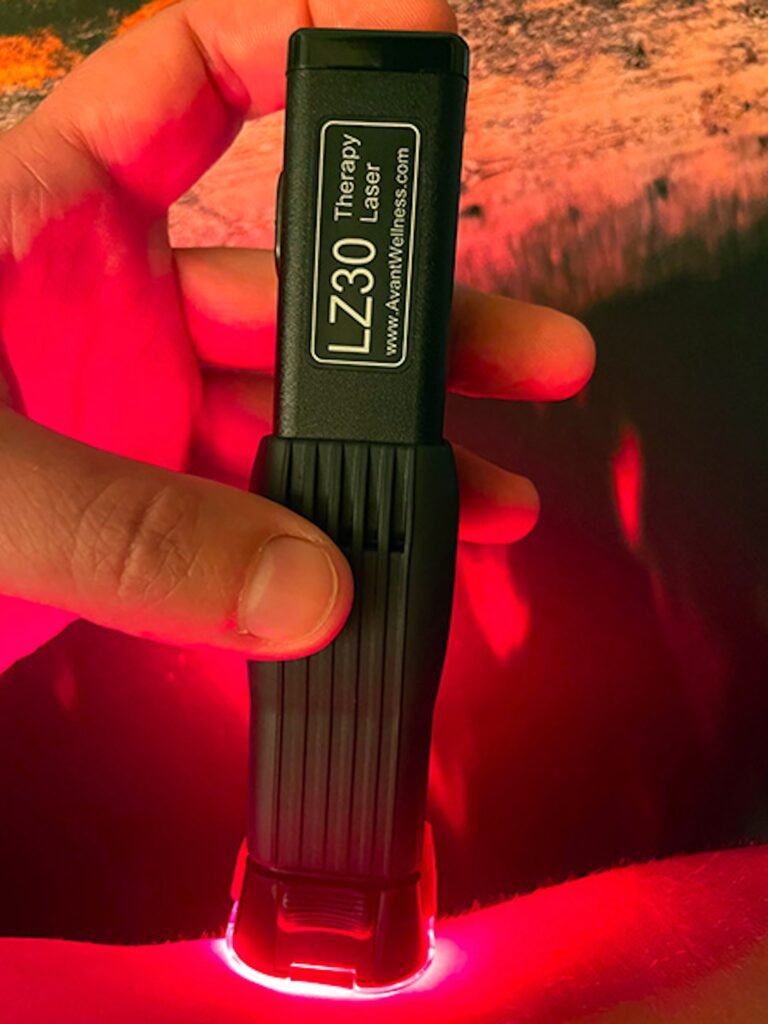
Low Laser Light Therapy (LLLT), also known as photobiomodulation, is a non-surgical treatment that uses targeted light wavelengths to influence how cells function and recover. It does not work by burning tissue or creating aggressive heat. Instead, it is designed to support normal biological processes involved in repair, energy production, inflammation control, and circulation.

This is one reason people often find it appealing. They are looking for something gentler, especially if they have already tried medication, rest, injections, or generalized therapy without getting enough traction. In many cases, Low Laser Light Therapy (LLLT) is not meant to replace a full care plan. It is meant to strengthen one.

At our clinic, we use LLLT in the context of the whole person. That matters because shoulder pain is not always just shoulder pain, headaches are not always just headaches, and dizziness or fatigue may involve neurological, vestibular, inflammatory, and biomechanical factors all at once.

Healing tends to move faster when treatment is matched to the reason recovery slowed down in the first place.

How Low Laser Light Therapy (LLLT) Works at the Cellular Level

The core idea is simple. Cells need energy to repair. One of the main targets of low-level light is the mitochondria, often called the cell’s energy center. When certain wavelengths are delivered appropriately, cells may produce energy more efficiently, which can support tissue recovery and more organized healing.

Scientifically relevant effects often discussed with LLLT include:

  • Boosting ATP production to support repair and regeneration
  • Helping regulate inflammation rather than simply masking it
  • Supporting microcirculation and tissue oxygen delivery
  • Encouraging collagen and tissue remodeling in soft tissue healing
  • Potentially supporting nerve recovery when clinically appropriate

That is why this therapy may be useful across different problems, from musculoskeletal strain to some nerve-related symptoms, and from post-surgical support to selected neurological recovery plans.

Low Laser Therapy Los Angeles Patients Commonly Seek for These Concerns

Patients searching for low laser therapy Los Angeles services are often dealing with issues that have lingered too long or keep recurring. At California Brain & Spine Center, LLLT may be considered in cases involving chronic pain, repetitive strain, post-injury inflammation, slowed healing, and selected neurological complaints.

Concern How LLLT May Fit In Why Evaluation Matters
Neck, back, shoulder, or knee pain May support tissue recovery and help calm irritation Pain location does not always equal pain source
Tendonitis, sprains, and muscle strain May help with circulation, inflammation, and healing support Load management and movement strategy are often also needed
Peripheral neuropathy or nerve irritation May support nerve health and reduce local inflammatory stress The cause of nerve symptoms must be identified first
Post-concussion symptoms, brain fog, cognitive fatigue May be part of a broader neurological recovery plan Brain-based symptoms require individualized neurological assessment
Post-surgical recovery or wound healing support May help support organized healing when approved and appropriate Timing, tissue status, and medical history all matter

Where Low Laser Light Therapy (LLLT) Can Be Especially Meaningful in Neurological Care

In the middle of the recovery journey, many patients discover that their symptoms are not limited to one body part. They may have pain and brain fog. Headaches and dizziness. Neck tension and visual sensitivity. In that kind of clinical picture, isolated treatment often falls short.

At California Brain & Spine Center, patients are evaluated through a more comprehensive lens. LLLT may be integrated into care for post-concussion syndrome, traumatic brain injury recovery, vestibular dysfunction, chronic neuroinflammatory states, and selected autonomic or sensory regulation issues, always based on clinical reasoning rather than trend-driven care.

LLLT and Functional Neurology

When used within functional neurology, Low Laser Light Therapy (LLLT) may support broader goals such as better tolerance for rehabilitation, reduced symptom load, improved tissue readiness, and a calmer recovery environment for the nervous system. Some patients benefit from local application to muscles, joints, scars, or irritated nerve regions. Others may be candidates for more advanced brain-directed strategies such as transcranial photobiomodulation, but only after careful evaluation.

This may be relevant for patients dealing with:

Post-concussion syndrome, traumatic brain injury, cognitive fatigue, chronic headaches, dizziness, vestibular imbalance, persistent inflammation after injury, and functional decline after a period of prolonged symptoms. The goal is not to overpromise. The goal is to identify which systems are underperforming and whether LLLT can support the larger recovery strategy.

Patients do better when they feel understood, measured carefully, and guided step by step instead of being told to just push through it.

How the clinic often combines therapies

In complex cases, LLLT may be paired with Vestibular Rehabilitation, Cognitive Rehabilitation, Neuroplasticity Rehabilitation, NeuroSensory Integration, PEMF, HBOT, GammaCore Vagus Nerve Stimulation, or the NeuroRevive Program. The purpose of combining therapies is not to stack treatments for the sake of it. It is to support different layers of recovery in a coordinated way.

Photobiomodulation primes cells to absorb oxygen more efficiently, so a single dive in our Hyperbaric Oxygen Therapy (HBOT) chamber right after Low Laser Light Therapy (LLLT) can amplify your healing curve.

When deeper neuro-integration is the next logical step, our evidence-based Non-Invasive Neurology Therapy protocols pick up where LLLT’s tissue repair leaves off.

Your Treatment Pathway for Low Laser Light Therapy (LLLT)

One of the biggest concerns patients have is not just whether a therapy works, but what the process actually looks like. A good care plan should feel understandable and grounded. That is especially true for people who have already tried many things and are tired of vague promises.

1. Assessment

History, symptoms, functional goals, and clinical testing guide whether LLLT is appropriate.

2. Precision Mapping

The clinic identifies which tissues, nerves, or systems need support and why.

3. Personalized Care Plan

Low Laser Light Therapy (LLLT) is matched to your diagnosis, tolerance, and recovery priorities.

4. Integrated Therapy

LLLT may be combined with neurological, vestibular, cognitive, or rehabilitative therapies.

5. Progress Tracking

Symptoms, function, tolerance, and objective changes are monitored over time.

6. Better Function

The aim is greater stability, comfort, confidence, and daily capacity, not just chasing symptoms.

What a Typical LLLT Session May Feel Like

Most patients describe the experience as easy, gentle, and non-invasive. Sessions are generally brief, and many people feel little to no discomfort during treatment. The exact protocol depends on the condition being treated, tissue depth, chronicity, and whether LLLT is being used alone or as part of a broader recovery plan.

Safety note

Low Laser Light Therapy (LLLT) is generally considered safe when delivered properly, but that does not mean every patient should receive the same treatment. Medical history, diagnosis, treatment region, healing stage, and neurological status should all be considered before care begins.

Why Patients in Southern California Choose California Brain & Spine Center for LLLT Near Me Searches

Patients looking for LLLT near me are usually not just looking for a machine. They are looking for clinical judgment. That difference matters. A technology may be helpful, but the real question is whether it is being used in the right patient, at the right time, for the right reason.

California Brain & Spine Center is based in Calabasas and serves patients from across Southern California and beyond. The clinic focuses on complex neurological and functional cases, including concussion recovery, dizziness, balance disorders, dysautonomia, memory concerns, brain fog, visual disturbances after concussion, and chronic pain conditions that often overlap with neurological stress.

The experience behind the plan

Dr. Alireza Chizari, DC, DACNB brings a background that is unusually well-suited to complex, systems-based care. Before entering healthcare, he studied Electrical Engineering in Iran, completed a master’s degree in Advanced Engineering & Management in the UK, and worked in the United States as a Solar Engineer. After witnessing his mother’s recovery through chiropractic care, he transitioned into clinical practice, earned his Doctor of Chiropractic degree from Life Chiropractic College West with specialization in the Gonstead technique, and pursued advanced postdoctoral education in Clinical Neuroscience.

That background supports a style of thinking that is both analytical and deeply human. At the clinic, the goal is to understand how multiple systems interact, not reduce a patient to a single label.

You are not supposed to become an expert in your own symptoms before getting help. That is our job.

Why an integrated approach matters more than a single modality

At California Brain & Spine Center, Low Laser Light Therapy (LLLT) is often one part of a larger strategy. Some patients need focused musculoskeletal care. Others need concussion treatment, vestibular rehabilitation, autonomic support, cognitive retraining, or sensory integration work. The right plan is the one that matches your nervous system, your tissue status, your symptom triggers, and your goals.

Existing Core Service Content for Low Laser Light Therapy (LLLT)

Low Laser Light Therapy (LLLT): Healing with the Power of Light

Low Laser Light Therapy (LLLT), also known as photobiomodulation, is a groundbreaking, non-invasive therapy that uses specific wavelengths of light to stimulate healing at the cellular level. By harnessing the therapeutic effects of low-level lasers and LEDs, LLLT accelerates tissue repair, reduces pain and inflammation, and enhances recovery without drugs or surgery.

At California Brain & Spine Center, we integrate LLLT into personalized care plans to support neurological, musculoskeletal, and post-surgical recovery in a safe, painless, and clinically proven way.

Photobiomodulation primes cells to absorb oxygen more efficiently, so a single dive in our Hyperbaric Oxygen Therapy (HBOT) chamber right after Low Laser Light Therapy (LLLT) can amplify your healing curve.

How Does Low Laser Light Therapy Work?

LLLT works by delivering concentrated light energy into tissues where it is absorbed by cellular components especially mitochondria, the powerhouse of the cell. This light triggers a cascade of biological effects that promote repair, reduce inflammation, and restore normal function.

Scientifically Proven Effects of LLLT

Boosts ATP production: Increases cellular energy, fueling repair and regeneration.

🧱 Accelerates tissue repair: Stimulates growth factors, collagen synthesis, and cell regeneration.

🔥 Reduces inflammation: May help downregulate inflammatory stress and support tissue normalization.

🩸 Enhances circulation: Increases blood flow, oxygenation, and nutrient delivery to damaged tissues.

🧠 Supports nerve health: May improve nerve signaling and help with selected neuropathic symptoms.

This painless therapy can reach deep into muscles, joints, and nerves, promoting healing from the inside out, often with meaningful progress over a sequence of treatments depending on the condition.

Conditions Treated with LLLT

Low Laser Light Therapy has been used for a wide range of acute and chronic conditions, including chronic pain, tendonitis, bursitis, repetitive strain injuries, muscle strains, joint sprains, osteoarthritis, rheumatoid arthritis, peripheral neuropathy, sciatica, herniated disc pain, TMJ dysfunction, post-surgical healing, wound healing, carpal tunnel syndrome, and migraine or tension headaches.

In neurological applications, LLLT may also benefit individuals with post-concussion syndrome, traumatic brain injury, and cognitive fatigue or brain fog.

When deeper neuro-integration is the next logical step, our evidence-based Non-Invasive Neurology Therapy protocols pick up where LLLT’s tissue repair leaves off.

Benefits of LLLT

Benefit Description
Non-invasive No surgery, needles, or medications required.
Pain relief Targets pain at the source by modulating inflammation and nerve sensitivity.
Faster healing Supports cellular repair and tissue regeneration.
Safe and gentle Typically painless with no downtime when clinically appropriate.
Repeatable Can be used repeatedly within a structured plan to support progress.
Neurological support May support neuroplasticity and brain recovery in selected cases.

LLLT and Functional Neurology

At California Brain & Spine Center, we use LLLT not only for physical healing but also for neurological optimization. For patients recovering from TBIs, stroke, or chronic neurological inflammation, we apply targeted light therapy to the head, spine, or extremities to help support memory, focus, clarity, concussion recovery, reduced brain fog and fatigue, and neurovascular healing when clinically appropriate.

This advanced application, sometimes called transcranial photobiomodulation, is an emerging field with growing evidence of its potential benefits for brain health and function.

Why Choose California Brain & Spine Center for LLLT?

Expert-Led Care

Our team brings together experience in functional neurology, pain science, rehabilitation, and advanced physical medicine.

Precision Laser Technology

We use clinically validated low-level laser systems that deliver therapeutic wavelengths in a controlled and patient-specific way.

Integrated Approach

LLLT is often part of a comprehensive recovery plan that may also include vestibular rehabilitation, PEMF therapy, HBOT, and neurostimulation.

Customized, Patient-Focused Care

No cookie-cutter plans. Your treatment is built around your diagnosis, symptom profile, goals, and progress.

Real Patient Story

“After knee surgery, I struggled with stiffness and swelling. LLLT sessions helped me heal so much faster I could walk comfortably again in weeks, not months. It changed everything for me.”

LLLT for Nerves & Joints – What the Light Is Doing?

Light therapy in under a minute: this short explains how Low-Level Laser Therapy modulates inflammation and supports tissue recovery without heat or discomfort. We outline safety, common treatment areas, and why short, repeated sessions are additive. It’s the quick primer patients want before deciding if LLLT belongs in their plan for nerves and joints.

If You Feel Stuck, a Personalized Evaluation Can Help Clarify the Next Step

Some patients need Low Laser Light Therapy (LLLT). Others need a broader neurological or vestibular plan. Many need both. If you want a more precise answer, we invite you to connect with our Calabasas clinic.

A Short Case Story from My Practice

Some time ago, a patient named A. came to see me after months of feeling worn down by lingering symptoms after a head injury. The biggest complaints were headaches, brain fog, neck tightness, visual fatigue, and a sense that recovery had stalled. A. had already tried resting, waiting, and basic care, but still did not feel like life was moving forward.

After a detailed evaluation, I found that the issue was not just one symptom. There were overlapping factors involving cervical irritation, sensory overload, vestibular stress, and reduced tolerance for cognitive effort. I included Low Laser Light Therapy (LLLT) as one part of the care plan alongside Concussion Treatment Calabasas strategies, Vestibular Rehabilitation, and Cognitive Rehabilitation.

Over time, A. reported better tolerance for reading and screen time, fewer headache flares, improved neck comfort, and more confidence getting through daily routines. It was not an overnight change, and I would never present any one patient’s progress as a guarantee. But it was a meaningful reminder that when the plan fits the person, recovery often becomes more organized and less discouraging.

Your Most Common Questions About Low Laser Light Therapy (LLLT)

What conditions can Low Laser Light Therapy (LLLT) be used for?

LLLT may be used for a range of issues including neck and back pain, tendonitis, soft tissue injury, peripheral neuropathy, post-surgical recovery support, sciatica, joint irritation, headaches, and selected neurological recovery plans such as post-concussion care. The key is whether the treatment matches the underlying problem, not just the symptom label.

How many sessions of Low Laser Light Therapy (LLLT) might I need?

That depends on the condition, how long it has been present, tissue type, overall health status, and whether LLLT is part of a larger plan. Some patients notice changes relatively early, while more chronic or complex cases may require a structured sequence of visits. A personalized evaluation is the best way to estimate what may be reasonable in your case.

Is Low Laser Light Therapy (LLLT) safe?

In general, LLLT is considered a safe, non-invasive treatment when delivered appropriately by trained professionals. However, safety still depends on proper screening, correct application, and medical context. That is why we evaluate before recommending it rather than assuming it is right for everyone.

Can LLLT be combined with other therapies?

Yes, very often. At California Brain & Spine Center, LLLT may be combined with chiropractic care, functional neurology, vestibular rehabilitation, cognitive rehabilitation, HBOT, PEMF, NeuroSensory Integration, and other non-invasive therapies. Combination plans are chosen carefully so that each part of treatment has a purpose.

How do I know whether I need LLLT or a different treatment?

That is exactly why assessment matters. Similar symptoms can come from very different causes. For example, dizziness may involve vestibular dysfunction, autonomic stress, neck-related issues, or post-concussion changes. Pain may be inflammatory, mechanical, neurological, or mixed. The right starting point is a personalized examination.

If I am searching for LLLT near me, what should I look for in a clinic?

Look for more than availability. Look for clinical reasoning, individualized assessment, experience with your type of condition, and a clear explanation of how the therapy fits into your broader care plan. If your symptoms involve the brain, balance, dizziness, cognitive fatigue, or concussion history, it is especially important to choose a clinic that understands those systems.

Conclusion

I, Dr. Alireza Chizari, DC, DACNB, believe Low Laser Light Therapy (LLLT) can be a valuable part of care when it is used thoughtfully, safely, and as part of a personalized strategy. If you are dealing with pain, delayed healing, neurological symptoms, or recovery that feels incomplete, you do not have to guess your way forward. Our team at California Brain & Spine Center in Calabasas is here to help you understand what is happening, what may help, and what your next step should be.

If you are ready for a more individualized neurological and vestibular evaluation, we invite you to contact us. The goal is not just symptom management. It is helping you move toward better function, greater stability, more confidence, and the strongest version of your life that your body and brain can support.

Call California Brain & Spine Center: +1 (818) 649-5300

Request an appointment online