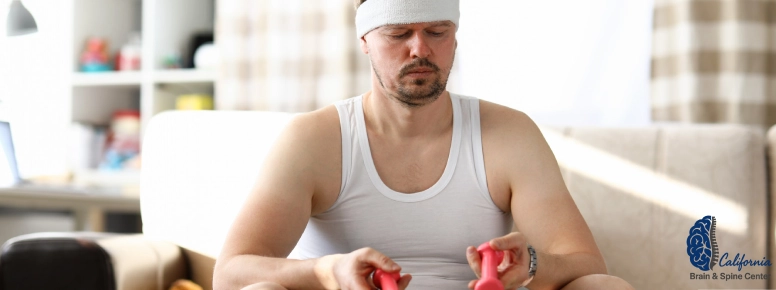
A few days of rest helps at the start, and what comes after it is a gradual, paced return to the things a concussion took away.
Post concussion syndrome recovery usually begins with a few days of rest, then depends on easing back into activity at a pace your symptoms can tolerate. Waiting in a dark room for everything to lift is rarely the whole plan. I am Dr. Alireza Chizari, DC, DACNB, a board-certified chiropractic neurologist at California Brain & Spine Center in Calabasas, and the step from resting to rebuilding is where many of my conversations about concussion start.
One question I hear often goes something like this: I rested, I did what I was told, so why do I still feel like this? Post concussion syndrome is the name for a set of symptoms that sometimes follow a concussion and can last for weeks or months. They can be physical, such as headache, dizziness, nausea, sensitivity to light and noise, and fatigue. They can be psychological, like anxiety, irritability, low mood and poor sleep. They can also be cognitive: the concentration that slips halfway through an email, or the name you were sure you knew. NINDS keeps a broader overview of traumatic brain injury for anyone who wants the wider picture.
If you are still going to work and still answering the phone, but doing it at a fraction of your usual self, that gap deserves attention. This article covers why rest helps early and then stops helping, what current guidance says about getting moving again, why symptoms sometimes linger, and what an evaluation looks at when they do. It does not offer a timeline, because a timeline given before anyone has examined you is a guess.
Key takeaway
Rest helps for the first few days after a concussion, when symptoms are usually most severe. After that, easing back into regular activity matters, kept below the point where symptoms flare. Lingering symptoms may involve the neck, inner ear, vision or the autonomic nervous system, and when they persist, an evaluation is a sensible next step.
What does post concussion syndrome recovery look like?
Usually, post concussion syndrome recovery follows a pattern: a short period of relative rest, then a gradual return to light activity such as walking or a stationary bike, increased only as far as symptoms allow. There is no single specific treatment for it, but a range of strategies can help, and for most people symptoms gradually improve over time.
Why a gradual return tends to help
Current international consensus on concussion in sport, as summarized by the American College of Sports Medicine, treats strict rest as harmful to recovery, and treats high-intensity exercise the same way. What it favors sits between the two: a short spell of relative rest, followed early by light aerobic activity such as walking or stationary cycling.
A trial in teenagers points the same way. In a randomized clinical trial in adolescents, individualized aerobic exercise kept below the symptom threshold and started soon after a sport-related concussion was associated with faster recovery, and may reduce the chance of a delayed one. It is one trial in one age group, and it should be read with that in mind.
When the usual pattern does not fit
Two situations change the plan for post concussion syndrome recovery. The first is any danger sign after a head injury, listed in the safety box further down; those need an emergency department, and nothing here applies until they have been ruled out. The second is quieter. Symptoms that sit at the same level week after week, or flare with every attempt to do more, may point to a contributor that has not been addressed yet, such as the neck, the inner ear or the visual system.
Why isn't rest enough after a concussion?
Rest has a real job to do. The CDC notes that resting is good for the first few days after a mild brain injury or concussion, because that is when symptoms are usually most severe. The same guidance says that after this it is important to ease back into regular activities, even with some mild symptoms.
The trouble is how easily rest stretches. A walk leaves you with a headache, stopping everything feels like the safe choice, and a few days of rest quietly become a routine. Current sport-concussion guidance is plain that strict rest is associated with slower recovery. The alternative is light activity, dosed carefully and increased in small steps as symptoms allow.
For a plain-language summary of the basics, MedlinePlus keeps a page on concussion that covers symptoms and early care in one place.
How to read a symptom increase
Guidance generally describes the right dose of light activity as one that causes no increase in symptoms, or only a mild one that settles quickly afterwards. A small rise in headache or fog that fades soon after a walk sits within that range. A sharp rise, or one that hangs on, suggests the dose was too high for now, and the next session steps back down.
Why do persistent post concussion symptoms linger?
The mechanisms behind persistent post concussion symptoms are not fully understood. Contributors thought to be involved include disrupted neural networks, dysregulation of the autonomic nervous system, and problems in the neck, the inner ear or the visual system that were never addressed after the injury. For post concussion syndrome recovery, that list matters, because each item on it can be examined separately.
The neck
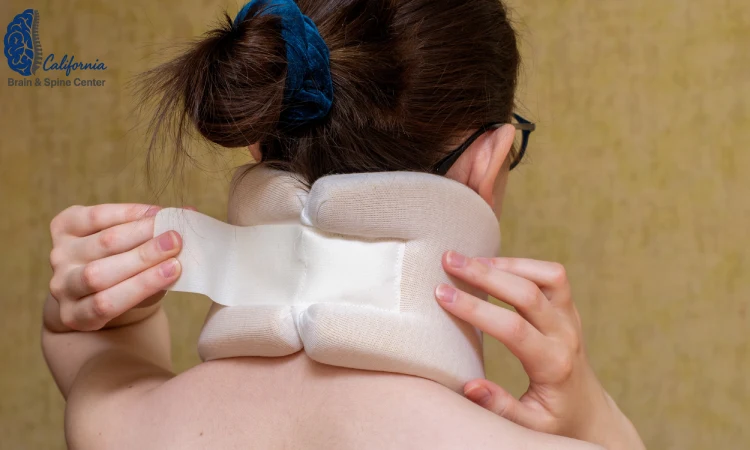
The neck is the first item on that list. When neck tension is part of what keeps symptoms going, physical rehabilitation of the neck can help.
The inner ear and balance
Problems in the inner ear are another possible contributor. Vestibular rehabilitation is a specialized, exercise-based therapy for impairments of the balance system, and a systematic review of randomized trials found it seems to be a valid approach for dizziness after concussion. The same review noted that the studies were small and varied, and that larger ones are needed.
Vision
The visual system is the third area on the list, and it is one reason an evaluation looks at how the eyes track and focus as well as at the headache and the dizziness.
The autonomic nervous system
The autonomic nervous system runs the automatic side of the body, including heart rate and blood pressure. Dysregulation there is also thought to play a part in persistent symptoms for some people, which is why an evaluation can include how the body responds to standing and to effort.
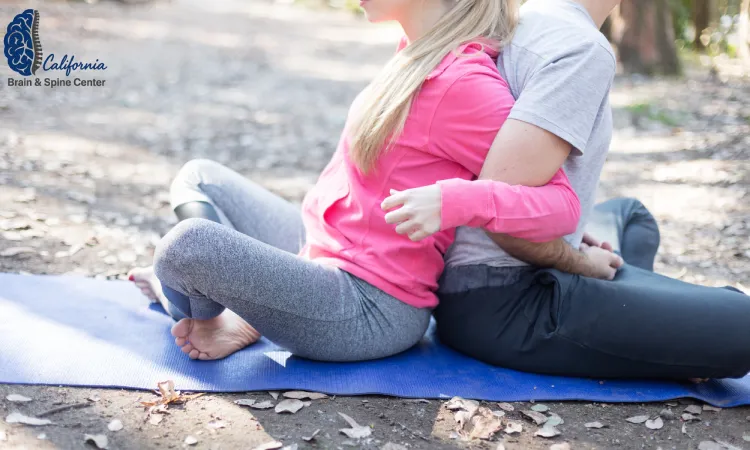
Rested, and still not right?
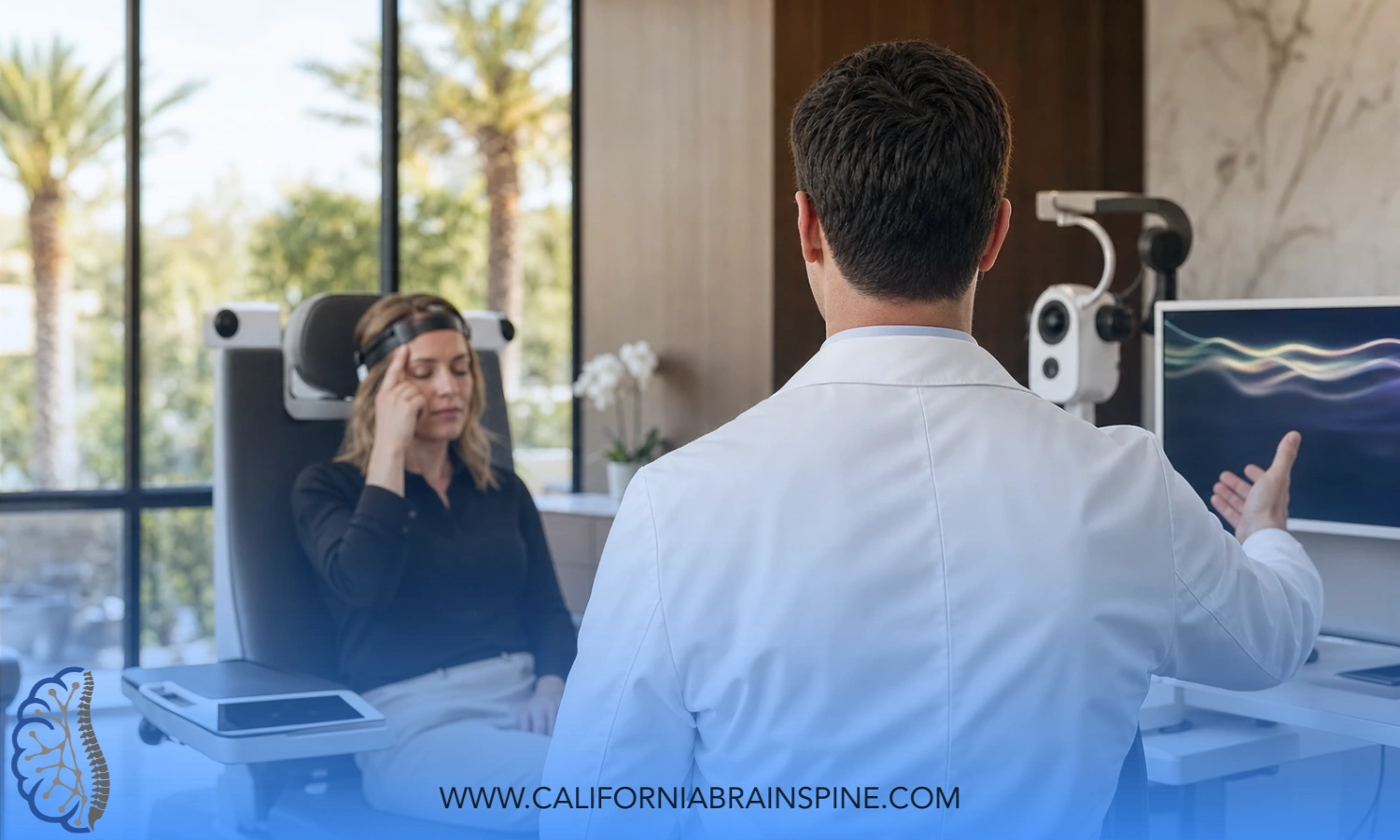
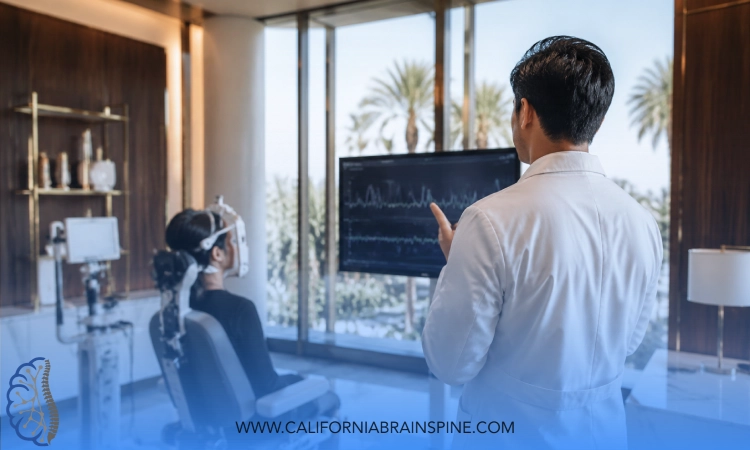
At our Calabasas clinic, a functional neurology evaluation looks at balance, eye movements, the neck and how your body responds to standing and effort, so the plan fits your concussion rather than an average one.
What does post concussion syndrome treatment involve?
There is no single, specific treatment for post concussion syndrome, but a range of strategies can help, and which ones are used depends on what an evaluation finds. The table below sets out how common symptoms usually present, the patterns that suggest something more is going on, and what an evaluation looks at for each.
| Typical presentation | Patterns that suggest something more | What the evaluation looks at |
|---|---|---|
| Headache | A headache that gets worse and does not go away is a danger sign that needs emergency care first | The neck, including tension that may be feeding the headache, and how the headache responds to light activity |
| Dizziness or unsteadiness | Dizziness that persists or keeps coming back | Balance and inner-ear function, the basis for any vestibular rehabilitation |
| Sensitivity to light and noise | Sensitivity that persists and keeps limiting reading or screens | How the eyes track and focus |
| Fatigue | Symptoms that climb sharply with each attempt at light exercise | The response to graded effort and to standing |
| Poor sleep | Sleep that stays disrupted despite a regular routine | Sleep habits, with referral where sleep medicine is needed |
| Poor concentration, forgetfulness, low mood | Anxiety or low mood that is not easing | Tolerance for mental work, with referral to a mental-health professional for mood concerns |
Sleep and routine
Sleep is one of the simpler places to start. CDC guidance recommends limiting screen time and loud music before bed, sleeping in a dark room, and keeping a fixed bedtime and wake-up time.
The NHLBI's page on sleep deprivation and deficiency is a useful companion read if sleep has been off since the injury.
When a head injury needs emergency care
The CDC lists danger signs after a head injury that need an emergency department right away, including:
- A headache that gets worse and does not go away.
- Weakness, numbness or decreased coordination.
- Repeated vomiting, a seizure, slurred speech or unusual behavior.
- One pupil larger than the other, confusion or agitation, or loss of consciousness or being hard to wake.
If symptoms come on suddenly or severely - a sudden severe headache, weakness, trouble speaking, vision loss, or fainting - that is an emergency. Call 911 or go to an emergency room, not a clinic appointment.
Everything else in this article applies only after those have been ruled out.
Where can you get a concussion evaluation near Calabasas?
Post concussion syndrome recovery at California Brain & Spine Center in Calabasas starts with an evaluation by Dr. Alireza Chizari, DC, DACNB, a functional neurology specialist, covering balance and inner-ear function, eye movements, the neck, and how heart rate and blood pressure respond to standing and effort. I repeat the same measures as care goes on, so progress shows up in results rather than impressions.
From those findings, care may include, when clinically appropriate after evaluation, vestibular rehabilitation, rehabilitation for the neck and a graded return to activity. Where visual and balance findings call for it, a plan may also use NeuroSensory Integration (NSI).
Our post concussion and mild TBI care page describes that pathway in full.
I work alongside primary care, medical neurology and other specialists. When a symptom needs medication or medical management, or when mood or sleep needs go beyond a rehabilitation plan, I refer back and share the findings. Patients come to us from Calabasas, from Agoura Hills and from further along the 101 corridor.
What else do people ask about post concussion syndrome recovery?
How long does post concussion syndrome recovery take?
There is no reliable way to put a number on it before an evaluation. Post concussion syndrome recovery varies from person to person, and symptoms can last weeks or months. For most people they gradually improve over time. Progress is judged by how symptoms respond to activity and by repeating the same tests, rather than by the calendar.
Can I exercise during post concussion syndrome recovery?
Usually, yes, within limits. After the first few days of rest, guidance favors light aerobic activity such as walking or a stationary bike. In post concussion syndrome recovery, the dose is set by symptoms: it should cause no increase, or only a mild one that settles quickly. If every session makes symptoms climb, that pattern is worth having examined.
Should I avoid screens completely after a concussion?
Not for long. Rest helps in the first few days, and after that easing back into regular activities, screens included, is part of the process. Keeping screens and loud music away from bedtime supports sleep, a habit the CDC recommends during recovery.
Is post concussion syndrome treatment available in Calabasas?
Yes. At California Brain & Spine Center in Calabasas, post concussion syndrome recovery starts with a functional neurology evaluation of balance, eye movements, the neck and responses to standing and effort. Care may include, when clinically appropriate after evaluation, vestibular rehabilitation, neck rehabilitation and graded activity, alongside your primary care and medical neurology providers.
What if my symptoms stop improving?
A plateau in post concussion syndrome recovery is useful information. It can mean a contributor has not been addressed yet, such as the neck, the inner ear, the visual system or the autonomic nervous system, which are all thought to play a part in persistent symptoms. Re-evaluation is often more useful than pushing harder on the same routine.
Where does post concussion syndrome recovery start?
If you are past the first few days and still not yourself, I would rather you came in to be measured than spent more weeks waiting. Post concussion syndrome recovery tends to go better when it is active and paced, and when the plan rests on what an evaluation finds.
California Brain & Spine Center | (818) 649-5300 | Calabasas, CA 91302
You can book online at californiabrainspine.janeapp.com.
This content is for educational purposes only and is not medical advice. Consult a qualified healthcare provider about your specific situation.
Find out what is keeping your symptoms going
A complimentary consultation at our Calabasas clinic is a chance to talk through the injury, what you have tried so far, and whether an evaluation makes sense before any rehabilitation is recommended.