Dysautonomia in Teens: Helping Your Child Return to the Classroom
- Published
- No Comments
- Updated July 5, 2026
Dysautonomia in Teens and School Recovery
If your teenager feels dizzy when standing, exhausted after a normal school day, mentally foggy during class, or anxious because their body feels unpredictable, you are not overreacting. Dysautonomia in Teens can disrupt learning, attendance, social confidence, sports, sleep, and family life in ways that are often misunderstood.
I, Dr. Alireza Chizari, DC, DACNB, want parents to know something important: your child’s symptoms are real, and they deserve a careful evaluation rather than quick dismissal. At California Brain & Spine Center in Calabasas, California, we help families understand how the autonomic nervous system, vestibular system, brain function, circulation, breathing patterns, and stress response may be contributing to daily symptoms.
This article explains Dysautonomia in Teens in plain English, especially for families trying to help a child return to the classroom safely and confidently. My role is not to be the hero of your child’s story. Your child is the hero. Our job is to guide them with clarity, science, patience, and a personalized plan.
Quick Answer for Parents
| Dysautonomia in Teens means the automatic functions of the body, such as heart rate, blood pressure regulation, temperature control, digestion, and alertness, may not be adapting well to daily demands. |
| A teen may look fine but still struggle with dizziness, fatigue, brain fog, headaches, nausea, exercise intolerance, light sensitivity, anxiety-like symptoms, or school avoidance caused by real physiology. |
| At California Brain & Spine Center, evaluation may include neurological, vestibular, balance, visual, autonomic, and functional testing to understand what is driving symptoms. |
| The best next step is a personalized neurological and vestibular evaluation, especially if symptoms are affecting school attendance, concentration, sports, mood, or daily confidence. |
Ready to Understand What Your Teen’s Body Is Trying to Say?
When Dysautonomia in Teens starts affecting school, the goal is not to push harder blindly. The goal is to understand the nervous system, reduce avoidable triggers, and build a plan that supports function step by step.
Why Dysautonomia in Teens Can Make School Feel So Hard
Dysautonomia in Teens is not simply a motivation issue, a stress issue, or a “teenage phase.” The autonomic nervous system helps regulate functions your child does not consciously control. When that system is not adapting well, a classroom can become physically demanding: standing for morning routines, walking between classes, looking at bright screens, processing noise, sitting upright for long periods, and staying mentally focused can all become draining.
Many teens describe feeling as if their energy battery drains faster than everyone else’s. They may be bright, motivated, and responsible, yet still unable to tolerate a full school day. Some feel embarrassed because friends, teachers, or even relatives do not understand why they can look healthy but feel so unstable inside.
A teen does not need to look sick to deserve help, clarity, and a plan.
The Classroom Demands More From the Nervous System Than Most People Realize
School is a neurological workout. Your child must regulate posture, eye movements, balance, attention, temperature, blood flow, sensory input, stress response, memory, and social interaction. For a teen with dysautonomia, these normal demands may trigger symptoms that feel confusing and discouraging.
Common School-Related Signs Parents Notice
- Morning crashes: dizziness, nausea, weakness, or racing heart before school.
- Midday shutdown: brain fog, headaches, blurry vision, fatigue, or trouble focusing.
- Post-school collapse: needing hours to recover after a normal day.
- Reduced confidence: fear of symptoms happening in class, at lunch, or during sports.
Why Symptoms Are Often Misread as Anxiety
It is common for teens with dysautonomia to be told their symptoms are “just anxiety.” Anxiety can certainly coexist with chronic symptoms, especially when a teen feels unsafe in their own body. But dysautonomia can also create anxiety-like sensations: rapid heartbeat, shortness of breath, shakiness, chest tightness, sweating, and feeling faint. In my experience, families need a careful look at physiology before assumptions are made.
What I Look For When Evaluating Dysautonomia in Teens
When I evaluate Dysautonomia in Teens, I do not start with the assumption that one system explains everything. I look at how the brain, brainstem, vestibular system, visual system, spine, breathing patterns, cardiovascular responses, and sensory processing may be interacting. This broader view matters because teens are rarely helped by one-size-fits-all thinking.
My background began in Electrical Engineering in Iran, followed by advanced engineering and management studies in the UK, and later work in the United States as a Solar Engineer. That engineering foundation shaped the way I think clinically: systems, feedback loops, signals, regulation, and precision matter. After seeing my mother improve through chiropractic care for a frozen shoulder, I changed my professional path, earned my Doctor of Chiropractic degree from Life Chiropractic College West, trained in the precise Gonstead technique, and pursued postdoctoral education in Clinical Neuroscience.
A Personalized Evaluation Before Any Treatment Plan
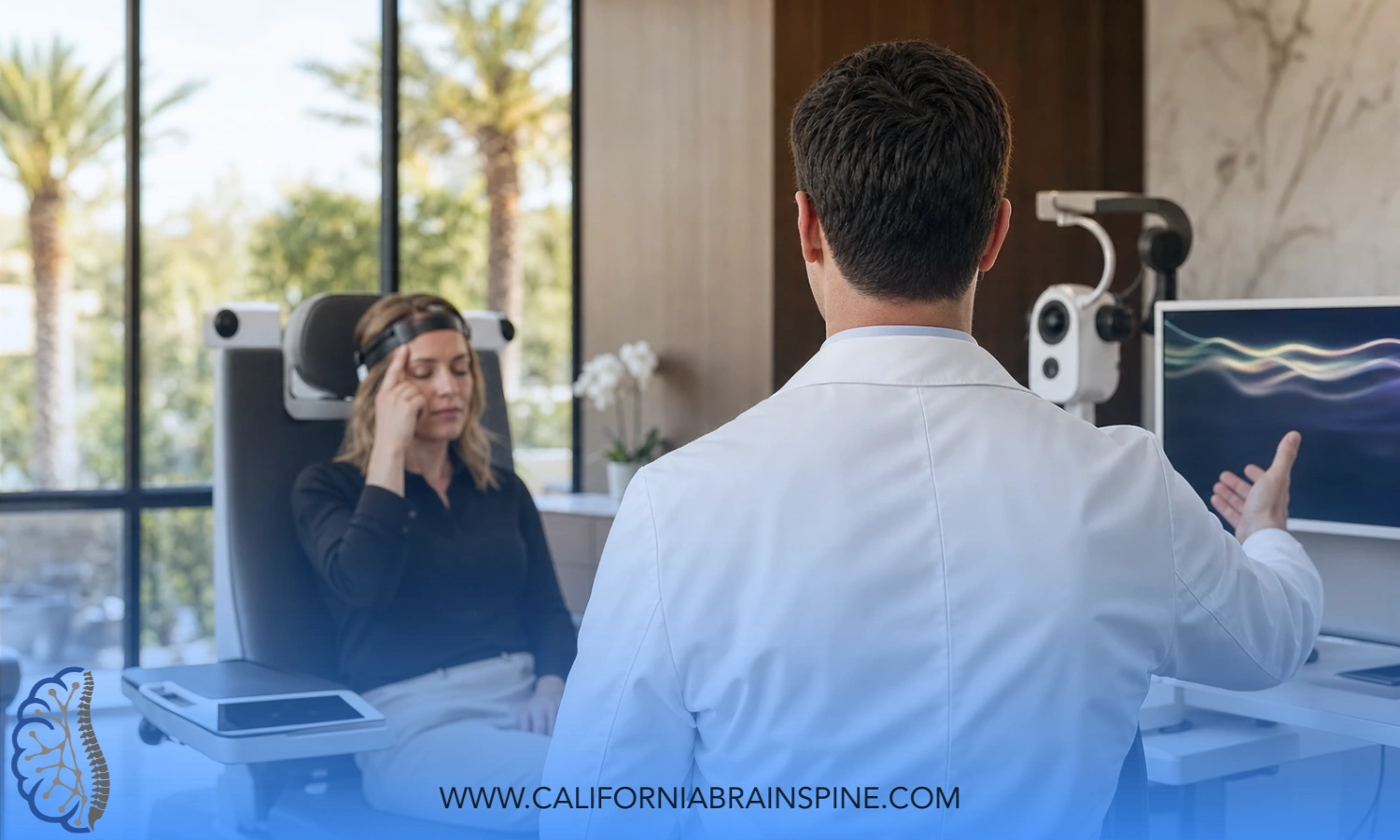
At California Brain & Spine Center in Calabasas, families come from Southern California and beyond because they want more than symptom labels. They want to understand why their teen is struggling and what can be done safely. Evaluation may include posture and balance assessment, vestibular testing, eye movement analysis, neurological examination, functional movement review, cognitive screening, and autonomic response observation when clinically appropriate.
| Concern | What It May Suggest | Why It Matters for School |
|---|---|---|
| Dizziness when standing | Autonomic regulation or vestibular involvement | May affect transitions, assemblies, and walking between classes |
| Brain fog | Cognitive fatigue, sensory overload, or post-concussion patterns | May reduce reading, test performance, and memory |
| Light and screen sensitivity | Visual or neurological sensitivity | May make laptops, projectors, and fluorescent lights difficult |
| Post-school exhaustion | Poor recovery capacity or nervous system overload | May affect homework, sleep, mood, and family routines |
Safety Note: When Symptoms Need Urgent Medical Attention
Please seek urgent medical care if your teen has fainting with injury, chest pain, severe shortness of breath, new weakness, seizure-like activity, sudden severe headache, signs of dehydration, unexplained weight loss, or symptoms that rapidly worsen. Dysautonomia in Teens should be evaluated responsibly, and emergency concerns should never be delayed.
The first win is not always symptom relief. Sometimes the first win is finally understanding the pattern.
How California Brain & Spine Center Builds a Return-to-Classroom Plan
At California Brain & Spine Center, the approach to Dysautonomia in Teens is designed around function. The question is not only, “What diagnosis does this teen have?” The deeper question is, “What systems are limiting this teen’s ability to learn, participate, recover, and feel safe in daily life?”
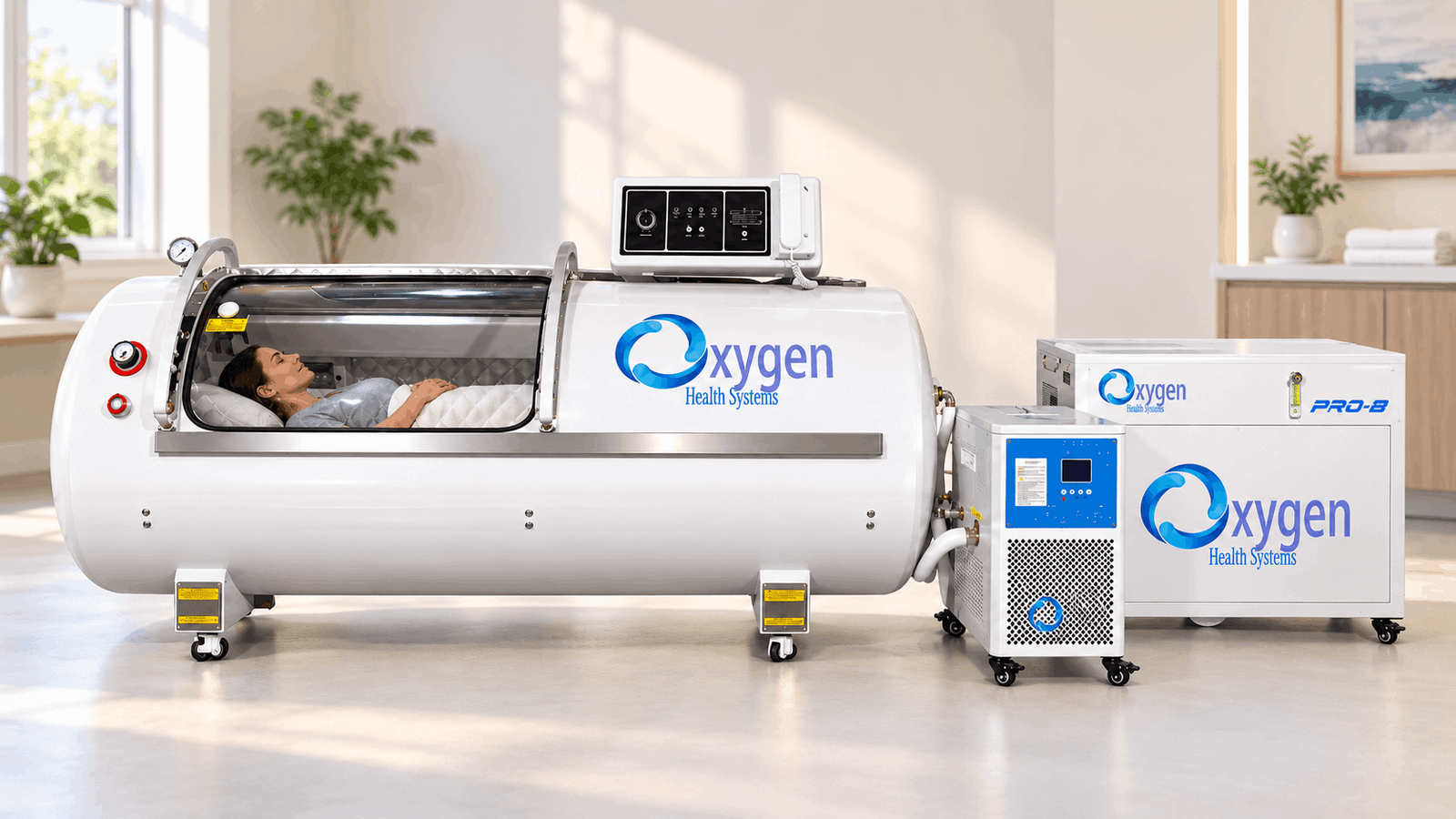
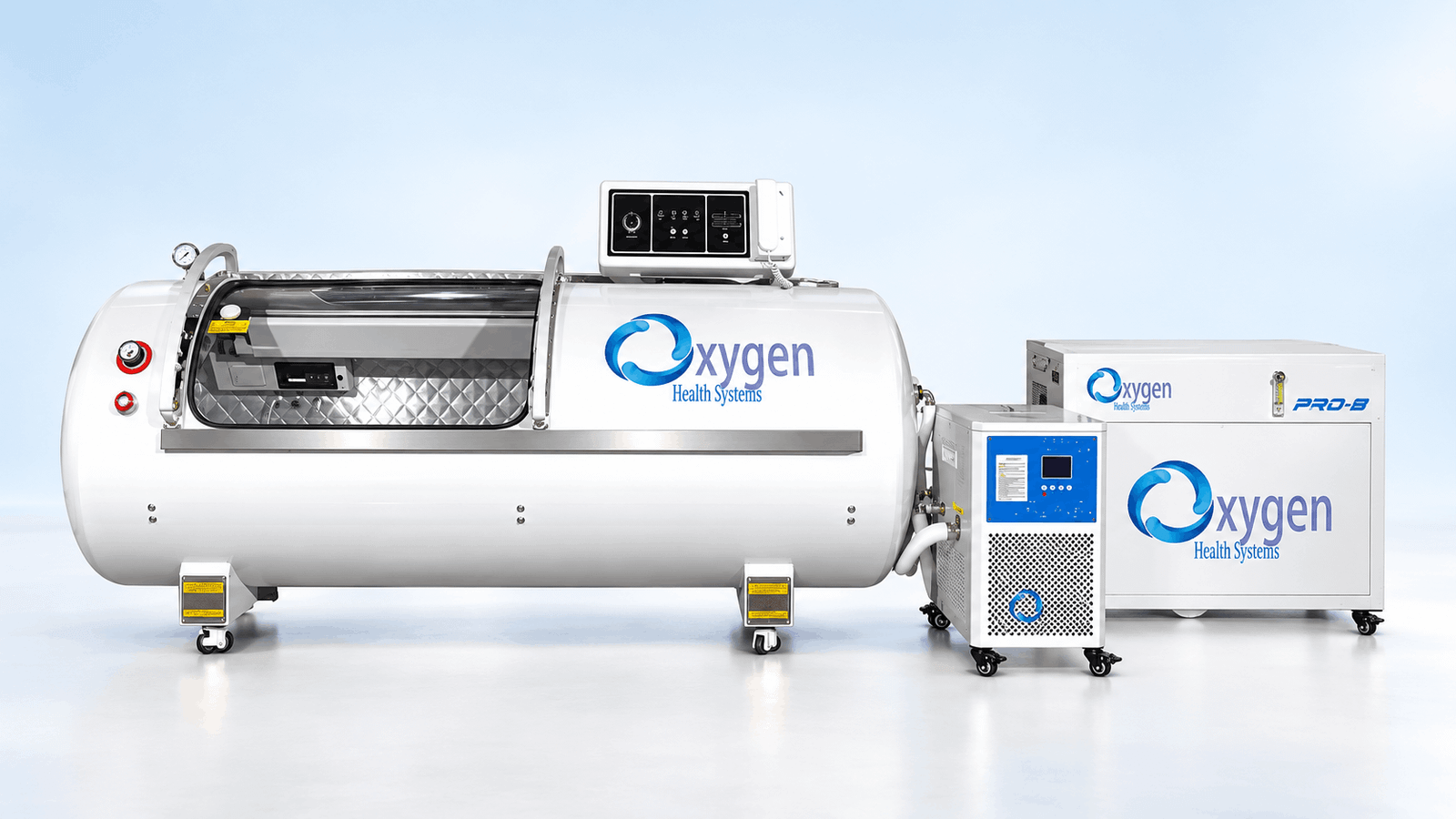
Care plans may include vestibular rehabilitation, cognitive rehabilitation, neuroplasticity rehabilitation, NeuroSensory Integration, NSI, Low-Level Laser Therapy, LLLT, Pulsed Electromagnetic Field, PEMF, Hyperbaric Oxygen Therapy, HBOT, GammaCore Vagus Nerve Stimulation, and the NeuroRevive Program when clinically appropriate. These tools are not used randomly. They are considered after evaluation and selected based on the teen’s presentation, tolerance, goals, and safety profile.
A Treatment Pathway Designed Around Your Teen’s Real Life
Step 1: Listen and Map the Story
We begin with symptoms, triggers, school schedule, sleep, hydration, concussion history, sports demands, stress patterns, and what your teen wants back.
Step 2: Test the Systems
Neurological, vestibular, balance, visual, cognitive, and autonomic findings help identify what is most likely limiting function.
Step 3: Create a Care Plan
The plan may combine in-office therapy, home strategies, pacing guidance, and school-support recommendations.
Step 4: Build Tolerance Gradually
The goal is controlled progress, not forcing your teen into crashes that reduce confidence and delay recovery.
Step 5: Track Function
We monitor school attendance, dizziness, fatigue, focus, screen tolerance, sleep, and recovery after daily activities.
Why Gradual Exposure Matters
Many teens with dysautonomia want to return to normal immediately. That motivation is valuable, but the nervous system often needs carefully measured exposure. Too little activity can reduce tolerance. Too much can trigger setbacks. The right plan respects both ambition and biology.
What Progress May Look Like
Progress may begin with better morning stability, fewer dizziness episodes, improved screen tolerance, more consistent homework capacity, or the ability to attend partial days with less fear. For some teens, the first major milestone is not a full day of school. It may be walking into class with confidence because they understand their body better.
Dysautonomia in Teens After Concussion, Illness, or Stressful Life Changes
Dysautonomia in Teens can appear after a concussion, viral illness, rapid growth, prolonged inactivity, significant stress, or a combination of factors. In some cases, a teen had mild symptoms for years, but a concussion or illness pushed the system past its ability to compensate.
At the clinic, patients with post-concussion symptoms, dizziness, visual disturbances after concussion, brain fog, memory loss, balance disorders, vestibular dysfunction, and autonomic nervous system disorders are evaluated with the understanding that these systems can overlap. A teen may not fit neatly into one category, and that is exactly why a detailed assessment matters.
A Parent-Friendly Way to Think About the Goal
Managing symptoms is important, but root-level functional improvement asks a deeper question: can we help the nervous system regulate better so your teen can participate in life with more stability? That may include better balance processing, visual tolerance, cognitive stamina, autonomic flexibility, and recovery capacity.
School Accommodations Can Help, But They Are Not the Whole Plan
Temporary accommodations may be useful, such as modified schedules, hydration access, rest breaks, screen adjustments, reduced standing time, or flexible testing. However, accommodations should support recovery rather than replace rehabilitation. The larger goal is to help your teen regain capacity when possible.
A good plan does not ask a teen to prove they are struggling. It helps them rebuild what struggle has taken away.
What Makes the Calabasas Approach Different for Dysautonomia in Teens
The middle of the care process is where precision matters. At California Brain & Spine Center, patients are evaluated with advanced neurological and functional reasoning rather than a generic protocol. Dr. Alireza Chizari, DC, DACNB, brings a systems-based background from engineering, precise Gonstead chiropractic training, and postdoctoral clinical neuroscience education to complex cases involving dysautonomia, concussion, dizziness, brain fog, memory loss, and balance dysfunction.
The clinic’s work is grounded in a simple but powerful principle: the patient is the hero, and the care team is the guide. For a teenager, that means the plan must make sense emotionally, academically, socially, and physically. A teen who feels believed and included is more likely to participate consistently.
Clinical Tools Are Chosen Based on Findings, Not Trends
Non-invasive therapies such as Vestibular Rehabilitation, Cognitive Rehabilitation, Neuroplasticity Rehabilitation, NeuroSensory Integration, NSI, LLLT, PEMF, HBOT, GammaCore Vagus Nerve Stimulation, and the NeuroRevive Program may support recovery when they match the teen’s clinical picture. No single therapy is right for everyone. The evaluation guides the plan.
What Families Can Expect From a Responsible Plan
- Clear explanation: families should understand what was found and why it matters.
- Personalized pacing: care should respect the teen’s tolerance and school demands.
- Measurable goals: progress should connect to real life, not just clinic performance.
- Honest expectations: improvement is possible for many patients, but timelines vary.
If School Has Become a Daily Battle, Start With Clarity
Your teen does not need to wait until symptoms become unbearable. A careful evaluation can help identify whether dysautonomia, vestibular dysfunction, concussion-related changes, visual sensitivity, or cognitive fatigue may be affecting classroom life.
A Realistic Case Story: Helping a Teen Rebuild Confidence
Some time ago, a patient named A. came to see me after months of dizziness, fatigue, headaches, and brain fog that made school feel unpredictable. A. was bright and motivated, but by lunchtime the day often felt impossible. The family had been told stress might be the main issue, but they felt something deeper was being missed.
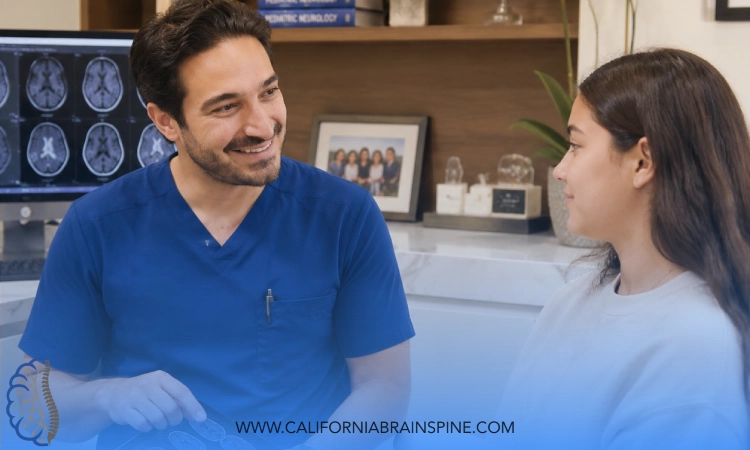
During the evaluation, I looked at A.’s balance, eye movements, vestibular function, posture, symptom triggers, and recovery patterns. The findings suggested that autonomic regulation, vestibular sensitivity, and cognitive fatigue were all contributing. We built a plan that included Vestibular Rehabilitation, elements of Cognitive Rehabilitation, Neuroplasticity Rehabilitation, and carefully paced home strategies. When appropriate, we also discussed supportive options within the NeuroRevive Program.
A.’s progress was gradual, not instant. At first, success meant tolerating a partial school day with fewer symptom spikes. Later, it meant improved screen tolerance, more confidence walking between classes, and less fear that symptoms would take over without warning. This is not a guarantee for every teen, but it shows why a personalized plan can matter so much. For many families, hope becomes more grounded when it is connected to a clear process.
Your Most Common Questions About Dysautonomia in Teens
Can Dysautonomia in Teens improve enough for a child to return to school?
Many teens can improve their function with the right evaluation, pacing, medical guidance, rehabilitation, and school support. The goal is not to force a full return before the nervous system is ready. The goal is to build tolerance in a structured way so school becomes more manageable and less frightening.
Is Dysautonomia in Teens the same as POTS?
POTS, or postural orthostatic tachycardia syndrome, is one form of dysautonomia, but dysautonomia is a broader term. A teen can have autonomic symptoms without fitting every diagnostic feature of POTS. A proper medical and functional evaluation helps clarify what is happening and what type of support may be appropriate.
Should my teen keep exercising if symptoms flare?
Exercise decisions should be individualized. Some teens benefit from carefully graded activity, often beginning with lower-intensity or recumbent options. Others need vestibular, visual, breathing, or neurological work before exercise tolerance improves. If activity causes repeated crashes, it is a sign the plan may need adjustment.
Can concussion trigger Dysautonomia in Teens?
Yes, concussion can sometimes contribute to autonomic symptoms, dizziness, visual sensitivity, brain fog, headaches, and exercise intolerance. At California Brain & Spine Center, concussion-related concerns are evaluated in relation to the vestibular system, cognitive function, autonomic regulation, and overall nervous system performance.
What should parents bring to the first evaluation?
Bring a timeline of symptoms, prior test results, medications or supplements, school attendance patterns, hydration and sleep notes, concussion history, and a list of the activities your teen most wants to return to. This helps connect clinical findings to real-life goals.
How soon should we seek help?
If symptoms are affecting school attendance, concentration, confidence, sports, sleep, or daily family life, it is reasonable to seek a personalized evaluation. Early clarity can reduce confusion and help your teen avoid the cycle of overexertion, crash, fear, and withdrawal.
Conclusion: A Clearer Path Forward for Dysautonomia in Teens
Dysautonomia in Teens can be frightening for families because it affects so many parts of daily life, especially school. But your teen is not broken, lazy, or imagining symptoms. They may need a more precise understanding of how their nervous system is regulating and a plan that respects both their goals and their limits.
I, Dr. Alireza Chizari, DC, DACNB, encourage you to make an informed decision rather than waiting in uncertainty. If your child is struggling with dizziness, fatigue, brain fog, school intolerance, post-concussion symptoms, or balance-related concerns, California Brain & Spine Center in Calabasas is here to help you explore the next step responsibly.

Dr. Alireza Chizari
This article has been medically reviewed for clinical accuracy by Dr. Alireza Chizari, DC, DACNB. Committed to evidence-based practice, Dr. Chizari ensures all content reflects the highest standards of functional neurology care.
Comments
Find our article more easily in Google.
FAQ
What is Functional Neurology?
Functional Neurology is a healthcare specialty that focuses on assessing and rehabilitating the nervous system’s function. It emphasizes neuroplasticity—the brain’s ability to adapt and reorganize—using non-invasive, evidence-based interventions to improve neurological performance.
How does Functional Neurology differ from traditional neurology?
Traditional neurology often concentrates on diagnosing and treating neurological diseases through medications or surgery. In contrast, Functional Neurology aims to optimize the nervous system’s function by identifying and addressing dysfunctions through personalized, non-pharmaceutical interventions.
Is Functional Neurology a replacement for traditional medical care?
No. Functional Neurology is intended to complement, not replace, traditional medical care. Practitioners often collaborate with medical professionals to provide comprehensive care.
What conditions can Functional Neurology help manage?
Functional Neurology has been applied to various conditions, including:
• Concussions and Post-Concussion Syndrome
• Traumatic Brain Injuries (TBI)
• Vestibular Disorders
• Migraines and Headaches
• Neurodevelopmental Disorders (e.g., ADHD, Autism)
• Movement Disorders
• Dysautonomia
• Peripheral Neuropathy
• Functional Neurological Disorder (FND)
Can Functional Neurology assist with neurodegenerative diseases?
While Functional Neurology does not cure neurodegenerative diseases, it can help manage symptoms and improve quality of life by optimizing the function of existing neural pathways.
What diagnostic methods are used in Functional Neurology?
Functional Neurologists employ various assessments, including:
• Videonystagmography (VNG)
• Computerized Posturography
• Oculomotor Testing
• Vestibular Function Tests
• Neurocognitive Evaluations
How is a patient’s progress monitored?
Progress is tracked through repeated assessments, patient-reported outcomes, and objective measures such as balance tests, eye movement tracking, and cognitive performance evaluations.
What therapies are commonly used in Functional Neurology?
Interventions may include:
- Vestibular Rehabilitation
- Oculomotor Exercises
- Sensorimotor Integration
- Cognitive Training
- Balance and Coordination Exercises
- Nutritional Counseling
- Lifestyle Modifications
Are these therapies personalized?
Absolutely. Treatment plans are tailored to the individual’s specific neurological findings, symptoms, and functional goals.
Who can benefit from Functional Neurology?
Individuals with unresolved neurological symptoms, those seeking non-pharmaceutical interventions, or patients aiming to optimize brain function can benefit from Functional Neurology.
Is Functional Neurology suitable for children?
Yes. Children with developmental delays, learning difficulties, or neurodevelopmental disorders may benefit from Functional Neurology approaches.
How does Functional Neurology complement other medical treatments?
It can serve as an adjunct to traditional medical care, enhancing outcomes by addressing functional aspects of the nervous system that may not be targeted by conventional treatments.
How is technology integrated into Functional Neurology?
Technological tools such as virtual reality, neurofeedback, and advanced diagnostic equipment are increasingly used to assess and enhance neurological function.
What is the role of research in Functional Neurology?
Ongoing research continues to refine assessment techniques, therapeutic interventions, and our understanding of neuroplasticity, contributing to the evolution of Functional Neurology practices.