Why Standard Physical Therapy Isn’t Fixing Your Balance Problems?
- Published
- No Comments
- Updated July 5, 2026
Quick Answer: Why Standard Physical Therapy Isn’t Fixing Your Balance Problems
|
Need a Deeper Look at Your Balance System?
If Standard Physical Therapy Isn’t Fixing Your Balance Problems, California Brain & Spine Center may help you identify whether vestibular dysfunction, visual motion sensitivity, post-concussion changes, dysautonomia, or neurological integration issues are contributing to your symptoms.
Why Balance Problems Often Need More Than Strengthening
Many people think balance is mainly about strong legs or a stable core. Strength matters, but balance is much more complex. Your brain is constantly comparing information from your eyes, inner ears, feet, joints, spine, and neck. It uses that information to decide where you are in space and how to keep you upright.
When that system is working well, you do not have to think much about walking through a parking lot, turning your head while driving, stepping off a curb, or moving through a crowded grocery store. When it is not working well, everyday life can feel unpredictable. You may walk more slowly, avoid certain places, hold onto walls, feel nervous on stairs, or feel like your body is not responding quickly enough.
The Key Difference: Balance Is a Sensory Integration Skill
Standard rehab often improves strength, flexibility, and general coordination. But when balance problems are driven by vestibular dysfunction, visual-vestibular mismatch, concussion-related changes, neck sensory errors, or autonomic dysregulation, the nervous system may need more specific input than general exercises can provide.
When the Body Is Strong but the Brain Still Feels Unsafe
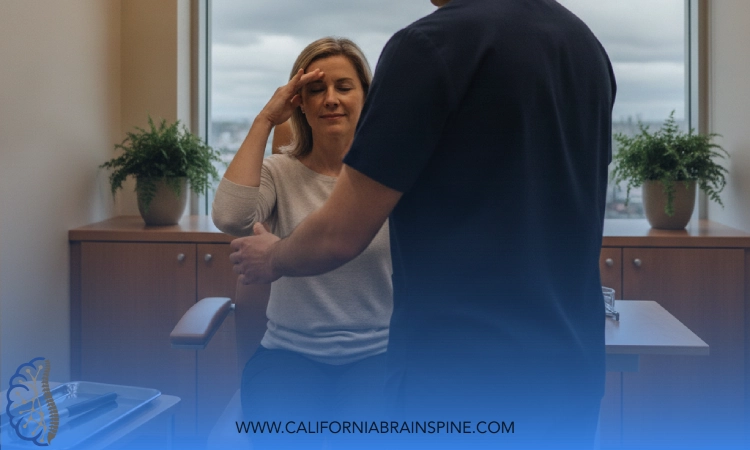
I often hear patients say, “My legs are not weak, but I still feel off.” That sentence is important. It tells me we may need to look at how the brain is interpreting signals, not only how strong the muscles are. A person can test reasonably well on strength but still feel unstable because the brain is receiving conflicting information from the eyes, inner ears, neck, and body.
This is one reason Standard Physical Therapy Isn’t Fixing Your Balance Problems for some patients. The treatment may be aimed at the musculoskeletal system while the deeper driver is neurological timing, vestibular processing, or sensory mismatch.
“When your balance feels unreliable, you do not need judgment. You need a clearer map of what your nervous system is doing.”
Signs Standard Physical Therapy Isn’t Fixing Your Balance Problems Because Something Is Being Missed
If you have been consistent with care but still feel stuck, it may be time to ask whether the right systems have been tested. This does not mean your previous care was wrong. Standard physical therapy can be very helpful for many injuries and conditions. But balance disorders can require a different level of neurological and vestibular specificity.
Patterns That Suggest a Deeper Balance Evaluation May Be Needed
The most important clue is not just that you feel unsteady. It is when, where, and how the unsteadiness appears. Some patients feel fine in a quiet room but struggle in visually busy spaces. Others feel worse when turning the head, looking up, walking in the dark, using screens, driving, or moving through stores with bright lights and patterned floors.
| What You Notice | What It May Suggest | What We May Evaluate |
|---|---|---|
| Dizziness when turning your head | Vestibular reflex or neck-brain integration issue | Eye movements, vestibular responses, cervical input |
| Unsteadiness in grocery stores | Visual motion sensitivity or sensory overload | Visual-vestibular integration and motion tolerance |
| Worse balance in the dark | Over-reliance on vision or reduced body position sense | Proprioception, vestibular weighting, postural control |
| Brain fog with balance symptoms | Post-concussion, cognitive load, or autonomic involvement | Cognitive tolerance, autonomic signs, concussion history |
| Racing heart or fatigue while standing | Autonomic nervous system dysregulation | Dysautonomia-informed screening and tolerance testing |
Why Repeating the Same Exercises May Not Be Enough
If the nervous system is not receiving the correct type of challenge, repeating more of the same exercise may not create the change you want. A balance program may need to be adjusted based on eye tracking, vestibular reflexes, postural sway, sensory dependence, cognitive load, and symptom response.
Safety Note: Balance Symptoms That Need Urgent Attention
Seek urgent medical care if balance problems come on suddenly with facial drooping, one-sided weakness, slurred speech, severe new headache, chest pain, fainting, seizure, new vision loss, or sudden confusion. A functional neurological evaluation can be helpful, but emergency warning signs should never be ignored.
How California Brain & Spine Center Looks Beyond Standard Physical Therapy
At California Brain & Spine Center in Calabasas, patients with persistent balance problems are evaluated with a functional neurological perspective. The goal is to understand how the brain, vestibular system, vision, spine, posture, and autonomic nervous system are working together in real life.
Dr. Alireza Chizari, DC, DACNB brings a distinctive systems-based background to patient care. He first studied Electrical Engineering in Iran, completed a master’s in Advanced Engineering & Management in the UK, and later worked in the United States as a Solar Engineer. After seeing his mother recover from a frozen shoulder through chiropractic care, he transitioned into healthcare, earned his Doctor of Chiropractic degree from Life Chiropractic College West, trained in the precise Gonstead technique, and pursued postdoctoral education in Clinical Neuroscience.
That engineering and clinical neuroscience background matters because balance is a feedback system. If the timing, input, or integration is off, the entire system can feel unstable. This is why Standard Physical Therapy Isn’t Fixing Your Balance Problems may be less about failed effort and more about an incomplete map.
What a More Specific Balance Assessment May Include
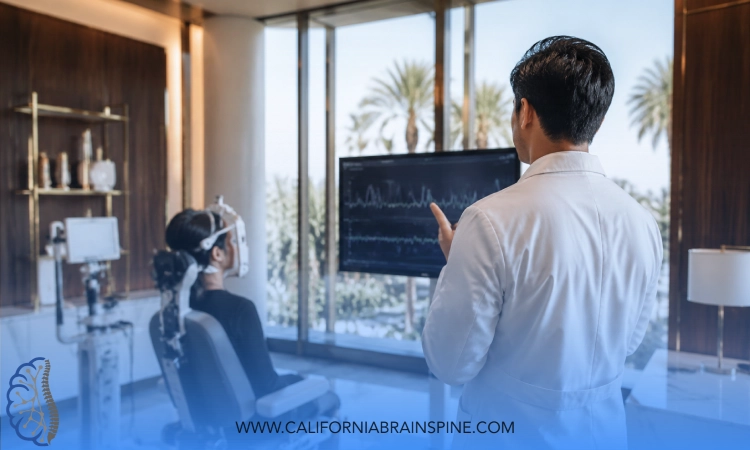
The evaluation is designed to identify patterns that may be missed when care focuses only on general strength or mobility. Depending on the patient, the assessment may include neurological screening, vestibular testing, eye movement analysis, balance and postural control evaluation, cervical spine considerations, sensory integration testing, cognitive load review, and autonomic nervous system screening.
- Vestibular function to understand dizziness, motion sensitivity, head movement intolerance, and spatial orientation.
- Visual tracking and eye movement control to assess whether the eyes and brain are coordinating accurately.
- Postural and sensory integration to see how the body uses information from the feet, spine, neck, and environment.
- Autonomic and concussion-related patterns when symptoms include fatigue, brain fog, heart rate changes, or symptom crashes.
Why the Patient’s Story Matters So Much
Numbers and tests are important, but your lived experience matters too. A patient who feels unsafe walking down a hallway, stepping into a shower, hiking on uneven ground, or driving through Los Angeles traffic is not just dealing with a clinical finding. They are dealing with loss of confidence. A good plan should respect that reality.
“The goal is not to make you dependent on care. The goal is to help you trust your body again.”
A Personalized Treatment Pathway When Standard Physical Therapy Isn’t Fixing Your Balance Problems
When Standard Physical Therapy Isn’t Fixing Your Balance Problems, the next step is not a random collection of harder exercises. The next step is a pathway that starts with assessment, identifies the drivers, and builds a plan that meets your nervous system at the right level.
Step 1: Clarify the Pattern
We review your balance history, falls or near-falls, dizziness triggers, concussion history, visual symptoms, neck issues, fatigue, and daily limitations.
Step 2: Test the Balance Network
We assess vestibular, visual, postural, neurological, cervical, sensory, and autonomic clues to understand what may be driving the instability.
Step 3: Build a Targeted Plan
Your plan may include Vestibular Rehabilitation, Balance Disorder Therapy, Neuroplasticity Rehabilitation, NeuroSensory Integration, NSI, or Cognitive Rehabilitation when appropriate.
Step 4: Support the Nervous System
When clinically appropriate, non-invasive options may include Low-Level Laser Therapy, LLLT, Pulsed Electromagnetic Field, PEMF, Hyperbaric Oxygen Therapy, HBOT, GammaCore Vagus Nerve Stimulation, or the NeuroRevive Program.
Step 5: Track Real-Life Progress
Progress is monitored through walking confidence, symptom tolerance, driving comfort, screen tolerance, balance control, and your ability to return to meaningful activities.
Why Vestibular Rehabilitation May Be the Missing Piece
Vestibular Rehabilitation is not simply “balance exercise.” It is a targeted approach designed to help the brain recalibrate how it processes inner ear signals, eye movements, head motion, and spatial orientation. For the right patient, it may help reduce dizziness, improve motion tolerance, and support safer movement.
However, it must be prescribed thoughtfully. If the exercises are too easy, they may not create adaptation. If they are too intense, symptoms may flare. That is why a personalized plan matters, especially for post-concussion symptoms, traumatic brain injury recovery, visual disturbances after concussion, dysautonomia, brain fog, memory concerns, and chronic dizziness.
Key Insight: Better Balance Is Not Just Standing Still Longer
True balance recovery means being able to move through real life with more confidence. That may include turning your head while walking, navigating stairs, handling visual motion, walking outdoors, driving, exercising, shopping, and thinking clearly while moving.
Why Balance Problems Can Persist After Concussion, Whiplash, or Chronic Dizziness
Many patients who say Standard Physical Therapy Isn’t Fixing Your Balance Problems have a history that includes concussion, whiplash, falls, sports injuries, car accidents, migraine-associated dizziness, vestibular neuritis, long periods of inactivity, or unexplained neurological symptoms. Sometimes the original injury was years ago, but the nervous system never fully regained efficient integration.
At California Brain & Spine Center, patients are seen from Calabasas, the San Fernando Valley, Los Angeles, Ventura County, greater Southern California, and beyond. Many have been told that they “look fine,” even though their day-to-day life feels smaller because of dizziness, imbalance, fatigue, or fear of falling.
The Visual System Can Quietly Drive Balance Problems
Your eyes do more than help you see. They help stabilize the world while you move. If eye movements are inaccurate, slow, poorly coordinated, or poorly integrated with the vestibular system, your brain may receive confusing information. This can make environments like Target, Costco, busy sidewalks, freeways, or restaurants feel overwhelming.
The Neck Can Also Affect Balance
The upper neck contains important position sensors that communicate with the brain about head location. After whiplash, concussion, posture strain, or chronic neck tension, those signals may become less reliable. In some patients, precise chiropractic assessment, including Gonstead-informed structural evaluation when appropriate, may be part of understanding the bigger balance picture.
The Autonomic Nervous System May Be Involved
If balance symptoms come with fatigue, heart rate changes, lightheadedness on standing, temperature sensitivity, nausea, poor sleep, or brain fog, autonomic nervous system disorders such as dysautonomia-like patterns may need to be considered. These symptoms require a careful, medically responsible approach and should be evaluated in context.
“You are not weak because your balance system is struggling. You are wise to ask why it has not recovered yet.”
What Makes the California Brain & Spine Center Approach Different
At California Brain & Spine Center, the focus is not on replacing your medical doctors or dismissing prior therapy. The focus is on filling the clinical gap that can exist between standard orthopedic rehab and complex neurological balance problems.
Patients are evaluated as whole people, not as a single symptom. A person with balance problems may also have brain fog, light sensitivity, neck pain, anxiety about falling, visual discomfort, fatigue, memory changes, or trouble concentrating. These details matter because they can point toward the systems that need support.
From Symptom Management to Root-Level Functional Improvement
Symptom management has value, but many patients want more than temporary relief. They want to know why their balance still feels unreliable. They want to understand what to do, what to avoid, how to progress safely, and how to rebuild confidence without triggering setbacks.
That is why the care plan may include a blend of Vestibular Rehabilitation, Balance Disorder Therapy, Neuroplasticity Rehabilitation, Cognitive Rehabilitation, NeuroSensory Integration, NSI, and non-invasive neurological support when appropriate. The plan is adjusted based on findings and response, not forced into a generic template.
Patient Guidance: When to Consider a Different Kind of Evaluation
Consider a deeper neurological and vestibular evaluation if you have completed standard therapy but still feel dizzy, unstable, visually overwhelmed, foggy, fearful of falling, worse in busy environments, or unable to return to normal activities with confidence.
If Balance Therapy Has Not Worked, Your Next Step Can Be More Specific
If Standard Physical Therapy Isn’t Fixing Your Balance Problems, you may not need to start over. You may need a more complete map of your vestibular, neurological, visual, sensory, and autonomic function. California Brain & Spine Center can help you explore that next step with care and honesty.
A Realistic Case Story: When Standard Therapy Was Not Enough
Some time ago, a patient I will call M. came to see me after months of balance problems. M. had already done standard physical therapy and had been faithful with the home exercises. There was some improvement in general strength, but walking through busy stores still felt overwhelming, turning the head quickly caused dizziness, and stairs felt less trustworthy than they used to.
When I evaluated M., the story suggested that the main issue was not simple weakness. We found patterns involving visual-vestibular mismatch, reduced tolerance to head movement, and balance strategies that relied too heavily on vision. M. also had a history of a mild concussion from a prior fall that had never been fully addressed.
We built a care plan that included Vestibular Rehabilitation, Neuroplasticity Rehabilitation, and targeted balance work. We progressed carefully, because pushing too hard made symptoms flare. Over time, M. reported more confidence walking in public, less fear on stairs, better tolerance in visually busy spaces, and a clearer understanding of what was happening. This was not a guaranteed outcome, and every patient is different, but it shows why a more specific evaluation can change the direction of care.
Your Most Common Questions About Why Standard Physical Therapy Isn’t Fixing Your Balance Problems
Does it mean my physical therapist did something wrong?
Not necessarily. Standard physical therapy can be very effective for many orthopedic and post-surgical issues. But persistent balance problems may involve vestibular, visual, neurological, cervical, sensory, or autonomic systems that require a more specialized evaluation and a different treatment strategy.
How do I know if my balance problem is vestibular?
Vestibular involvement may be suspected when symptoms worsen with head movement, turning, bending, rolling in bed, driving, busy visual environments, or walking in the dark. A detailed evaluation can help determine whether the inner ear and brain are coordinating properly.
Can concussion cause balance problems even if imaging is normal?
Yes. Many concussions do not show visible damage on standard imaging, yet they can affect eye movements, vestibular processing, reaction time, cognitive endurance, autonomic regulation, and sensory integration. This is one reason patients may need Concussion Treatment Calabasas or a Brain Injury Recovery Program focused on function.
What treatments may be used if Standard Physical Therapy Isn’t Fixing Your Balance Problems?
After evaluation, treatment may include Vestibular Rehabilitation, Balance Disorder Therapy, Cognitive Rehabilitation, Neuroplasticity Rehabilitation, NeuroSensory Integration, NSI, and carefully selected non-invasive therapies such as LLLT, PEMF, HBOT, GammaCore Vagus Nerve Stimulation, or the NeuroRevive Program when clinically appropriate.
Is it safe to keep doing balance exercises if they make me dizzy?
Mild, controlled symptom provocation may sometimes be part of vestibular rehabilitation, but strong flares, prolonged crashes, or worsening function may mean the exercise intensity or type is not right for your nervous system. A personalized evaluation can help determine a safer progression.
When should I request an appointment?
If balance problems are limiting your driving, walking, work, exercise, confidence, or independence, and especially if standard therapy has not solved the problem, it is reasonable to request a personalized neurological and vestibular evaluation. You do not need to wait until symptoms become severe.

Dr. Alireza Chizari
This article has been medically reviewed for clinical accuracy by Dr. Alireza Chizari, DC, DACNB. Committed to evidence-based practice, Dr. Chizari ensures all content reflects the highest standards of functional neurology care.
Comments
Find our article more easily in Google.
FAQ
What is Functional Neurology?
Functional Neurology is a healthcare specialty that focuses on assessing and rehabilitating the nervous system’s function. It emphasizes neuroplasticity—the brain’s ability to adapt and reorganize—using non-invasive, evidence-based interventions to improve neurological performance.
How does Functional Neurology differ from traditional neurology?
Traditional neurology often concentrates on diagnosing and treating neurological diseases through medications or surgery. In contrast, Functional Neurology aims to optimize the nervous system’s function by identifying and addressing dysfunctions through personalized, non-pharmaceutical interventions.
Is Functional Neurology a replacement for traditional medical care?
No. Functional Neurology is intended to complement, not replace, traditional medical care. Practitioners often collaborate with medical professionals to provide comprehensive care.
What conditions can Functional Neurology help manage?
Functional Neurology has been applied to various conditions, including:
• Concussions and Post-Concussion Syndrome
• Traumatic Brain Injuries (TBI)
• Vestibular Disorders
• Migraines and Headaches
• Neurodevelopmental Disorders (e.g., ADHD, Autism)
• Movement Disorders
• Dysautonomia
• Peripheral Neuropathy
• Functional Neurological Disorder (FND)
Can Functional Neurology assist with neurodegenerative diseases?
While Functional Neurology does not cure neurodegenerative diseases, it can help manage symptoms and improve quality of life by optimizing the function of existing neural pathways.
What diagnostic methods are used in Functional Neurology?
Functional Neurologists employ various assessments, including:
• Videonystagmography (VNG)
• Computerized Posturography
• Oculomotor Testing
• Vestibular Function Tests
• Neurocognitive Evaluations
How is a patient’s progress monitored?
Progress is tracked through repeated assessments, patient-reported outcomes, and objective measures such as balance tests, eye movement tracking, and cognitive performance evaluations.
What therapies are commonly used in Functional Neurology?
Interventions may include:
- Vestibular Rehabilitation
- Oculomotor Exercises
- Sensorimotor Integration
- Cognitive Training
- Balance and Coordination Exercises
- Nutritional Counseling
- Lifestyle Modifications
Are these therapies personalized?
Absolutely. Treatment plans are tailored to the individual’s specific neurological findings, symptoms, and functional goals.
Who can benefit from Functional Neurology?
Individuals with unresolved neurological symptoms, those seeking non-pharmaceutical interventions, or patients aiming to optimize brain function can benefit from Functional Neurology.
Is Functional Neurology suitable for children?
Yes. Children with developmental delays, learning difficulties, or neurodevelopmental disorders may benefit from Functional Neurology approaches.
How does Functional Neurology complement other medical treatments?
It can serve as an adjunct to traditional medical care, enhancing outcomes by addressing functional aspects of the nervous system that may not be targeted by conventional treatments.
How is technology integrated into Functional Neurology?
Technological tools such as virtual reality, neurofeedback, and advanced diagnostic equipment are increasingly used to assess and enhance neurological function.
What is the role of research in Functional Neurology?
Ongoing research continues to refine assessment techniques, therapeutic interventions, and our understanding of neuroplasticity, contributing to the evolution of Functional Neurology practices.