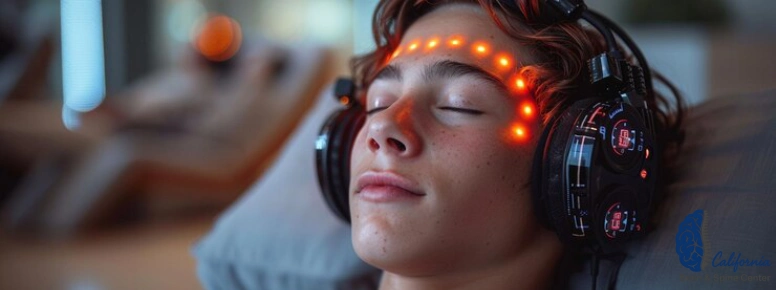
Visual and Sound Triggers for Dizziness
You’re standing in a bright supermarket aisle, or scrolling a fast-moving feed, or a siren blares nearby and suddenly the room feels like it shifts. If you’ve been wondering why ordinary sights and sounds can tip your balance, you’re not alone. As a neurologist, I meet people every week who are strong, capable, and yet sidelined by Visual and Sound Triggers for Dizziness in places that should feel simple grocery stores, malls, busy streets, concerts, even open-plan offices. The hopeful truth is this: your nervous system can be retrained. With clear steps and steady practice, most patients see their sensitivity drop and their confidence rise.
What Your Brain Is Trying to Do (and Why It Sometimes Overheats)
Your brain keeps you upright by blending three data streams: inner-ear vestibular signals (motion and head position), visual input (what your eyes see), and proprioception (feedback from muscles and joints). When these streams agree, balance feels effortless. When they disagree or when one stream dominates too loudly your brain spends extra energy reconciling the mismatch. That mismatch is the fertile ground for Visual and Sound Triggers for Dizziness.
-
Visual overload happens with high-contrast patterns, fast motion, flicker, or densely packed scenes (think supermarket shelves, escalators, busy train stations).
-
Auditory overload isn’t just about volume; certain frequencies, sudden onsets, and sound moving around you (sirens, PA announcements, bass-heavy music) can activate reflex loops connecting the ears, neck muscles, and balance centers.
When your system is already sensitized from migraine biology, a past vestibular event, concussion, anxiety circuits, or simple over-fatigue Visual and Sound Triggers for Dizziness can flip on more easily. The plan below lowers background sensitivity and builds your tolerance safely and predictably.
Quick Red-Flag Check (Read This Once)

Seek urgent care if dizziness appears with any of the following: one-sided weakness, slurred speech, new double vision, severe sudden headache, chest pain, fainting, or new hearing loss. For ongoing patterns without red flags, the strategies below are appropriate starting steps.
Why Visual Triggers Hit So Hard
Your visual system loves stable, slow scenes. In real life, modern environments often do the opposite:
-
Striped floors, checker walls, glass stair rails, moving LED panels create powerful optokinetic stimulation.
-
Screens at eye level or above send a bold “it’s daytime” signal to arousal systems, increasing alertness just when you need calm.
-
Fast camera motion in videos or first-person games can produce a “moving while still” conflict prime fuel for Visual and Sound Triggers for Dizziness.
The fix isn’t hiding from visuals but retraining exposure and adjusting the environment so your brain feels safe again.
Why Sound Triggers Are Real Even If Your Hearing “Tests Normal”
In many people, loudness isn’t the only factor. Certain frequencies or sudden onsets recruit reflexes that change neck muscle tone and eye movement patterns. If you’ve felt a wave of disequilibrium right after a siren, clattering dishes, or sudden bass notes, you’ve experienced how Visual and Sound Triggers for Dizziness can be driven by acoustics. The solution is predictable, graded sound exposure, not total avoidance.
If bright lights, screen glare, or certain patterns make your dizziness spike, you are likely dealing with more than a simple inner ear problem. These symptoms often reflect sensory overload in brain regions that process vision and sound. Many patients also report that light feels physically painful or that they squint even in normal indoor settings. Our article on light sensitivity and photophobia dives deeper into why the visual system becomes so reactive and how targeted rehab can help you tolerate everyday environments again.
Conditions That Often Travel With Sensitivity

-
Vestibular migraine: even between headaches, visual motion and sound can feel like “too much.”
-
PPPD (Persistent Postural-Perceptual Dizziness): a common, treatable pattern where persistent rocking/lightheaded sensations amplify with busy environments.
-
Post-concussion syndrome: visual motion and crowded soundscapes are frequent culprits.
-
Neck-related dizziness and deconditioning: stiff neck input plus low baseline fitness can magnify imbalance in noisy, high-motion settings.
Whatever the label, the practical plan for Visual and Sound Triggers for Dizziness looks remarkably similar: calm the system, rebuild exposure gradually, and strengthen the cues that stabilize you.
12 Proven Fixes (That Patients Actually Use)
These steps come from neuroscience, vestibular rehabilitation principles, and clinical practice. You do not need to master them all at once. Pick two or three, practice for a week, and add more as your confidence grows.
1) Anchor your day with two “stability cues”
Begin and end the day with the same pair of rituals (e.g., 10-minute morning walk and 10-minute evening wind-down). Predictability calms arousal systems and lowers baseline sensitivity to Visual and Sound Triggers for Dizziness.
2) Move screens down and soften the light
Keep screens at or below eye level to reduce visual drive. Use warmer color temperatures and reduce contrast at night. Many patients report fewer flare-ups of Visual and Sound Triggers for Dizziness after this small ergonomic shift.
3) Train the vestibulo-ocular reflex (VOR x1)
Hold a letter at arm’s length. Keep eyes on the letter while gently turning your head side-to-side (small range) for 30 seconds. Start seated. If symptoms rise to 3/10, pause; when they drop to 1/10, repeat. This simple drill builds the stabilization reflex that helps when environments get busy.
4) Add “optokinetic sips,” not gulps
Watch a 30–45 second clip with gentle side-to-side motion once or twice daily, stopping before symptoms spike. Over days, increase duration. This graded exposure is the anti-avoidance medicine for Visual and Sound Triggers for Dizziness.
5) Sound ladder: predictable, gentle, repeatable
Choose a neutral audio (soft rainfall, low-volume café hum). Play it so softly you barely notice. Sit, breathe slowly (4-second inhale, 6-second exhale) for 2 minutes. Increase volume one notch each day. This desensitization teaches your system that sound isn’t a threat fading Visual and Sound Triggers for Dizziness that ride on acoustic startle.
6) Use “visual brakes” in busy spaces
When a store or station floods you, briefly look down to a still object (your basket, a solid-colored floor tile) and exhale long and slow. Then resume. These micro-breaks prevent escalation.
7) Make posture an ally
Relax the jaw and drop the shoulders; unlock the knees. Rigid “bracing” increases sway. A soft, athletic stance gives your reflexes room to work when Visual and Sound Triggers for Dizziness appear.
8) Hydration, salt rhythm, and steady fueling
Under-fueling or dehydration can magnify lightheadedness. Aim for regular meals and a steady fluid intake across the day. Many sensitivities feel louder when your metabolic state is wobbly; stabilizing it lowers episodes tied to Visual and Sound Triggers for Dizziness.
9) Tame the breathing pattern
Fast, upper-chest breaths tell your brain the world is dangerous. Practice 5 minutes of slower nasal breathing daily. When symptoms start, do six rounds of 4/6 breathing. It’s a body switch that turns down alarm signals.
10) Smart wearables and environmental tweaks
-
Glare management: matte screen protectors, adjustable blinds, hats with a brim outdoors.
-
Gentle filters: some patients prefer a rose/amber tint in visually harsh places.
-
Sound control: musician’s earplugs can lower intensity without muting the world, preserving normal sound processing and helping you train through Visual and Sound Triggers for Dizziness instead of avoiding them.
11) The 10% rule for exposure
Increase time in challenging spaces by about 10% each week slow enough for your brain to learn “safe,” fast enough to earn confidence. If a day backfires, return to the last easy step and resume.
12) Keep a two-column trigger diary
Column A: situation (place, light, sound, time of day). Column B: action taken (visual brake, breathing, VOR drill) and outcome (0–10). In two weeks, patterns reveal themselves and you’ll see which tools silence Visual and Sound Triggers for Dizziness fastest.
Everyday Scenarios and How to Navigate Them
-
Supermarkets: Go during off-peak hours at first. Use a basket, not a cart (less moving visual field). Take one “visual brake” per aisle.
-
Public transit: Stand where motion is predictable (near the middle of a train car). Look toward a stable point in the distance when accelerating.
-
Open-plan offices: Angle your monitor slightly downward, reduce peripheral motion (a plant or small partition helps), and use low-level consistent background sound.
-
Gyms: Start with machines that face a wall, not mirrors or TV banks. Build tolerance before adding group classes with loud music.
These are gentle, realistic steps that shrink Visual and Sound Triggers for Dizziness without shrinking your life.
When sensory triggers are this strong, you need more than generic balance exercises. Our neurosensory integration program focuses on retraining how your brain processes visual, auditory, and body information so that sights and sounds feel less threatening, paving the way for steadier balance and calmer emotions.
A 14-Day Reset Plan
Days 1–3
-
Morning 10-minute walk outdoors.
-
Move screens below eye level; reduce evening brightness.
-
Start the two-column diary.
-
VOR x1: 2 sets daily, seated.
Days 4–6
-
Add optokinetic sips (30 seconds, 1–2 times/day).
-
Begin sound ladder at whisper volume.
-
Practice 4/6 breathing twice daily.
Days 7–10
-
Visit a mildly busy store during quiet hours; plan 2–3 visual brakes.
-
Increase optokinetic clip to 45–60 seconds if symptoms stay ≤3/10.
-
Progress sound ladder one notch.
Days 11–14
-
Add a second real-world challenge (short train ride, brief mall visit).
-
VOR x1 standing for 30 seconds if seated is easy.
-
Review diary patterns and set your next 10% increase.
Most patients report better “brain steadiness” by the end of week two shorter symptom bursts and easier recovery when Visual and Sound Triggers for Dizziness pop up.
Motivation from Your Neurologist

You haven’t failed because a store or a siren rattled you. Your system is doing its best with the inputs it’s given. Each small practice session is a vote for a steadier future: one clip, one trip, one calm breath at a time. Confidence grows in layers, and you’re already laying them down.
When to Seek Personalized Care
-
Dizziness persists despite two to four weeks of steady practice
-
Episodes include new hearing changes, severe headaches, or neurological symptoms
-
You’ve had a recent concussion or a suspected inner-ear event
-
Anxiety or low mood are rising alongside symptoms
Custom coaching and targeted therapy can accelerate your progress and refine your plan.
If you’re ready for a tailored plan that quiets Visual and Sound Triggers for Dizziness, our neurology-led team can evaluate your pattern, guide graded exposure, and coordinate non-surgical therapies that rebuild your stability in real life. Start here: https://californiabrainspine.com/. Our experts will work with you to solve the problem at its root so you can move, shop, travel, and work without being held back.
Summary
Visual and Sound Triggers for Dizziness arise when sensory streams overload or conflict especially in modern, high-motion, high-noise environments. You can retrain this sensitivity. Anchor your day with predictable routines, shift screens and lighting, practice VOR x1 and optokinetic sips, use a sound ladder, breathe slower, and keep a two-column diary to spot wins. Apply “visual brakes” in real-world spaces and follow the 10% rule for exposure. If patterns persist or red flags appear, seek personalized care. With steady practice and smart adjustments, Visual and Sound Triggers for Dizziness lose their grip and life opens up again.
Frequently Asked Questions
1) Are Visual and Sound Triggers for Dizziness “just anxiety”?
Anxiety can amplify sensations, but the triggers are real sensory loads. Treat both sides: reduce overload and calm the alarm system with breathing and predictability. Many patients improve without any formal anxiety diagnosis.
2) Should I avoid busy stores and loud places until I’m “better”?
Total avoidance teaches your brain that these places are dangerous. Graded exposure short, controlled visits with planned micro-breaks reduces sensitivity to Visual and Sound Triggers for Dizziness far more effectively.
3) Do I need special glasses or earplugs?
Some people benefit from glare reduction and musician’s earplugs that lower intensity while preserving sound quality. They’re tools, not cures. Pair them with training so your brain learns to downshift even without gear.
4) What’s the difference between vertigo and non-spinning dizziness?
Vertigo feels like spinning or strong motion. Non-spinning dizziness can be lightheadedness, swaying, or “swimmy” vision. Visual and Sound Triggers for Dizziness can drive either pattern depending on your biology and context.
5) How long until I notice progress?
Many notice smaller spikes and faster recovery within 10–14 days of steady practice. Full desensitization usually unfolds over weeks to a few months, following the 10% rule.
6) Can I exercise safely?
Yes movement is medicine. Start with steady, predictable activities (walking, cycling) and avoid rapid head turns until VOR drills feel easy. Exercise lowers overall sensitivity to Visual and Sound Triggers for Dizziness.
7) Do screens always make symptoms worse?
Not always. Screen position and brightness are key. Lower the screen, soften light, and take timed breaks. Use small doses of motion content to train, not trigger.
8) Is this forever?
No. Sensitivity changes with training. Even if symptoms return during stress or illness, your skills will bring you back to baseline faster.
9) What if my ears feel full or I notice sound sensitivity with headaches?
That cluster can fit migraine biology. The same graded visual/sound exposure works; discuss migraine management with your clinician to boost progress against Visual and Sound Triggers for Dizziness.
10) When should I get evaluated?
If you have red flags, new neurological symptoms, hearing changes, or minimal progress after a month of practice, get a personalized assessment to adjust the plan.
👨⚕️ Alireza Chizari, MSc, DC, DACNB
🧠 Clinical Focus
🔬 Assessment & Treatment Approach
Objective testing may include:
Treatment programs may involve:
📍 Clinic Information
✅ Medical Review
⚠️ Disclaimer