Vestibular Rehab for Older Adults with Balance Problems: A Safe Path Toward Stability and Confidence
Balance problems can be frightening, especially for older adults who want to remain independent and active. I often meet patients who feel uncertain when walking, dizzy when standing, or worried about falling. These symptoms can slowly reduce confidence and limit everyday activities.
I, Dr. Alireza Chizari, DC, DACNB, work with many individuals facing these challenges. At California Brain & Spine Center in Calabasas, we frequently help patients explore whether Vestibular Rehab for Older Adults with Balance Problems may support their recovery and stability. The goal is not just reducing dizziness. It is helping people move through life with greater safety and confidence.
On this page, I will explain how vestibular rehabilitation works, why balance problems often appear with aging, and how a personalized neurological approach may help restore coordination and stability.
Speak With Our Team About Balance Concerns
If dizziness or instability is affecting daily life, a personalized neurological evaluation may help identify the cause and explore treatment options such as vestibular rehabilitation.
Why Balance Problems Become More Common With Age
Balance is controlled by a complex network involving the inner ear, brain, eyes, muscles, and nervous system. When even one part of this system becomes less efficient, the brain may struggle to maintain orientation and stability.
In older adults, several factors may contribute to instability:
- Changes in the vestibular system of the inner ear
- Reduced sensory feedback from muscles and joints
- Neurological conditions affecting coordination
- Past concussions or mild traumatic brain injuries
- Visual disturbances that affect spatial awareness
Because these systems interact, the solution often requires more than simple exercises. Vestibular rehab for older adults with balance problems focuses on retraining how the brain processes motion, position, and visual input.
“Regaining balance is not just physical. It restores independence, confidence, and the freedom to move through life again.”
How Vestibular Rehab for Older Adults with Balance Problems Works
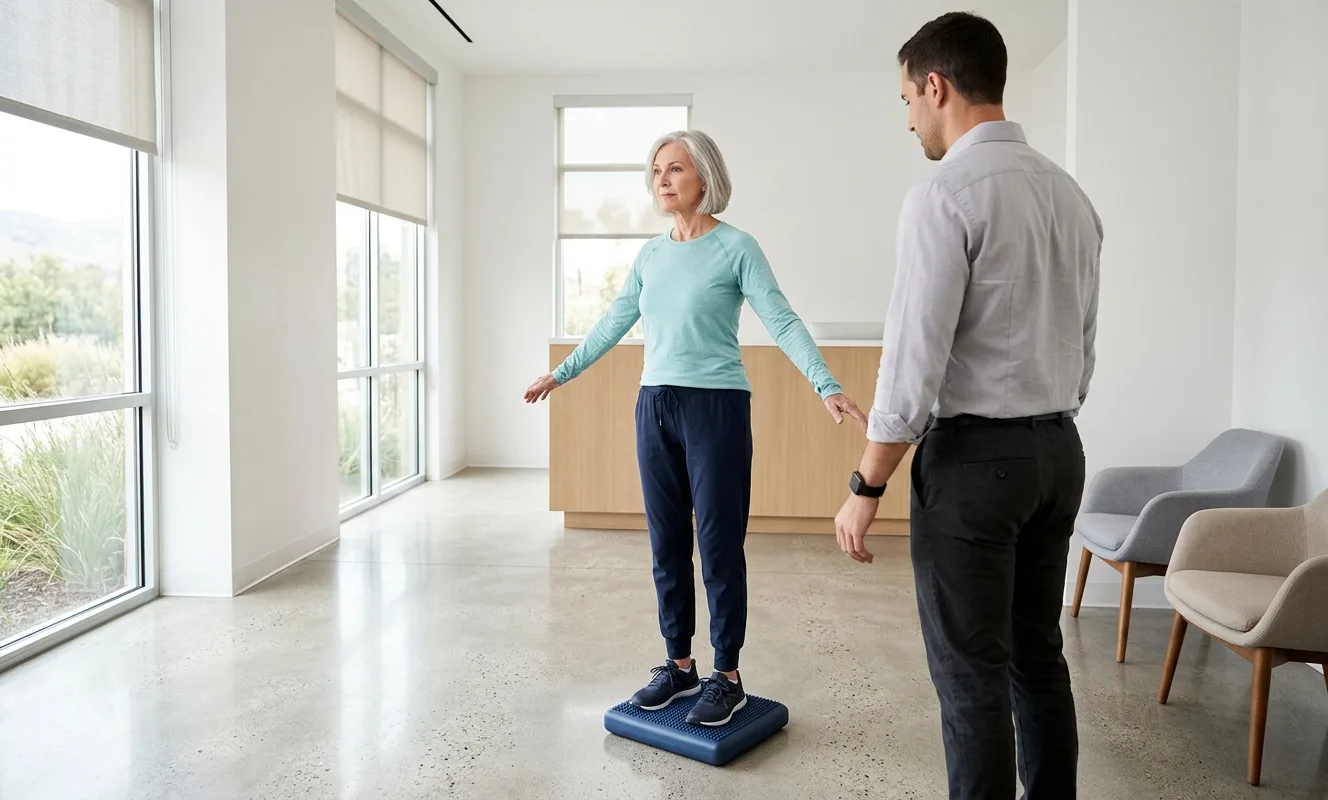
Vestibular rehabilitation is a specialized therapy that helps the brain adapt and reorganize. Through targeted movements and neurological stimulation, the brain gradually learns to interpret signals from the inner ear, eyes, and body more effectively.
Key Goals of Vestibular Rehabilitation
- ✅ Improve balance and walking stability
- ✅ Reduce dizziness and motion sensitivity
- ✅ Enhance coordination between vision and inner ear signals
- ✅ Strengthen the brain’s ability to adapt through neuroplasticity
Symptoms That May Improve With Vestibular Rehab
| Common Symptom | How Vestibular Rehab May Help |
|---|---|
| Frequent dizziness | Exercises train the brain to adapt to motion signals |
| Unsteady walking | Balance training strengthens coordination and posture |
| Visual instability | Eye movement exercises improve visual stabilization |
| Fear of falling | Gradual training helps restore confidence in movement |
“Progress often begins with small steps, but those steps can lead to a much steadier life.”
A Neurological Approach at California Brain & Spine Center
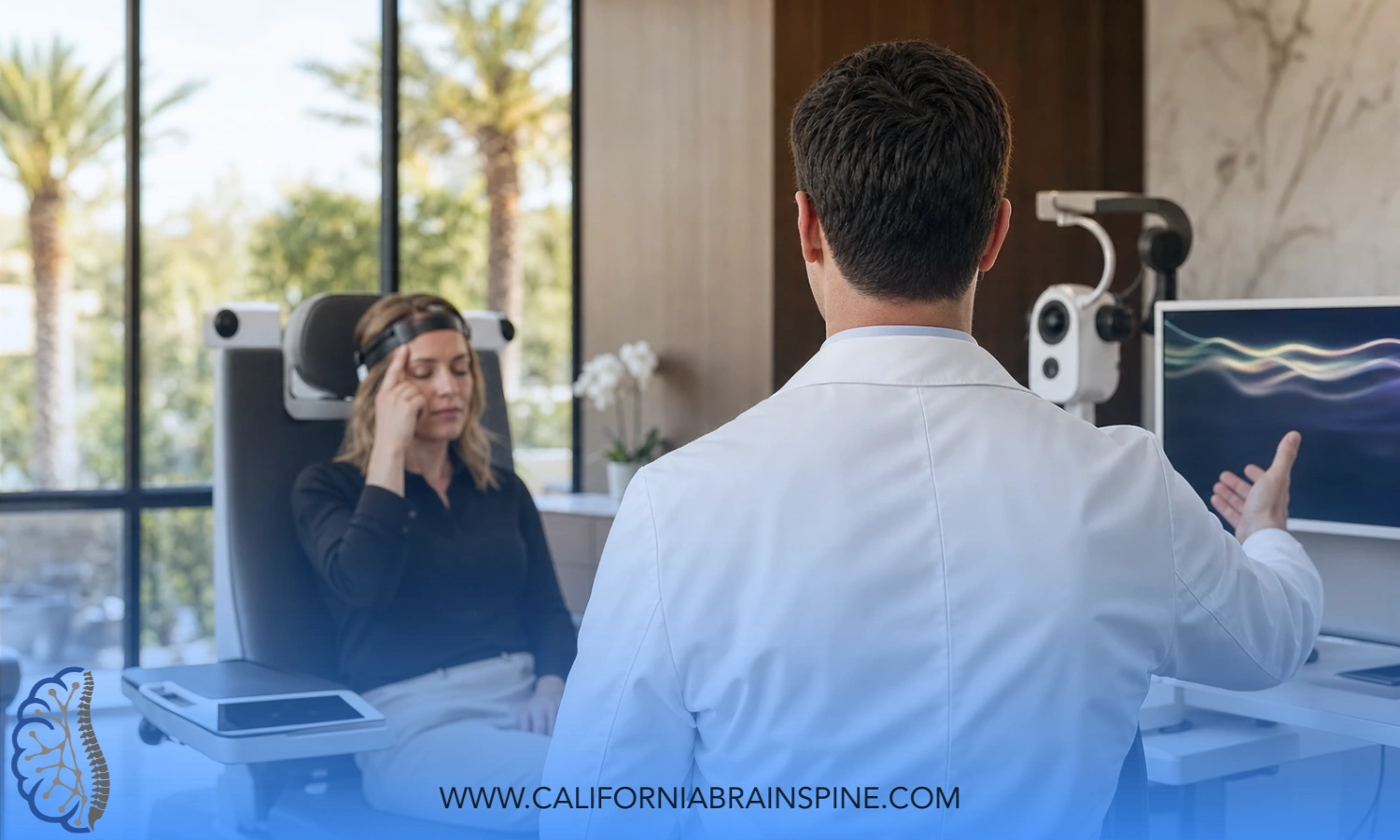
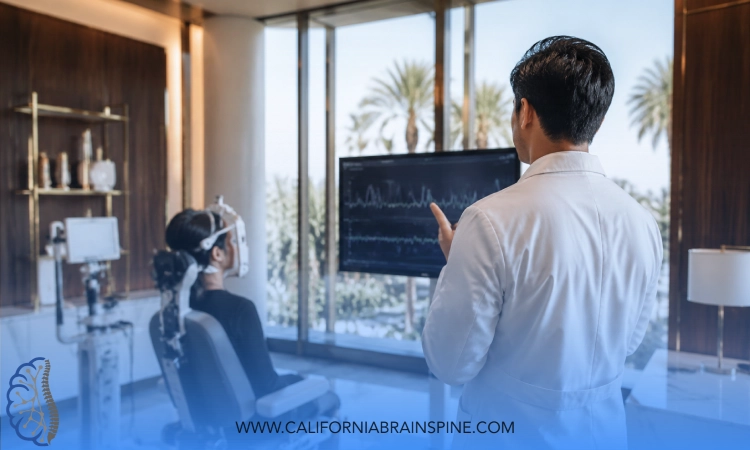
At California Brain & Spine Center, vestibular rehab for older adults with balance problems is not approached as a generic exercise program. Each patient undergoes a detailed neurological and vestibular evaluation to identify which systems may be contributing to dizziness or instability.
Advanced Assessment May Include
- Vestibular and balance testing
- Eye movement and visual tracking evaluation
- Neurological coordination assessments
- Postural stability measurements
Based on these findings, a personalized care plan may incorporate vestibular rehabilitation, neuroplasticity rehabilitation, cognitive training, and when clinically appropriate, supportive therapies such as Low Level Laser Therapy, PEMF therapy, or vagus nerve stimulation.
The Patient Journey Toward Better Balance
🧠 Comprehensive Evaluation
Detailed neurological and vestibular assessment to identify root causes.
📋 Personalized Plan
Therapies tailored to each patient’s brain and balance system.
⚖️ Targeted Rehabilitation
Vestibular rehab and neurological training designed to improve stability.
✨ Progress Tracking
Ongoing monitoring to support improvement and long term function.
“Every patient deserves a clear path forward, not just temporary symptom relief.”
Safety Considerations for Older Adults with Dizziness
Important Safety Note:If balance problems appear suddenly, worsen rapidly, or are accompanied by severe headaches, vision loss, numbness, or difficulty speaking, urgent medical evaluation may be necessary. Vestibular rehabilitation should always follow a proper clinical assessment.
A Patient Story from My Clinic
Some time ago, a patient named Margaret visited my clinic. She was in her early seventies and had gradually stopped going on her daily walks because she felt unsteady. The fear of falling had become more limiting than the dizziness itself.
During her evaluation at California Brain & Spine Center, we discovered signs of vestibular dysfunction combined with visual coordination challenges. We began a structured program that included vestibular rehab for older adults with balance problems along with neuroplasticity-based training.
Over time, Margaret began to feel steadier when walking. She gradually returned to short neighborhood walks. Her progress was not instant and it required patience, but the change in her confidence was meaningful.
Take the First Step Toward Better Balance
If dizziness or instability is affecting daily activities, a personalized vestibular and neurological evaluation may help identify the underlying cause.
Your Most Common Questions About Vestibular Rehab for Older Adults with Balance Problems
Is vestibular rehab safe for seniors?
Yes. When guided by trained professionals, vestibular rehab for older adults with balance problems is designed to be safe and gradual. Exercises are customized according to each patient’s health status and neurological findings.
How long does vestibular rehabilitation take?
Every patient is different. Some individuals notice improvements within weeks, while others require longer structured rehabilitation depending on the cause of their balance disorder.
Can vestibular rehab help prevent falls?
Vestibular rehabilitation may improve balance, coordination, and spatial awareness. These improvements can reduce instability and may help lower fall risk when combined with proper medical care and lifestyle adjustments.
Do I need a neurological evaluation before starting therapy?
Yes. A detailed evaluation is essential. Identifying the specific cause of dizziness allows clinicians to design the most appropriate vestibular rehabilitation plan.
Who should consider vestibular rehab for older adults with balance problems?
Individuals experiencing dizziness, frequent imbalance, unsteady walking, or persistent motion sensitivity may benefit from evaluation for vestibular rehabilitation.
Conclusion
Balance problems can slowly take away independence and confidence, but they are not something you have to simply accept as part of aging. I, Dr. Alireza Chizari, DC, DACNB, believe that careful evaluation and targeted neurological rehabilitation can help many individuals move toward greater stability and quality of life.
If you or a loved one are experiencing dizziness or instability, I invite you to contact California Brain & Spine Center in Calabasas. Together we can explore whether vestibular rehab for older adults with balance problems may be an appropriate step toward better function and renewed confidence.

Dr. Alireza Chizari
This article has been medically reviewed for clinical accuracy by Dr. Alireza Chizari, DC, DACNB. Committed to evidence-based practice, Dr. Chizari ensures all content reflects the highest standards of functional neurology care.
Comments
Find our article more easily in Google.
FAQ
What is Functional Neurology?
Functional Neurology is a healthcare specialty that focuses on assessing and rehabilitating the nervous system’s function. It emphasizes neuroplasticity—the brain’s ability to adapt and reorganize—using non-invasive, evidence-based interventions to improve neurological performance.
How does Functional Neurology differ from traditional neurology?
Traditional neurology often concentrates on diagnosing and treating neurological diseases through medications or surgery. In contrast, Functional Neurology aims to optimize the nervous system’s function by identifying and addressing dysfunctions through personalized, non-pharmaceutical interventions.
Is Functional Neurology a replacement for traditional medical care?
No. Functional Neurology is intended to complement, not replace, traditional medical care. Practitioners often collaborate with medical professionals to provide comprehensive care.
What conditions can Functional Neurology help manage?
Functional Neurology has been applied to various conditions, including:
• Concussions and Post-Concussion Syndrome
• Traumatic Brain Injuries (TBI)
• Vestibular Disorders
• Migraines and Headaches
• Neurodevelopmental Disorders (e.g., ADHD, Autism)
• Movement Disorders
• Dysautonomia
• Peripheral Neuropathy
• Functional Neurological Disorder (FND)
Can Functional Neurology assist with neurodegenerative diseases?
While Functional Neurology does not cure neurodegenerative diseases, it can help manage symptoms and improve quality of life by optimizing the function of existing neural pathways.
What diagnostic methods are used in Functional Neurology?
Functional Neurologists employ various assessments, including:
• Videonystagmography (VNG)
• Computerized Posturography
• Oculomotor Testing
• Vestibular Function Tests
• Neurocognitive Evaluations
How is a patient’s progress monitored?
Progress is tracked through repeated assessments, patient-reported outcomes, and objective measures such as balance tests, eye movement tracking, and cognitive performance evaluations.
What therapies are commonly used in Functional Neurology?
Interventions may include:
- Vestibular Rehabilitation
- Oculomotor Exercises
- Sensorimotor Integration
- Cognitive Training
- Balance and Coordination Exercises
- Nutritional Counseling
- Lifestyle Modifications
Are these therapies personalized?
Absolutely. Treatment plans are tailored to the individual’s specific neurological findings, symptoms, and functional goals.
Who can benefit from Functional Neurology?
Individuals with unresolved neurological symptoms, those seeking non-pharmaceutical interventions, or patients aiming to optimize brain function can benefit from Functional Neurology.
Is Functional Neurology suitable for children?
Yes. Children with developmental delays, learning difficulties, or neurodevelopmental disorders may benefit from Functional Neurology approaches.
How does Functional Neurology complement other medical treatments?
It can serve as an adjunct to traditional medical care, enhancing outcomes by addressing functional aspects of the nervous system that may not be targeted by conventional treatments.
How is technology integrated into Functional Neurology?
Technological tools such as virtual reality, neurofeedback, and advanced diagnostic equipment are increasingly used to assess and enhance neurological function.
What is the role of research in Functional Neurology?
Ongoing research continues to refine assessment techniques, therapeutic interventions, and our understanding of neuroplasticity, contributing to the evolution of Functional Neurology practices.