
Memory loss is sorted two ways: by timing, sudden or gradual, and by which memory system is struggling, short-term, working or long-term.
Memory is several systems working together, so there are several types of memory loss, and they do not all carry the same weight. A name that comes back later on its own, with no hints, is probably not true memory loss. Sudden memory loss is a different matter and always needs medical attention.
You walk into the kitchen and the reason you went in has already gone. A colleague's name you have known for years sits just out of reach in the middle of a meeting. You read the same email again and again because nothing seems to stick. When lapses like these start to pile up, the question I hear most often in my Calabasas office is whether this is the start of something serious.
I am Dr. Alireza Chizari, DC, DACNB, a board-certified chiropractic neurologist and the founder of California Brain & Spine Center in Calabasas, where I practice functional neurology. Before that I trained as an electrical engineer, and I still approach the nervous system the way an engineer approaches any system: find out which part is under strain before deciding what is wrong with it.
This guide explains how memory is organized, the types of memory loss clinicians usually describe, which common contributors can be checked, and where my part in this begins and ends. I do not diagnose dementia, mild cognitive impairment or Alzheimer's disease. When a pattern points toward steady decline, the right first stop is your primary care provider or medical neurology, and I will tell you that directly.
Key takeaway
Short-term, working and long-term memory each do a different job. Slowed recall that comes back with time and without hints is probably not true memory loss. Sleep, stress, low mood, some medicines, low B12, thyroid problems and concussion can all affect memory. Sudden memory loss always needs medical attention; gradual decline belongs with your primary care provider.
What are the types of memory loss?
Usually, the types of memory loss are described two ways. By timing, memory loss is acute, meaning sudden and often called amnesia, or progressive, developing gradually and sometimes associated with degenerative brain disease. By system, a problem may sit in short-term, working or long-term memory. Slowed recall that returns without hints is probably not true memory loss.
Those two ways of sorting answer different questions. Timing tells you how urgently to act. The memory system tells you what is actually struggling, which matters when you are trying to work out what might be contributing.
Acute memory loss
Acute memory loss, commonly known as amnesia, is memory loss that usually follows a sudden illness, injury or other event that disrupts how memory works. According to the Cleveland Clinic's overview of memory loss, amnesia always needs medical attention, because it can be a symptom of a stroke, an aneurysm or another severe brain condition. The safety section further down spells out what to watch for and where to go.
Progressive memory loss
Progressive memory loss develops gradually, and it is sometimes associated with a degenerative brain disease. The same overview separates it from slowed recall: if something comes back with enough time and without hints, it is probably not true memory loss. Signs of memory that keeps getting worse are a reason to see a healthcare provider, usually your primary care provider first, with medical neurology involved where needed. Of the types of memory loss, this is the one functional neurology does not diagnose, and the practice refers it on rather than guessing at it.
If you want a way to notice and write down changes before that appointment, the guide to the early signs of memory loss in adults covers keeping track of what you see.

Which kinds of memory does your brain use every day?
Sorting the types of memory loss by system starts with the systems themselves. Researchers at the University of Queensland describe memory as several stores with different jobs, and it helps to know which one a lapse belongs to before worrying about what it means.
Short-term memory
Short-term memory lets the brain hold a small amount of information for a short time. When people hold information this way, such as the location of a flash of light, the prefrontal cortex at the front of the brain becomes active. It is the store you lean on when you keep a parking level in mind on the walk to the elevator.
Working memory
Working memory holds information in mind, sometimes for only seconds, while the brain does something else with it. Keeping a number in your head while you dial it is the textbook example. It is also the store under pressure when you are cooking, answering a text and listening to someone at the same time.
Long-term memory
Long-term memory is commonly divided into explicit and implicit memory. Explicit memory covers episodic memory, the events of your own life, and semantic memory, facts and general knowledge. Implicit memory includes procedural memory for learned motor skills, such as riding a bike or typing on a keyboard.
The hippocampus, a small structure deep inside the brain, is involved in holding some memories temporarily before they move into longer-term storage in the neocortex, the brain's wrinkled outer layer. Because different brain regions support different kinds of memory, clinicians ask which kind of memory is affected instead of asking only whether memory is poor.

Is it memory loss or forgetfulness?
If you have typed memory loss vs forgetfulness into a search bar late at night, you are asking a sensible question, and a few sourced points help answer it.
Slowed recall and memory loss are different things. If a word or a name comes back given enough time and without hints, it is probably not true memory loss. Tiredness and poor sleep quality can cause trouble remembering things. Stress, anxiety or depression can also make a person more forgetful. Alzheimer's Los Angeles notes that this kind of forgetfulness can be mistaken for dementia, which is one reason a worried guess at home is a poor substitute for a proper look.
A useful question to ask yourself
When a lapse happens, notice whether the memory came back later on its own. A name that returns with time and no hints points toward slowed recall. Information that never returns, or gaps that keep widening, is worth raising with a healthcare provider.
Want a clearer picture of what is affecting your memory?
A complimentary consultation is a chance to talk through what you are noticing, what may be contributing, and whether an evaluation here or a referral elsewhere makes more sense.
What causes the different types of memory loss?
Several contributors to memory problems can be asked about, tracked or tested, and they are worth ruling in or out before anyone draws larger conclusions.
Sleep and tiredness
Trouble remembering things can happen when you are tired or your sleep quality is poor. For someone working long days on short nights, this is a sensible first thing to look at, because it can be asked about and tracked.
Stress, anxiety and low mood
Stress, anxiety or depression can make a person more forgetful, and that forgetfulness can be mistaken for dementia. Asking about mood is part of looking at the whole picture, and it takes your symptoms seriously.
Medicines and alcohol
The MedlinePlus entry on memory loss from the U.S. National Library of Medicine lists alcohol, some prescription medicines, and overuse of medicines such as opioids or hypnotics (sleeping pills and other sedating medicines) among the possible causes. If memory changes began around a new prescription, raise it with the clinician who prescribed it rather than changing the medicine on your own.
Vitamins and thyroid
The same source lists low vitamin B1 or B12 as possible causes, and notes that blood tests may check for suspected causes such as low B12 or thyroid disease. Those tests are usually arranged through your primary care provider, and coordinating with primary care is part of how the practice works.
Can a concussion cause memory problems?
It can. The CDC's HEADS UP program lists problems with short- or long-term memory and feeling slowed down among the recognized symptoms of concussion, and MedlinePlus lists concussion or other head injury among the possible causes of memory loss. That is why any past head injury is worth mentioning to whoever evaluates your memory problems after concussion.
Of all the types of memory loss, the kind that can follow a head injury is where this practice's own work sits. After a detailed evaluation, and when clinically appropriate, care for post-concussion symptoms may include neurological rehabilitation aimed at the memory problems and slowed-down feeling that can come with them.
Dizziness and balance problems belong to a separate system with its own evaluation. If they are part of your picture, the article on vestibular dysfunction covers that side.
How do the types of memory loss compare?
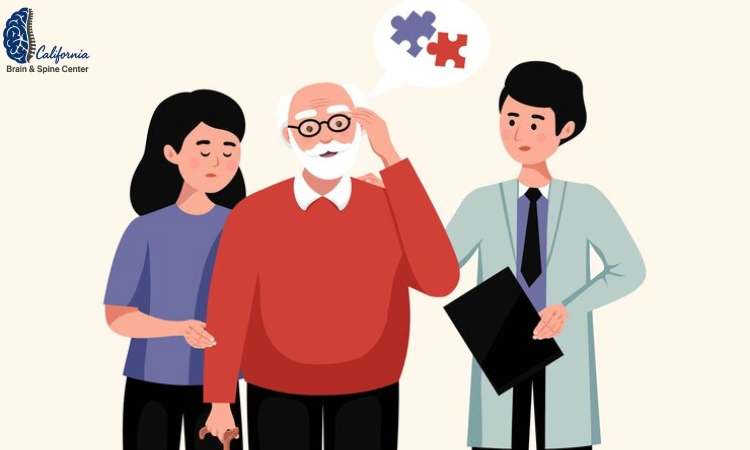
The table sets the types of memory loss and common lapses side by side. Use it to organize what you are noticing; it does not replace an evaluation.
| Typical presentation | Patterns that suggest something more | What the evaluation looks at |
|---|---|---|
| A name or word that comes back later, with no hints | Things that do not come back with time, or gaps that keep widening | Whether this is slowed recall or true memory loss |
| Trouble remembering things when tired or sleeping poorly | Memory trouble that keeps getting worse, whatever your sleep is like | Sleep quality and tiredness |
| More forgetful during stress, anxiety or low mood | Forgetfulness that others have started to read as dementia | Mood and stress, alongside memory itself |
| Memory changes around a new prescription or alcohol use | Overuse of medicines such as opioids or hypnotics | A medication and alcohol history, shared with the prescribing clinician |
| Memory changes with a suspected vitamin or thyroid problem | Low vitamin B1 or B12, or thyroid disease, suspected but not yet tested | Blood tests, usually arranged through primary care |
| Memory problems or feeling slowed down after a head injury | Increasing drowsiness, trouble staying awake, or a headache that keeps getting worse: emergency care | Concussion history and post-concussion symptoms |
When memory loss is an emergency
If symptoms come on suddenly or severely - a sudden severe headache, weakness, trouble speaking, vision loss, or fainting - that is an emergency. Call 911 or go to an emergency room, not a clinic appointment.
Sudden memory loss belongs in the same category, because it can be a symptom of a stroke, an aneurysm or another severe brain condition. After a head injury, the CDC lists danger signs that need emergency care, including loss of consciousness with increasing drowsiness or an inability to stay awake, and a headache that gets worse and does not go away.
What does a memory evaluation in Calabasas look at?
When someone comes to see me about memory, I start with the question this article is built on: which system is struggling, and what might be putting it under load. In the neurodiagnostic assessment that means a detailed history of sleep, mood, stress, medicines, alcohol and any head injury, a neurological examination, and a careful look at whether the pattern is sudden, gradual or slowed recall. The types of memory loss described above give us a shared vocabulary for that conversation.

Where the findings fit what the practice treats, memory loss treatment here may include neurological rehabilitation when clinically appropriate after evaluation, planned around the pattern the assessment found.
Where they do not, I say so. Gradual decline goes to your primary care provider and medical neurology, suspected vitamin or thyroid problems go to the tests that can check for them, and a sudden new change goes to emergency care. Working alongside those clinicians is part of the job.
People come to the Calabasas office from across the West Valley and the 101 corridor, including Woodland Hills, often after a long stretch of holding everything together at work while quietly wondering whether something is slipping.
Questions people ask about the types of memory loss
Is short-term memory loss the same as forgetfulness?
Not always. Short-term memory holds a small amount of information for a short time, and a slip there feels like forgetting. When sorting the types of memory loss, slowed recall is set aside: if something returns with enough time and without hints, it is probably not true memory loss. New or widening gaps deserve a healthcare provider's attention.
Can working memory problems come from stress or poor sleep?
They can contribute. Working memory holds information in mind while the brain does something else with it. Tiredness and poor sleep quality can cause trouble remembering things. Stress, anxiety or depression can also make a person more forgetful. That is why sleep and mood are asked about early, before bigger conclusions are drawn.
Where can memory problems after a concussion be evaluated near Calabasas?
At California Brain & Spine Center in Calabasas, post-concussion symptoms are one of the practice's focus areas. The CDC lists problems with short- or long-term memory among concussion symptoms, and the types of memory loss that follow a head injury are part of the neurodiagnostic assessment. Worsening drowsiness or headache after a head injury needs emergency care first.
Does functional neurology diagnose dementia?
No. Dr. Chizari does not diagnose dementia, mild cognitive impairment or Alzheimer's disease. Progressive memory loss develops gradually and is sometimes associated with a degenerative brain disease, so signs of worsening memory belong with your primary care provider and medical neurology. Understanding the types of memory loss can help you describe what you notice to them.
Which medicines can affect memory?
MedlinePlus lists some prescription medicines, and overuse of medicines such as opioids or hypnotics, among possible causes of memory loss, along with alcohol. If your memory changed around a new prescription, raise it with the clinician who prescribed it rather than stopping or changing the medicine yourself. Medication decisions sit outside functional neurology's scope.
Memory is several systems, and the types of memory loss do not all mean the same thing. A lapse that comes back later with no hints is a different event from a sudden gap, and both differ from a slow, steady decline. Sleep, stress and mood, medicines, vitamins and thyroid, and head injury can all be looked at, and looking is where a clearer picture starts.
I would rather you came in with a question than sat at home with a worry. At California Brain & Spine Center, the first conversation is about working out which of those paths you are on, including when the right path leads to another clinician.
California Brain & Spine Center | (818) 649-5300 | Calabasas, CA 91302. You can book online at californiabrainspine.janeapp.com.
This content is for educational purposes only and is not medical advice. Consult a qualified healthcare provider about your specific situation.
A calmer way to find out what is affecting your memory
Bring what you have noticed, and we can work out which kind of memory seems affected and what the sensible next step may be, here in Calabasas or with another clinician.