Physical Therapy vs. Vestibular Rehab for Dizziness in California
- Published
- No Comments
- Updated June 12, 2026
Vestibular Rehab vs Physical Therapy for Dizziness in California: Which Approach Is Right for You?
Dizziness can be frustrating, confusing, and sometimes even frightening. Many people across California experience episodes of imbalance, spinning sensations, or lightheadedness and wonder what type of treatment could actually help.
I am Dr. Alireza Chizari, DC, DACNB, and at California Brain & Spine Center in Calabasas, I frequently meet patients who have been told to try physical therapy but later discover that vestibular rehabilitation may be more appropriate for their specific condition.
This article explains the difference between Vestibular Rehab vs Physical Therapy for Dizziness in California, how each approach works, and how a careful neurological evaluation can help determine the most effective path forward.
If you have been struggling with dizziness, balance issues, or lingering symptoms after concussion or neurological stress, this guide will help you understand your options and what steps may help you regain stability and confidence.
| Quick Answer |
|---|
|
Speak With Our Dizziness Specialist
If dizziness or balance problems are affecting your life, a personalized neurological evaluation can help determine whether physical therapy or vestibular rehabilitation is the right approach.
Why Dizziness Treatment Is Often Confusing for Patients
Many patients arrive at our clinic after seeing multiple providers. Some were referred to physical therapy. Others were told their scans looked normal. Yet the dizziness continues.
The reason is simple. Dizziness is not one single condition. It can originate from several systems including the inner ear, visual system, brainstem, neck, autonomic nervous system, or even post-concussion neurological changes.
Because of this complexity, understanding Vestibular Rehab vs Physical Therapy for Dizziness in California becomes very important.
Clarity is often the first step toward recovery. When patients finally understand the source of their dizziness, hope tends to follow.
Physical Therapy for Dizziness: What It Usually Focuses On
Traditional physical therapy can be extremely valuable for many conditions. Physical therapists are experts in restoring mobility, improving strength, and helping the body move more efficiently.
Common Physical Therapy Goals
When dizziness is addressed within general physical therapy, the treatment may focus on:
- ✅ Improving posture and spinal alignment
- ✅ Strengthening muscles that support balance
- ✅ Training coordination and gait stability
- ✅ Addressing neck tension or cervical dysfunction
For individuals whose dizziness is strongly related to neck problems or musculoskeletal instability, these approaches can be very helpful.
However, physical therapy does not always directly target the brain’s vestibular processing centers.
Vestibular Rehabilitation for Dizziness in California
Vestibular rehabilitation is a specialized form of neurological therapy designed specifically for dizziness and balance disorders. Instead of focusing primarily on muscles and joints, it focuses on how the brain interprets motion, balance signals, and visual input.
At California Brain & Spine Center, vestibular rehabilitation is often combined with neurological evaluation to determine which pathways in the brain may be underperforming.
What the Vestibular System Actually Does
The vestibular system lives inside the inner ear and communicates continuously with the brain. It helps your brain understand:
- Head movement
- Body position
- Spatial orientation
- Eye stabilization during motion
When this system is disrupted, the brain receives conflicting information. That conflict can produce dizziness, vertigo, nausea, and balance instability.
Balance is not controlled by a single organ. It is a conversation between the inner ear, eyes, brain, and body.
Conditions Often Treated With Vestibular Rehabilitation
Vestibular therapy may help individuals experiencing:
- Vertigo and spinning sensations
- Post-concussion dizziness
- Balance instability when walking
- Visual motion sensitivity
- Persistent dizziness after head injury
- Vestibular migraine
Patients seeking help with Vestibular Rehab vs Physical Therapy for Dizziness in California often discover that a vestibular-specific approach better addresses the neurological source of their symptoms.
Key Differences Between Physical Therapy and Vestibular Rehabilitation
| Feature | Physical Therapy | Vestibular Rehabilitation |
|---|---|---|
| Primary focus | Muscles, posture, mobility | Inner ear and brain balance pathways |
| Best for | Musculoskeletal imbalance | Vertigo and neurological dizziness |
| Eye movement training | Limited | Core part of therapy |
| Brain adaptation | Indirect | Primary treatment goal |
How Patients Are Evaluated at California Brain & Spine Center
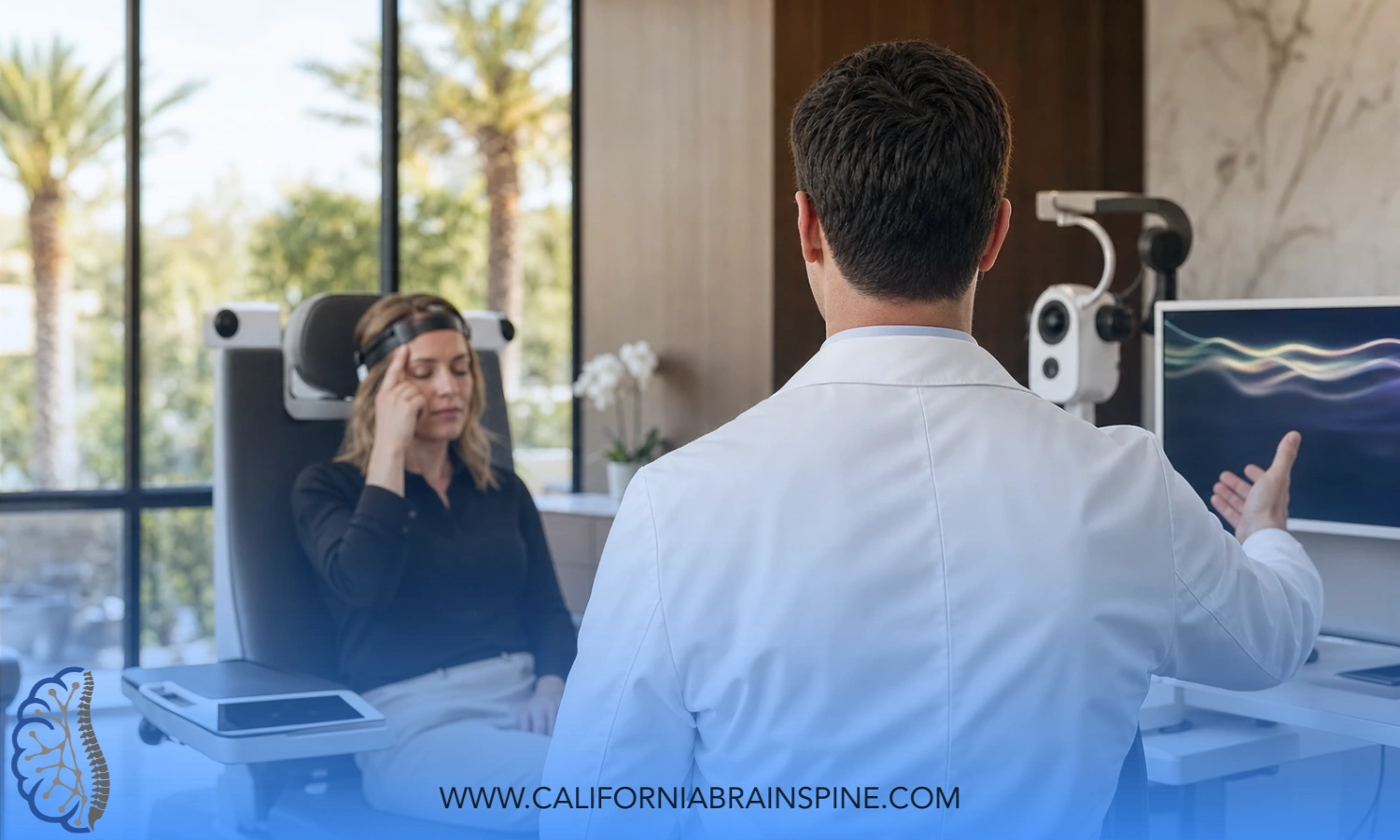
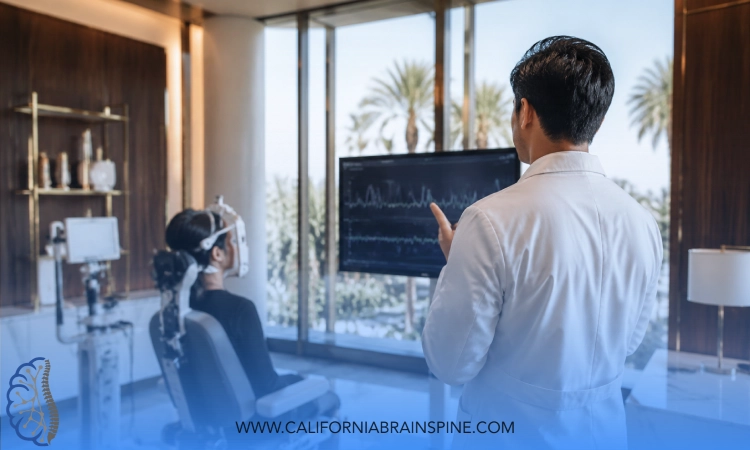
At California Brain & Spine Center in Calabasas, patients are first evaluated through a detailed neurological and vestibular assessment before deciding whether physical therapy, vestibular rehabilitation, or a combination approach is appropriate.
Advanced Evaluation Approach
The clinic evaluates multiple systems involved in balance and brain function:
- 🧠 Vestibular system testing
- Eye movement and visual tracking
- Balance and gait analysis
- Autonomic nervous system regulation
- Post concussion neurological function
Depending on findings, care may include vestibular rehabilitation, cognitive rehabilitation, neuroplasticity training, or supportive therapies such as Low Level Laser Therapy, PEMF, or the NeuroRevive Program.
A precise diagnosis often changes everything. When the correct system is treated, progress becomes possible.
Your Path to Stability: The Treatment Journey
1. Detailed Assessment
Neurological and vestibular testing to understand the root cause of dizziness.
2. Personalized Plan
A therapy program tailored to the specific brain and balance systems involved.
3. Targeted Therapy
Vestibular rehabilitation, neuroplasticity training, or supportive neurological therapies.
4. Progress Tracking
Objective testing ensures the brain and balance systems are improving.
A Real Patient Story
Some time ago, a patient named A. came to see me at California Brain & Spine Center. She had been experiencing dizziness for almost a year after a mild concussion. She had tried general physical therapy, but the symptoms persisted.
During our evaluation, I noticed clear signs of vestibular dysfunction and abnormal eye movement responses. Instead of continuing standard physical therapy alone, we began a structured vestibular rehabilitation program combined with neuroplasticity exercises.
Over time, her brain gradually adapted. Her balance improved, the spinning episodes became less frequent, and she regained confidence walking outside and driving again.
The improvement was not overnight, and results vary from patient to patient. But her case highlights how choosing the correct therapy between Vestibular Rehab vs Physical Therapy for Dizziness in California can make a meaningful difference.
Ready to Understand the Cause of Your Dizziness?
If you are unsure whether physical therapy or vestibular rehabilitation is right for you, a neurological evaluation can help clarify the best next step.
Your Most Common Questions About Vestibular Rehab vs Physical Therapy for Dizziness in California
Is vestibular rehabilitation better than physical therapy for dizziness?
Not always. It depends on the cause of the dizziness. If the issue originates in the vestibular system or brain balance centers, vestibular rehabilitation may be more effective. Musculoskeletal causes may respond well to physical therapy.
How do I know which treatment I need?
A proper neurological and vestibular evaluation is the best starting point. This assessment helps determine which systems are contributing to the dizziness.
How long does vestibular rehabilitation usually take?
Every patient is different. Some people improve within weeks, while others with complex neurological conditions may require longer programs focused on gradual brain adaptation.
Can dizziness after concussion improve with vestibular therapy?
Yes, many post concussion patients benefit from vestibular rehabilitation because concussion frequently affects the brain’s balance and eye movement systems.
Is vestibular rehabilitation safe?
When performed by trained clinicians after a proper evaluation, vestibular rehabilitation is generally considered safe and evidence informed.
Do patients travel from other parts of California?
Yes. California Brain & Spine Center in Calabasas regularly evaluates patients from across Southern California seeking specialized care for persistent dizziness and neurological symptoms.
Conclusion
Dizziness is not a one size fits all condition. Understanding the difference between Vestibular Rehab vs Physical Therapy for Dizziness in California can help patients find the treatment that truly addresses the root cause.
I am Dr. Alireza Chizari, DC, DACNB. At California Brain & Spine Center, my goal is to carefully evaluate each patient and guide them toward the therapies that best support brain function, balance, and long term stability.
If dizziness has been limiting your life, you do not have to navigate it alone. A thoughtful neurological evaluation may help uncover the underlying issue and create a personalized path forward.
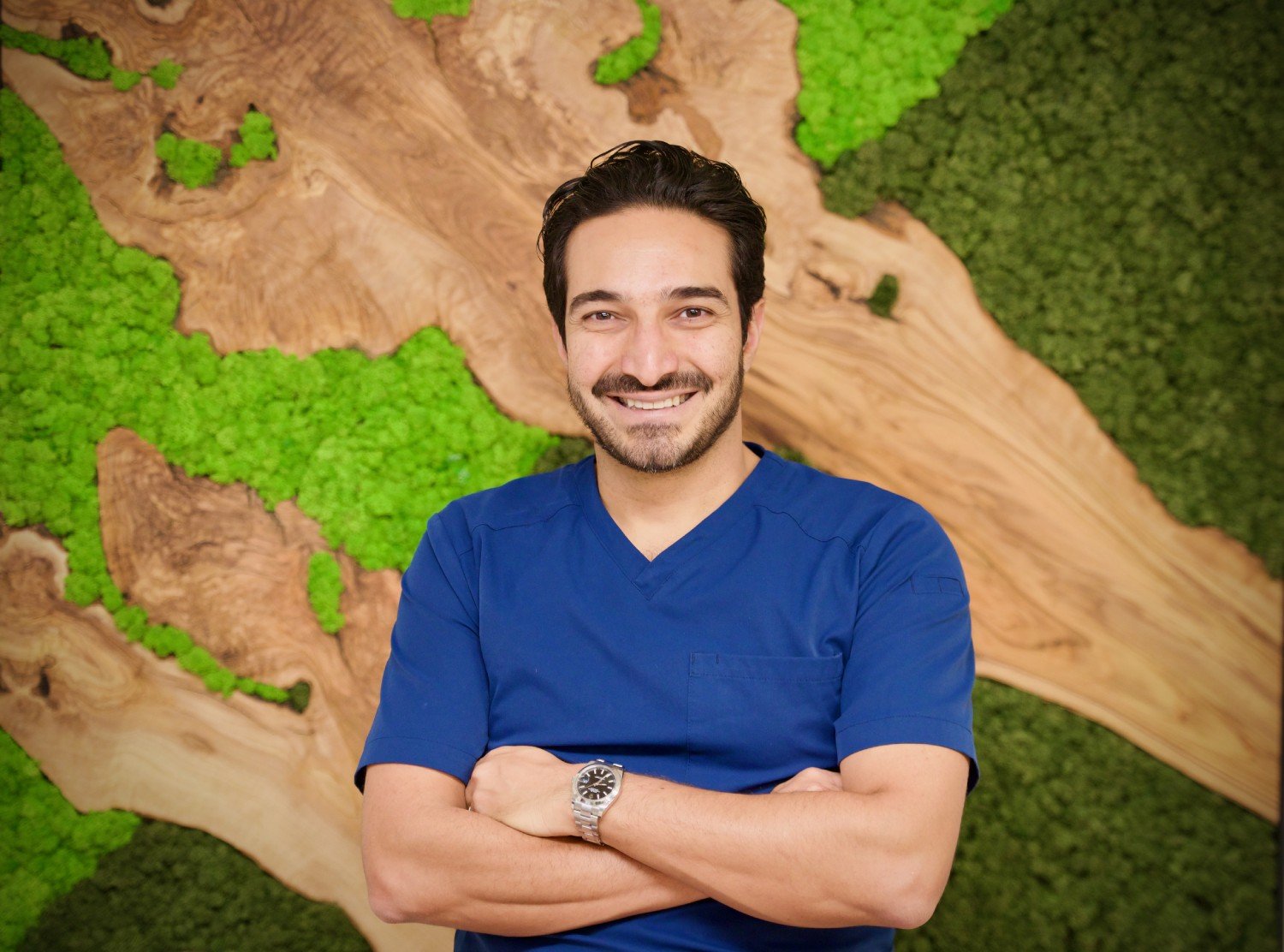
Dr. Alireza Chizari
This article has been medically reviewed for clinical accuracy by Dr. Alireza Chizari, DC, DACNB. Committed to evidence-based practice, Dr. Chizari ensures all content reflects the highest standards of functional neurology care.
Comments
Find our article more easily in Google.
FAQ
What is Functional Neurology?
Functional Neurology is a healthcare specialty that focuses on assessing and rehabilitating the nervous system’s function. It emphasizes neuroplasticity—the brain’s ability to adapt and reorganize—using non-invasive, evidence-based interventions to improve neurological performance.
How does Functional Neurology differ from traditional neurology?
Traditional neurology often concentrates on diagnosing and treating neurological diseases through medications or surgery. In contrast, Functional Neurology aims to optimize the nervous system’s function by identifying and addressing dysfunctions through personalized, non-pharmaceutical interventions.
Is Functional Neurology a replacement for traditional medical care?
No. Functional Neurology is intended to complement, not replace, traditional medical care. Practitioners often collaborate with medical professionals to provide comprehensive care.
What conditions can Functional Neurology help manage?
Functional Neurology has been applied to various conditions, including:
• Concussions and Post-Concussion Syndrome
• Traumatic Brain Injuries (TBI)
• Vestibular Disorders
• Migraines and Headaches
• Neurodevelopmental Disorders (e.g., ADHD, Autism)
• Movement Disorders
• Dysautonomia
• Peripheral Neuropathy
• Functional Neurological Disorder (FND)
Can Functional Neurology assist with neurodegenerative diseases?
While Functional Neurology does not cure neurodegenerative diseases, it can help manage symptoms and improve quality of life by optimizing the function of existing neural pathways.
What diagnostic methods are used in Functional Neurology?
Functional Neurologists employ various assessments, including:
• Videonystagmography (VNG)
• Computerized Posturography
• Oculomotor Testing
• Vestibular Function Tests
• Neurocognitive Evaluations
How is a patient’s progress monitored?
Progress is tracked through repeated assessments, patient-reported outcomes, and objective measures such as balance tests, eye movement tracking, and cognitive performance evaluations.
What therapies are commonly used in Functional Neurology?
Interventions may include:
- Vestibular Rehabilitation
- Oculomotor Exercises
- Sensorimotor Integration
- Cognitive Training
- Balance and Coordination Exercises
- Nutritional Counseling
- Lifestyle Modifications
Are these therapies personalized?
Absolutely. Treatment plans are tailored to the individual’s specific neurological findings, symptoms, and functional goals.
Who can benefit from Functional Neurology?
Individuals with unresolved neurological symptoms, those seeking non-pharmaceutical interventions, or patients aiming to optimize brain function can benefit from Functional Neurology.
Is Functional Neurology suitable for children?
Yes. Children with developmental delays, learning difficulties, or neurodevelopmental disorders may benefit from Functional Neurology approaches.
How does Functional Neurology complement other medical treatments?
It can serve as an adjunct to traditional medical care, enhancing outcomes by addressing functional aspects of the nervous system that may not be targeted by conventional treatments.
How is technology integrated into Functional Neurology?
Technological tools such as virtual reality, neurofeedback, and advanced diagnostic equipment are increasingly used to assess and enhance neurological function.
What is the role of research in Functional Neurology?
Ongoing research continues to refine assessment techniques, therapeutic interventions, and our understanding of neuroplasticity, contributing to the evolution of Functional Neurology practices.