Light Sensitivity (Photophobia)
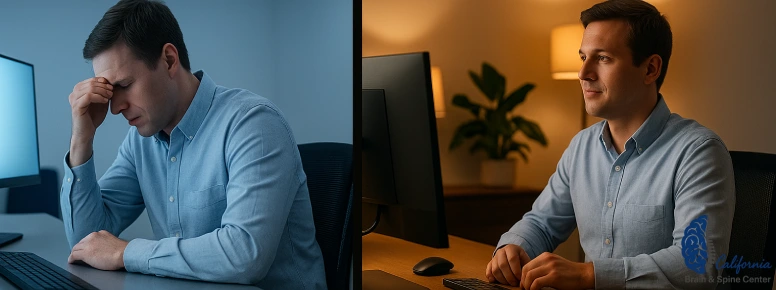
If you flinch at fluorescent lights, dread the grocery aisle, or feel a wave of dizziness and eye strain the moment you step into a bright office, you are not “too sensitive” you’re experiencing a real neuro-ocular response that can be explained and improved. As a neurology specialist, I’ve walked many people through this journey, and I want you to hear this first: your system can learn to calm down. With the right understanding and a practical plan, Light Sensitivity (Photophobia) can become far less disruptive to your life.
A Gentle Primer: What Is Light Sensitivity (Photophobia)?
Light Sensitivity (Photophobia) is not just “disliking brightness.” It’s a mismatch between incoming light signals and how your brainstem and cortex process them. The eyes may be healthy, yet the overall visual–vestibular–pain network becomes over-responsive. People describe sharp eye discomfort, pressure behind the eyes, nausea, dizziness, headaches, or a “buzzing” agitation in the head especially under LED panels, in big-box stores, or when facing shiny white walls.
Crucially, Light Sensitivity (Photophobia) is a neuro-sensory experience not a character flaw, not weakness. And that means your nervous system can adapt with targeted habits and graded exposure.
Why Bright Rooms Can Feel Overwhelming: A Brain-First View
Bright environments overload a few key pathways:
-
Retinal input and melanopsin cells
Beyond rods and cones, the retina contains intrinsically photosensitive retinal ganglion cells (ipRGCs). These cells respond strongly to brightness and help regulate alertness and pupil size. In Light Sensitivity (Photophobia), ipRGC activity can amplify discomfort signals, especially with cool-white LEDs and large, uniform light fields. -
Trigeminal–brainstem connection
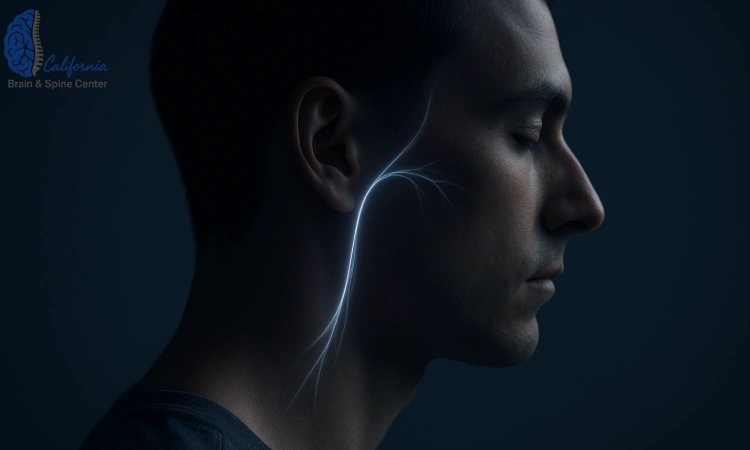
The trigeminal pathway, involved in facial sensation and head pain, interacts with visual inputs. In migraine-prone brains, this loop is extra excitable. A bright conference room can feel like a “sensory shout,” triggering headache, nausea, or dizziness even without a full migraine. -
Visual-vestibular mismatch
Super-bright spaces are often high-contrast: glossy floors, white ceilings, reflective screens. When visual motion cues are intense but your inner ear says “we’re still,” the brain reads conflict. That mismatch can magnify Light Sensitivity (Photophobia) and provoke unsteadiness. -
Flicker and refresh artifacts
Many modern displays and some LED drivers modulate brightness rapidly (pulse-width modulation). Most people won’t notice, yet those with Light Sensitivity (Photophobia) may feel subtle flicker as fatigue, eye strain, or head pressure.
Common Triggers You Can Actually Modify
-
Overhead LED panels with cool color temperature and direct glare
-
High-contrast décor (stark white walls, glossy floors, chrome fixtures)
-
Screens set to extreme brightness–darkness swings, small fonts, or aggressive auto-brightness
-
Sudden light changes (walking from dim to bright hallways)
-
Sleep deprivation, dehydration, or stress, which all lower sensory thresholds
-
Coexisting conditions: migraine, concussion history, dry eye, neck tension all can amplify Light Sensitivity (Photophobia)
You don’t need a perfect environment; you need a tunable one.
Bright lights, screens, and busy visual patterns can feel unbearable when your brain is already working overtime just to keep you upright. Many patients with photophobia also notice that certain sounds or visual motion trigger dizziness, nausea, or a sense of disconnection from their surroundings. If this sounds familiar, our article on visual and sound triggers for dizziness explores why some brains react so strongly to everyday environments and how targeted neuro rehab can gradually increase your tolerance.
Quick Self-Check: Patterns That Point to Light Sensitivity (Photophobia)
-
Indoors feels worse than natural outdoor shade.
-
Big stores, hospitals, and classrooms trigger symptoms in minutes.
-
Screens are tolerable at medium settings but not at extremes.
-
Morning or late afternoon glare provokes more than midday overcast light.
-
Clear lenses help little, but tinted or brimmed hats help a lot.
If these sound familiar, you likely have Light Sensitivity (Photophobia) as a primary or contributing driver of your symptoms.
The Relief Framework: Calm the System, Then Build Tolerance
Think of this as a two-phase plan: first reduce overload, then gently train resilience. Both matter for lasting improvement in Light Sensitivity (Photophobia).
Phase 1 Reduce Overload (1–2 weeks)
-
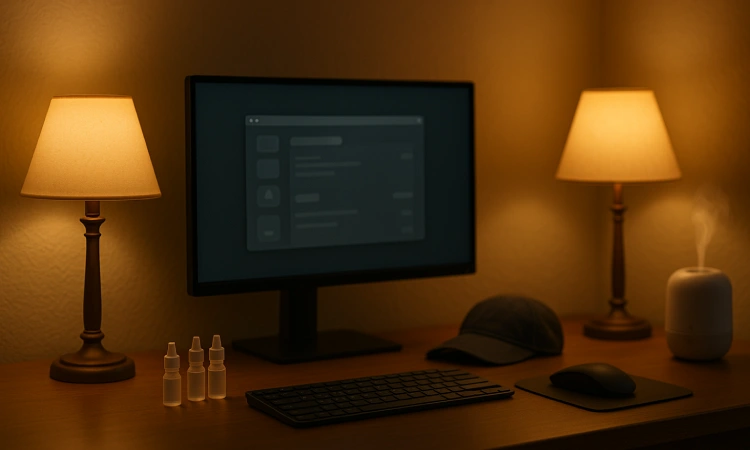
Layer your lighting
-
Replace single harsh sources with multiple soft sources (lamps, wall wash lights).
-
Aim for warmer whites in the evening and indirect light during work hours.
-
Tilt lamps toward walls or ceilings to diffuse glare.
-
-
Tame screen discomfort
-
Manually set brightness to match room lighting (avoid extremes).
-
Increase font sizes and line spacing; reduce high-contrast pure white backgrounds when possible.
-
If your device flickers at low brightness, keep hardware brightness slightly higher and add software dimming to fine-tune.
-
-
Reduce reflective glare
-
Matte screen protectors, non-glossy desk surfaces, and anti-glare paints help.
-
A simple brimmed cap indoors can block overhead glare without darkening your entire field like sunglasses do.
-
-
Eye-surface comfort
-
Blink breaks (20–20–20 rule), humidify dry rooms, consider preservative-free artificial tears if your clinician agrees.
-
Gentle warm compresses can support meibomian gland function and ease evaporative dryness that worsens Light Sensitivity (Photophobia).
-
-
Nervous system basics
-
Prioritize sleep regularity, hydration, and steady meals.
-
Brief breathing resets slow inhale, longer exhale for 60–90 seconds during light spikes.
-
Phase 2 Graded Light Exposure (2–6 weeks)
Your visual network adapts best with predictable, small increases. Here’s a simple progression for Light Sensitivity (Photophobia):
-
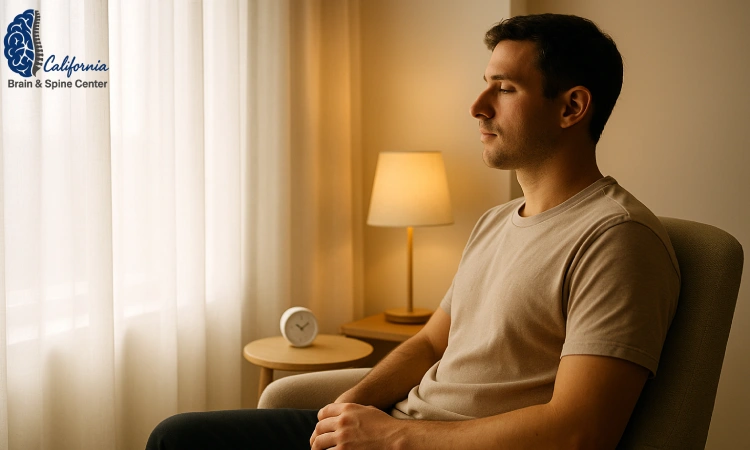
Week A: Sit near a bright window with a sheer curtain for 5–8 minutes, twice daily. Keep gaze soft, avoid staring into the brightest patch.
-
Week B: Move 20–30% closer or open the sheer partially. Add a 2-minute screen session with moderate brightness immediately afterward.
-
Week C: Work under two diffuse light sources for 15–20 minutes. Add short visual tasks (reading large text, scanning a calm image).
-
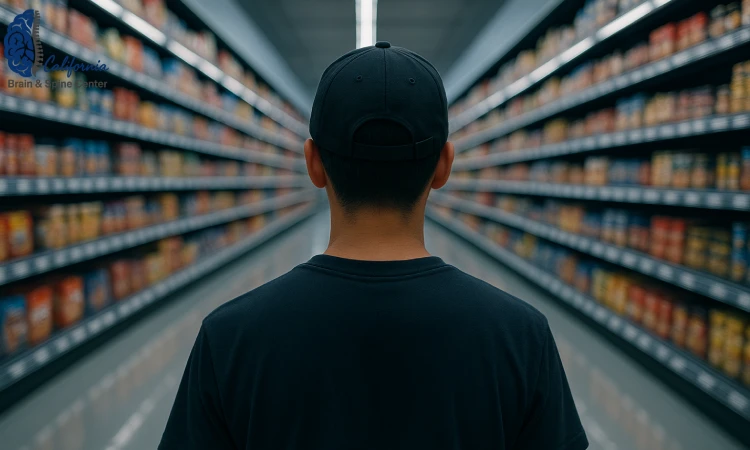
Week D: Introduce a moderate-brightness store aisle for 5 minutes; step out, recover, repeat once.
Your target is mild discomfort (3–4/10) that resolves within a few minutes. If symptoms linger, dial back 10–20% and try again tomorrow. Consistency retrains Light Sensitivity (Photophobia) far better than single heroic exposures.
Smart Tools (Non-Drug, Non-Surgical) That Often Help
-
Tint strategies:
-
Consider rose/amber FL-style tints for indoor glare; keep tint subtle enough to avoid dark adaptation.
-
Reserve dark sunglasses for outdoor sun only; frequent indoor use can deepen Light Sensitivity (Photophobia) over time.
-
-
Environment tuning:
-
Neutral wall colors with gentle reflectance, matte finishes, and task lighting angled away from eyes.
-
At work, sit perpendicular to windows; avoid facing or backing directly into strong light.
-
-
Visual hygiene:
-
Larger fonts, stable color schemes, and minimal rapid animations.
-
Brief “visual rests” every 30–45 minutes look at a distant, non-bright surface and blink fully.
-
-
Body support:
-
Neck mobility and posture checks screen at eye level reduces forehead and scalp tension that can potentiate Light Sensitivity (Photophobia).
-
A 7-Day Starter Plan You Can Begin Today
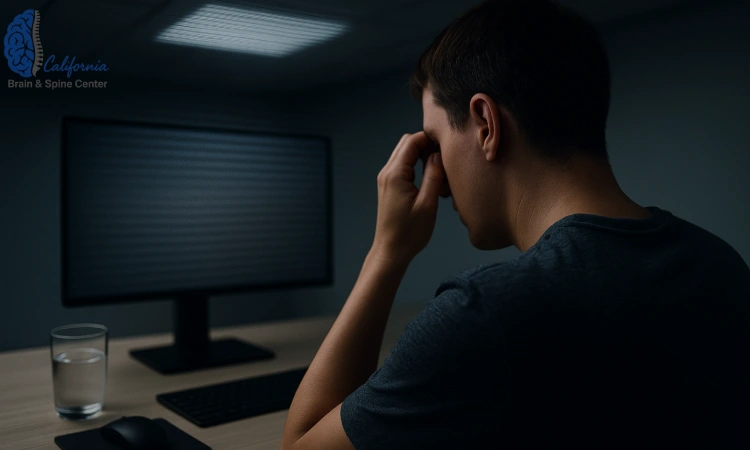
Day 1: Audit your space. Swap one overhead light for two lamps with shades; add a matte surface under your monitor.
Day 2: Set manual screen brightness; increase font size 10–20%. Do two 5-minute window sessions (sheer curtain).
Day 3: Introduce a brimmed cap for overhead glare tasks. Add one 90-second breathing reset after each bright task.
Day 4: Extend window sessions to 8 minutes; add a 2-minute moderate-brightness screen task right after.
Day 5: Replace one glossy item (mousepad, desk protector) with matte. Do a brief aisle exposure in a store for 3 minutes.
Day 6: Add a second diffuse lamp; practice the 20–20–20 blink routine through your workday.
Day 7: Review wins and adjust: increase exposure by 10–15% where tolerable. Keep rests short and predictable.
This week alone can soften Light Sensitivity (Photophobia) for many people and set the stage for a deeper, steadier recovery.
When to Seek an Evaluation
While most cases respond to environmental tuning and graded exposure, please schedule an assessment if you notice any of the following alongside Light Sensitivity (Photophobia):
-
Sudden vision loss, severe eye pain, halos around lights, or a red, painful eye
-
New neurological symptoms: double vision, slurred speech, weakness, or numbness
-
Significant head injury, or symptoms that escalate despite conservative changes
-
Persistent disabling headaches or vertigo that disrupt daily function
A focused exam can identify co-drivers migraine physiology, ocular surface disease, vestibular issues and tailor your plan.
When light sensitivity appears after a concussion or head injury, it often indicates that visual processing networks are not coordinating smoothly with balance and neck systems. In our program for visual disturbances after concussion, we use detailed eye tracking and visual motion testing to pinpoint which circuits are struggling, then design gentle exercises that help your brain handle light, contrast, and motion with less overwhelm.
Realistic Expectations: Progress Looks Like This
-
Less “sting” when you first enter a bright room
-
Better stamina under diffuse light before you need a break
-
Fewer headaches after screen work
-
A calmer body response even when you do feel some brightness
These are the meaningful, everyday wins that mark progress in Light Sensitivity (Photophobia) and they add up.
Your Next Step Guided Care That Solves the Problem
If you want a personalized roadmap for home, work, screens, and real-world transitions our team at California Brain & Spine Institute is ready to help you turn knowledge into steady relief. Explore our care options and articles here: California Brain & Spine Institute. With targeted assessment and a practical plan, our experts will solve your problem for you and support you through each step toward calmer light tolerance.
Summary
Light Sensitivity (Photophobia) is a neuro-ocular response that can be reduced with a two-phase approach: first, cut glare and flicker to calm the system; second, add graded exposure so your brain relearns that light is not a threat. Tune your environment (warmer, layered, indirect light), optimize screens (moderate brightness, bigger fonts, fewer reflections), support the eye surface (blink, humidity, brief rests), and build resilience with short, consistent exposures. Track your wins and keep adjustments small and repeatable. If progress stalls, an expert evaluation can uncover co-drivers and fine-tune your plan so Light Sensitivity (Photophobia) impacts your day far less.
Frequently Asked Questions
1) Why do LEDs bother me more than sunlight?
LEDs often create uniform, overhead brightness with subtle flicker and high blue-weighted spectra. Sunlight is broad-spectrum and usually indirect indoors. For many with Light Sensitivity (Photophobia), diffuse natural light feels softer, while overhead LED panels feel “spiky.”
2) Should I wear sunglasses indoors?
Use them sparingly. Darkening the entire visual field indoors can increase long-term Light Sensitivity (Photophobia) by training your system to expect darkness. Prefer brimmed hats, matte surfaces, and gentle tints, and keep strong sunglasses for outdoor sun.
3) Do blue-light filters fix Light Sensitivity (Photophobia)?
They can help some people, but they’re not a cure-all. Comfort comes from the whole package: brightness matching, glare control, font size, stable visuals, and graded exposure. Subtle rose/amber indoor tints may help without pushing you into dark adaptation.
4) Why do bright stores make me dizzy, not just uncomfortable?
Bright, glossy aisles produce intense visual motion cues. If your inner ear says “still,” that visual-vestibular mismatch can provoke dizziness alongside Light Sensitivity (Photophobia). Diffuse light and brief, repeated exposures can retrain the response.
5) Can stress really make Light Sensitivity (Photophobia) worse?
Yes. Stress reduces sensory thresholds. Even a simple breathing routine slow inhale, longer exhale for 60–90 seconds can lift your tolerance ceiling before a bright task.
6) Are there specific wall colors or paints that help?
Matte, low-gloss finishes with neutral, softer tones reduce reflections and eye strain, a practical aid for Light Sensitivity (Photophobia) at home or work.
7) How long until I notice improvement?
Many feel changes within 2–3 weeks when they combine environment tuning with graded exposure. The goal is steady gains: shorter recovery times, longer comfortable periods, and fewer spikes of Light Sensitivity (Photophobia).
8) Is this forever?
Not necessarily. The nervous system is adaptable. With consistent strategies and occasional tune-ups, many people see durable reductions in Light Sensitivity (Photophobia) and return to well-lit spaces with confidence.
👨⚕️ Alireza Chizari, MSc, DC, DACNB
🧠 Clinical Focus
🔬 Assessment & Treatment Approach
Objective testing may include:
Treatment programs may involve:
📍 Clinic Information
✅ Medical Review
⚠️ Disclaimer