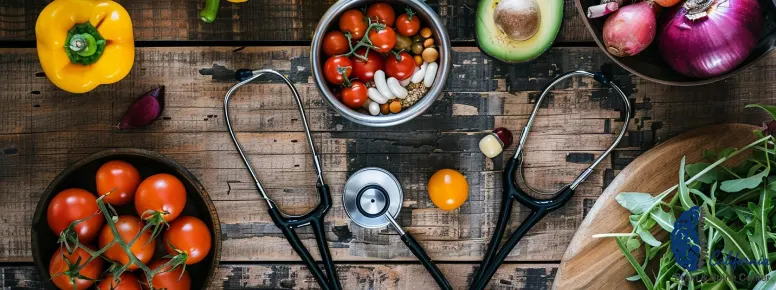
Neuroprotective Foods Sourced Locally in Calabasas
When we talk about protecting the brain, we often leap straight to supplements and high-tech therapies. Yet the simplest, most sustainable strategy is already waiting at the Old Town Calabasas Farmers Market every Saturday morning. Produce that is harvested within a few hours’ drive holds more of the delicate antioxidants, polyphenols, and healthy fats that shield neurons from inflammation and oxidative stress. Equally important, shaking the hand that picked your berries connects food to community an evidence-based mood booster in its own right. By choosing Neuroprotective Foods Sourced Locally in Calabasas, you nourish both neurons and neighbors.
Blueberries: tiny spheres of cognitive resilience
Blueberries grown just up the road in Ventura County arrive at the market bursting with anthocyanins. These pigments travel through the bloodstream, cross the blood–brain barrier, and literally cool down microglial “firestorms” that erode memory pathways. Regular blueberry eaters demonstrate slower cognitive aging and lower dementia risk benefits visible at just half a cup a day.
Tip: Freeze a flat of berries in a single layer; their brain-protective compounds survive cold storage beautifully.
Avocados & Cold-Pressed Olive Oil: packages of plant-based DHA helpers
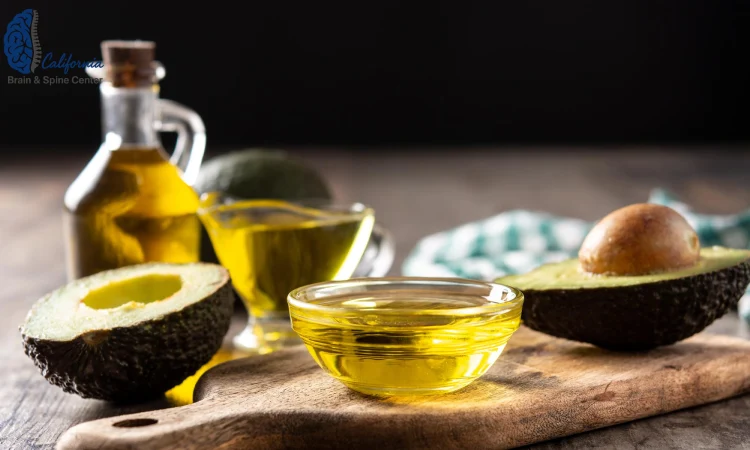
California is avocado country, and Calabasas shoppers can snag fruit so fresh the stem still smells grassy. Each buttery slice supplies monounsaturated fat that shepherds fat-soluble antioxidants (think lutein) directly into neural membranes. Pair that with locally milled extra-virgin olive oil rich in hydroxytyrosol and you have a salad dressing that actually dials down neuro-inflammation.
Leafy Greens from Organic Micro-farms: magnesium and methyl-folate on the menu
Kale, spinach, and rainbow chard sprouted in the Santa Monica Mountains retain exceptional levels of folate and magnesium cofactors your brain burns through during intense thinking. Low folate correlates with faster hippocampal shrinkage, whereas diets dense in leafy greens can make a 50-year-old brain look 11 years younger on MRI scans.
Stocking your kitchen with brain-friendly foods is a great start, but real protection comes from a system. “Preventing Neurodegeneration” lays out the bigger strategy—glucose regulation, oxidative stress control, cognitive load management—that diet must support. Pointing readers there reframes these foods as part of a coordinated defense plan, not just a trendy shopping list.
Walnuts & Almonds: tree-grown synapse supporters
If nature ever branded a nut “made for the mind,” it would be the walnut its lobed shape mirrors cerebral hemispheres. Local orchards dry their harvests in the sun, preserving alpha-linolenic acid (plant-based omega-3) that strengthens synaptic membranes. Almonds add vitamin E, shown to slow the functional decline of daily living skills in elders.
Citrus & Pomegranates: polyphenol fireworks in every segment
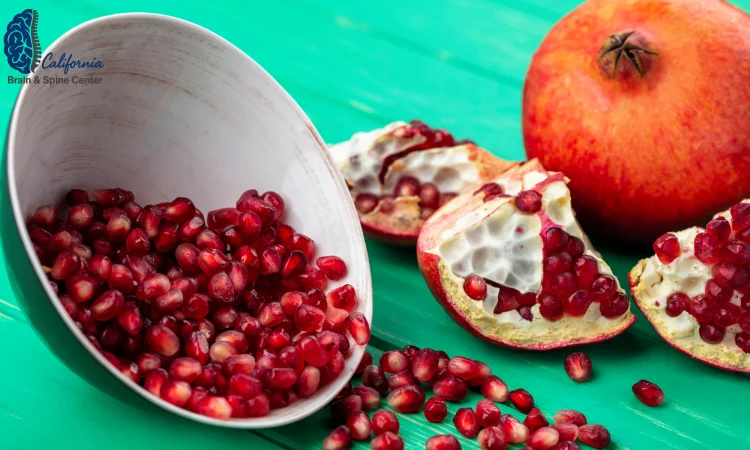
Wintertime at the market means crates of Ojai pixie tangerines, Meyer lemons, and tart-sweet pomegranates. Their vitamin C regenerates spent antioxidants, while polyphenols like punicalagins activate Nrf2 a cellular switch that turns on your own antioxidant genes.
Golden Turmeric Root & Fresh Herbs: seasoning that safeguards synapses
Don’t overlook the spice booth. Raw turmeric root from small Ventura plots contains curcumin in its most bio-available form. Combine it with a crack of local black pepper (piperine boosts absorption 20-fold) and drizzle of olive oil to craft an anti-inflammatory paste for soups or eggs.
Pasture-Raised Eggs & Wild Pacific Sardines: choline and omega-3s without the travel miles
Several vendors offer eggs from hens that roam oak-studded pastures north of Calabasas. Their yolks deliver choline critical for acetylcholine synthesis and memory formation. Next stall over, a family-run fishmonger ices same-day-caught sardines, one of the most potent DHA sources in the Southern California diet. Pairing these proteins with farmers-market produce completes the Neuroprotective Foods Sourced Locally in Calabasas lifestyle.
Putting it all together in your Calabasas kitchen
-
Breakfast bowl: Greek yogurt topped with blueberries, walnut crumble, and a drizzle of local honey.
-
Power salad: Massaged kale, avocado slices, citrus segments, and turmeric-olive-oil dressing.
-
Mediterranean supper: Grilled sardines alongside quinoa tabbouleh packed with parsley, pomegranate arils, and toasted almonds.
Cook in color, chew slowly, and remind yourself that every bite is an act of neuro-self-care.
Ready for personalized guidance?
For patients who want to go beyond food and explore evidence-based, non-invasive brain-boosting therapies such as Hyperbaric Oxygen Therapy (HBOT) or Pulsed Electromagnetic Field (PEMF) sessions schedule your neurological wellness consultation at California Brain & Spine Center today. Our integrative team in Calabasas loves translating science into daily victories, one neuron at a time.
Quick recap
Eating a vibrant rotation of Neuroprotective Foods Sourced Locally in Calabasas blueberries, avocados, leafy greens, nuts, citrus, turmeric, eggs, and fresh sardines supplies the antioxidants, healthy fats, and micronutrients that calm brain inflammation, strengthen synapses, and brighten mood. Your local farmers market is essentially an open-air neurology pharmacy no prescription required.
Frequently Asked Questions
Q1. How often should I eat these neuroprotective foods?
Aim for at least one serving from each category three times per week. Diversity is more important than mega-dosing a single item.
Q2. Can frozen produce still help my brain?
Absolutely. Freezing blueberries or leafy greens shortly after harvest locks in most antioxidant compounds, making them nearly as potent as fresh.
Q3. Are these foods safe if I’m on medication?
Generally yes, but certain medications (e.g., blood thinners) may interact with large amounts of vitamin K-rich greens or turmeric. Always discuss major diet changes with your healthcare provider.
Q4. I don’t like fish what’s an alternative omega-3 source?
Walnuts, flaxseed meal, and pasture-raised eggs provide plant-based or shorter-chain omega-3s. You may also consider an algae-derived DHA supplement.
Q5. Does California Brain & Spine Center offer nutrition counseling?
Yes. During your wellness consultation, we can craft a personalized, food-forward plan and, if appropriate, layer in HBOT or PEMF sessions to accelerate neuro-healing without surgery or insurance hassles.
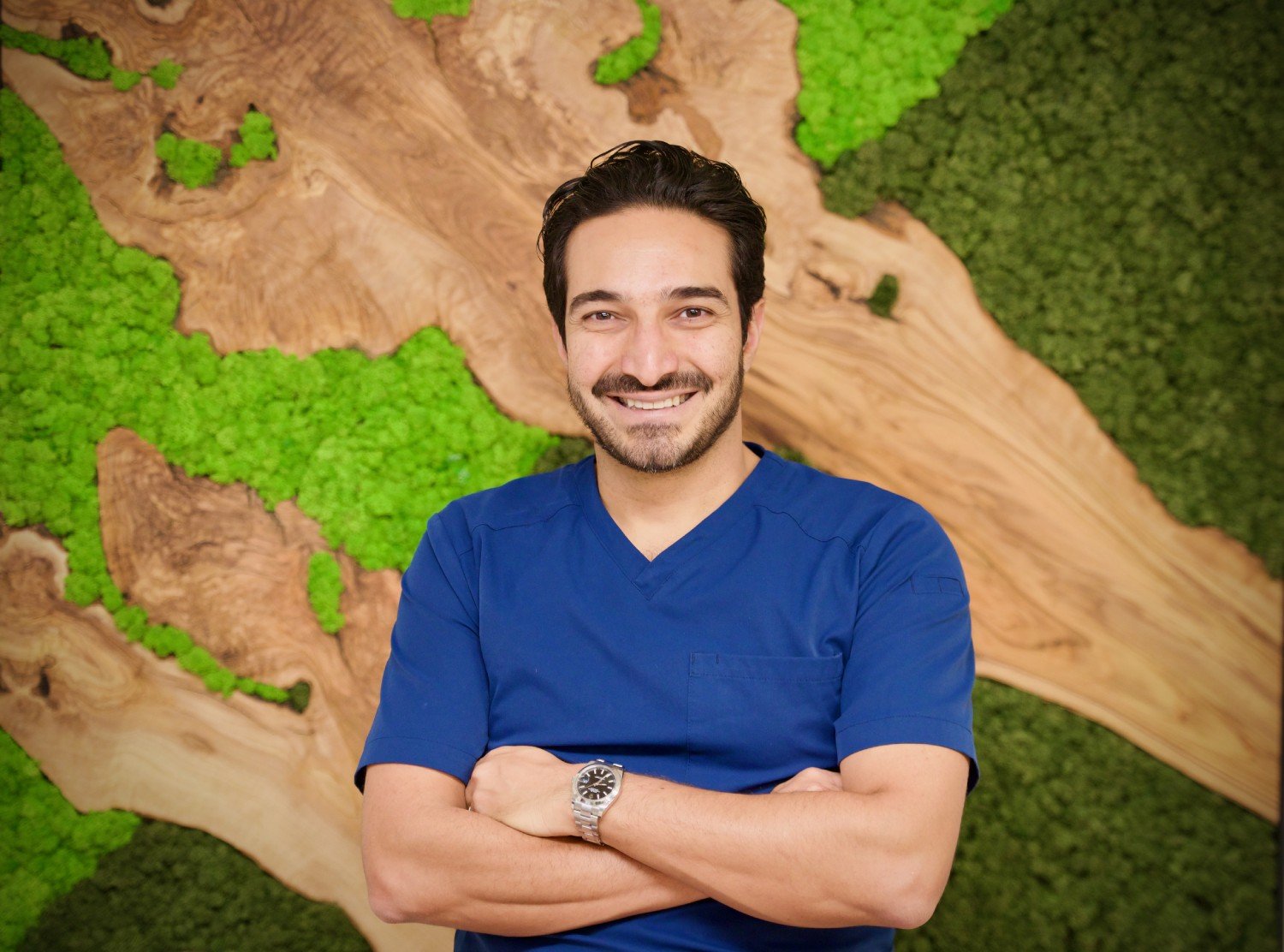
👨⚕️ Alireza Chizari, MSc, DC, DACNB
🧠 Clinical Focus
🔬 Assessment & Treatment Approach
Objective testing may include:
Treatment programs may involve:
📍 Clinic Information
✅ Medical Review
⚠️ Disclaimer