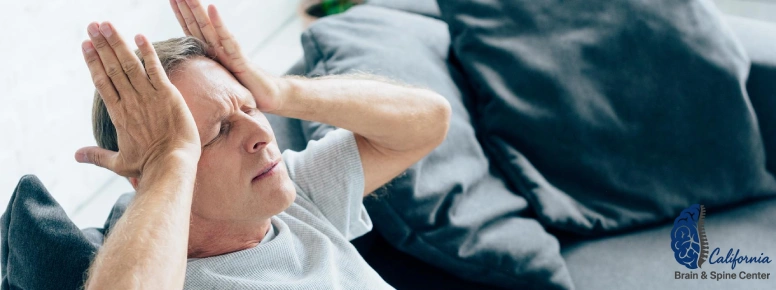
What are the signs you need vestibular rehab after a concussion?
If you are reading this, chances are you or someone you love felt the jolt of a concussion and are wondering why the room still tilts when you turn your head. I want you to know that you’re not “being dramatic” or “taking too long” to recover. Your brain’s balance center needs time, direction, and sometimes targeted therapy to find its footing again. In this article I will spell out the clearest Signs you need vestibular rehab after a concussion and show you simple, science-backed steps you can take today to reclaim steady ground.
Still unsure whether therapy is right for you? Read “Vestibular Rehabilitation Therapy: How It Works”—it breaks down session flow so you can picture exactly what the first appointment feels like.
Understanding the Post-Concussion Inner World
A concussion is a mild traumatic brain injury, but “mild” only refers to the absence of bleeding or skull fracture. Inside, neurons have been stretched, chemical messengers scrambled, and the finely tuned vestibular system tiny canals and crystals in your inner ear may be mis-firing. When that happens, motion, eye movements, even reading a line of text can feel like surfing on shaky water.
Why the Vestibular System Matters
Your vestibular system is your internal gyroscope. It tracks head position, coordinates eye movements, and lets your brain predict where you’ll be in the next split-second. When it glitches, you may feel dizzy, nauseated, or as if your body and the world are slightly out of sync. Recognizing the Signs you need vestibular rehab after a concussion means recognizing a signal, not a failure.
The Big Five: Core Signs You Need Vestibular Rehab After a Concussion
Below are the five most common and most overlooked Signs you need vestibular rehab after a concussion. If any of them sound like your daily experience, professional vestibular therapy can accelerate your recovery.
-
Persistent Dizziness or Vertigo Beyond Two Weeks
You stand up, and the floor swims. While short bouts of dizziness are normal in the first week, spinning or swaying sensations that persist are classic Signs you need vestibular rehab after a concussion. -
Blurred or Jumpy Vision During Head Movements
You may notice words drifting when you read or street signs blurring when you shoulder-check while driving. That “oscillopsia” tells us the vestibulo-ocular reflex (VOR) isn’t calibrating. Again: unmistakable Signs you need vestibular rehab after a concussion. -
Difficulty with Balance or Unsteady Gait
Are you drifting when you walk or widening your stance to feel safer? Changes in gait stability are strong Signs you need vestibular rehab after a concussion and should never be brushed off as simple deconditioning. -
Motion Sensitivity in Busy Environments
Grocery aisles feel overwhelming; scrolling on your phone triggers nausea. That sensory overload reflects central processing lag and represents further Signs you need vestibular rehab after a concussion. -
Delayed Cognitive Fatigue Triggered by Head Movement
You might complete a work task fine, but an hour later you crash with brain fog and headache. The trigger? Subtle vestibular strain. Such delayed fatigue rounds out our list of Signs you need vestibular rehab after a concussion.
Pro-Tip: Keep a daily symptom diary. If three or more of the statements above appear frequently, you already meet clinical criteria for vestibular therapy.
Timing Matters: Early vs. Late Indicators
-
Early (Days 3–10): short dizzy spells, light motion discomfort. Many patients recover spontaneously, but track them.
-
Sub-Acute (Weeks 2–4): dizziness triggered by head turns, difficulty focusing, balance wobble prime window when Signs you need vestibular rehab after a concussion become actionable.
-
Chronic (Month 2 and Beyond): entrenched avoidance behaviors, neck stiffness, lifestyle limitations. Therapy can still help, but recovery often takes longer.
What Is Vestibular Rehabilitation Therapy (VRT)?
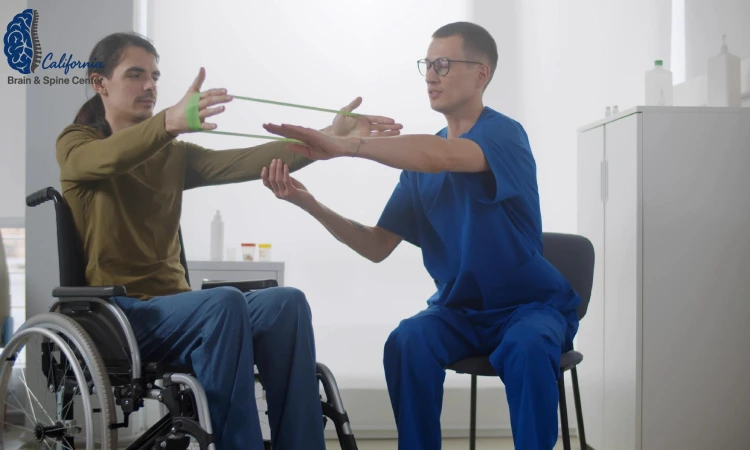
Vestibular rehab is a tailored exercise program that retrains your brain to interpret motion signals correctly. Think of it as physical therapy for the balance circuits. Programs typically include:
-
Gaze Stabilization Drills – teaching eyes to lock on a target while the head moves.
-
Habituation Exercises – repeated, controlled exposure to symptom triggers until the brain calibrates.
-
Balance Re-Training – progressive stance challenges to rebuild automatic stability.
-
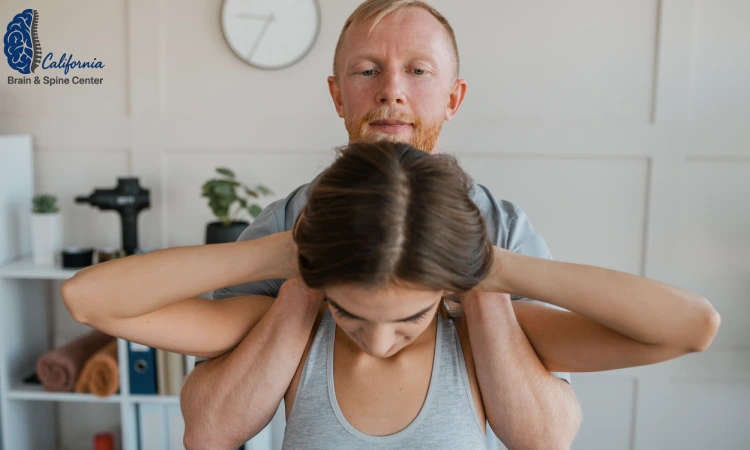
Cervical Spine Mobilization – gentle stretches and strengthening, because neck input feeds the vestibular loop.
Patients perform these drills under supervision at first, then progress to a home program. Consistency not intensity is the secret sauce.
Four Myths That Slow Recovery
-
“Rest until everything disappears.” Total rest past 48 hours often prolongs symptoms.
-
“All dizziness is in my head just push through.” Forcing through vertigo can worsen neural mismatch.
-
“Eye problems mean I need glasses, not therapy.” Many post-concussion vision issues stem from vestibular dysfunction.
-
“I’m too old; neuroplasticity is for kids.” Adults of any age can rewire vestibular reflexes with the right plan.
Self-Assessment: Three Quick At-Home Checks
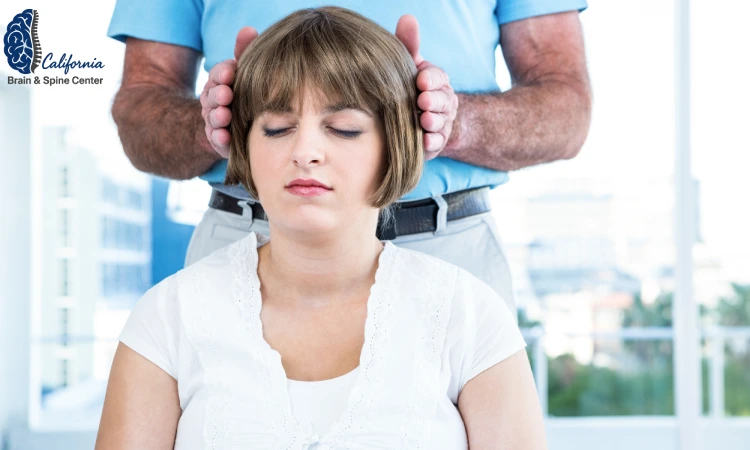
Safety first: Perform near a stable surface and have someone present if possible.
-
Head-Turn Reading Test
Hold a book at arm’s length, focus on one word, and shake your head “no” at two beats per second. If words blur, note it. -
Tandem Stance
Stand heel-to-toe, arms crossed. Count seconds until you sway or step out. Under ten seconds indicates impaired balance. -
Symptom Ramp
Rate dizziness 0-10 before and after 30 seconds of slow stepping in place with eyes closed. A jump of two points is significant.
Persistent issues across these mini-tests are further Signs you need vestibular rehab after a concussion.
Concord Case Story: Olivia’s Path Back to the Soccer Field
Olivia, 19, suffered a header-to-header collision. Three weeks later she still felt seasick walking the campus hallway. Her self-test showed 4-second tandem stance and blurred vision with head turns. In eight weeks of vestibular rehab, Olivia progressed through gaze stabilization levels, mastered single-leg balance with a foam pad, and re-entered non-contact practice symptom-free. Real people, real data: the right intervention matters.
How to Support Recovery Between Therapy Sessions
-
Hydrate and Fuel Wisely – Dehydration heightens dizziness.
-
Regulate Sleep – Irregular sleep spikes neural noise.
-
Move Daily – Gentle walks stimulate vestibular adaptation.
-
Limit Screen Scrolling – Rapid visual flow taxes an already stressed system.
-
Practice Breathing – Slow diaphragmatic breathing steadies autonomic tone and reduces nausea.
These habits reinforce clinical work and amplify every exercise you perform.
When to Seek Professional Help And Where to Find It
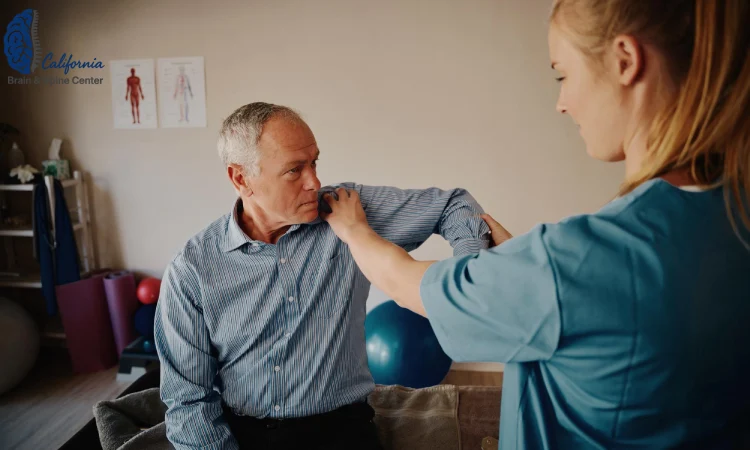
If reading this article feels like holding a mirror to your symptoms, don’t wait. Book a Comprehensive Concussion & Vestibular Evaluation with our caring team at California Brain & Spine Institute. We blend neurologic expertise, computerized balance testing, and customized home programs so you can get back to work, play, and life without the ground shifting beneath you.
Summary
The phrase “time heals all wounds” doesn’t always apply to concussions. The recurring Signs you need vestibular rehab after a concussion persistent dizziness, blurred vision, balance loss, motion sensitivity, cognitive fatigue signal an inner ear and brain connection that needs guided exercise, not endless rest. Early, targeted vestibular rehab shortens downtime, restores confidence, and prevents chronic complications. Your brain is remarkably adaptable; give it the structured inputs it needs and steadiness will follow.
Frequently Asked Questions
1. How long does vestibular rehab usually take?
Most patients notice improvement in two to four weeks and complete their program within eight to twelve weeks, though timelines vary with injury severity.
2. Can I do vestibular exercises on my own?
A customized plan is safest. Generic internet routines may provoke excessive symptoms or miss critical deficits.
3. Is it normal for exercises to make me dizzy?
Mild symptom provocation (1–2 points on a 10-point scale) is expected and even necessary; severe or lingering spikes mean you need a therapist to adjust intensity.
4. Will medication solve the dizziness?
Medications can blunt nausea but don’t teach the brain to recalibrate. They should complement not replace vestibular rehab.
5. Can vestibular rehab help if my concussion was a year ago?
Yes. While early intervention is best, neuroplasticity persists lifelong. Many chronic patients still achieve significant gains.
6. Is driving safe while I have symptoms?
If dizziness or blurred vision interferes with rapid head turns, postpone driving until cleared by a clinician.
7. Do kids require different exercises?
Children respond excellently to vestibular rehab but need age-appropriate drills and parental guidance for compliance and safety.
 Alireza Chizari, MSc, DC, DACNB
 Clinical Focus
 Assessment & Treatment Approach
Objective testing may include:
Treatment programs may involve:
 Clinic Information
 Medical Review
 Disclaimer