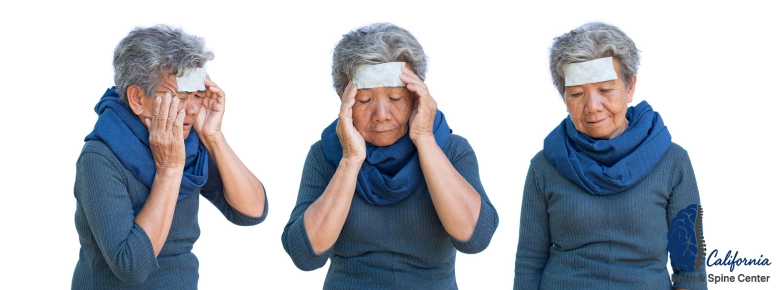
Head injuries come in a wide range of severities and complexities. From seemingly mild knocks on the head to more apparent and severe injuries, the process of properly diagnosing, treating, and rehabilitating brain injuries can be riddled with uncertainties. This uncertainty often gives birth to misconceptions, especially when the head injury appears “mild” at first glance. In reality, what we often consider a “simple bump” can have nuanced repercussions if not addressed in a timely and informed manner.
At the heart of effective recovery from mild head injuries is Neurological rehabilitation for TBI, a specialized process designed to help patients regain optimal functioning. If you’re looking for professional support, please visit our Neurological rehabilitation for TBI page to learn about how our specialized services at California Brain & Spine can bolster your healing journey.
In this comprehensive article, we will delve into “Top Misconceptions About Mild Head Injuries Debunked,” discussing the myths that can hinder proper care and offering clarity on what you need to do to safeguard your brain health. By the end, you’ll have a deeper understanding of why no head injury should be taken lightly and how crucial it is to seek timely evaluation and treatment.
Understanding Mild Head Injuries
Before we reveal the “Top Misconceptions About Mild Head Injuries Debunked,” it’s essential to define what we mean by “mild head injuries.” These are head traumas that may not be severe enough to show obvious signs such as extended loss of consciousness or major bleeding. Mild head injuries often fall under the umbrella of concussions or mild traumatic brain injuries (mTBI). While these injuries might not always appear severe at first, they can still lead to significant disruptions in cognitive, emotional, and physical functioning if not handled appropriately.

Characteristics of Mild Head Injuries
-
Brief Loss of Consciousness: Sometimes, individuals may briefly lose consciousness or feel “dazed.”
-
Mild Disorientation: One might experience confusion, dizziness, or difficulty concentrating.
-
Headaches: Lingering headaches that fluctuate in intensity are common.
-
Subtle Emotional Changes: Irritability, mood swings, or mild depression can emerge.
-
No Visible External Trauma: Mild head injuries can occur without any cuts, bruises, or signs of external bleeding.
The Importance of Proper Diagnosis
Even if an injury seems mild, it’s advisable to seek a professional evaluation. This evaluation may include a neurological exam, balance assessments, cognitive function tests, and possibly imaging studies if warranted. Swift diagnosis can significantly impact the speed and quality of recovery, preventing complications that might extend well beyond the initial symptoms.
Common Settings Where Mild Head Injuries Occur
-
Sports and Recreational Activities: Contact sports (football, soccer, hockey) and even recreational sports (cycling, skateboarding) can result in mild head injuries.
-
At-Home Accidents: Slipping in the shower, bumping your head on low furniture, or tripping on the stairs can all lead to head impacts.
-
Workplace Incidents: Falls, getting hit by a moving object, or even minor vehicle collisions in work environments.
-
Motor Vehicle Accidents: Even a minor fender-bender can result in significant head trauma, especially from whiplash or jarring motions.
Understanding these scenarios sets the stage for debunking misconceptions. Now, let’s explore the “Top Misconceptions About Mild Head Injuries Debunked” and learn how to better protect yourself and your loved ones.
For a side-by-side clinical comparison, read “Concussion vs. Mild Traumatic Brain Injury”—it clarifies terminology that often confuses first-time patients.
Top Misconceptions About Mild Head Injuries Debunked
Misunderstandings about mild head injuries abound, partly because symptoms can be subtle, and partly because people often assume “mild” translates to “harmless.” Let’s tackle the most pervasive myths to clarify what mild head injuries truly entail.

Misconception 1 – “If There’s No Loss of Consciousness, It’s Not Serious”
Reality Check:
A common misconception is that a person must lose consciousness to have a significant head injury. In truth, even if you remain fully awake and oriented, you can still suffer a concussion or other mild traumatic brain injury. Some individuals experience only a brief moment of disorientation or dizziness without losing consciousness.
Why This Matters
-
Overlooking Symptoms: Failing to recognize that you can have a concussion without blacking out can prevent people from seeking necessary medical advice.
-
Delayed Onset: Some symptoms, such as headaches or blurred vision, might appear hours or days after the initial incident.
Key Takeaway: Never assume that staying conscious rules out a serious issue. If you suspect any impact has caused an internal injury, seek medical assessment promptly.
Misconception 2 – “Mild Head Injuries Always Heal Within a Couple of Weeks”
Reality Check:
While many individuals recover from mild head injuries in a few weeks, this timeline can vary widely. Some people may experience lingering symptoms for months — a condition often referred to as Post-Concussion Syndrome (PCS). Factors such as age, overall health, and whether proper care was administered can all influence the healing process.
Why This Matters
-
Incomplete Recovery: Assuming a strict timeline might lead a person to resume strenuous activities too soon, risking a secondary injury.
-
Need for Personalized Treatment: No two brains are identical. A one-size-fits-all approach can overlook specific rehabilitation needs.
Key Takeaway: Recovery timelines differ. Monitoring symptoms and following medical guidance is crucial for full and sustainable healing.
Misconception 3 – “Mild Head Injuries Don’t Require Medical Attention”

Reality Check:
Even a minor jolt to the head can lead to subtle but critical changes in brain function. Failing to seek medical attention could result in missed signs of intracranial bleeding or swelling, especially when the individual is only experiencing mild symptoms.
Why This Matters
-
Diagnostic Imaging: CT scans, MRIs, or more advanced imaging like Diffusion Tensor Imaging (DTI) can reveal underlying damage not evident through a standard exam.
-
Early Intervention: Prompt evaluation and intervention reduce the risk of complications. A medical professional can recommend rest, therapy, or other interventions tailored to your specific injury.
Key Takeaway: Always consult a healthcare provider if you suspect any head injury, no matter how minor it may seem.
Misconception 4 – “Headaches and Dizziness Are the Only Symptoms to Look Out For”
Reality Check:
While headaches and dizziness are hallmark signs, mild head injuries can manifest through many other symptoms. These can include sensitivity to light or noise, difficulty concentrating, memory lapses, mood swings, irritability, and even changes in sleep patterns.
Why This Matters
-
Comprehensive Symptom Recognition: Recognizing the full spectrum of possible symptoms encourages timely medical intervention.
-
Emotional and Cognitive Impact: The brain governs emotions and behavior. Overlooking mood swings or depression can delay crucial support like psychological or psychiatric care.
Key Takeaway: Broaden your awareness beyond physical symptoms. Emotional and cognitive shifts are equally important indicators of a potential mild head injury.
Misconception 5 – “Children Can Just ‘Walk It Off’ Because They Heal Faster”
Reality Check:
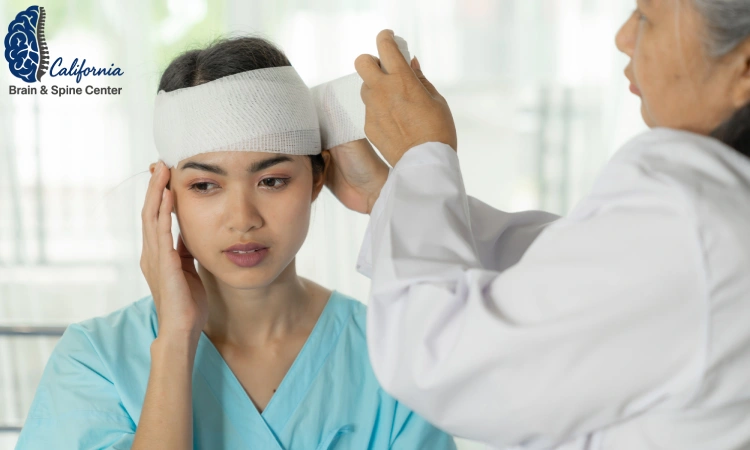
Young children and teenagers are indeed adaptable, but they’re also more vulnerable to head injuries due to developing brains. A mild head injury can have lasting effects on cognitive development, classroom performance, and emotional well-being if not diagnosed and managed properly.
Why This Matters
-
Long-Term Academic Impact: Untreated or poorly managed mild head injuries can result in learning difficulties or decreased attention in school.
-
Increased Risk of Re-Injury: Kids who return to sports or play too quickly after a head impact face higher risks for repeat trauma.
Key Takeaway: Children need careful evaluation and, if necessary, specialized pediatric head injury protocols to ensure a full and healthy recovery.
Misconception 6 – “Helmets Prevent All Mild Head Injuries”
Reality Check:
Helmets are undoubtedly crucial for minimizing the severity of head impacts in sports, biking, or certain workplace settings. However, while they protect against skull fractures and major trauma, they can’t always prevent mild traumatic brain injuries. The brain can still move within the skull upon impact, leading to concussive or sub-concussive injuries.
Why This Matters
-
False Sense of Security: Believing you’re invincible with a helmet might lead to riskier behavior.
-
Necessary but Not Sufficient: Helmets are just one part of a broader safety protocol that includes proper training, rules enforcement, and situational awareness.
Key Takeaway: Helmets are essential but not foolproof. Combine protective gear with responsible practices to reduce the risk of head injuries significantly.
Misconception 7 – “If Symptoms Appear Days Later, It’s Not Related to the Head Injury”
Reality Check:
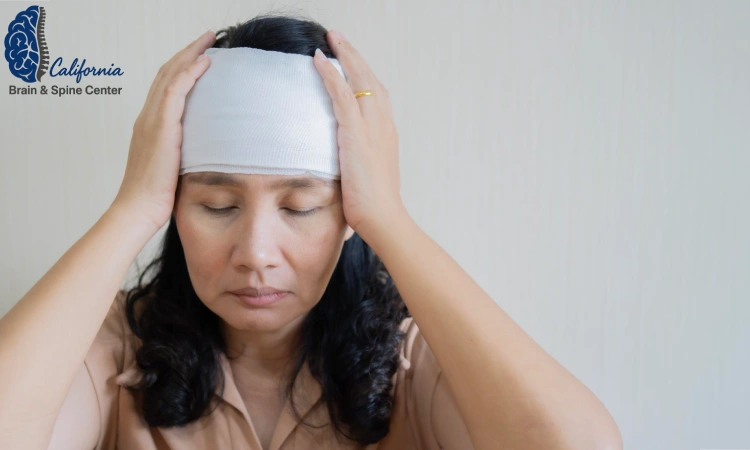
Many people mistakenly believe that if they don’t develop symptoms immediately, their mild head injury must not be the cause of any subsequent issues. In fact, symptoms like headaches, fatigue, or cognitive difficulties can emerge or worsen days or even weeks after the incident.
Why This Matters
-
Missed Diagnosis: Delayed symptom onset can lead patients or healthcare providers to overlook the connection between the initial head injury and emerging symptoms.
-
Ongoing Monitoring: Keeping a symptom diary or following up with a physician can ensure that late-appearing issues are caught and treated promptly.
Key Takeaway: Stay vigilant about changes in how you feel, even if days or weeks have passed since your injury. Seek medical advice if you notice any new or intensifying symptoms.
The Importance of Specialized Care and Neurological Rehabilitation
Addressing the “Top Misconceptions About Mild Head Injuries Debunked” also involves emphasizing the necessity of specialized care. Mild head injuries can have deep, long-term impacts. Early and targeted intervention, such as Neurological rehabilitation for TBI, significantly increases the likelihood of a full recovery.
Rehabilitation Modalities
-
Physical Therapy: Targeted exercises can improve balance, coordination, and mobility.
-
Occupational Therapy: Helps individuals regain the ability to perform daily tasks, from cooking to workplace responsibilities.
-
Cognitive Rehabilitation: Focuses on memory training, attention span improvement, and executive function exercises.
-
Psychological Support: Many patients benefit from counseling or therapy to manage mood swings, anxiety, or depression that can accompany head injuries.
Multi-Disciplinary Team Approach
A multi-disciplinary approach ensures that all aspects of the patient’s health are addressed simultaneously. Neurologists, physical therapists, psychologists, and other specialists collaborate to create a holistic treatment plan, optimizing outcomes for long-term well-being.
Get Professional Help at California Brain & Spine
If you or someone you love is dealing with persistent symptoms or uncertainty after any type of head injury, it’s essential to seek expert care. At California Brain & Spine, our dedicated team of neurosurgeons, neurologists, and rehabilitation specialists provide personalized treatment plans rooted in the latest research on mild head injuries.

We also specialize in Neurological rehabilitation for TBI, offering resources and support to guide you through every phase of recovery. Our comprehensive approach ensures that no detail is overlooked, from initial diagnosis and imaging to ongoing therapy and post-injury follow-ups.
Your brain health is paramount — don’t wait for symptoms to worsen before seeking the answers and care you deserve. Schedule a consultation with us today to learn more about how we can help you overcome the challenges of mild head injuries and regain your quality of life.
Building a Support System
Recovering from a mild head injury often requires more than just medical intervention; social and emotional support are also key factors in a successful outcome.
Family Involvement
-
Monitoring Symptoms: Family members can help track changes or improvements in mood, memory, and behavior.
-
Emotional Support: Encouragement and understanding go a long way in helping someone regain confidence and motivation.
-
Lifestyle Modifications: Simple changes at home, such as minimizing clutter or creating quiet areas, can significantly aid in rehabilitation.
Community Resources
-
Support Groups: Connecting with others experiencing similar challenges can reduce isolation and provide practical coping strategies.
-
Educational Workshops: Community centers or hospitals often hold free sessions about concussion awareness, helping you stay informed on the latest research and guidelines.
Technology and Apps
-
Brain Training Apps: Tools like Lumosity or CogniFit offer exercises to improve memory and attention.
-
Symptom Tracking: Various smartphone apps allow daily tracking of headaches, dizziness, and mood changes, creating a record to share with healthcare professionals.
Prevention Strategies for Mild Head Injuries
While our focus is on debunking myths around mild head injuries, prevention is equally vital. By taking proactive steps, you can minimize your risk of a head injury or reduce its impact if it occurs.
Protective Measures
-
Helmets: Whether you’re biking, skateboarding, or partaking in contact sports, a well-fitted helmet is your first line of defense.
-
Seatbelts: Properly worn seatbelts in cars significantly reduce the chances of severe head injuries in the event of an accident.
-
Fall-Proofing Your Environment: Installing grab bars in bathrooms, ensuring adequate lighting, and securing loose rugs can dramatically lower the risk of falls.
Lifestyle & Awareness
-
Avoid Risky Behaviors: From jumping on unsteady surfaces to overindulging in alcohol, many injuries stem from avoidable actions.
-
Know Your Limits: Recognize when you’re too fatigued or stressed to safely engage in physical activities.
-
Regular Check-Ups: Periodic medical and vision check-ups can catch issues like balance disorders or poor eyesight, which elevate the risk of falls.
The Role of Education
Educating yourself and those around you is crucial in preventing misunderstandings about mild head injuries. Whether you’re a parent, coach, employer, or community leader, spreading factual information can reduce stigma, encourage swift interventions, and foster safer practices.
Summary
Top Misconceptions About Mild Head Injuries Debunked:
-
Lack of Consciousness – You can still have a concussion without blacking out.
-
Fixed Healing Timeline – While many recover within weeks, some experience prolonged symptoms.
-
No Need for Medical Attention – Even seemingly minor impacts warrant professional evaluation.
-
Only Physical Symptoms Matter – Emotional and cognitive changes can also signal mild head injuries.
-
Kids Recover Instantly – Children’s developing brains can be more vulnerable, requiring careful observation and care.
-
Helmets Prevent All Head Injuries – Helmets help, but do not eliminate all risks.
-
Delayed Symptoms Are Unrelated – Head injury symptoms can appear days or weeks post-incident.
Despite being called “mild,” these injuries can have lasting effects on mental, physical, and emotional health if not properly diagnosed and treated. Early intervention, comprehensive rehabilitation, and a supportive environment are critical to ensuring a full and effective recovery.
If you have any lingering doubts or questions about a mild head injury, consider reaching out to California Brain & Spine. Our specialized Neurological rehabilitation for TBI services are designed to identify and address even the subtlest post-injury challenges, ensuring that patients receive the attention and care they need to resume a healthy, fulfilling life.
FAQs
1. Are mild head injuries really that serious?
Yes. Despite the term “mild,” these injuries can lead to significant disruptions in cognitive, emotional, and physical health if overlooked. Seeking medical evaluation is crucial regardless of the perceived severity.
2. How long does it typically take to recover from a mild head injury?
Recovery can range from a couple of weeks to several months, depending on various factors like age, overall health, and timely intervention. Some individuals may experience lingering symptoms that require ongoing care.
3. If I didn’t hit my head hard, do I still need an examination?
Absolutely. A seemingly small bump or jolt can still cause brain movement inside the skull. Medical professionals can detect or rule out any underlying issues through exams and possibly imaging.
4. Do children heal faster than adults when it comes to mild head injuries?
While kids have resilient bodies, they also possess developing brains, which can be more susceptible to long-term consequences if not treated properly. It’s essential to seek pediatric care for any suspected head injury in children.
5. Can a helmet really stop me from getting a concussion?
Helmets significantly reduce the risk of skull fractures and severe trauma but can’t fully prevent the brain from moving inside the skull. They’re a critical safety measure, but not an absolute guarantee against mild head injuries.
6. What if my symptoms show up days or weeks later?
It’s possible for mild head injury symptoms to manifest or worsen after a delay. If you notice new or intensifying symptoms, consult with a healthcare provider right away.
7. Is rehabilitation always necessary for a mild head injury?
Rehabilitation needs vary from person to person. While not everyone will require lengthy or intensive therapy, those experiencing ongoing symptoms benefit greatly from a structured rehabilitation program. Consult a specialist to determine the best approach.
 Alireza Chizari, MSc, DC, DACNB
 Clinical Focus
 Assessment & Treatment Approach
Objective testing may include:
Treatment programs may involve:
 Clinic Information
 Medical Review
 Disclaimer