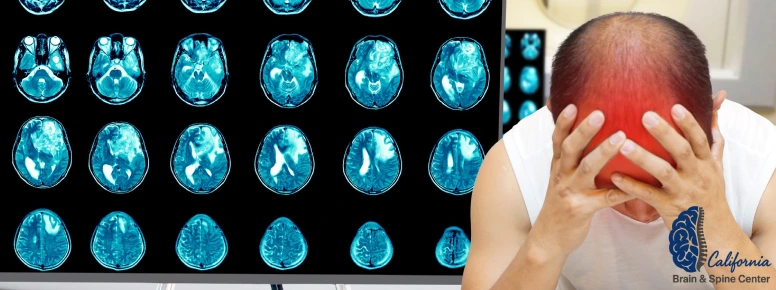
Navigating the world of head injuries can be confusing, especially given the wide variety of terms that medical professionals use to describe them. One area of particular confusion is the distinction between “concussion” and “mild traumatic brain injury.” These terms are often used interchangeably, yet they may imply different levels of severity, expected recovery times, and potential long-term consequences.
Concussion vs. Mild Traumatic Brain Injury
This article delves deeply into Concussion vs. Mild Traumatic Brain Injury, exploring clinical definitions, common misconceptions, and practical approaches to diagnosis and treatment. Our goal is to empower you with a clear understanding of these conditions so you can better advocate for yourself or loved ones who may be experiencing symptoms following a head injury.
Before we dive in, it’s essential to note that Mild Traumatic Brain Injuries encompass more than just concussions. If you want to learn specifically about mild TBIs, including causes, symptoms, and potential therapies, feel free to explore our dedicated page. At California Brain & Spine, we offer specialized services that address both the short-term and long-term effects of various head injuries, ensuring every patient receives the personalized care they deserve.
Breaking Down the Terms in Concussion vs. Mild Traumatic Brain Injury
When faced with a head injury, many people want straightforward answers. Is it just a concussion, or could it be a mild traumatic brain injury? Understanding these terms can feel overwhelming, but it’s crucial for managing expectations, guiding treatment, and ensuring optimal recovery.

The Fundamental Definitions
-
Concussion
A concussion is often characterized as a mild form of traumatic brain injury. It typically involves a brief alteration in mental status — such as confusion or loss of consciousness — and may cause lingering headaches, fatigue, dizziness, or sensitivity to light and sound. A single concussion is not always visible on standard imaging tests like MRIs or CT scans, because it primarily involves functional disturbances rather than significant structural damage. -
Mild Traumatic Brain Injury (mTBI)
Mild traumatic brain injuries, sometimes referred to simply as mTBIs, are the lower end of the traumatic brain injury spectrum. Symptoms can be quite similar to those of a concussion, including headaches, cognitive dysfunction, and mood changes. The term “mild” refers to the initial severity as assessed by neurological examinations and imaging, but it does not necessarily predict how long-lasting or serious symptoms might become.
Why the Terminology Matters
-
Patient Understanding:
Patients who hear “concussion” might underestimate the seriousness of their injury. Conversely, those who hear “mild traumatic brain injury” could assume an overly serious condition without proper context. -
Public Awareness:
As research evolves, medical professionals encourage greater awareness about head injuries to reduce stigma and promote early intervention. Terminology plays a significant role in shaping public perception.
The Evolving Nature of Concussion vs. Mild Traumatic Brain Injury
Medical science is constantly progressing, and the language around brain injuries has shifted over time. In some cases, “concussion” has been replaced by “mild traumatic brain injury” to underscore that even “mild” injuries require professional assessment. However, many practitioners still differentiate between concussion (an event) and mild TBI (a broader diagnosis). For the general public, this can lead to confusion — but it’s helpful to remember that both conditions deserve careful attention and can have overlapping treatments.
Now that definitions are clear, hop to “Mild Head Injuries” for practical signs and care steps you can start today.
Concussion vs. Mild Traumatic Brain Injury in Clinical Context
While it may be tempting to think about Concussion vs. Mild Traumatic Brain Injury as entirely separate entities, the truth is more nuanced. Concussions usually fall under the umbrella of mild TBIs, but the precise diagnosis and management often depend on clinical testing, patient history, and observed symptoms.

Clinical Perspectives on Concussions
-
Diagnosis:
A concussion can occur with a direct blow to the head, but it can also happen when the body is jolted, causing the brain to move rapidly inside the skull. Doctors often rely on reported symptoms (headaches, confusion, nausea, etc.) and short neurological exams. -
Recovery Expectations:
Many people recover from a single concussion in a matter of weeks, especially with ample rest and avoidance of strenuous activities. Still, a small percentage may develop persistent issues like headaches, mood swings, or difficulties concentrating. -
Multiple Concussions:
Repeat concussions can have a cumulative effect, leading to more severe or long-lasting symptoms. Athletes in high-contact sports are particularly at risk for repeated injuries and may require ongoing monitoring.
Clinical Perspectives on Mild Traumatic Brain Injury
-
Symptoms & Their Duration:
mTBIs can present with an array of physical, cognitive, and emotional symptoms. While some individuals bounce back quickly, others experience lingering effects that persist for weeks, months, or even longer. -
Imaging & Testing:
Standard scans might appear normal. However, more sensitive imaging methods (such as Diffusion Tensor Imaging) can reveal microstructural brain changes that contribute to prolonged or severe symptoms. -
Risk Factors:
Age, gender, health status, and history of previous head injuries can influence how an individual experiences mTBI. Younger brains and older brains tend to be more vulnerable to damage, and those with underlying health conditions may need more specialized care.
Where the Lines Blur
In Concussion vs. Mild Traumatic Brain Injury, the lines often blur because a concussion is technically a form of mTBI. However, many clinicians use “concussion” to describe a more immediate and short-lived syndrome, whereas “mTBI” can sometimes encompass a broader scope of injury — including sub-concussive hits that accumulate over time.
Ultimately, a thorough medical evaluation is vital for anyone who suspects they may have sustained a concussion or mild TBI. Early diagnosis and treatment can significantly improve long-term outcomes, particularly in cases where symptoms linger.
Mechanisms of Injury: Concussion vs. Mild Traumatic Brain Injury
One of the most critical aspects of understanding Concussion vs. Mild Traumatic Brain Injury is getting a clear picture of how these injuries occur at the physiological level. After all, the brain is a delicate organ that can sustain damage from various forces, be they direct or indirect.
Direct Impacts and Rotational Forces
-
Direct Impact:
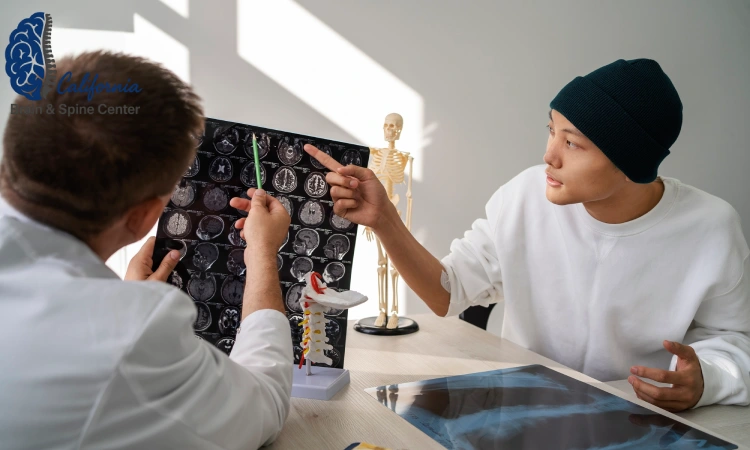
A hard hit to the skull — for instance, in contact sports or a car accident — can cause the brain to collide with the inside of the skull. This collision can lead to bruising (contusions) or small tears in blood vessels, along with the stretching of brain tissue. -
Rotational Forces:
When the head rapidly twists or rotates, shear forces can damage the brain’s soft tissues. Even without a direct blow, these rotational movements can lead to concussive symptoms or mild TBI.
Secondary Processes
-
Inflammation:
Any injury triggers the body’s inflammatory response, which can cause swelling in the brain, exacerbating symptoms and slowing recovery. -
Neuron Chemical Changes:
A concussion or mTBI can disrupt neurotransmitter levels, leading to short-term or long-term alterations in cognitive and emotional functioning. -
Energy Crisis in Brain Cells:
Damaged neurons may struggle to regulate their energy usage, leading to cells that cannot effectively communicate. This deficit can manifest in memory issues, difficulty focusing, or mood changes.
The Importance of Prompt Evaluation
Understanding the mechanisms of brain injury highlights the need for immediate evaluation. Because the brain doesn’t always show overt physical signs of damage, many people underestimate the severity of a blow to the head. Early assessment can detect red flags like excessive drowsiness, persistent vomiting, or unrelenting headaches that may indicate more serious issues.
Symptoms & Overlaps in Concussion vs. Mild Traumatic Brain Injury
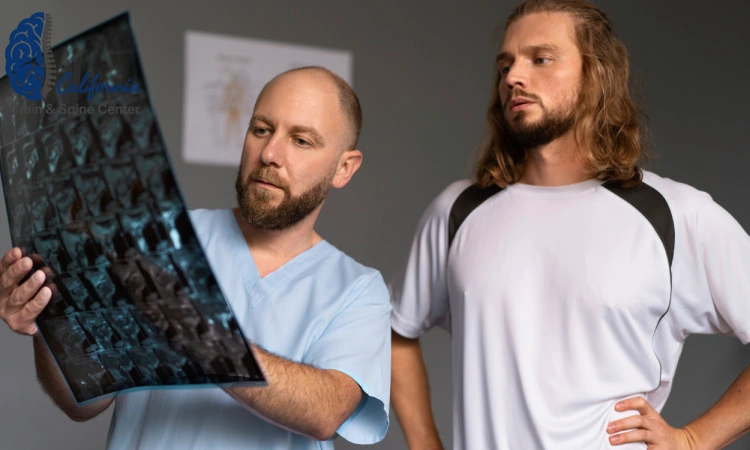
While both concussion and mild TBI often share a symptom profile, subtle differences can emerge depending on factors like individual susceptibility, injury severity, and the presence of any prior head injuries.
Common Physical Symptoms
-
Headaches: Often described as dull, throbbing, or pressure-like.
-
Nausea & Vomiting: Usually more prevalent in the early stages of injury.
-
Dizziness & Balance Issues: Trouble walking straight or feeling “off-balance.”
-
Visual Disturbances: Blurred vision, light sensitivity, or double vision in more severe cases.
Cognitive & Emotional Indicators
-
Confusion & Disorientation: Difficulty in understanding one’s surroundings or the passage of time.
-
Memory Lapses: Forgetting events immediately before or after the injury.
-
Concentration Challenges: Difficulty focusing on tasks, reading, or retaining new information.
-
Irritability & Mood Swings: Feeling short-tempered, anxious, or depressed.
When to Seek Medical Help
If any of these symptoms persist or worsen after a presumed mild head injury, it’s crucial to consult a healthcare professional. Early medical intervention not only rules out severe complications like bleeding in the brain but also sets the foundation for a faster recovery.
Symptoms that persist for more than a few weeks may point toward Post Concussion Syndrome or a more significant TBI. Don’t hesitate to reach out for specialized care — a quick response often translates to better long-term outcomes.
Concussion vs. Mild Traumatic Brain Injury in Different Contexts
Not all head injuries occur under the same conditions. The cause, environment, and demographic factors can shape how Concussion vs. Mild Traumatic Brain Injury presents, how quickly it’s diagnosed, and the kind of treatment required.

Sports Injuries
-
High-Impact Sports: Football, hockey, and rugby expose athletes to repetitive sub-concussive hits, potentially increasing the likelihood of mild TBI.
-
Return-to-Play Protocols: Many athletic organizations have rigorous steps to ensure players are symptom-free before resuming activity.
Motor Vehicle Accidents
-
Whiplash-Like Motions: Even if your head doesn’t strike a surface, the rapid acceleration and deceleration can cause your brain to jostle within your skull.
-
Delayed Symptoms: In some cases, individuals walk away from an accident feeling “fine,” only to develop headaches or cognitive issues days later.
Falls & Daily Activities
-
Older Adults: A simple slip-and-fall can lead to a concussion or mild TBI, especially in older adults who may already have fragile bones and reduced coordination.
-
Household Incidents: Hitting one’s head on a low ceiling or cabinet can sometimes cause a concussion, highlighting that these injuries can happen in everyday scenarios.
Occupational Hazards
Construction sites, factories, and even office settings can pose risks for head injuries. Employers are mandated to maintain a safe work environment, but accidents can still happen. Understanding the difference between concussion and mild TBI in occupational settings ensures timely diagnosis and support, potentially preventing prolonged absenteeism or disability claims.
The Role of Diagnosis & Advanced Imaging
Given the subtle nature of Concussion vs. Mild Traumatic Brain Injury, doctors must rely on a combination of clinical evaluation, patient history, and sometimes advanced imaging techniques to pinpoint the injury’s extent.
Clinical Evaluations & Screening Tools
-
Glasgow Coma Scale (GCS): Assesses a patient’s level of consciousness, with scores ranging from mild to severe.
-
Cognitive Tests: Simple tasks like counting backward, memory recall, or naming objects help evaluate mental function.
-
Neurological Exams: Checking reflexes, balance, and sensory responses provides insight into potential neurological deficits.
Imaging Methods
-
CT Scans: Often the first imaging done in an emergency room to rule out life-threatening issues like bleeding in the skull.
-
MRI: More detailed images of brain tissue but may still miss microscopic injuries characteristic of mild TBI.
-
Diffusion Tensor Imaging (DTI): Can detect subtle changes in the brain’s white matter, revealing micro-tears or stretching of neuronal fibers often associated with concussions or mTBIs.
Why Proper Diagnosis Matters
Accurate identification of a concussion or mild TBI can inform everything from medication use to recommendations for rest and rehabilitation. Missing a diagnosis can lead to prolonged symptoms or even the risk of a second, more damaging blow to the head if the patient resumes normal activities too soon.
Treatment Approaches & Recovery in Concussion vs. Mild Traumatic Brain Injury
Treatment for Concussion vs. Mild Traumatic Brain Injury is often similar, emphasizing rest, gradual return to activities, and sometimes therapy to address physical, cognitive, and emotional symptoms.
Initial Management
-
Physical Rest: Limiting physically demanding tasks and staying away from sports or intense workouts.
-
Cognitive Rest: Reducing screen time, reading, or anything that strains the brain.
-
Monitoring Symptoms: Keeping track of headaches, concentration levels, and emotional changes.
Ongoing Rehabilitation
-
Physical Therapy: Exercises tailored to improve balance, coordination, and neck strength.
-
Occupational Therapy: Helps individuals manage daily tasks more effectively if cognitive or physical limitations persist.
-
Psychological Support: Counseling or therapy for anxiety, depression, or irritability that may arise post-injury.
Lifestyle Adjustments
-
Nutrition & Hydration: Brain-healthy foods (rich in omega-3s, antioxidants, etc.) and adequate water intake support the healing process.
-
Sleep Hygiene: Consistent sleep schedules and avoiding stimulants like caffeine late in the day can significantly improve recovery outcomes.
-
Gradual Return to Activities: Work with medical professionals to develop a step-by-step plan that reintroduces tasks based on symptom progression.
When to Seek Specialized Care at California Brain & Spine
If you or a loved one is dealing with persistent symptoms or uncertainty regarding Concussion vs. Mild Traumatic Brain Injury, it may be time to seek specialized care. At California Brain & Spine, our team of neurosurgeons, neurologists, and rehabilitation experts work together to deliver personalized treatment plans.
We understand how crucial it is to address each patient’s unique experience. Whether you’re an athlete concerned about returning to play or a parent looking to ensure your child’s brain is healing correctly, our comprehensive diagnostic tools and evidence-based therapies offer the support you need.
Don’t let ongoing symptoms disrupt your life. Schedule a consultation with us today to explore your best path toward recovery and long-term brain health.
Building Awareness & Prevention Strategies
While accidents can happen in any setting, several proactive measures can minimize the risk of Concussion vs. Mild Traumatic Brain Injury and improve outcomes if they do occur.
Protective Equipment
-
Helmets: Essential for sports like football, hockey, and biking.
-
Seatbelts: Properly worn seatbelts in vehicles reduce the severity of head injuries during collisions.
-
Workplace Safety Gear: Hard hats, harnesses, and other safety devices can be lifesaving in construction and industrial environments.
Education & Training
-
Sports Programs: Increasingly, coaches, trainers, and athletes are educated on spotting concussion symptoms early.
-
Community Workshops: Public seminars on fall prevention, especially for older adults, reduce the risk of head injuries at home.
-
School Curricula: Many educational systems integrate lessons on head injury prevention and symptom recognition.
Swift Action Post-Injury
Even the best preventative measures can’t eliminate all risks. If you suspect a head injury, take it seriously:
-
Stop Activity Immediately: Continuing to play a sport or engage in strenuous work can exacerbate the injury.
-
Seek Evaluation: Medical professionals can confirm or rule out a mild TBI and advise on the right course of action.
-
Follow Up: Adhering to follow-up appointments ensures you stay on track for a full and healthy recovery.
Comparing Prognoses: Concussion vs. Mild Traumatic Brain Injury
While both concussion and mTBI typically suggest a better prognosis than moderate or severe TBIs, it’s important to recognize that each individual’s path to recovery may differ.
Short-Term Outlook
-
Concussion:
Many individuals improve over the course of two to four weeks, particularly if they adhere to recommended rest guidelines. However, about 15-20% may deal with persistent symptoms. -
Mild TBI:
While initial severity is considered “mild,” some people report ongoing physical, cognitive, or emotional symptoms beyond the typical recovery window.
Long-Term Outlook
-
Risks of Repeated Injury:
Multiple concussions or mild TBIs can compound damage, making the brain more susceptible to future injuries and potential chronic conditions. -
Emotional Well-Being:
Extended recovery times can lead to frustration, anxiety, and even depression. Psychological support plays a significant role in overall outcomes.
Recognizing Post Concussion Syndrome
In cases where symptoms persist longer than expected, individuals may be diagnosed with Post Concussion Syndrome. This condition underscores the complexity of Concussion vs. Mild Traumatic Brain Injury, as what is deemed “mild” early on can still result in protracted challenges.
Summary
Understanding Concussion vs. Mild Traumatic Brain Injury is more than a matter of semantics — it can shape everything from patient expectations to treatment protocols and prevention strategies. While a concussion is commonly viewed as a single event (often classified under mTBI), mild TBI is a broad term encompassing a range of head injuries with varying outcomes. Both can stem from similar mechanisms (direct impact, rotational forces) and share overlapping symptoms (headaches, dizziness, cognitive disruptions), yet subtle differences in recovery timelines, medical coding, and public perception persist.
Early diagnosis and appropriate management are critical, whether you’re coping with a straightforward concussion or facing a more complex mild TBI scenario. Treatments often involve a balance of rest, gradual reintroduction to activities, and targeted therapies to address lingering symptoms. Prevention strategies — including protective gear, education, and early symptom recognition — can significantly reduce the incidence and severity of head injuries.
If you suspect you have sustained a concussion or mild traumatic brain injury, seeking specialized care ensures you receive the comprehensive evaluation and tailored support necessary for recovery. California Brain & Spine is dedicated to helping patients navigate every stage of healing, from initial diagnosis through long-term rehabilitation.
Frequently Asked Questions (FAQs)
1. Is a concussion always considered a mild traumatic brain injury?
In most medical contexts, a concussion is classified as a form of mild traumatic brain injury. However, the term “concussion” can specifically refer to the event of sustaining a blow or jolt to the head, whereas “mild TBI” may encompass a broader range of injuries.
2. What should I do if I suspect someone has a concussion or mild TBI?
Encourage them to stop any physical activity immediately and seek medical evaluation. Early assessment can rule out severe complications and guide appropriate steps for care.
3. How long does it take to recover from a concussion vs. mild traumatic brain injury?
Recovery timelines vary widely. Some individuals recover within weeks, while others can experience symptoms for months. Following medical advice and avoiding activities that risk another head injury are critical for healing.
4. Do I need imaging like an MRI or CT scan if I have a mild TBI?
Most mild TBIs don’t show up on standard imaging. However, doctors often recommend a CT scan initially to rule out serious complications such as bleeding. Advanced methods like Diffusion Tensor Imaging can detect microstructural changes when standard scans appear normal.
5. Can children experience different symptoms than adults with mild TBI?
Yes. Children may have difficulty articulating headaches or dizziness. Instead, they might be irritable, experience changes in sleep or appetite, or show reduced academic performance. Monitoring their behavior closely is crucial.
6. What is Post Concussion Syndrome?
Post Concussion Syndrome occurs when concussion symptoms last longer than the typical recovery period, sometimes for months or even years. It highlights that even mild traumatic brain injuries can have lasting effects if not properly managed.
7. Is there a risk in returning to sports too soon after a concussion?
Absolutely. Prematurely returning to high-impact activities increases the risk of second-impact syndrome, where a subsequent head injury can cause severe, life-threatening complications. Always follow a medically supervised return-to-play protocol.
 Alireza Chizari, MSc, DC, DACNB
 Clinical Focus
 Assessment & Treatment Approach
Objective testing may include:
Treatment programs may involve:
 Clinic Information
 Medical Review
 Disclaimer