
Cant Fall Asleep?
You lie down, the room is quiet, and your mind revs like an engine at a red light. If you’ve whispered “Cant Fall Asleep?” to the ceiling more times than you can count, please know this: your brain isn’t broken, and your nights are not a lost cause. As a neurologist, I’ve watched patients go from restless and discouraged to steady, peaceful sleepers without gimmicks. The path forward uses the same principles your brain already trusts: rhythm, repetition, and cues. When you understand why Cant Fall Asleep? keeps showing up and which levers actually work, you can train your nights to run on autopilot again.
Sleep, Simply Explained: Why the Brain Sometimes Hovers at the Edge

Falling asleep is the meeting point of two powerful systems:
-
Sleep drive (homeostatic pressure): Every waking minute builds the need for sleep; naps, late lie-ins, and evening dozing lower this pressure and make the night “slippery.”
-
Circadian rhythm (body clock): Light exposure and consistent timing align hormones, temperature, and alertness. Mis-timed light or irregular schedules can make even a tired person say, “Cant Fall Asleep?”
Add common triggers late caffeine, heavy meals, blue-white light, pain, anxiety and the system stalls at the threshold. The good news: each trigger is adjustable. Most “Cant Fall Asleep?” moments are not mysteries; they’re patterns you can retrain.
Quick Safety Check: When to Talk to a Clinician First
Before you tweak your routine, scan for medical contributors that can masquerade as simple insomnia:
-
Loud snoring, gasping, morning headaches (possible sleep apnea)
-
Restless legs or night-time leg kicks
-
Reflux, chronic pain, menopausal symptoms, thyroid issues
-
Stimulants, decongestants, some antidepressants, nicotine, late alcohol
If those fit, address them alongside the strategies below. If not, jump in these evidence-backed fixes help most people who keep thinking, “Cant Fall Asleep?”
The 12 Fixes: Practical, Proven, and Kind to Your Nervous System
1) Fix your wake-up time (the strongest lever)
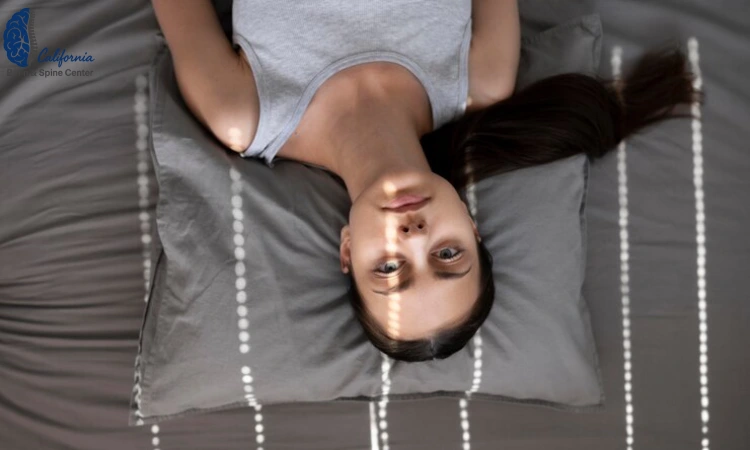
If you wake up at a consistent time even after a rough night your clock anchors itself. Morning light within 30–60 minutes of rising locks in that anchor. A stable wake time raises sleep pressure predictably, so by bedtime you’re more likely to say goodbye to “Cant Fall Asleep?” without trying harder.
How to do it: Pick a realistic wake time you can keep 7 days a week. Step into daylight or bright indoor light soon after waking.
2) Dim and “warm” your evenings
Evening light tells your brain “daytime,” especially overhead, bright, cool-white LEDs. Screens held near your eyes amplify the message. If you often mutter “Cant Fall Asleep?” after scrolling, it’s not a character flaw it’s light biology.
How to do it: Two hours before bed, dial down brightness, switch to warm tones, and keep screens at or below eye level (fewer photons directly hitting the retina). Use the smallest light needed for what you’re doing.
3) Match time in bed to actual sleep (sleep compression)
Spending nine hours in bed when you typically sleep six trains your mind that bed = awake time. A brief period of “sleep compression” aligns your time in bed with your average sleep, consolidating drowsiness and shrinking the window where Cant Fall Asleep? sneaks in.
How to do it: Track a week. If you average 6.5 hours of sleep, set a 6.5–7 hour “sleep window” (count backward from your fixed wake time). When sleep becomes more efficient, expand by 15–20 minutes every few nights.
4) Use stimulus control: leave the bed when wakeful
Trying harder keeps the brain alert. If you’re awake ~20–30 minutes, get out of bed. That move though counterintuitive breaks the bed = wakefulness association that fuels “Cant Fall Asleep?” loops.
How to do it: Keep lights dim. Do a calm, low-interest activity (paper reading, simple puzzle). Return when eyelids feel heavy.
5) Install a repeatable wind-down (10–60 minutes)
Rituals teach your nervous system what comes next. A small, consistent sequence outperforms a complicated routine you can’t keep. If “Cant Fall Asleep?” shows up at lights-out, your pre-sleep “lullaby” isn’t yet strong enough.
How to do it: Choose two low-stimulation steps (gentle stretching + paper book; warm shower + breathing). Same order, most nights.
6) Land your caffeine, alcohol, and nicotine at sleep-friendly times
-
Caffeine: last dose 8–10 hours before bed.
-
Alcohol: can speed sleep onset but fragments the second half. If “Cant Fall Asleep?” is a frequent guest, skip evening drinks during your reset.
-
Nicotine: stimulant; avoid within four hours of bed.
7) Cool, quiet, and breathable bedroom
Your core temperature naturally dips at night. If your room or bedding traps heat, awakenings rise and onset stalls. Many “Cant Fall Asleep?” nights resolve when the room gets cooler and airflow improves.
How to do it: Aim for ~17–19°C, use breathable sheets, and a fan for airflow. Consider white/brown noise to blunt sudden sounds.
8) Eat earlier and lighter at night
Large, late meals or spicy/acidic foods often trigger reflux or subtle arousal that reads as “Cant Fall Asleep?” in the moment.
How to do it: Finish dinner 3+ hours before bed. If you need a snack, pick a small, protein-forward option and keep portions modest.
9) Offload your thoughts before bed
Your brain loves unfinished tasks. Without a plan, it will plan at 1 a.m. If the headline in your mind is “Cant Fall Asleep? because my thoughts won’t stop,” give those thoughts a container earlier.
How to do it: Hold a 10-minute “worry time” in the late afternoon: list concerns and the very next action for each. At night, when thoughts arrive, tell yourself, “Booked for tomorrow’s list,” jot a quick note, and return to stillness. Pair this with a cognitive shuffle (imagine neutral items in random order: apple, mailbox, river stone…) or a slow body scan.
10) Move your body at the right time
Regular daytime activity strengthens sleep drive and mood regulation. Many people report “Cant Fall Asleep?” on sedentary days and easier onset after a brisk, daylight walk.
How to do it: Aim for at least a short outdoor walk by midday. If vigorous workouts near bedtime rev you up, shift them earlier.
11) Guard against accidental evening naps and couch dozing
Those tiny “I just closed my eyes for a second” moments dilute sleep pressure. Later, you’re lying in bed asking, “Cant Fall Asleep? why?” The answer is often a 7 p.m. micro-nap.
How to do it: If you’re fading in the evening, stand, stretch, splash cool water, or step into brighter light for a few minutes.
12) Learn the core of CBT-I (with or without a coach)
CBT-I cognitive behavioral therapy for insomnia is the gold standard because it directly retrains the patterns that cause “Cant Fall Asleep?” to stick. You’ve already seen its pillars above: stimulus control, sleep compression, circadian tuning, and cognitive tools. Whether self-guided or clinician-led, a focused 4–6 week plan makes sleep more automatic.
How to do it: Work one pillar at a time. Track your sleep window and efficiency (sleep time ÷ time in bed), practice leaving bed when awake, and keep your morning light and fixed wake time non-negotiable.
Struggling to fall asleep is especially frustrating when your brain is already exhausted from managing dizziness, pain, or concussion symptoms during the day. Many patients lie awake replaying events, scrolling on their phone, or trying one sleep hack after another without lasting results. If you are ready for a more structured approach, our article on falling asleep faster with evidence based night routines breaks down practical evening habits that calm the nervous system and prepare your brain for rest.
A 7-Day Starter Plan You Can Begin Tonight
-
Day 1: Choose a wake time. Set two evening rituals. Put a notepad by the bed. Morning light tomorrow.
-
Day 2: Last caffeine by early afternoon. Dim screens two hours before bed. If your mind says “Cant Fall Asleep?,” try the cognitive shuffle.
-
Day 3: Track actual sleep. Set a realistic sleep window.
-
Day 4: Add a 20–30 minute daylight walk. No evening dozing.
-
Day 5: Make dinner earlier and lighter; set the bedroom cooler.
-
Day 6: Practice stimulus control once if needed leave the bed when wakeful.
-
Day 7: Review your log. Expand your sleep window by 15–20 minutes if efficiency >85%.
Repeat the week. Momentum not perfection wins.
Motivation from a Neurologist Who’s Seen This Work
If you’ve been asking “Cant Fall Asleep?” for months, it’s easy to feel defeated. But your brain is plastic. If it learned to be awake in bed, it can learn to be sleepy in bed. The steps above aren’t punishments; they’re invitations your nervous system recognizes. One consistent wake time. One small wind-down. One gentle trip out of bed when wakefulness lingers. String these together, and the night becomes your ally again.
Over time, poor sleep does more than make you tired. It can worsen dizziness, brain fog, and emotional resilience. In our comprehensive brain fog treatment plans, we always look at sleep quality alongside cognitive and neurological testing, since restoring deep, consistent rest is one of the fastest ways to help your brain think clearly again.
When to Seek Extra Help
-
You snore loudly or gasp during sleep
-
You wake unrefreshed even after long nights
-
You have restless legs or frequent leg kicks
-
You’ve tried the plan above for 3–4 weeks with little change
-
Anxiety or mood symptoms feel overwhelming
A clinician can screen for underlying contributors and help you customize a plan so “Cant Fall Asleep?” becomes a memory rather than a habit.
Ready to make sleep reliable again? Our neurology team will analyze your pattern, design a practical CBT-I–based plan, and when appropriate coordinate targeted, non-surgical options to stabilize your nights. Start here: https://californiabrainspine.com/. Our experts will work with you to solve the problem at its root so that “Cant Fall Asleep?” stops interrupting your life.
Summary
Most people who say “Cant Fall Asleep?” are facing a retrainable pattern: mis-timed light, diluted sleep pressure, unhelpful bed associations, or evening cognitive overload. Anchor your wake time, embrace morning light, dim evenings, set a realistic sleep window, use stimulus control, and practice a simple wind-down. Add smart timing for caffeine, food, and movement, fine-tune temperature and sound, and learn the core moves of CBT-I. Track a week, adjust, and repeat. With steadiness not perfection you can turn “Cant Fall Asleep?” into “I’m out before my head hits the pillow.”
Frequently Asked Questions
1) What if I’m exhausted but still Cant Fall Asleep?
That mismatch often means your timing cues are off. Hold your wake time steady, get morning light, and compress your sleep window for a week. Many people feel drowsier at bedtime by nights 3–5.
2) Should I stay in bed and try harder when I Cant Fall Asleep?
No. If wakefulness lasts ~20–30 minutes, leave the bed in dim light and return only when sleepy. This unpairs bed and wakefulness so the next night begins easier.
3) Why do screens make me feel like I Cant Fall Asleep?
Bright, cool-white light especially close to the eyes tells your circadian system it’s earlier than it is. Lower brightness, warm the tone, and set screens below eye level. Better yet, swap screens for a paper book in the last hour.
4) Can exercise fix nights when I Cant Fall Asleep?
Regular movement helps, especially when done morning to mid-afternoon. If late workouts rev you up, shift them earlier for a week and reassess.
5) Is a glass of wine okay if I Cant Fall Asleep?
Alcohol may shorten sleep onset but it fragments the second half of the night. During your reset, skip evening alcohol and notice how your continuity improves.
6) Do supplements help with nights I Cant Fall Asleep?
Some people find modest benefit from simple options, but the biggest gains come from timing, light, stimulus control, and a steady wind-down. Consider supplements only as additions not substitutes for those pillars.
7) How long until “Cant Fall Asleep?” fades?
Many see earlier drowsiness and fewer clock-checks within 1–2 weeks. Consolidation usually strengthens by weeks 3–6. Keep going small, repeated actions change the system.
8) What if I wake at 3 a.m. even when I don’t Cant Fall Asleep?
Check temperature (cool it a bit), keep night lighting very dim, avoid late heavy meals, and use stimulus control if you’re awake too long. Consistency during the day sets up steadier nights.
👨⚕️ Alireza Chizari, MSc, DC, DACNB
🧠 Clinical Focus
🔬 Assessment & Treatment Approach
Objective testing may include:
Treatment programs may involve:
📍 Clinic Information
✅ Medical Review
⚠️ Disclaimer