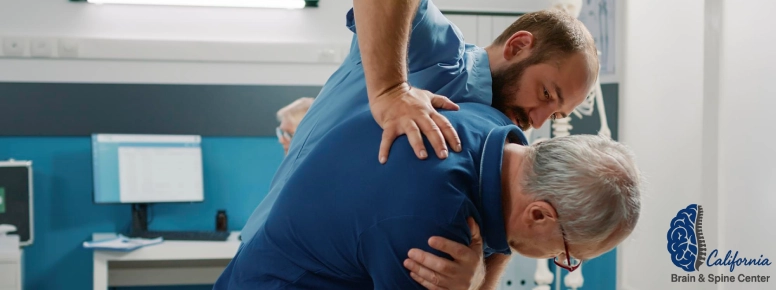
Normal scan, ongoing symptoms, and a search bar full of clinics that all sound the same. This is what actually separates them.
Choosing a concussion specialist in Calabasas comes down to a short list of questions: does the clinician measure how your eyes, balance and autonomic system are working, or only ask how you feel; is the plan built from those measurements and re-tested against them; and is anyone promising you a timeline or an outcome, which nobody can honestly do. A specialist who passes those tests is worth your time whatever the sign on the door says. One who does not is a coin flip, however good the reviews.
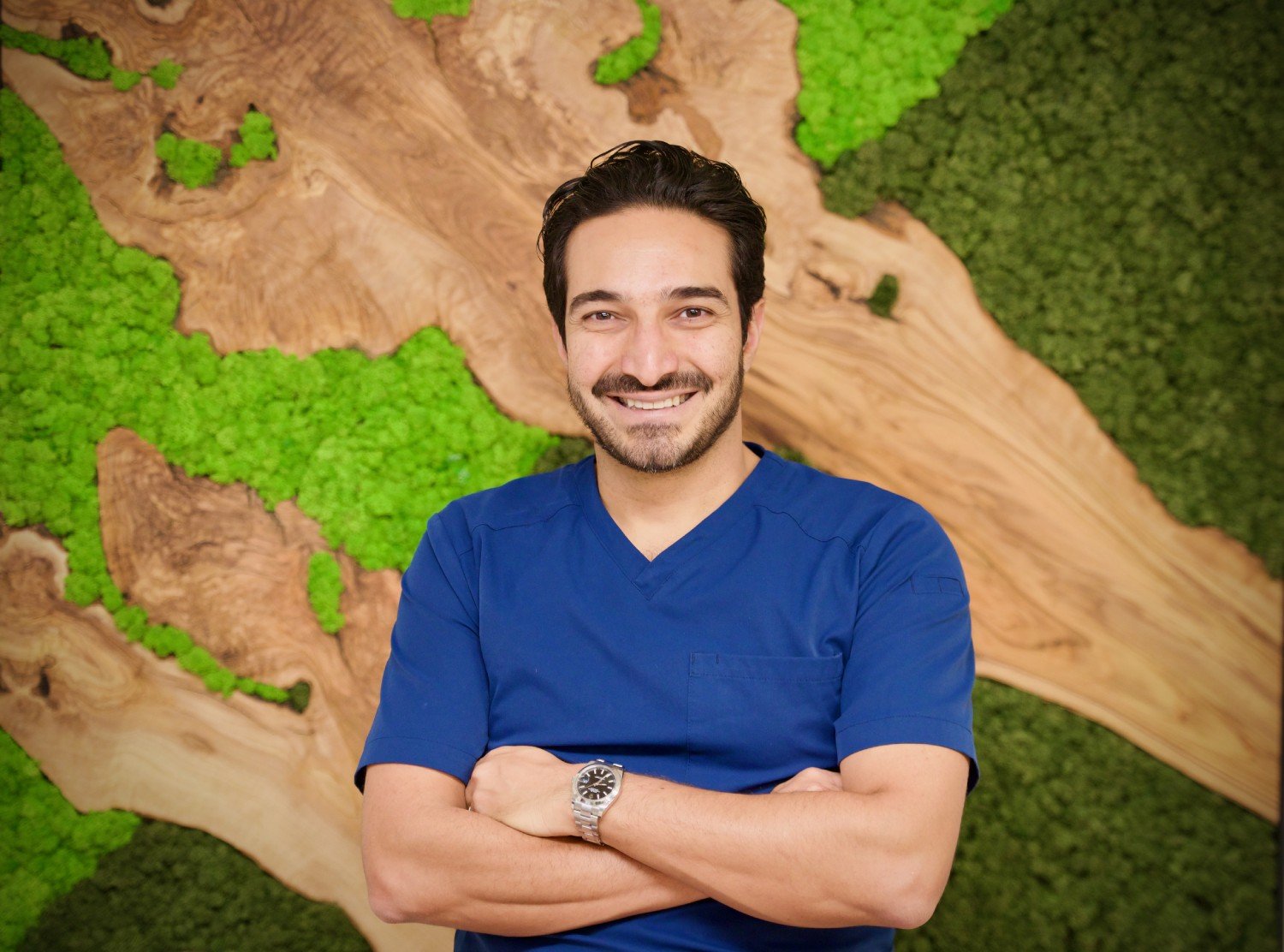
I am Dr. Alireza Chizari, DC, DACNB, a board-certified chiropractic neurologist at California Brain & Spine Center in Calabasas, and I evaluate people with lingering concussion symptoms every week: athletes from local schools, professionals from across the Valley, and drivers rear-ended on the 101. Most of them have already been told their imaging is normal. This guide explains why symptoms persist anyway, what functional neurology adds, what a concussion specialist should actually test, and how to tell a measured plan from a marketing one. For a patient's-eye view of the process, see the Concussion Recovery Story with Dr. Alireza Chizari.
The short answer
- Normal imaging does not mean normal function. Scans rule out bleeding and structural damage. They do not measure eye movements, balance or autonomic control, which is where post-concussion symptoms live.
- The credential behind "functional neurologist" is DACNB, a board certification in chiropractic neurology. Ask for it by name.
- Look for objective testing, not just a questionnaire: video eye-movement testing, computerized posturography, pupillometry, orthostatic measurements and a hands-on neurological exam, repeated to track progress.
- Walk away from promised timelines and percentages. Honest concussion care sets expectations after the evaluation and measures progress rather than predicting it.
Why Do Concussion Symptoms Persist After a Normal Scan?
Because a concussion is a functional injury, not a structural one. The CT or MRI is looking for bleeding, swelling or a fracture, and finding none is good news. The headaches, dizziness, visual strain, fog and fatigue that continue afterwards come from networks that are working poorly, the systems that control eye movement, balance, neck position sense and autonomic regulation, and those do not show up on a picture.
NINDS describes concussion as a mild TBI that "could take minutes to several months to heal", and notes that post-concussion syndrome involves symptoms that last for weeks or longer. The CDC advises seeing your healthcare provider if symptoms "do not go away within 2 to 3 weeks" or worsen after returning to regular activity. That is the point at which the question changes from "is anything damaged" to "what is not working", and it needs a different kind of examination.
In practice the persisting problems cluster. Eye-movement control stays unstable, so reading and screens exhaust the brain within minutes. Balance begins to rely on vision, so busy or moving environments feel unsteady. The upper neck, injured in the same event, feeds distorted position information upward and contributes to headache and dizziness. And the autonomic nervous system stays in a high-alert state, which shows up as exercise intolerance, poor sleep and a racing heart on standing. A concussion specialist worth choosing is one who can tell you which of these applies to you, with numbers.
What Does Functional Neurology Add to Concussion Recovery?
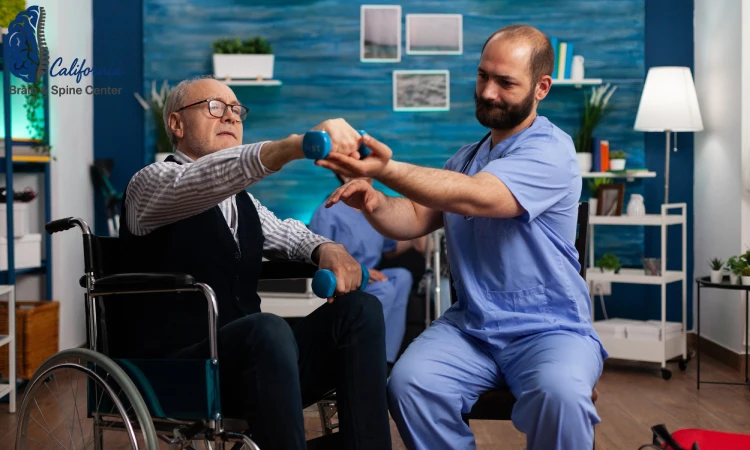
A way of examining and retraining function rather than only ruling out disease. Medical neurology asks whether there is a lesion to treat or a medication to prescribe, and both are important. Functional neurology asks which networks are underperforming, measures them, and gives the nervous system specific, graded input that it adapts around. The two are complementary, and a good concussion specialist works with your physician rather than instead of them.
A word about titles, because the search results are confusing. Many people search for "the best functional neurologist for concussion recovery", and the phrase gets used loosely. The credential behind it is the Diplomate of the American Chiropractic Neurology Board, DACNB, which is a board certification in chiropractic neurology held by a licensed chiropractor. That is my credential. It is not a medical neurology residency, and I do not present it as one. When you compare clinics, ask exactly what the clinician's license and board certification are; an honest answer is a good first sign.
What the discipline brings to concussion care is its examination. Eye movements are recorded rather than eyeballed. Balance is measured under different sensory conditions rather than with a single stand-on-one-leg test. Autonomic responses are quantified. From those findings comes a retraining plan: vestibular rehabilitation, oculomotor drills, cervical care and graded return to activity, aimed at the specific deficits found rather than at the diagnosis label.
What Should a Concussion Specialist Actually Test?
This table maps the common lingering symptoms to what is usually driving them and to what a thorough evaluation measures and then retrains. If a clinic cannot tell you which row you belong in after the first visit, it has not examined you yet.
| Concussion symptom | Why it persists | What is measured, then retrained |
|---|---|---|
| Daily headaches and neck tension | Upper-cervical joint strain and autonomic imbalance | Neurological and cervical examination, orthostatic heart-rate and blood-pressure responses; cervical care and graded aerobic activity |
| Light sensitivity and blurred vision | Mistimed ocular reflexes, overloaded visual processing | Video eye-movement (VNG) and oculomotor testing, pupillometry; saccade, pursuit and convergence retraining |
| Dizziness on head turns | Vestibulo-ocular mismatch | VNG and computerized posturography; gaze-stabilisation and habituation drills |
| Brain fog and slow processing | Reduced cognitive endurance under sensory load | Graded cognitive tasks against a baseline; dual-task training and cognitive rehabilitation |
| Emotional swings and poor stress tolerance | Autonomic system stuck on high alert | Orthostatic and pupillary measures; paced activity and calm-breathing routines, with referral to a mental-health professional when mood symptoms persist |
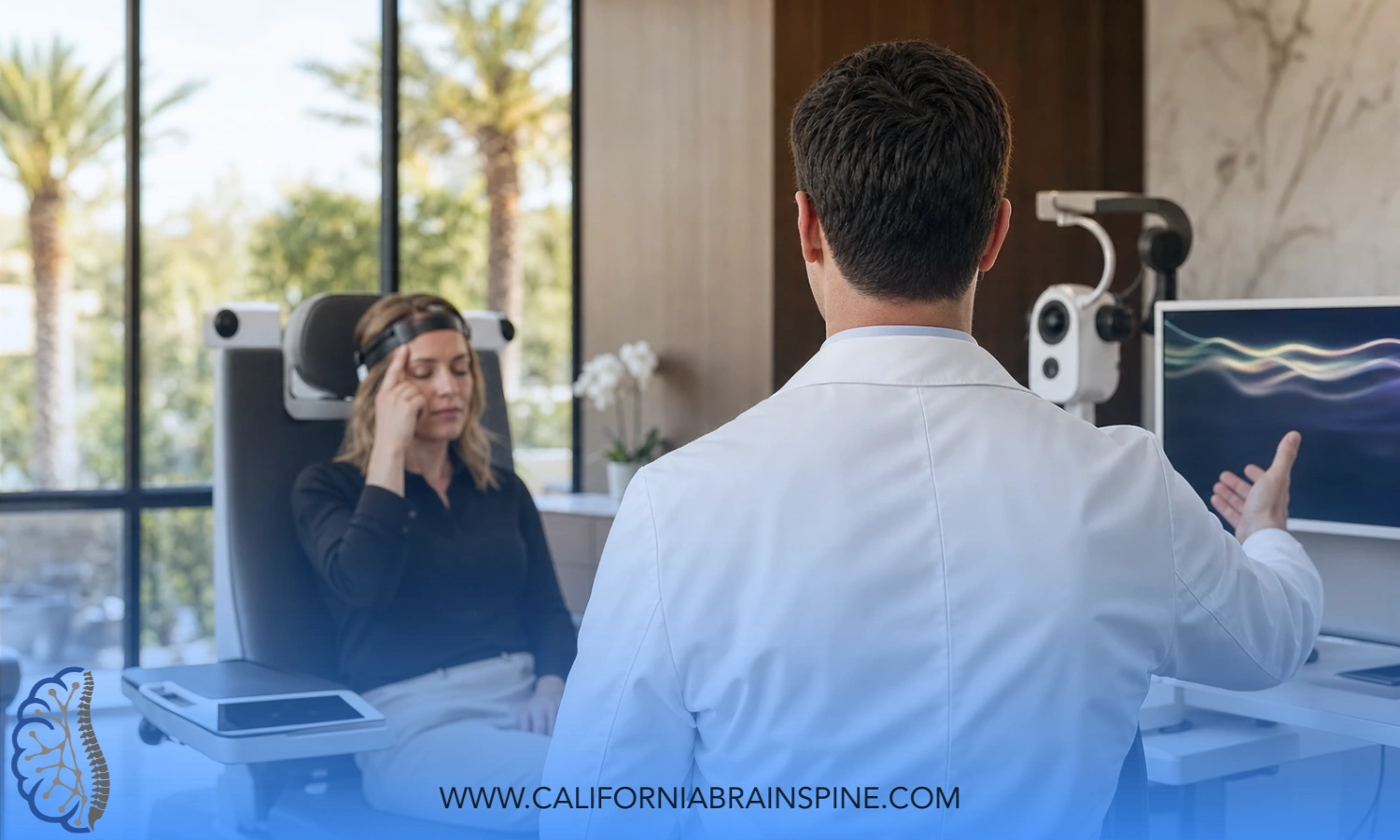
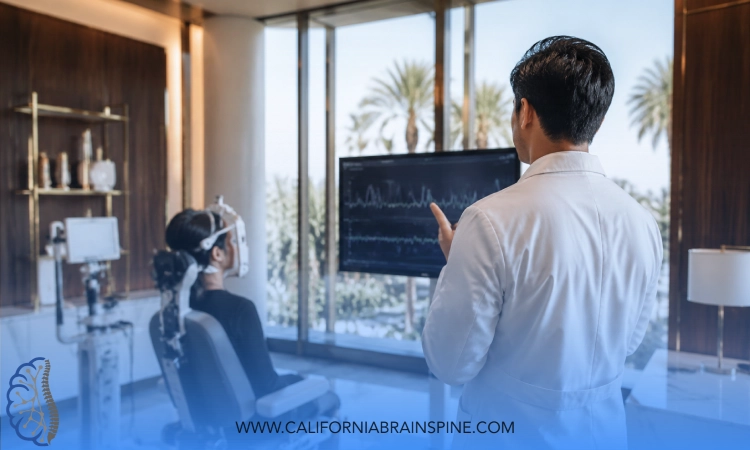
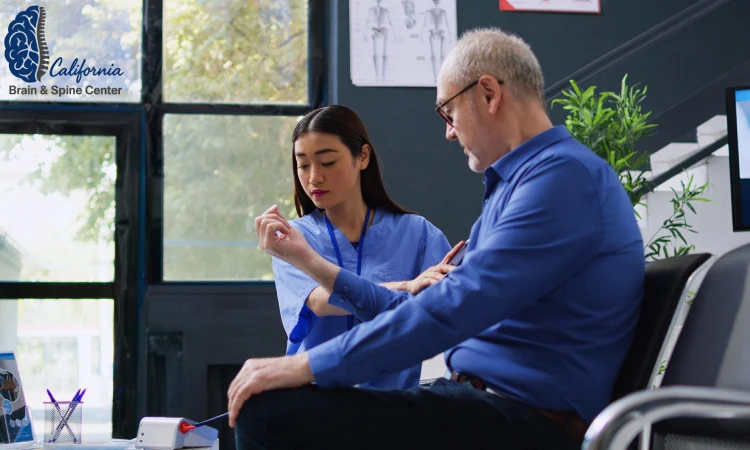
At California Brain & Spine Center the evaluation is performed by Dr. Alireza Chizari, DC, DACNB, and it includes video eye-movement and oculomotor testing, computerized posturography, pupillometry and the pupillary light reflex, orthostatic heart-rate and blood-pressure responses, and a hands-on neurological examination that includes the neck. The NIDCD describes balance testing in the same terms, from videonystagmography to posturography, and notes that more than one test is often needed to find the cause.
Told everything looks normal, but you still have symptoms?
A functional neurology evaluation at our Calabasas clinic measures eye movements, balance, pupil responses and orthostatic changes, so any concussion recovery plan is built on findings rather than on a questionnaire.
What Does the Concussion Recovery Pathway Look Like?
Evaluate, retrain, re-test, then add load. The stages below are the order in which care is usually built. How long each takes depends on what the testing finds and how your symptoms respond, which is why no timeline is attached to any of them.
Stage 1: objective evaluation
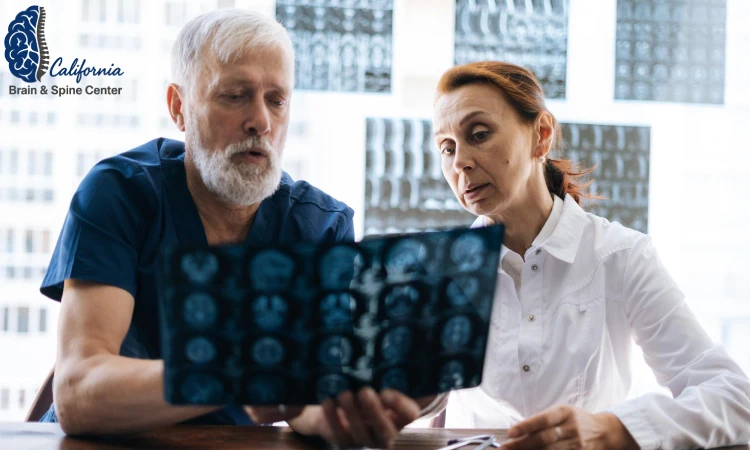
The measurements described above, plus a detailed history of the injury and everything you have tried since. The output is not a report to file. It is a baseline that every later measurement is compared against.
Stage 2: targeted retraining
Vestibular rehabilitation with gaze-stabilisation and habituation drills, oculomotor retraining for whichever eye movements tested unstable, cervical care for the neck, and a graded aerobic program that starts below the level that provokes symptoms. Where visual and balance inputs disagree, a short block of NeuroSensory Integration (NSI) may come first. Supportive technologies such as photobiomodulation or hyperbaric oxygen are options in selected cases, never the plan itself.
Stage 3: integration under load
Dual-task work that layers a cognitive task over a balance task, longer screen blocks with monitored recovery, and cardio moved toward normal. This is where daily life is rehearsed: reading in a moving car, walking through a crowded store, a full meeting on screen.
Stage 4: return to life and maintenance
Sport-specific or work-specific demands are trained last, and a short daily routine of the drills that helped most is kept. Re-testing confirms what has changed. Our post-concussion and mild TBI care page describes this pathway in full.
Throughout, medication decisions stay with your physician or medical neurologist, and we share the test results with that office. Nutrition, sleep-medicine and mental-health needs are referred to the appropriate professionals. Care at the clinic is self-pay, and a superbill is provided on request for you to submit to your insurer.
Seven Questions to Ask Before You Choose a Concussion Specialist
- What is your license and board certification? A clear answer, whether MD, DO, DC with DACNB, or a licensed therapist, is the baseline. Vague titles are a warning.
- What will you measure on the first visit? You want eye-movement recording, balance testing under different conditions and autonomic measures, not a symptom checklist alone.
- How will you know the plan is working? The right answer is re-testing the same measures. "You will feel better" is not a method.
- Who will actually treat me? Ask whether the clinician who evaluates you also delivers the care, or hands you to a rotating staff.
- How long will it take? The honest answer before testing is "I do not know yet". Anyone who quotes weeks or a success rate on the phone is guessing.
- What do you not do, and who do you refer to? A specialist who names their limits and their referral network is safer than one who claims to handle everything.
- What does it cost, and is a superbill available? Self-pay clinics should tell you plainly before you book.
The best concussion specialist is not the one with the most confident promise. It is the one who measures first and promises nothing.
Danger signs after a concussion that need emergency care, not a specialist appointment
- A headache that keeps getting worse, or repeated vomiting.
- Weakness, numbness or loss of coordination; slurred speech.
- A seizure, unusual drowsiness or inability to wake, or increasing confusion or agitation.
- One pupil larger than the other, double vision or new loss of vision.
The CDC lists these among the danger signs that call for 911 or an emergency department. Everything in this article applies after those have been ruled out.
A Patient Story From the Clinic
A software lead came to see me some months after a low-speed rear-end collision on Mulholland. His scans were clear. His symptoms were not: a headache that arrived partway through every meeting, a sense that the screen was drifting, and a stiff neck he had stopped mentioning because nobody seemed interested in it. He had already tried rest, then a return to full days, then rest again.
His evaluation showed unstable smooth-pursuit eye movements, balance that fell apart when vision was removed, an exaggerated heart-rate rise on standing, and an upper neck that reproduced his headache when examined. That combination explained the meeting-time pattern precisely: sustained screen tracking plus a fixed neck posture plus an autonomic system already running hot. His plan was oculomotor retraining, cervical care, gaze-stabilisation drills, and a graded aerobic program, with a diary and re-testing at each stage. His physician managed his medication and received the test results.
The neck-driven headaches eased first, then his screen tolerance, and his balance scores followed. He returned to full meeting days with planned breaks, and he still does a short daily routine of the drills that helped most. Details changed to protect privacy. Individual results vary, and no outcome is guaranteed.
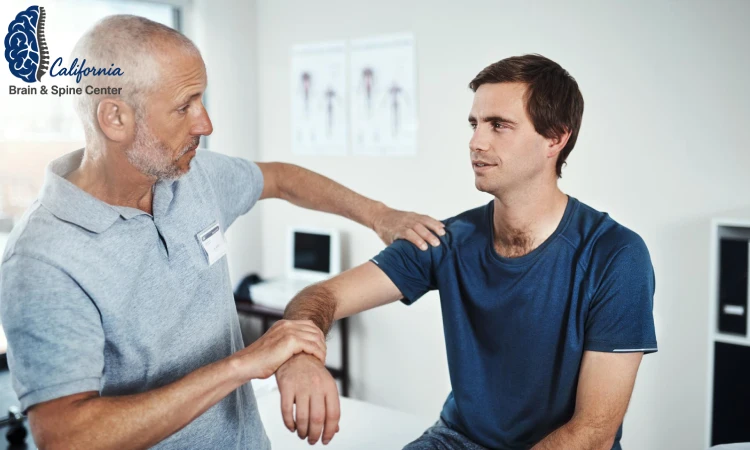
Questions Patients Ask When Choosing a Concussion Specialist in Calabasas
Is functional neurology for concussion evidence-based?
The components are. Vestibular rehabilitation, oculomotor retraining, cervical care and graded aerobic exercise each have supporting research in post-concussion care, and the CDC itself advises easing back into activity after a day or two of rest rather than prolonged rest. What functional neurology adds is the examination that decides which of those components you need. Ask any clinic what evidence supports each part of your plan; a good one will tell you.
How long before I feel better?
I do not know before the evaluation, and I would be cautious of anyone who says they do. Progress is measured by repeating the same eye-movement and balance tests at each stage of care, not by the calendar. Realistic expectations are set after testing, and they are revised as the numbers change.
Can I start if I am already on medication?
Yes. Retraining does not conflict with medication, and any change to what you take is made by the physician who prescribed it, not by us. Bring your medication list to the first visit so the plan takes it into account, and we share the test results with your prescriber.
Will the exercises make my symptoms worse?
Brief, mild increases during a drill are expected, and they are the signal that the right system is being challenged. Intensity is increased in small steps and held below the level that causes a lasting flare. If a drill reliably makes you worse for hours, that is information, and the plan is adjusted.
Do I need a referral to see a concussion specialist in Calabasas?
No referral is needed to book an evaluation at California Brain & Spine Center. Care is self-pay, and a superbill is provided on request for you to submit to your insurer for any out-of-network reimbursement your plan allows.
What to Remember When Choosing a Concussion Specialist
Persistent concussion symptoms come from systems that are working poorly, not from damage a scan can see, and the specialist to choose is the one who measures those systems, builds the plan from the findings, re-tests to prove it is working, and refuses to promise what cannot be known. Ask about credentials, ask what will be measured, and treat any quoted timeline or success rate as a reason to keep looking.
If you have been told your imaging is normal and you are still not yourself, I would be glad to measure what is actually happening. California Brain & Spine Center | (818) 649-5300 | Calabasas, CA 91302. Book online at californiabrainspine.janeapp.com.
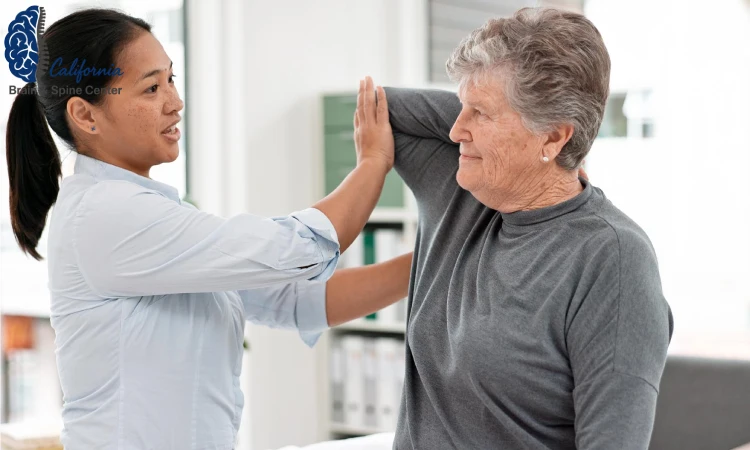
Start with measurement, not a promise
A complimentary consultation at our Calabasas clinic is a chance to talk through your injury, what you have tried, and whether a functional neurology evaluation makes sense before any care is recommended. California Brain & Spine Center, 4768 Park Granada, Ste 107, Calabasas, CA 91302.