vestibular rehabilitation therapy
Vestibular rehabilitation therapy (VRT) is a specialized exercise program that retrains the brain and inner-ear balance system through targeted head, eye, and body movements, reducing dizziness and improving stability without medication.
An Invitation to Steady Ground
If you’ve ever felt the room spin after a quick head turn, or you avoid busy supermarkets because the visual motion makes you woozy, you already know that dizziness isn’t “just in your head.” It can hijack careers, hobbies, and confidence. The good news? Vestibular rehabilitation therapy a science-driven, exercise-based program can retrain your brain and inner ear to find stable footing again. My aim in the next few pages is to demystify the process, so you leave hopeful, informed, and eager to take the first steady step.
Not sure whether your symptoms meet therapy criteria? First scan “Signs You Need Vestibular Rehab After Concussion” for the tell-tale red flags we watch for in clinic.
Meet Your Vestibular System: The Body’s Gyroscope

Deep inside each inner ear sit three fluid-filled semicircular canals and two tiny otolith organs. Together they track rotation, linear movement, and head position. Their signals travel by way of the vestibular nerve to the brainstem, cerebellum, and visual cortex. When injury, infection, crystals (benign paroxysmal positional vertigo), or age jostle that circuitry, the result is dizziness, imbalance, nausea, blurred vision, and sometimes overwhelming anxiety.
Why Traditional “Quick Fixes” Often Fall Short
Medication can numb symptoms but rarely corrects faulty reflexes. Bed rest might quiet vertigo for a day, yet prolonged inactivity weakens the very muscles and neural pathways that keep us upright. Vestibular rehabilitation therapy takes a different route: it uses targeted movements to recalibrate the nervous system itself, rebuilding balance from the inside out.
Core Principles of Vestibular Rehabilitation Therapy
Adaptation
The brain can learn to reinterpret mismatched signals. Repeated, controlled head movements encourage neurons to dial down dizziness over time.
Habituation
By gently provoking the motions that trigger symptoms, the therapy desensitizes the system much like easing allergy symptoms through gradual pollen exposure.
Substitution
When certain inner-ear inputs are permanently damaged, the brain can lean more on vision, proprioception, or the contralateral ear. Special balance drills enhance these backup pathways.
Conditions That Benefit
| Diagnosis | Typical Goals of Therapy |
|---|---|
| Benign paroxysmal positional vertigo (BPPV) | Eliminate spinning with positional maneuvers; prevent recurrence. |
| Vestibular neuritis/labyrinthitis | Restore gaze stability and reduce oscillopsia. |
| Concussion-related dizziness | Re-integrate visual-vestibular reflexes, sharpen reaction time. |
| Menière’s disease (between episodes) | Improve balance confidence; reduce fall risk. |
| Age-related multisensory loss | Enhance proprioceptive feedback; bolster safe gait. |
The Building Blocks: What To Expect

Initial Evaluation
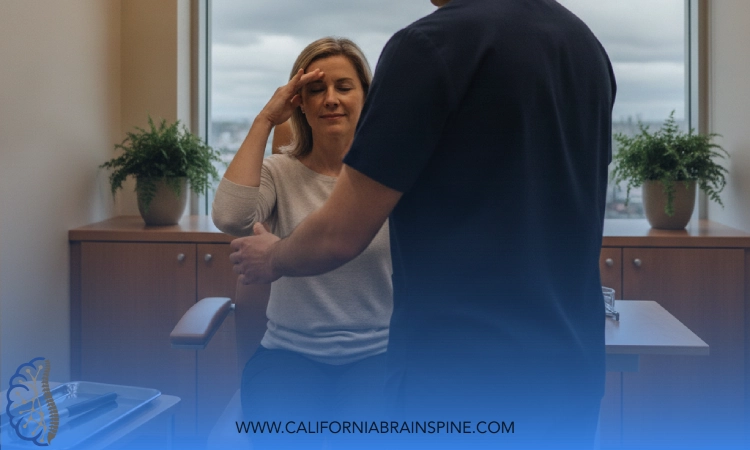
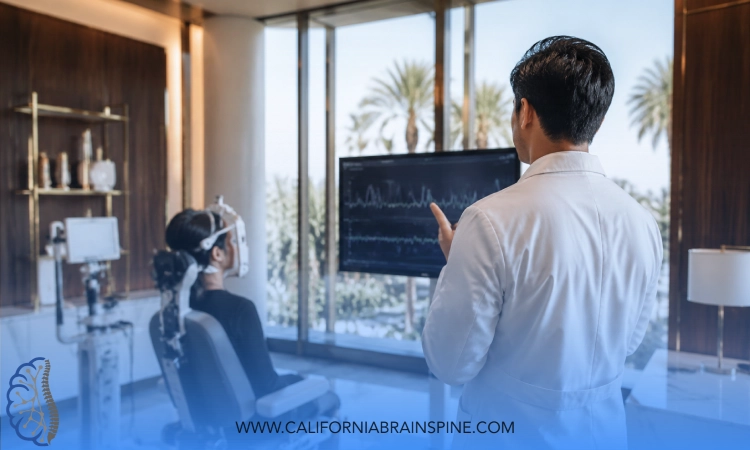
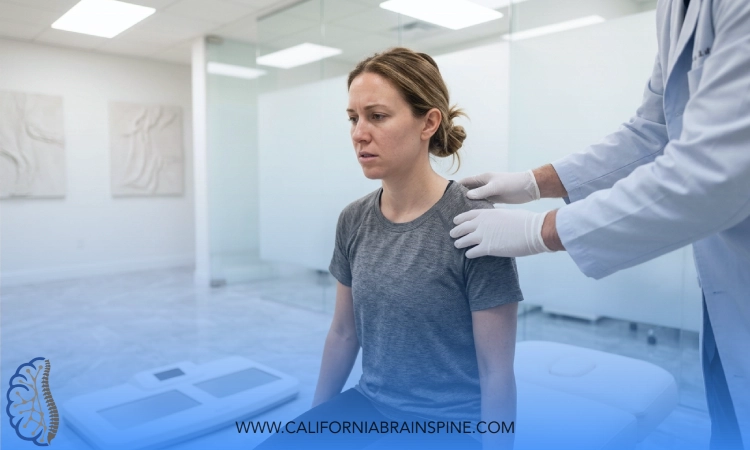
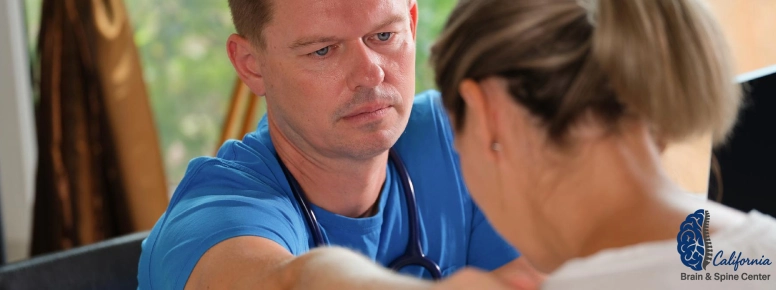
Your vestibular therapist often a specially trained physical therapist runs a 60-minute assessment that includes eye-tracking with infrared goggles, head-thrust tests, balance platform measurements, and a detailed history of triggers. Clear goals are set together: “Walk grocery aisles for 30 minutes with no dizziness within eight weeks.”
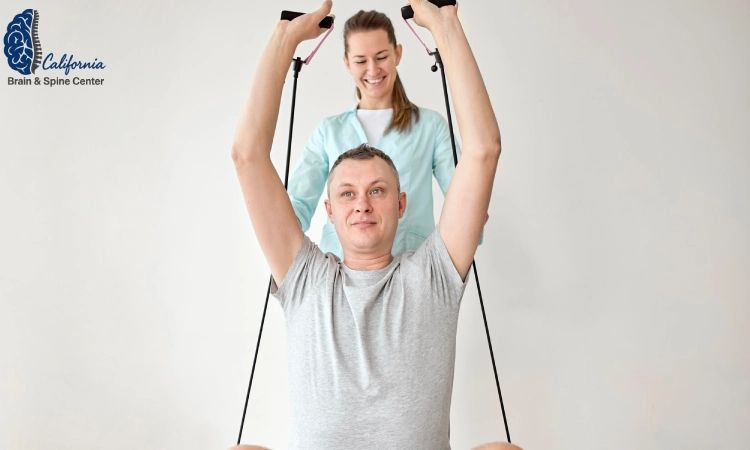
Custom Exercise Progression
-
Gaze-Stabilization Drills (X1/X2): Focus on a single letter while turning the head horizontally or vertically. This sharpens the vestibulo-ocular reflex.
-
Balance Retraining: Tandem walking, foam-surface stance, or single-leg stands build ankle and core stability.
-
Dynamic Visual Motion: Scrolling pattern videos or busy environment walks reduce visual-induced dizziness.
-
Functional Dual Tasks: Carrying groceries while turning the head, or reading signs while walking, prepares you for real-world multitasking.
Frequency and Duration
Most programs run two supervised sessions per week plus twice-daily home drills. Typical length: 4–8 weeks, though chronic or complex cases may need longer.
How Vestibular Rehabilitation Therapy Works at the Neural Level
✅ Synaptic Plasticity: Repetition strengthens new, accurate signal pathways.
✅ Cerebellar Calibration: The “little brain” recalibrates timing between head motion and eye response.
✅ Autonomic Quieting: As dizziness drops, heart-rate variability improves, reducing fight-or-flight surges.
✅ Psychological Uplift: Mastering exercises builds confidence, shrinking the anxiety that amplifies symptoms.
Evidence & Outcomes You Can Trust
Over 200 peer-reviewed studies show that vestibular rehabilitation therapy can slash dizzy episodes by up to 80 %, cut fall risk in half for older adults, and return athletes to play weeks sooner after concussion. MRI and functional-EEG data confirm measurable changes in proprioceptive and cerebellar networks following consistent practice.
A Day-by-Day Success Snapshot

Week 1: Brief dizziness during drills but early sparks of stability.
Week 2–3: Able to cook dinner without leaning on countertops; fewer sudden spins.
Week 4–5: Navigates crowded mall with mild unease only; sleep improves.
Week 6+: Runs to catch a bus, head swiveling freely no lingering vertigo.
Integrating Mind and Body for Full Recovery
Because stress and neck tension can magnify vertigo, many clinics including ours pair vestibular rehabilitation therapy with breathing techniques, mindfulness, and gentle cervical spine mobilizations. The result is a comprehensive program that treats the person, not just the labyrinth.
Your Next Step: Healing Happens When You Move
At California Brain & Spine, our neurologists, vestibular PTs, and neuro-optometrists collaborate under one roof. We leverage cutting-edge diagnostics and tailor vestibular rehabilitation therapy to your life whether you’re a marathoner or a gardening enthusiast. Ready to steady your world? Book a balance evaluation today and start walking with confidence again.
Summary
Vestibular rehabilitation therapy is a targeted, exercise-based program that uses adaptation, habituation, and substitution to recalibrate the inner-ear and brain networks responsible for balance and clear vision. Through gaze-stabilization drills, balance retraining, and real-world motion practice, patients can dramatically reduce dizziness, prevent falls, and reclaim everyday activities without relying on medication. Consistency, expert guidance, and a sprinkle of courage are the keys to success.
Frequently Asked Questions
-
Does vestibular rehabilitation therapy make dizziness worse before it gets better?
Mild, short-lived symptom flare-ups are common in the first week. They signal that your nervous system is learning. Most patients notice steady improvement after that. -
Can I do the exercises at home?
Absolutely. Home drills are the backbone of progress. Your therapist will demonstrate, record, and adjust them as you improve. -
How soon will I see results?
Many feel subtle gains such as steadier vision when reading signs within two weeks. Significant, lasting change usually appears by weeks 4 to 6. -
Is vestibular rehabilitation therapy safe for seniors?
Yes. Exercises are tailored to each individual’s strength and mobility level, and fall-prevention strategies are built into every session.
Don’t let dizziness dictate your calendar. Schedule your personalized vestibular assessment at California Brain & Spine today call (555) 123-4567 or visit our website to reserve your spot. Together, we’ll help your world stop spinning so you can move forward with confidence.
 Alireza Chizari, MSc, DC, DACNB
 Clinical Focus
 Assessment & Treatment Approach
Objective testing may include:
Treatment programs may involve:
 Clinic Information
 Medical Review
 Disclaimer