Visual Snow after Concussion: Why Your Vision Isn’t Clearing
If you are dealing with visual snow after concussion, I want you to know something right away: you are not imagining it, and you are not overreacting. When your vision looks grainy, flickery, static-like, or strangely overstimulating after a head injury, it can be deeply unsettling, especially when people around you assume it should have cleared by now.
I, Dr. Alireza Chizari, DC, DACNB, work with patients in Calabasas and across Southern California who are trying to make sense of persistent post-concussion symptoms, including visual disturbances, dizziness, brain fog, balance problems, and sensory overload. This page is here to help you understand why visual snow after concussion may happen, what it can mean in a neurological and functional context, and how a personalized evaluation may help guide the next step.
My role is not to dismiss what you feel or to give you vague reassurance. My role is to listen carefully, assess the systems that may be contributing to your symptoms, and help build a thoughtful plan that supports recovery, function, and confidence.
If you have been waiting for your vision to “just go back to normal” and it has not, this article will walk you through what we look at and how California Brain & Spine Center may help.
A Short, Honest Answer
|
Get Clearer Guidance for Visual Snow after Concussion
If your vision still feels off, grainy, overstimulated, or disconnected after a concussion, a focused neurological and vestibular evaluation may help clarify what is driving those symptoms and what kind of treatment may actually fit.
Why Visual Snow after Concussion Can Feel So Confusing
One of the hardest parts of visual snow after concussion is that it does not always fit neatly into a simple explanation. A person may say, “My eyes check out, but my vision still feels wrong.” That experience is more common than many people realize. After a concussion, the brain may struggle with how it filters, organizes, and stabilizes visual information. The eyes may be physically intact, while the brain’s visual networks are still under stress.
Some patients describe it as static across the room. Others notice flickering, shimmering, trailing lights, difficulty tolerating screens, sensitivity in grocery stores, poor focus in busy environments, or a sense that everything is visually “too much.” When this is combined with dizziness, neck tension, headaches, light sensitivity, or brain fog, daily life can start feeling smaller and more exhausting.
That is why visual snow after concussion should not be reduced to a minor annoyance. It can affect driving, reading, work performance, confidence, sleep, and the ability to feel safe in one’s own body.
Healing often begins when a patient finally hears, “Yes, your symptoms are real, and yes, there is a reason to look deeper.”
What Visual Snow after Concussion May Actually Mean
In clinical practice, visual snow after concussion may reflect a combination of factors rather than one isolated cause. A concussion can affect visual processing pathways, eye movement coordination, vestibular integration, autonomic balance, sensory filtering, and brain energy regulation. If the brain is working harder than it should just to process ordinary input, visual symptoms can linger.
It may involve brain-based visual processing, not just eyesight
Many patients assume persistent static-like vision must be strictly an eye issue. But after concussion, the brain’s ability to interpret visual information can be disrupted. This can create an ongoing mismatch between what the eyes send in and how the brain organizes that input. In those cases, treatment has to look beyond basic eyesight alone.
It may overlap with vestibular and sensory dysfunction
The visual and vestibular systems constantly work together. If vestibular function is impaired after a head injury, the brain may struggle to stabilize the visual world, especially with motion, crowds, patterned environments, scrolling screens, or fluorescent lighting. Some patients also develop sensory overload, where the nervous system has trouble filtering visual noise.
It may be worse when the nervous system stays dysregulated
When the autonomic nervous system is stuck in a stress-heavy pattern, symptoms may persist longer. This can show up as poor stress tolerance, fatigue, lightheadedness, poor sleep, increased symptoms in stimulating environments, or feeling “wired and tired.” In some cases, calming and regulating the nervous system is an important part of the larger care plan.
Common symptoms that may travel with visual snow after concussion
| Symptom Pattern | What Patients Often Notice | Why It Matters Clinically |
|---|---|---|
| Static or grainy vision | A fine visual “snow,” flicker, or moving grain across the visual field | May suggest altered visual processing after concussion |
| Light sensitivity | Screens, sunlight, stores, or headlights feel overwhelming | Can reflect visual, migraine-related, or sensory regulation issues |
| Dizziness with visual motion | Feeling off-balance in crowds, scrolling, driving, or patterned spaces | Often points toward vestibular-visual mismatch |
| Brain fog and fatigue | Mental exhaustion after reading or visual concentration | May indicate high neurological effort for routine tasks |
| Headache and neck tension | Symptoms build throughout the day or with visual demand | May require a broader functional rehabilitation approach |
When Visual Snow after Concussion Should Be Evaluated More Carefully
Not every patient with visual symptoms needs the same workup, but persistent visual snow after concussion deserves thoughtful attention, especially if it is interfering with daily function. At California Brain & Spine Center, patients are not treated as generic concussion cases. The goal is to identify what systems may be involved and what is actually keeping recovery stuck.
Signs that it is time to stop waiting and get assessed
- Symptoms are lasting longer than expected and are not steadily improving.
- Visual snow after concussion is affecting work, school, driving, or reading.
- You also have dizziness, nausea, headaches, brain fog, or balance problems.
- Busy environments trigger overload and make you feel disoriented or exhausted.
- You have been told everything is “fine,” but you still do not feel normal.
A safety note that matters
Important: If visual symptoms are sudden, severe, rapidly worsening, or associated with acute neurological changes such as significant weakness, confusion, new speech difficulty, severe eye pain, or alarming new headache patterns, urgent medical assessment may be necessary.
A specialized concussion and neurological evaluation is helpful for persistent post-injury symptoms, but emergency symptoms should never be ignored.
The goal is not to chase symptoms blindly. The goal is to understand the pattern behind them.
How Dr. Alireza Chizari, DC, DACNB Approaches Visual Snow after Concussion
Dr. Alireza Chizari, DC, DACNB brings an unusually broad background to complex neurological cases. Before entering healthcare, he studied Electrical Engineering in Iran, completed a master’s in Advanced Engineering & Management in the UK, and worked in the United States as a Solar Engineer. That systems-based way of thinking still matters in practice today. Rather than looking at one symptom in isolation, the evaluation is designed to understand how multiple systems interact.
He later earned his Doctor of Chiropractic degree from Life Chiropractic College West, with focused training in the precise Gonstead technique, and pursued postdoctoral education in Clinical Neuroscience. At California Brain & Spine Center in Calabasas, he works with patients experiencing concussion symptoms, traumatic brain injury recovery challenges, vestibular dysfunction, brain fog, memory concerns, dizziness, balance disorders, dysautonomia, and complex sensory complaints.
A personalized evaluation comes before treatment
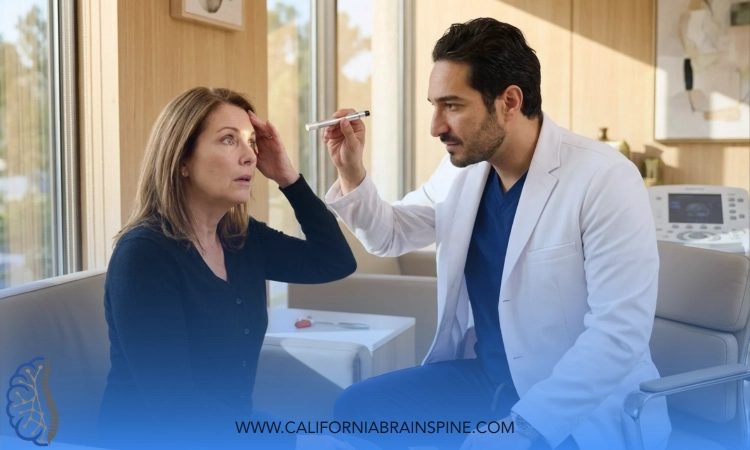
For visual snow after concussion, the clinic may assess visual tolerance, vestibular function, coordination, balance, autonomic patterns, symptom triggers, and the broader neurological picture. This helps distinguish whether the problem appears more visual, vestibular, cognitive, sensory, or multi-system in nature.
Care is designed around function, not only symptom labels
Some patients come in with a diagnosis. Others only know that something still feels wrong. Either way, treatment planning is based on how the patient is functioning and what systems may respond to targeted rehabilitation. That is especially important with visual snow after concussion, where the issue may involve persistent post-concussion dysfunction rather than a single isolated cause.
Your Treatment Pathway for Visual Snow after Concussion
1. Assessment
🧠 Detailed neurological, vestibular, symptom, and functional history
2. Testing
Visual-vestibular, balance, cognitive, and sensory integration evaluation
3. Plan
Personalized care strategy based on the systems actually involved
4. Therapy
Vestibular, cognitive, neuroplasticity, and non-invasive supportive therapies when appropriate
5. Progress
Ongoing monitoring to improve tolerance, clarity, stability, and confidence
Which Therapies May Be Considered for Visual Snow after Concussion
There is no one-size-fits-all protocol for visual snow after concussion. The right plan depends on what the evaluation shows. At California Brain & Spine Center, treatment recommendations are selected carefully and used when clinically appropriate, with attention to patient tolerance and the bigger neurological picture.
Vestibular Rehabilitation
If visual symptoms are tied to motion sensitivity, dizziness, poor gaze stabilization, or disorientation in busy environments, Vestibular Rehabilitation may help support better integration between the eyes, inner ear, and brain.
Cognitive Rehabilitation and Neuroplasticity Rehabilitation
When visual snow after concussion is accompanied by concentration problems, mental fatigue, reading intolerance, or slowed processing, targeted cognitive and neuroplasticity-based strategies may help the brain gradually improve efficiency and tolerance.
NeuroSensory Integration and broader brain injury support
Some patients benefit from a more integrated approach that considers sensory regulation, autonomic state, post-concussion recovery patterns, and functional retraining. NeuroSensory Integration, concussion-focused care, and structured recovery programs may help address these overlapping layers.
Non-invasive supportive therapies
Depending on the case, the clinic may also consider evidence-informed, non-invasive options such as Low-Level Laser Therapy, Pulsed Electromagnetic Field therapy, Hyperbaric Oxygen Therapy, GammaCore Vagus Nerve Stimulation, or the NeuroRevive Program as part of a broader care plan. These are not generic add-ons. They are considered only after a detailed evaluation and in the context of the patient’s overall presentation.
What meaningful progress may look like
- Less visual overwhelm in stores, traffic, or on screens
- Improved balance and stability during movement
- Better reading or work tolerance without the same level of mental fatigue
- More confidence in daily routines and social activity
- A clearer sense of what triggers symptoms and how to manage recovery intelligently
Recovery is not about forcing the brain harder. It is about guiding it more precisely.
Why a Root-Level Evaluation Matters More Than Symptom Guessing
Visual snow after concussion can easily be misunderstood when care focuses only on one symptom at a time. A patient may try blue light glasses, rest, supplements, screen breaks, or general advice without ever being assessed for vestibular dysfunction, cognitive load intolerance, autonomic imbalance, or broader post-concussion neurological changes.
At California Brain & Spine Center, the emphasis is not simply on symptom management. The clinic’s process is designed to look for functional patterns that may explain why symptoms persist. For some patients, the biggest issue is sensory overload. For others, it is gaze stabilization, motion processing, post-traumatic migraine features, balance dysfunction, or a nervous system that remains stuck in a high-alert state.
This is especially important in busy California lifestyles
Patients in Calabasas and throughout Southern California often need to function in visually demanding environments. Commuting, working on screens, parenting, fitness, social obligations, and fast-paced routines all place pressure on a brain that may still be recovering. A care plan has to be realistic, personalized, and aligned with the patient’s actual life, not just a generic checklist.
Ready to Understand Why Your Vision Still Feels Off?
If visual snow after concussion is affecting your comfort, confidence, or day-to-day function, the next step may be a focused evaluation rather than more waiting. Our team in Calabasas can help assess the neurological and vestibular factors that may be keeping your symptoms active.
A Short Real-World Story That May Feel Familiar
Some time ago, a patient named A. came to see me after a concussion because her vision still did not feel normal months later. She described a constant static-like layer across her visual field, severe discomfort in grocery stores, difficulty using screens for work, and a strange sense that her eyes and brain were not working together. She had also developed dizziness, fatigue, and anxiety around driving at night.
As we evaluated her, it became clear that the issue was not simply eye strain. Her presentation suggested a combination of post-concussion visual-vestibular dysfunction, sensory overload, and reduced tolerance for complex visual environments. We built a personalized plan that included Concussion Treatment Calabasas strategies, Vestibular Rehabilitation, cognitive support, and progressive neuroplasticity-based work. We also discussed pacing, environmental triggers, and ways to reduce overload without withdrawing from life completely.
Her progress was not instant, and I would never present a case like this as a guaranteed outcome. But over time, she reported better tolerance in stores, less fear around movement, improved work endurance, and more confidence in understanding her own symptom patterns. What mattered most was not perfection. It was that life began to feel possible and more stable again.
When patients understand their symptoms, fear often starts to loosen its grip.
Your Most Common Questions About Visual Snow after Concussion
Can visual snow after concussion go away?
In some patients, visual snow after concussion may gradually improve as the brain recovers and associated systems become better regulated. In others, symptoms may persist and require a more targeted rehabilitation approach. The key is not assuming the same timeline applies to everyone. A personalized evaluation can help clarify what may be supporting recovery and what may be slowing it down.
Is visual snow after concussion an eye problem or a brain problem?
It may involve both, but often the more important issue is how the brain is processing visual input after injury. Some patients have normal basic eye findings and still feel significant visual disturbance. That is why neurological, vestibular, and functional assessment can be so important in post-concussion cases.
Why do stores, screens, and driving make symptoms worse?
These situations place a high demand on visual processing, motion sensitivity, attention, and sensory filtering. If a concussion has affected visual-vestibular integration or caused sensory overload, busy environments can amplify symptoms quickly. This does not mean you are weak or imagining it. It means your nervous system may be working harder than it should.
What kind of treatment may help visual snow after concussion?
Treatment depends on the clinical picture. Depending on the findings, care may involve Vestibular Rehabilitation, Cognitive Rehabilitation, Neuroplasticity Rehabilitation, concussion-focused neurological care, NeuroSensory Integration, or selected non-invasive therapies that support brain and nervous system function. The most important point is that treatment should follow assessment, not guesswork.
When should I seek help for visual snow after concussion?
If symptoms are persistent, interfering with work or daily life, associated with dizziness or brain fog, or making you avoid normal activity, it is reasonable to seek a focused evaluation. The earlier the pattern is understood, the more clearly you can make informed decisions about what to do next.
Why choose California Brain & Spine Center in Calabasas?
Patients come to California Brain & Spine Center because the clinic looks beyond surface-level symptom labels and takes a broader neurological and functional view. Dr. Alireza Chizari, DC, DACNB combines engineering-level systems thinking with training in Gonstead chiropractic and Clinical Neuroscience, and the clinic regularly works with complex concussion, dizziness, balance, cognitive, and sensory cases from Calabasas, Southern California, and beyond.
Final Thoughts on Visual Snow after Concussion
I, Dr. Alireza Chizari, DC, DACNB, want to leave you with one clear message: visual snow after concussion is not something you should feel pressured to simply ignore if it continues to affect your life. In many cases, persistent visual symptoms reflect a deeper functional issue involving the brain, vestibular system, sensory regulation, or recovery process.
You deserve a careful evaluation, an honest explanation, and a plan built around your real needs. At California Brain & Spine Center, our goal is to help you move toward better function, more stability, greater confidence, and a stronger return to daily life.
If you are ready for personalized guidance, please contact our clinic in Calabasas or request an appointment for a neurological and vestibular evaluation.
Take the Next Step with California Brain & Spine Center
If visual snow after concussion is still limiting your quality of life, reach out for a personalized neurological and vestibular evaluation. The purpose is not just to manage isolated symptoms, but to help you move toward clearer function, steadier confidence, and the best version of your life.
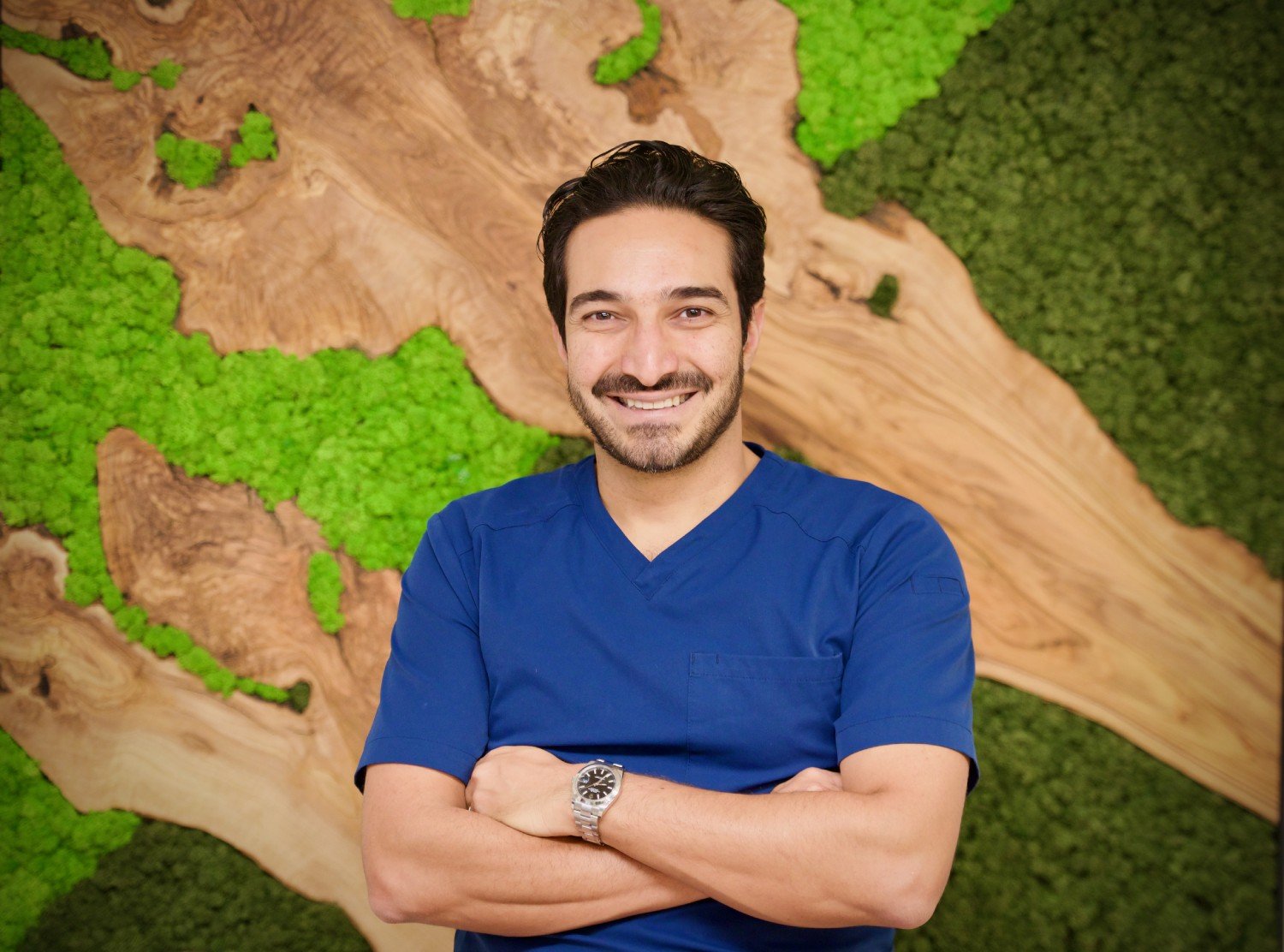
Dr. Alireza Chizari
This article has been medically reviewed for clinical accuracy by Dr. Alireza Chizari, DC, DACNB. Committed to evidence-based practice, Dr. Chizari ensures all content reflects the highest standards of functional neurology care.
Comments
Find our article more easily in Google.
FAQ
What is Functional Neurology?
Functional Neurology is a healthcare specialty that focuses on assessing and rehabilitating the nervous system’s function. It emphasizes neuroplasticity—the brain’s ability to adapt and reorganize—using non-invasive, evidence-based interventions to improve neurological performance.
How does Functional Neurology differ from traditional neurology?
Traditional neurology often concentrates on diagnosing and treating neurological diseases through medications or surgery. In contrast, Functional Neurology aims to optimize the nervous system’s function by identifying and addressing dysfunctions through personalized, non-pharmaceutical interventions.
Is Functional Neurology a replacement for traditional medical care?
No. Functional Neurology is intended to complement, not replace, traditional medical care. Practitioners often collaborate with medical professionals to provide comprehensive care.
What conditions can Functional Neurology help manage?
Functional Neurology has been applied to various conditions, including:
• Concussions and Post-Concussion Syndrome
• Traumatic Brain Injuries (TBI)
• Vestibular Disorders
• Migraines and Headaches
• Neurodevelopmental Disorders (e.g., ADHD, Autism)
• Movement Disorders
• Dysautonomia
• Peripheral Neuropathy
• Functional Neurological Disorder (FND)
Can Functional Neurology assist with neurodegenerative diseases?
While Functional Neurology does not cure neurodegenerative diseases, it can help manage symptoms and improve quality of life by optimizing the function of existing neural pathways.
What diagnostic methods are used in Functional Neurology?
Functional Neurologists employ various assessments, including:
• Videonystagmography (VNG)
• Computerized Posturography
• Oculomotor Testing
• Vestibular Function Tests
• Neurocognitive Evaluations
How is a patient’s progress monitored?
Progress is tracked through repeated assessments, patient-reported outcomes, and objective measures such as balance tests, eye movement tracking, and cognitive performance evaluations.
What therapies are commonly used in Functional Neurology?
Interventions may include:
- Vestibular Rehabilitation
- Oculomotor Exercises
- Sensorimotor Integration
- Cognitive Training
- Balance and Coordination Exercises
- Nutritional Counseling
- Lifestyle Modifications
Are these therapies personalized?
Absolutely. Treatment plans are tailored to the individual’s specific neurological findings, symptoms, and functional goals.
Who can benefit from Functional Neurology?
Individuals with unresolved neurological symptoms, those seeking non-pharmaceutical interventions, or patients aiming to optimize brain function can benefit from Functional Neurology.
Is Functional Neurology suitable for children?
Yes. Children with developmental delays, learning difficulties, or neurodevelopmental disorders may benefit from Functional Neurology approaches.
How does Functional Neurology complement other medical treatments?
It can serve as an adjunct to traditional medical care, enhancing outcomes by addressing functional aspects of the nervous system that may not be targeted by conventional treatments.
How is technology integrated into Functional Neurology?
Technological tools such as virtual reality, neurofeedback, and advanced diagnostic equipment are increasingly used to assess and enhance neurological function.
What is the role of research in Functional Neurology?
Ongoing research continues to refine assessment techniques, therapeutic interventions, and our understanding of neuroplasticity, contributing to the evolution of Functional Neurology practices.