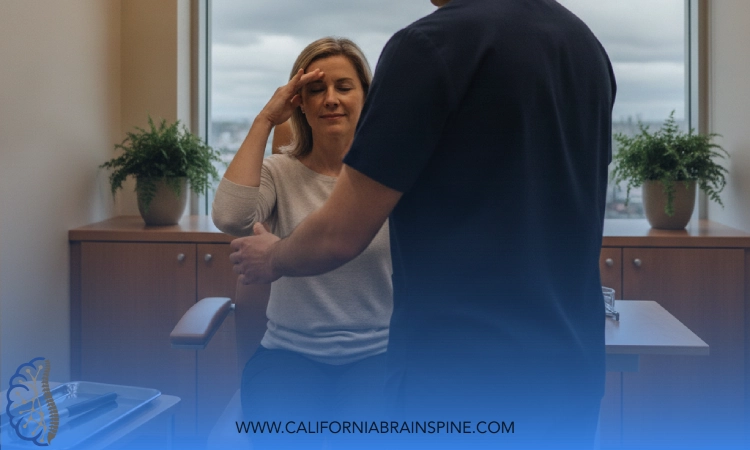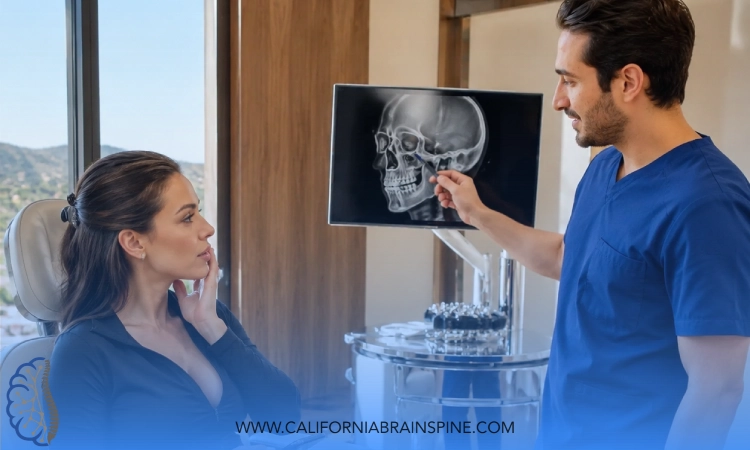
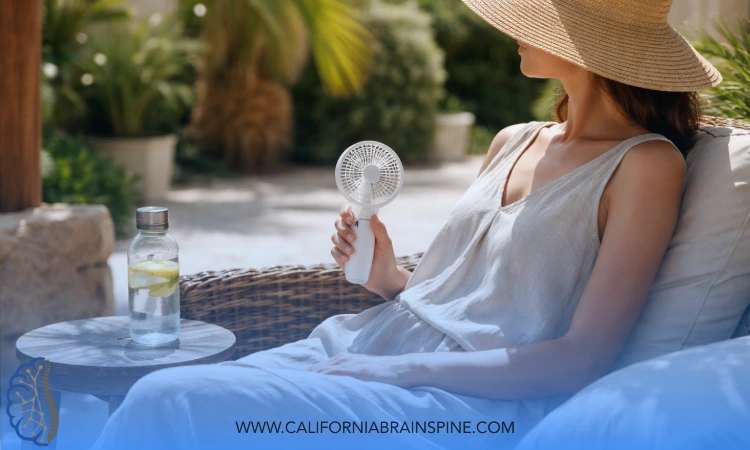
Heat is not just uncomfortable when you have POTS. It is an extra circulatory demand landing on a system that is already working hard to keep you upright.
If you have POTS and summer feels like a different world, you are not imagining it. Many of my patients across Calabasas tell me that heat turns manageable symptoms into a full-body flare. Standing outside, walking from the car to a store, or sitting in a warm room can trigger dizziness, nausea, a racing heartbeat, and a sudden crash that makes you feel unsafe.
POTS and Heat Intolerance
I, Dr. Alireza Chizari, DC, DACNB, a board-certified chiropractic neurologist at California Brain & Spine Center in Calabasas, will explain why POTS and heat intolerance are so closely connected, what may be happening in your nervous system and circulation, and what practical steps can help you feel more stable. You are the hero of this story. You are the one navigating daily life with a body that reacts strongly to temperature, and you deserve clear answers and a plan that respects your real experience.
Here in Calabasas, I evaluate complex neurological and vestibular cases, including dysautonomia patterns, dizziness, balance disorders, brain fog, memory concerns, and post-concussion symptoms. This article is designed to help you understand the relationship between POTS and heat intolerance, recognize safety concerns, and decide whether a personalized neurological and vestibular evaluation may be appropriate.
The short answer
- Heat can make POTS symptoms worse because blood vessels widen, sweating can reduce fluid volume, and standing becomes more difficult for the autonomic nervous system to regulate.
- Common symptoms include dizziness, lightheadedness, palpitations, nausea, weakness, brain fog, fatigue, headache, and feeling faint in hot or crowded environments.
- Cooling, hydration, pacing, avoiding prolonged standing, and planning activities during cooler hours may help, but strategies should be adapted to individual medical needs.
- At California Brain & Spine Center, the next useful step is a personalized evaluation of orthostatic, neurological, vestibular, and functional contributors as part of our POTS treatment program in Calabasas.
Build a more predictable summer plan
If heat, hot showers, or summer outings repeatedly trigger dizziness and a racing heart, a personalized evaluation can help clarify the pattern and identify appropriate next steps.
POTS and Heat Intolerance: Why a Warm Day Can Trigger a Flare
I want to validate the emotional part first. Heat intolerance can make you feel trapped. It can shrink your world, disrupt your routine, and create fear around simple activities. That is not weakness. With POTS and heat intolerance, your body is responding to a real physiological challenge.
Heat causes blood vessels near the skin to widen so the body can release heat. That widening is normal. In POTS, however, the autonomic nervous system may struggle to maintain stable blood flow and blood pressure during that shift. More blood may pool in the lower body, less blood may return to the heart, and the heart rate may rise in an effort to compensate.
Research and expert consensus describe POTS as a form of orthostatic intolerance involving symptoms that develop or worsen when upright, often alongside an excessive increase in heart rate. Heat is a recognized factor that can worsen orthostatic symptoms. The Heart Rhythm Society expert consensus statement also emphasizes the importance of individualized assessment and conservative measures such as fluid management, physical conditioning when appropriate, and avoiding symptom triggers. A POTS treatment program in Calabasas can bring these strategies together within a care plan tailored to the patient's symptoms, triggers, and functional needs.
Heat Is Not Just Temperature. It Is a Circulatory Demand
For someone without POTS, heat may simply be uncomfortable. For someone with POTS and heat intolerance, heat is an additional demand the nervous system has to meet. When regulation is already stretched, that demand can overwhelm the system quickly.
"Your body is not overreacting for no reason. It is working hard to keep you safe under difficult conditions."
What Heat Intolerance in POTS Can Look Like in Real Life
Patients describe heat-triggered POTS symptoms in specific, repeatable patterns. Recognizing your pattern is one of the fastest ways to build more control and make safer decisions. Common heat-related symptoms include:
- Dizziness or lightheadedness in warm environments.
- Feeling faint in lines, crowds, or outdoor heat.
- Palpitations or a racing heart with minimal effort.
- Nausea, stomach discomfort, or appetite disruption.
- Headache or head pressure, especially while upright.
- Fatigue crashes after heat exposure.
- Shakiness, weakness, or a wired-but-tired sensation.
- Sweating changes, temperature sensitivity, or intolerance to hot showers.

Why Does Heat Make POTS Worse?
Heat makes POTS worse because warm temperatures widen the blood vessels near your skin, so more blood pools in the legs and abdomen and less returns to the heart. Heart rate climbs to compensate. Sweating removes fluid on top of that, reducing circulating volume further and making upright posture harder to sustain.
The Double Load of Heat and Standing
Standing alone asks the autonomic nervous system to push blood upward against gravity. Heat alone asks it to redirect blood toward the skin to shed warmth. Ask for both at once and the two demands compete directly, which is why so many patients tell me that standing still in the sun is far worse than walking in it. Movement engages the calf muscles that help pump blood back toward the heart. Standing still removes that assistance at the exact moment the system needs it most.
Postural orthostatic tachycardia syndrome is defined by a sustained heart rate increase of more than 30 beats per minute within ten minutes of standing, or more than 40 beats per minute in adolescents, according to the National Institute of Neurological Disorders and Stroke. Heat does not change that threshold, but it can make it far easier to reach.
When Heat Is Not the Whole Explanation
Heat is a common amplifier, but it is not always the main driver. Anemia, thyroid dysfunction, medication effects, iron deficiency, vestibular migraine, and cardiac rhythm conditions can all produce heat-sensitive dizziness that looks like a POTS flare. In my experience the most useful question is not whether heat triggers symptoms, but whether the pattern changes when heat is removed. When symptoms persist in a cool room, something else deserves attention.
The Science of POTS and Heat Intolerance
I like to explain this using a systems mindset. I studied Electrical Engineering in Iran before completing a master's degree in Advanced Engineering & Management in the United Kingdom. That background shaped how I think about signals, feedback loops, and system load. With POTS and heat intolerance, the body is handling multiple competing tasks at once.
1. Vasodilation and Blood Pooling
Heat widens blood vessels. This can worsen venous pooling in the legs and abdomen. If blood return to the heart drops, the body may compensate by increasing heart rate. This is one reason POTS and heat intolerance often appear together.
2. Sweating, Dehydration, and Electrolyte Shifts
Even mild dehydration can reduce circulating blood volume. In POTS, a lower effective blood volume may intensify orthostatic symptoms. Sweat loss can also affect electrolyte balance, particularly during repeated heat exposure. Fluid and electrolyte recommendations should be individualized, especially for patients with kidney, heart, blood pressure, or other medical conditions.
3. Autonomic Regulation and Threat Signaling
The autonomic nervous system constantly responds to internal and external demands. When heat triggers dizziness, palpitations, and nausea, the brain may interpret those sensations as a threat. The resulting stress response can intensify breathing changes, muscle tension, nausea, and symptom awareness.
4. Heat Plus Upright Posture Is a Double Load
Heat alone can be difficult. Standing alone can be difficult. Together, they can create a double load for a dysautonomia pattern. This is why many patients notice that heat sensitivity in POTS is worse when standing still rather than sitting or walking slowly.
"When you understand the mechanism, you stop blaming yourself and start making strategic changes."
Common Triggers Behind a Hot Weather POTS Flare
I want you to have a practical checklist in your mind, not a feeling of mystery. With POTS and heat intolerance, triggers often stack rather than occur in isolation.
- Hot showers or hot baths.
- Standing in line or standing still outdoors.
- Hot cars, enclosed spaces, or crowded rooms.
- Alcohol and dehydration.
- Large meals, especially in hot weather.
- Poor sleep and overexertion the day before.
- Illness or inflammation that increases baseline dysautonomia symptoms.

Why Hot Showers Can Cause POTS Dizziness
Hot showers are a common trigger because they combine several challenges: heat exposure, standing, humidity, and sometimes limited airflow. The bathroom may become warm before a person realizes symptoms are starting. Bending, reaching, and standing up after a shower can add another orthostatic challenge.
Some patients find it helpful to use a comfortably warm rather than very hot shower, keep the room ventilated, sit when appropriate, and avoid rushing immediately afterward. These measures do not replace medical advice, but they can reduce the number of preventable triggers for some people.
Can Heat Trigger POTS Flare-Ups?
Yes, heat can trigger or amplify a POTS flare in some people. A flare may involve more frequent dizziness, increased heart rate, reduced exercise tolerance, nausea, fatigue, sleep disruption, or worsening brain fog. The intensity is not always proportional to the outdoor temperature. Humidity, direct sun, dehydration, poor sleep, illness, and prolonged standing can all change the response.
POTS and Hot Weather: What Changes Across a Long Warm Spell
A single hot afternoon and a week of hot weather are different problems. One is an acute challenge your body meets and recovers from. The other is a cumulative load, and patients with POTS in hot weather often describe the second week of a heatwave as far harder than the first day, even when the temperature has not risen.
The reason is that recovery does not fully complete between exposures. Fluid deficits carry over. Sleep degrades in warm rooms. Activity gets deferred to cooler hours and then compressed, which turns into overexertion. Each of those is small on its own. Stacked across days of hot weather, they lower the threshold at which the next flare begins.
Planning Around Hot Weather Rather Than Reacting to It
The patients who cope best with POTS in hot weather tend to plan at the level of the week, not the outing. That means deciding in advance which days are realistic for errands, protecting sleep in a cooled room as a priority rather than a luxury, and treating a recovery day after a hot outing as part of the plan instead of a failure. Heat you have prepared for behaves very differently from heat that catches you standing in a parking lot.
Heat Exhaustion Is a Separate Emergency
A hot weather POTS flare and heat exhaustion are not the same thing, and one can hide the other. The Centers for Disease Control and Prevention notes that a fan stops being protective once indoor temperatures pass roughly 90 degrees Fahrenheit and can raise body temperature instead. If symptoms include confusion, a very high body temperature, repeated vomiting, or collapse, treat it as heat illness and seek urgent care rather than assuming it is a familiar flare.
Dysautonomia and Heat Intolerance Beyond POTS
POTS is one form of dysautonomia, not the whole category. Heat intolerance shows up across autonomic disorders because the autonomic nervous system is what controls both sweating and the blood-flow shifts that regulate body temperature. When that regulation is unreliable, heat becomes a challenge regardless of which specific diagnosis sits on the chart.
Dysautonomia heat intolerance symptoms overlap heavily with the POTS pattern: dizziness on standing, flushing or an inability to sweat normally, fatigue that arrives hours after exposure rather than during it, and nausea in warm rooms. The National Institute of Neurological Disorders and Stroke describes dysautonomia as a disorder of autonomic nervous system function that can be local or generalized, and temporary or chronic.
What matters clinically is that some people carry a clear dysautonomia pattern without ever meeting the heart-rate threshold that defines POTS. If heat reliably destabilizes you but a tilt test came back unremarkable, that result does not close the question. Our dysautonomia care in Calabasas covers evaluation for autonomic patterns that fall outside a strict POTS definition.
How We Evaluate POTS and Heat Intolerance in Calabasas
Here is what the heat conversation actually looks like in my office. I do not start with the heat. I start with the recovery curve, because that is where the useful information is. I take heart rate and blood pressure supine, then again at one, three, five, and ten minutes upright, and the number I care about most is not the peak. It is whether the heart rate settles or keeps climbing at minute ten. A rate that spikes and stabilizes tells me one thing. A rate that is still drifting upward at ten minutes tells me something quite different about how much reserve the system has left.
Then I ask when the crash lands. Patients who feel worst during heat exposure and recover within the hour usually have a straightforward circulatory picture. Patients who feel adequate during the outing and are flattened four hours later, or the following morning, more often have a sensory and vestibular component stacked on top of the autonomic one. Those two patterns need different plans, and the difference is invisible if you only ask whether heat causes symptoms.
At California Brain & Spine Center, patients are evaluated with advanced vestibular and neurological tools when needed, alongside dysautonomia-informed clinical reasoning. This matters because heat intolerance can be amplified by vestibular dysfunction, post-concussion dysregulation, visual sensitivity, sensory overload, or another condition that has not yet been clearly identified.
Patients with POTS and heat intolerance may be evaluated with attention to:
- Orthostatic patterns: heart rate and blood pressure response to posture change, when clinically appropriate.
- Symptom timing: heat triggers, shower triggers, standing triggers, post-meal symptoms, and recovery time.
- Neurological and vestibular contributors: dizziness, balance problems, visual sensitivity, motion intolerance, and nausea.
- Daily factors: sleep, hydration, activity level, food intake, and environmental stressors.
- Safety and differential thinking: medication effects and other medical conditions that can resemble or worsen POTS symptoms.
When appropriate, the clinic may recommend coordination with a primary care physician, cardiologist, medical neurologist, or another specialist. A responsible evaluation does not assume that every racing heart, faint feeling, or heat-related symptom is caused by POTS.
Why a complete evaluation matters
Heat-related dizziness may overlap with anemia, iron deficiency, thyroid dysfunction, medication effects, cardiac rhythm conditions, vestibular migraine, dehydration, infection, or other causes. The right care plan begins with understanding the person, the pattern, and the safety context rather than treating a search term in isolation.
"You deserve a plan that works in the real world, not just in a quiet room on a good day."
A Useful Comparison of Heat-Related Patterns
| Pattern | What may be happening | Helpful next step |
|---|---|---|
| Dizziness while standing in heat | Heat-related vasodilation and blood pooling may challenge circulation. | Sit or move to a cooler setting, track the pattern, and seek evaluation if recurrent. |
| Symptoms after a hot shower | Heat, humidity, and upright posture may combine. | Reduce heat exposure, consider sitting, and allow recovery time. |
| Fatigue after a summer outing | Fluid loss, prolonged standing, exertion, or sensory overload may have accumulated. | Plan breaks and discuss recovery patterns during an evaluation. |
| New severe symptoms | Another medical issue or heat illness may be present. | Seek urgent medical care rather than assuming it is a routine POTS flare. |
Practical Strategies for POTS Symptoms Worse in Summer
I avoid one-size-fits-all advice, but there are core strategies that often help patients reduce heat-triggered flares. The key is to build a heat plan before symptoms become intense.
A Heat Plan That Fits Daily Life
- Prepare before heat exposure: drink fluids according to personal medical guidance and consider electrolytes only when appropriate for your health profile.
- Use cooling strategies: shade, fans, cooling towels, breathable clothing, and temperature control in the car can reduce heat load.
- Reduce prolonged standing: sit when possible, take breaks, and avoid waiting in direct sun.
- Choose cooler hours: schedule errands, walks, and outdoor activities earlier or later when practical.
- Respect recovery time: a delayed fatigue crash may appear after the activity rather than during it.
The most important point is prevention. Once a heat flare is fully active, it can take time to settle. Planning reduces the intensity and frequency of avoidable triggers, while a clinical evaluation can help identify contributors that require more individualized attention.
When Rehabilitation-Based Care May Support Tolerance
Many patients dealing with POTS and heat intolerance also have dizziness, balance disruption, visual overload, and brain fog. In those cases, the nervous system may be responding to multiple stressors at the same time.
Depending on evaluation findings, patients may benefit from vestibular rehabilitation, cognitive rehabilitation, and NeuroSensory Integration (NSI). The goal is not to force the nervous system through symptoms. The goal is to identify appropriate, gradual inputs that may support steadier regulation, movement confidence, and daily function.
Non-Invasive Neurological Options When Clinically Appropriate
In selected cases, supportive non-invasive neurological therapies may be considered as part of a broader plan. Depending on the clinical picture, these may include Low-Level Laser Therapy (LLLT), Pulsed Electromagnetic Field (PEMF), Hyperbaric Oxygen Therapy (HBOT), GammaCore Vagus Nerve Stimulation, and the NeuroRevive Program.
These options are not appropriate for everyone and should not be presented as guaranteed treatments for POTS. Their role, if any, should be determined after a detailed history, examination, safety review, and consideration of conventional medical care.
"Stability is built. It is not forced. It comes from the right inputs repeated with patience."
Safety First: When Heat Intolerance Needs Urgent Medical Attention
Heat can cause significant discomfort, but some symptoms require urgent evaluation. Do not assume that every severe episode is a routine POTS flare.
Seek urgent care for warning signs
- Chest pain or chest pressure.
- Severe shortness of breath at rest, especially if new.
- Repeated fainting, fainting without warning, or fainting with injury.
- Confusion, severe weakness, or inability to hydrate.
- Very high body temperature, severe headache, repeated vomiting, collapse, or other signs of heat illness.
If you feel unsafe, choose safety first. Move to a cool environment, contact emergency services when appropriate, and return to long-term planning only after urgent causes have been addressed. The Centers for Disease Control and Prevention provides additional guidance on recognizing heat-related illness and responding promptly when symptoms become severe.
"Being careful is not being scared. It is choosing the step that protects your future."
A Personalized Treatment Pathway for POTS and Heat Intolerance
At California Brain & Spine Center, the patient remains at the center of the process. The clinic serves people from Calabasas, Los Angeles, and communities across Southern California who are looking for a clearer explanation of dizziness, autonomic symptoms, balance changes, brain fog, or reduced tolerance for everyday activities. The full pathway is described on our POTS treatment page.
Assessment
Review symptom history, heat triggers, posture, recovery patterns, medications, and relevant medical context.
Neurological and Vestibular Testing
Explore dizziness, balance, visual sensitivity, coordination, and other contributors when clinically appropriate.
Personalized Care Plan
Organize practical strategies and rehabilitation priorities around the patient's actual goals and tolerance.
Non-Invasive Therapy
Consider vestibular rehabilitation, cognitive rehabilitation, NSI, or selected supportive therapies when appropriate.
Progress Tracking
Monitor function, symptom patterns, confidence, activity tolerance, and recovery rather than relying on one symptom alone.
Greater Stability
The long-term aim is better function, more predictable routines, and a stronger sense of confidence in daily life.
My background includes engineering, advanced management, Gonstead chiropractic care, and postdoctoral education in Clinical Neuroscience. Today, that combination supports a careful, systems-oriented approach to complex cases. I do not view the patient as a collection of isolated symptoms. I look at how the nervous system, vestibular system, movement, cognition, and daily environment may interact.
Your summer symptoms deserve a clearer explanation
A personalized evaluation may help distinguish heat sensitivity from overlapping vestibular, neurological, cardiovascular, or medication-related factors and guide safer next steps.
A Short Patient Story: When Summer Stopped Controlling the Calendar
Some time ago, a patient I will call K. came to see me because POTS and heat intolerance had taken over her summer. She described feeling dizzy in parking lots, nauseated after warm showers, and exhausted after short errands. She had started canceling plans because she did not trust how her body would respond to heat.
I approached her case with a dysautonomia-informed evaluation, including orthostatic measures and a vestibular screen because dizziness and visual sensitivity were part of the pattern. We built a plan focused on hydration and pacing, cooling strategies, and a gradual conditioning progression that began with recumbent activity and advanced slowly. Based on the evaluation findings, we also integrated vestibular rehabilitation to address sensory overload that appeared to be amplifying her symptoms.
Over time, K. reported fewer severe flares and more predictable energy. The moment that mattered most was when she said, "I can do summer mornings again." That is what progress can look like: not perfection, but more freedom, more confidence, and a larger life. Details changed to protect privacy. Individual results vary, and no outcome is guaranteed.
Your Most Common Questions About POTS and Heat Intolerance
Are hot showers a common trigger for POTS?
Yes. Hot showers combine heat exposure with standing, humidity, and sometimes limited airflow. Using a lower temperature, sitting when appropriate, ventilating the room, and allowing recovery time may help some patients. Recurrent or severe symptoms should be discussed with a qualified healthcare professional.
Can dehydration make POTS and heat intolerance worse?
Yes. Dehydration can reduce circulating blood volume and intensify orthostatic symptoms. However, fluid and salt strategies are not appropriate in the same way for everyone. Patients with heart, kidney, blood pressure, or other medical conditions should follow individualized medical guidance.
Does POTS affect temperature regulation and sweating?
It can. The autonomic nervous system controls sweating and blood-flow shifts that regulate body temperature, so some people with POTS notice overheating, reduced or excessive sweating, or sensitivity to both heat and cold. If temperature regulation feels unreliable in either direction, that pattern is worth describing in detail during an evaluation.
How can someone plan summer outings with POTS in Calabasas?
Choose cooler hours, prepare fluids according to medical guidance, use cooling tools, avoid prolonged standing, plan shade and rest breaks, and leave enough time for recovery. Summers across Calabasas and the West Valley run hot and dry well into October, so treat recovery time as part of the plan rather than a sign something went wrong.
Can vestibular problems make heat-related dizziness feel worse?
Yes. Vestibular dysfunction can amplify dizziness, nausea, visual sensitivity, and motion intolerance. Those symptoms may increase autonomic stress and make a heat exposure feel more severe. If dizziness, balance changes, or visual overload are part of the pattern, a vestibular evaluation may be helpful.
When should someone seek urgent care?
Seek urgent medical attention for chest pain, severe shortness of breath at rest, repeated fainting, fainting with injury, confusion, inability to hydrate, collapse, very high body temperature, or severe vomiting. New or rapidly worsening symptoms should not automatically be attributed to POTS.
Conclusion: What to Remember About POTS and Heat Intolerance
If you are living with POTS and heat intolerance, summer can feel like a constant test. Heat increases circulatory demand through vasodilation, sweat loss, upright posture, and nervous system load. That combination can amplify dizziness, palpitations, nausea, brain fog, weakness, and fatigue.
I, Dr. Alireza Chizari, DC, DACNB, approach these cases with a safety-first evaluation and an individualized, non-invasive plan designed to support regulation and function. Many patients benefit from practical changes such as hydration planning, cooling, pacing, and activity modification. When dizziness, balance problems, visual sensitivity, or cognitive symptoms are present, vestibular and neurocognitive contributors may also deserve attention.
If you would like help clarifying your pattern and building a realistic summer plan, contact California Brain & Spine Center in Calabasas to request a personalized neurological and vestibular evaluation, or start with our POTS treatment program in Calabasas. The goal is not to manage isolated symptoms without context. The goal is to support better function, stability, confidence, and a life that feels more open again.
Ready to understand what heat is doing to your system?
A personalized neurological and vestibular evaluation can help clarify which systems are involved, and what a responsible plan looks like for you. California Brain & Spine Center, 4768 Park Granada, Ste 107, Calabasas, CA 91302.