PEMF Therapy Benefits
If your mind feels hazy, joints ache longer than they should, or recovery after illness or a mild head injury has stalled, you’re not broken you’re in a transition. Your nervous system is asking for steadier inputs and a plan that fits your life. In this guide, I’ll translate PEMF Therapy Benefits into plain language, outline where the evidence is strongest, and show you how to evaluate results without guesswork. My goal is simple: clarity, confidence, and practical next steps.
What is PEMF and why would magnetic pulses help biology?
Pulsed electromagnetic field (PEMF) therapy uses low-energy, time-varying magnetic fields to gently influence cellular behavior. Think of it as nudging ion channels, microcirculation, and inflammatory signaling toward balance. The aim isn’t to “shock” tissue; it’s to prompt a stuck system to move again. When used correctly, the most meaningful PEMF Therapy Benefits show up as less pain, better sleep quality, calmer autonomic tone, and improved tolerance for daily activity.
Pulse Electromagnetic Field (PEMF) — To capture the upside of PEMF, we build sessions around your movement goals and pair them with strength and mobility so relief sticks. You’ll know how to measure gains and when to adjust dosing.
PEMF Therapy Benefits: What the Science Actually Says (in plain language)
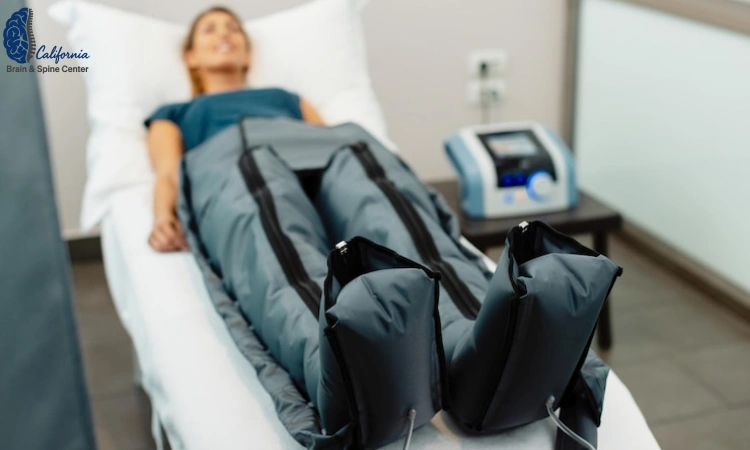
There is no single magic protocol for everyone, but consistent themes keep appearing across studies and clinical practice:
Pain modulation: Many patients notice a reduction in baseline pain and fewer flares after a structured series of sessions.
Microcirculatory support: Improved local blood flow can ease stiffness and speed everyday recovery.
Neurophysiology: Gentle rhythmic input may help down-shift a hyper-alert nervous system, supporting sleep and attention.
Functional carryover: The most valuable PEMF Therapy Benefits happen when sessions are paired with movement, breathwork, and sleep repair the gains then show up in real life, not just in a clinic log.
Evidence varies by condition and device class; it is generally supportive for pain and recovery when PEMF is integrated into a broader plan rather than used in isolation.
Which conditions show the most practical gains?
Chronic musculoskeletal pain
People with persistent neck or back pain often report fewer peaks and easier mornings after a 2–4 week series. The key is consistency and modest expectations at first small steps that accumulate.
Post-concussion and post-illness brain fog
When over-arousal, poor sleep, and sensory overload keep the brain “too loud,” PEMF can be a calming input. The best PEMF Therapy Benefits here appear when PEMF sessions are paired with graded cardio, screen hygiene, and vestibular/visual recalibration if needed.
Migraine tendencies and stress-linked headaches
Some patients experience lower frequency or intensity of headaches over several weeks. It’s not an instant switch; it’s part of a routine that protects sleep and modulates the autonomic system.
Recovery plateaus after overuse or minor injuries
By supporting local circulation and easing guarding, PEMF may help you progress from “stuck” to “moving again,” especially when combined with gentle strength work and pacing.
How does PEMF feel and how soon do results appear?
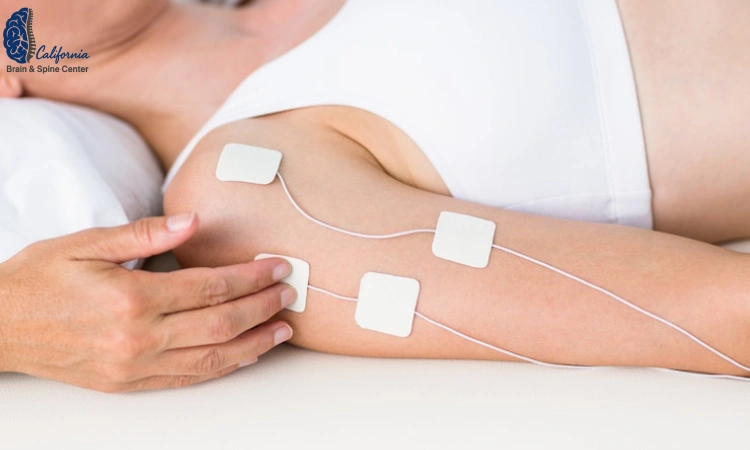
Most people feel nothing during the session beyond a quiet, rhythmic hum or a sense of relaxing heaviness, like finally exhaling. Subtle benefits may show up after 2–3 sessions (sleep or morning stiffness), while clearer gains typically emerge by 8–12 sessions, especially when you stack good habits around the therapy. If you haven’t noticed any change by the 10–12 session mark, revisit the plan: dosage, timing, and most importantly the rest of your routine.
Electromagnetic Pulse Therapy for Back Pain — This article dives into back-specific use cases and shows how to avoid the trap of relying on devices without rebuilding durability.
Safety first: who should avoid PEMF or use extra caution?
Implanted electronic devices (pacemakers, defibrillators, some pumps or neurostimulators): avoid unless your device specialist explicitly clears it.
Pregnancy: use caution; discuss with your clinician.
Active bleeding disorders or poorly controlled seizures: individualized decisions only.
Metal implants: most are fine at a distance, but always disclose before starting.
True adverse events are uncommon at therapeutic settings. Still, PEMF Therapy Benefits are only benefits when safety is respected and parameters are appropriate.
The dose dilemma: frequency, intensity, and session length
Devices differ widely. As a simple orientation:
Frequency and waveform influence which tissues are “listening.”
Intensity should be just enough to engage physiology without provoking irritability or headache.
Session length commonly ranges 10–30 minutes per target area; total plan length is often 2–8 weeks.
Start low and build slowly. If you feel unusually wired or headachy after a session, shorten or soften the next one. The sweet spot is calm, not crushed that’s where real PEMF Therapy Benefits accumulate.
The biggest secret: PEMF works best inside a routine, not as a solo act

PEMF is a helpful nudge; your daily rhythm does the heavy lifting. To make PEMF Therapy Benefits translate into your life:
Sleep repair
One wake time seven days a week, lights/screens dimmed 60–90 minutes before bed, small morning walk for light exposure. Better sleep multiplies every other gain.Autonomic reset
Two five-minute breathing sets (inhale 4 seconds, exhale 6 seconds) bring the nervous system out of “high alert.” Pair one breathing set with PEMF for a synergy effect.Graded movement
Short daily walks and simple strength moves (calf raises, wall slides). Increase by 5–10% weekly if symptoms remain stable.Sensory calibration (if dizzy or visually overloaded)
Screen hygiene (larger fonts, higher contrast), brief gaze-stabilization drills, and short exposures to busy environments slowly expanded.Single capture system
One calendar and one to-do list reduce cognitive noise and help you notice progress one of the most under-appreciated PEMF Therapy Benefits is the momentum to re-engage with life.
A 2-week starter plan you can actually follow
Days 1–3
One or two short PEMF sessions (as directed), preferably earlier in the day.
Morning light + 10-minute walk.
Breathing 5 minutes twice daily.
Hydrate earlier; avoid late caffeine.
Days 4–7
Maintain PEMF rhythm; add 8–12 minutes easy cardio on non-session days.
Begin 1–2 sets of simple strength (two or three moves).
Keep screen breaks steady (20-20-20 rule).
Days 8–14
If stable, add a few minutes to PEMF or a second target region as advised.
Increase activity by 5–10%.
Track three numbers nightly: clarity (0–10), pain or fatigue (0–10), total activity minutes.
By the end of two weeks, you’ll know whether PEMF Therapy Benefits are showing up for you and precisely where to adjust.
How to measure change (so you don’t miss quiet improvements)
A “win list” every week (two small things that felt easier).
A friction note (one moment that flared symptoms and your plan for next time).
Simple scales: sleep quality, daytime clarity, pain intensity, and activity minutes.
Functional anchors: could you read longer, walk farther, or tolerate brighter environments?
When you measure what matters, you’ll see PEMF Therapy Benefits even when progress feels slow.
Common questions patients ask (and honest answers)
Can I do PEMF every day?
Often yes, especially at low to moderate intensities but follow the device guidance and your clinician’s plan. Some people do best with most-days usage; others prefer 3–4 times per week.
What are the risks?
Minor, short-lived effects like warmth, tingling, or a brief headache can occur. The main concern is interference with implanted electronics. Always disclose your medical devices first.
Does PEMF burn fat or build muscle?
That’s not what therapeutic PEMF is for. Expect recovery and regulation benefits, not body-contouring. Focus on function: sleep, pain, stamina, and clarity.
How do I know it’s working?
Track sleep, baseline pain or fatigue, activity minutes, and how quickly you recover from everyday tasks. Improvements often appear in 2–3 sessions, with clearer gains by 8–12 sessions.
Can PEMF cause nerve damage?
At therapeutic settings used appropriately, nerve injury is not expected. If a session consistently makes you feel worse, parameters likely need adjustment lower, shorter, or less frequent.
Who should not use PEMF?
Anyone with implanted electronics without explicit clearance, and generally avoid during pregnancy unless your clinician advises otherwise.
When should I seek a specialist?
You plateau despite consistent routine.
Dizziness, motion, or busy visuals trigger fog or headache.
You’re juggling pain, poor sleep, and cognitive fatigue all at once.
You have a complex medical history or prior head injuries.
A neurology-led evaluation maps the dominant drivers (sleep, autonomic tone, vestibular/visual load, cognition) so PEMF Therapy Benefits are placed in the right sequence and dosage for you.
Summary
PEMF Therapy Benefits are best understood as part of a whole-life routine: sleep repair, autonomic calming, graded movement, and sensory calibration. Evidence and experience point to less pain, steadier sleep, calmer arousal, and better daily tolerance especially when sessions are consistent and paired with the right habits. Start low, go slow, and measure what matters. If progress stalls, get a tailored plan so the right pieces click into place.
Frequently Asked Questions
- Is PEMF a cure-all?
No, and it doesn’t need to be. Its value is as a gentle accelerator of recovery inside a well-designed routine. - How long is a typical course?
Commonly 2–8 weeks with periodic rechecks. Many people then move to a maintenance rhythm. - What if I feel wired after sessions?
Shorten the session, reduce intensity, or shift earlier in the day. Pair with slow breathing to encourage calm. - Can I combine PEMF with other therapies?
Yes. The biggest PEMF Therapy Benefits appear when combined with sleep repair, graded cardio, vestibular/visual work if needed, and targeted cognitive practice. - Will I lose progress if I stop?
Gains tied to better sleep, pacing, and movement tend to persist. Maintenance sessions can help during stressful seasons. - Is home use possible?
Some devices are designed for clinic use; others are for home. What matters most is correct parameters, consistency, and sensible expectations.
👨⚕️ Alireza Chizari, MSc, DC, DACNB
🧠 Clinical Focus
🔬 Assessment & Treatment Approach
Objective testing may include:
Treatment programs may involve:
📍 Clinic Information
✅ Medical Review
⚠️ Disclaimer