What research reports about PEMF therapy benefits, where the evidence is still thin, and who should not use it.
The short answer on PEMF therapy benefits is this. Some people feel better after using it, the published reviews are mixed, and no one can promise it helps you in particular. If you have been reading device ads that sound certain and medical pages that sound cautious, the gap between them is real.
I am Dr. Alireza Chizari, DC, DACNB, a board-certified chiropractic neurologist practicing functional neurology at California Brain & Spine Center in Calabasas. People often come in with a PEMF mat already in their online cart, or already folded in a closet at home, and one question: is this worth the time and the money? This page walks through what the research says, condition by condition, including the places where the reviews disagree with each other.
Key Takeaway
PEMF therapy sends low-level electromagnetic pulses through a mat or pad. The PEMF therapy benefits with research behind them are modest: some people feel better, and reviews suggest it may help knee osteoarthritis function and low back pain in some patients. Evidence is mixed, some people should avoid it, and evaluation should come first.
What are the real PEMF therapy benefits?
Possibly, for some people. The PEMF therapy benefits with the most research behind them are modest: better physical function in knee osteoarthritis and help with non-specific low back pain when added to physical therapy. Reviews do not all agree, a major medical center says there is no definite proof it works, and results vary from person to person.
What is PEMF therapy, and how is it supposed to work?
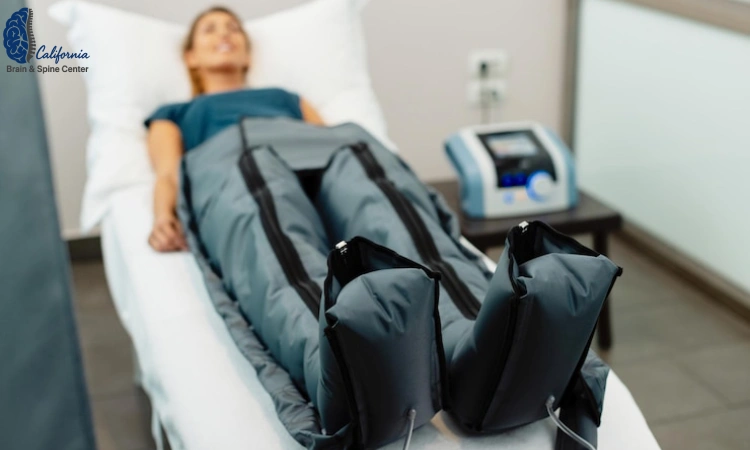
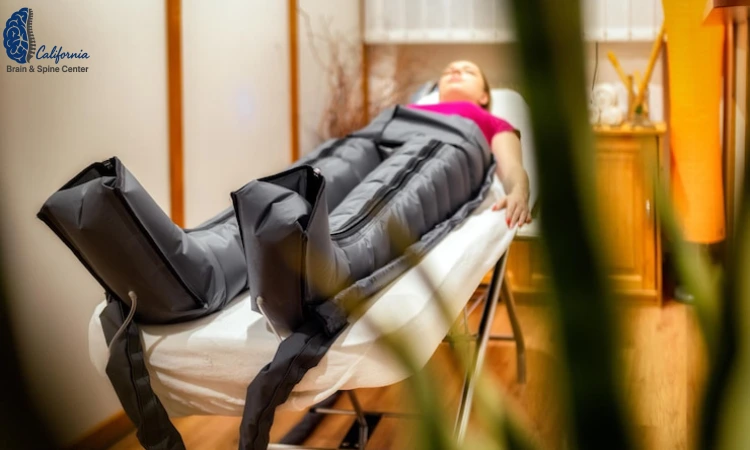
PEMF therapy is a non-invasive treatment that uses low-level pulses of electromagnetic energy, delivered through a mat or a pad, to try to relieve pain and manage other symptoms, as the Cleveland Clinic describes it. PEMF stands for pulsed electromagnetic field.
The proposed explanation comes from the lab. In laboratory studies, pulsed electromagnetic fields may influence cell-level processes such as gene expression and cell migration, according to a literature review on pulsed electromagnetic therapy. That is a mechanism on paper, and it is not proof of clinical benefit.
A cell responding to a field in a dish is a long way from you getting out of bed with a quieter back. Most of the confusion about PEMF lives in that distance.
Where do the claims get ahead of the research?
The same Cleveland Clinic overview is direct about it: researchers are still studying PEMF, some people do feel better after using it, and there is no definite proof that it works. For any one person, it may have no helpful effect at all.
Some people describe genuine relief, and that report deserves respect. So does the chance of paying for a device that changes nothing for you, which is why the condition-by-condition picture below matters more than any list of promised results.
What do studies say about PEMF therapy benefits for knee arthritis?
Knee osteoarthritis is a clear example of how unsettled this research still is.
A meta-analysis of randomized trials published in the Journal of Rehabilitation Medicine found PEMF was associated with better physical function in knee osteoarthritis, but it showed no advantage for pain or stiffness.
A later meta-analysis of osteoarthritis trials in Pain Research and Management reported that PEMF was associated with improvements in pain, stiffness and physical function compared with other conservative treatments.
Two careful reviews of the same condition, then, landed in different places on pain. The fair reading of PEMF therapy benefits in knee osteoarthritis is that PEMF may help some people move more easily, and that its effect on pain is still an open question.
Are PEMF therapy benefits real for low back pain and slow-healing fractures?
For non-specific low back pain, a systematic review in the Wiener Medizinische Wochenschrift concluded that PEMF may be a safe and helpful option, particularly when it is added to conventional physical therapy. Not every study it included showed a benefit.
The words doing the work in that conclusion are 'added to'. The more favourable findings describe PEMF sitting alongside conventional physical therapy, with the rehabilitation still in place.
If back pain is your reason for reading, our article on electromagnetic pulse therapy for back pain goes further into that use.
Research on degenerating spinal discs is at an earlier stage. A systematic review in Frontiers in Aging found PEMF appears safe and biologically active in disc degeneration, and concluded the evidence is not yet enough to support clinical recommendations.
Does PEMF help broken bones heal?
Fractures that are slow to heal, or do not heal, are the oldest medical use of PEMF. A Cochrane review of delayed union and non-union of long-bone fractures found electromagnetic stimulation may offer some benefit, but judged the evidence inconclusive and insufficient to inform current practice.
Fracture care belongs with orthopedic care, and it is not something our Calabasas clinic treats. It is worth knowing about because it is often cited as proof of PEMF therapy benefits in general, and even this oldest use carries an inconclusive verdict.
Considering PEMF for joint or back pain?
Before buying a device or booking a series of sessions, talk through what you have tried and what the research supports for your situation.
Which PEMF therapy benefits are still unproven?
PEMF is also promoted for depression, fibromyalgia, high blood pressure and cancer. For most of those uses there is no good scientific evidence to support it.
You may also have read that PEMF improves sleep, focus or recovery after a head injury. The research gathered for this page did not include reviews supporting those uses, so they are left out here rather than guessed at.
The table below puts the main claimed PEMF therapy benefits side by side, with what the reviews report and what an evaluation would look at before PEMF enters the conversation.
| Claimed use | What the research reports | What an evaluation looks at |
|---|---|---|
| General pain relief | Some people feel better; there is no definite proof that it works | Where the pain comes from and what has already been tried |
| Knee osteoarthritis | Better physical function in one meta-analysis; reviews disagree on pain | Movement, strength, and whether rehabilitation is already in place |
| Non-specific low back pain | May help, particularly when added to physical therapy; not every study agreed | Whether active rehabilitation is part of the plan |
| Spinal disc degeneration | Biologically active in research; not enough evidence for clinical recommendations | Neurological signs that call for referral to medical neurology |
| Slow-healing fractures | May offer some benefit; the evidence is inconclusive | Referral back to orthopedic care |
| Depression, fibromyalgia, blood pressure, cancer | No good scientific evidence for most of these uses | Care with the clinicians already treating these conditions |
Is PEMF therapy safe, and who should avoid it?
When it is used appropriately under medical supervision, PEMF has generally been well tolerated, without major safety concerns reported.
It is still not for everyone. The Cleveland Clinic advises avoiding PEMF if you are pregnant, use an implanted medical device such as a pacemaker or insulin pump, take medication through a skin patch, or have epilepsy. There is also not enough reliable information to know whether it is safe while breastfeeding, so avoiding it then is advised too. None of the possible PEMF therapy benefits outweighs those precautions.
For a closer look at safety, our guide to electromagnetic pulse therapy side effects covers the subject in more detail.
When to skip PEMF, and when to seek urgent care
- Pregnancy or breastfeeding: avoid PEMF, because its safety has not been established.
- An implanted medical device such as a pacemaker or insulin pump: avoid PEMF.
- Medication through a skin patch, or epilepsy: avoid PEMF and talk with the clinician who manages it.
If symptoms come on suddenly or severely - a sudden severe headache, weakness, trouble speaking, vision loss, or fainting - that is an emergency. Call 911 or go to an emergency room, not a clinic appointment.
Where does PEMF fit at our clinic in Calabasas?
At California Brain & Spine Center, PEMF may be included when clinically appropriate after evaluation, as one part of a plan shaped by what that evaluation finds. I would rather start by understanding why your symptoms persist than by choosing a device, and that is where every conversation about PEMF begins for patients from Calabasas, Woodland Hills and the rest of the West Valley.
How sessions are delivered here is described on our PEMF therapy service page.
Many people who find this page are dealing with dizziness, headaches or brain fog after a head injury. For them I would begin with a full evaluation rather than a device, and our page on post-concussion syndrome is the better place to start reading.
PEMF therapy benefits: questions patients ask
Does PEMF therapy work?
Sometimes, for some people. Reviews suggest possible PEMF therapy benefits for function in knee osteoarthritis and for low back pain alongside physical therapy, but findings are mixed and there is no definite proof that it works. A reasonable approach is a trial inside a broader plan, reviewed honestly as you go.
What are the PEMF therapy benefits for back pain?
A systematic review found PEMF seems safe and may help non-specific low back pain, particularly when added to conventional physical therapy. Not every study agreed. The PEMF therapy benefits reported for back pain look most consistent when active rehab is part of the plan, so it makes more sense as an addition than as a stand-alone treatment.
Is PEMF therapy safe?
When used appropriately under medical supervision, PEMF has generally been well tolerated, without major safety concerns reported. It should be avoided during pregnancy, with implanted devices such as a pacemaker or insulin pump, with medication patches, and with epilepsy. Safety while breastfeeding is not established, so avoid it then as well.
Can PEMF therapy help depression or fibromyalgia?
PEMF is promoted for depression, fibromyalgia, high blood pressure and cancer, but there is no good scientific evidence to support most of these uses. If those conditions are your reason for considering it, the claimed PEMF therapy benefits are not a substitute for care from the clinicians already treating you.
Do you offer PEMF therapy in Calabasas?
Yes. At California Brain & Spine Center in Calabasas, PEMF may be included when clinically appropriate after evaluation, as part of a plan built around your findings. We start by understanding what is driving your symptoms. A complimentary consultation is a simple way to ask whether PEMF therapy benefits are realistic for your situation.
What should you do before trying PEMF?
I would rather you hear the careful version of PEMF therapy benefits from me than the confident version from a product listing. PEMF may help some people, particularly with knee osteoarthritis or with low back pain alongside rehabilitation, and for others it may do nothing. The way to find out which group you are in is to be evaluated before you buy anything.
If you would like that evaluation, I am Dr. Alireza Chizari, DC, DACNB, and I see patients at our clinic in Calabasas.
California Brain & Spine Center | (818) 649-5300 | Calabasas, CA 91302
Book online at californiabrainspine.janeapp.com
This content is for educational purposes only and is not medical advice. Consult a qualified healthcare provider about your specific situation.
Talk it through before you buy a device
A complimentary consultation in Calabasas is a chance to ask what, if anything, PEMF could add to your care.