Falling Asleep Faster
If you’re lying awake watching the clock, please hear this from me first: your brain is not broken it’s over-protected. The same circuits that keep you alert for deadlines, kids, and notifications can be taught to stand down at night. As a neurologist, I help people design simple, science-based routines that make Falling Asleep Faster feel natural again. The aim of this guide is to give you a calm, reliable blueprint you can start tonight no perfection required.
The Quick Safety Check (Read This Once)
Although most sleep trouble is benign, seek medical evaluation if you notice loud snoring with witnessed pauses in breathing, gasping awakenings, morning headaches, restless or jerking legs that disrupt rest, dramatic mood changes, new neurologic symptoms, or persistent insomnia (trouble sleeping at least 3 nights a week for 3+ months). Addressing these does not compete with Falling Asleep Faster it accelerates it.
Why Sleep Won’t Start: Two Levers You Control
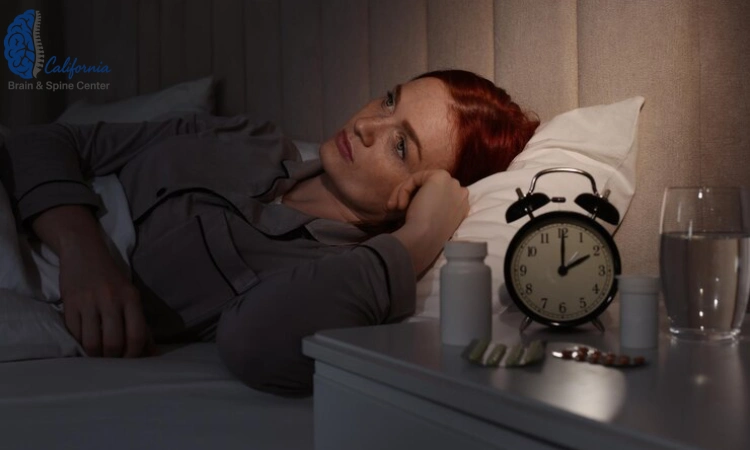
Your night depends on two biological systems:
-
Sleep pressure (adenosine builds up while you’re awake; movement and exposure to daylight help the pressure rise on schedule).
-
Circadian rhythm (your internal 24-hour clock; light is the master dial, meal timing and activity are supporting dials).
Most plans for Falling Asleep Faster work by raising sleep pressure at the right time, then letting the circadian rhythm “open the gate” in the evening without interference from bright light, late caffeine, or late stress.
The Gold-Standard Evening Timeline for Falling Asleep Faster
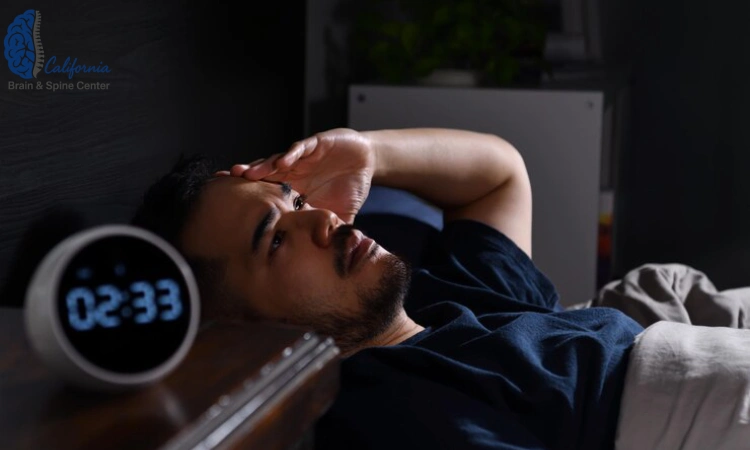
Consider this a template; shift the clock to match your target bedtime.
T-4 to T-3 hours: Close the Stimulant Window
-
No caffeine after this point. Caffeine’s half-life is long. Stopping early is one of the quiet superpowers for Falling Asleep Faster tomorrow night as well.
-
Finish intense workouts now. Gentle stretching later is fine.
T-3 to T-2 hours: Dinner, Not a Feast
-
Eat a normal meal you digest well; avoid heavy, spicy, or high-fat meals.
-
Alcohol feels sleepy but fragments the second half of the night skip it if Falling Asleep Faster and staying asleep are the goal.
T-2 hours: Dim to “Campfire”
-
Lower overhead lights, switch lamps to warm tones, and reduce screen brightness.
-
If evening screens are unavoidable, keep them at arm’s length and dimmed; prefer reading, puzzles, sketching, or conversation. Light discipline is a top-tier tool for Falling Asleep Faster.
T-90 minutes: Warm-Then-Cool
-
Take a warm shower or bath for 10–15 minutes. As your skin cools afterward, your core temperature drops a strong natural signal that it’s time to sleep.
T-60 minutes: Park the Day
-
Do a 10-minute “brain dump”: write tomorrow’s top 3 tasks and any lingering worries on paper. Decide the next tiny step for each. Closing loops on paper is one of the most reliable behavioral nudges for Falling Asleep Faster because it tells the cortex, “We won’t forget; we’ll handle this in the morning.”
-
Set out clothes and breakfast basics now. Each small act reduces nocturnal planning.
T-45 minutes: Gentle Wind-Down Cue
Choose one calming habit you can repeat nightly:
-
Light reading (paper beats phone),
-
Stretching or yin yoga,
-
A few minutes of gratitude journaling,
-
Quiet music or an audiobook at low volume.
Consistency more than the exact activity teaches the brain a shorthand for Falling Asleep Faster.
T-20 minutes: Breathing + Body Scan
-
Try 4-6 breathing: inhale quietly through the nose for 4 seconds, exhale for 6 seconds, 10–15 cycles.
-
Follow with a body scan: starting at the forehead and moving down, soften each region by 5–10%. This subtle relaxation lowers sympathetic tone; the body, not willpower, does the heavy lifting for Falling Asleep Faster.
Lights Out: Cognitive “Shuffle”
-
If thoughts loop, use imagery distraction: pick a neutral category (e.g., places that start with “B”: beach, bakery, balcony…) and picture each for 5–10 seconds. The brain can’t ruminate and imagine in detail at the same time. Patients find this one sneaky tool pivotal for Falling Asleep Faster.
The Bedroom: Make It Boring (In the Best Way)
-
Cool: 17–19 °C (63–66 °F) supports Falling Asleep Faster; use breathable bedding and warm socks if needed.
-
Dark: true blackout or an eye mask; even small light leaks keep the clock on “day.”
-
Quiet: earplugs or consistent neutral sound. White/brown noise should be just loud enough to mask spikes, not roar.
-
Purpose-built: bed for sleep and intimacy only. If you can’t sleep, get up and do a low-stimulation activity in dim light until drowsy, then return. Protecting this association is essential for Falling Asleep Faster long-term.
The 30-Minute Rescue Plan (When Sleep Won’t Start)
-
After ~15–20 minutes awake, get out of bed. Don’t watch the clock; use body sense.
-
Keep lights low; read a paper book or do gentle stretching. No emails, no problem-solving.
-
Sip warm, non-caffeinated tea if you like the ritual.
-
When your eyelids feel heavy, return to bed and repeat the imagery distraction.
This “paradox of surrender” stops your brain from learning that the bed is a place to worry crucial for Falling Asleep Faster tomorrow night.
Even the best evening routine strategies only work when they are grounded in an honest understanding of why you cannot fall asleep in the first place. Many patients with neurological conditions wrestle with racing thoughts, pain flares, or sensory overload as soon as they lie down. If you recognize those patterns, our article on not being able to fall asleep goes deeper into the root causes behind delayed sleep onset and how brain based rehab can support more restful nights.
Daytime Habits That Pay Off at Night
-
Anchor your wake time (even on weekends). A stable wake time is the strongest circadian cue for Falling Asleep Faster.
-
Get outside light within an hour of waking; 10–20 minutes beats indoor lamps.
-
Move your body most days; morning or early afternoon wins for sleep.
-
Nap strategically: if needed, 10–20 minutes before 3 pm; longer or later naps steal sleep pressure and sabotage Falling Asleep Faster at night.
Food, Supplements, and Simple Aids (Use Wisely)
-
Light snack if you’re hungry: a small portion of complex carbs plus a little protein (e.g., toast with almond butter). Going to bed starving or stuffed both fight Falling Asleep Faster.
-
Magnesium glycinate or threonate may help some people relax; start low and discuss with your clinician if you have kidney issues or take medications.
-
Melatonin can assist with timing (jet lag/shift work) at low doses taken 2–4 hours before desired sleep. More is not better; timing matters most.
-
No screens in bed. If you must, use the lowest brightness, no notifications, and content that won’t spike emotion or problem-solving.
Special Cases
Shift Work
-
Protect a consistent pre-sleep ritual, use dark glasses on the commute home, keep your sleep window the same on workdays, and use light exposure strategically on days off. These steps make Falling Asleep Faster feasible even off-cycle.
Jet Lag
-
Shift light, meals, and bedtime toward the destination for 2–3 days pre-travel. On arrival, morning daylight and early local meals speed alignment your best chance at Falling Asleep Faster the first night abroad.
Restless Legs / Periodic Limb Movements
-
Gentle calf/hamstring stretches, iron status if appropriate, and regular sleep-wake timing. If legs urge you to move at night, professional guidance can transform Falling Asleep Faster from a struggle into a stable habit.
A Minimalist Routine You Can Actually Keep
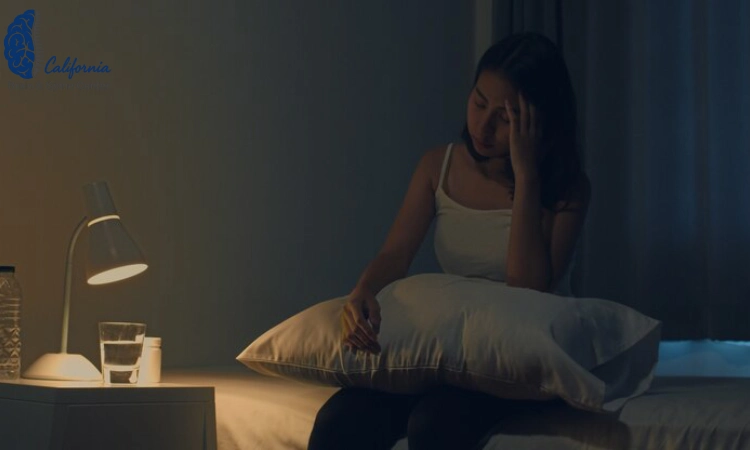
If your evenings are busy, go tiny. Pick three non-negotiables:
-
Dim lights 90 minutes before bed.
-
10-minute brain dump and set out tomorrow’s essentials.
-
4-6 breathing + brief body scan in bed.
Small but consistent beats elaborate once-in-a-while. Habit reliability is the unsung hero of Falling Asleep Faster.
Sleep and daytime brain performance are tightly linked. Trouble falling asleep often shows up the next day as poor focus, memory slips, and slower processing. Our cognitive rehabilitation program includes strategies to optimize sleep while we directly train attention, memory, and processing speed so your brain can function more like itself again.
Troubleshooting: If Sleep Still Feels Far Away
-
Mind races: increase the “worry window” earlier in the evening; set a timer for 10 minutes to write solutions and next steps, then close the notebook.
-
Can’t get comfortable: check mattress age, pillow height, and room temperature before chasing exotic fixes.
-
Wake at 3 a.m.: stay calm, keep lights low, use imagery distraction; if not sleepy within ~20 minutes, step out for a few pages of a paper book. Protect the association and you’ll be Falling Asleep Faster again within a few nights.
-
Inconsistent schedule: anchor wake time first. Even if bedtime floats, a fixed wake time is your main lever.
A Neurologist’s Encouragement
Your brain loves rhythms. When you give it the same sequence every night dim light, park the day, soften the breath it will start the sleep script on its own. Most patients who practice this for two weeks report Falling Asleep Faster, steadier energy, and fewer 3 a.m. loops. Be patient with yourself; consistency is the medicine.
Ready for Targeted Help?
When insomnia pairs with headaches, dizziness, or autonomic symptoms (palpitations, lightheadedness), a tailored plan is far more effective than more tips. At the California Brain & Spine Institute, our team evaluates the neurologic and sleep factors behind your nights and solves your problem with a stepwise plan you can live with. Start here: https://californiabrainspine.com/.
Summary
-
Falling Asleep Faster relies on two levers: strong sleep pressure and a cooperative circadian rhythm.
-
The most effective night routine: stop stimulants early, dim lights 90 minutes pre-bed, warm-then-cool, park your worries on paper, practice slow breathing and a body scan, then use imagery distraction at lights out.
-
Keep the bedroom cool, dark, quiet, and purpose-built; if sleep stalls, leave the bed until drowsy.
-
Anchor your wake time, get morning light, move your body, and nap briefly (if at all).
-
If problems persist or you notice warning signs, seek a focused evaluation; precision care accelerates Falling Asleep Faster and keeps it steady.
Frequently Asked Questions
1) What’s the single fastest way to fall asleep in under 5 minutes?
Start 4-6 breathing and imagery distraction together. Dim light plus longer exhales turns down the alert system, and visualizing neutral scenes occupies the thought loop your best combo for Falling Asleep Faster right now.
2) Do blue-light filters really matter?
Yes, but brightness and proximity matter more. Lower the brightness, increase distance, and prefer warm light. The fewer photons to the eyes at night, the easier Falling Asleep Faster becomes.
3) Should I exercise at night?
Intense exercise within 2–3 hours of bedtime can delay sleep for some people. If evenings are your only option, finish earlier and include a cool-down and warm shower to support Falling Asleep Faster.
4) Is melatonin safe to take?
Low, well-timed doses can help circadian timing (jet lag or shift work). It’s not a sedative and won’t fix habits that oppose Falling Asleep Faster. Discuss timing and dose with your clinician, especially if you take other medications.
5) What temperature should my bedroom be?
Around 17–19 °C (63–66 °F) helps your core temperature drop a natural cue for Falling Asleep Faster.
6) I wake at 3 a.m. and can’t fall back asleep. What now?
Keep lights low, avoid problem-solving, and try imagery distraction. If you’re not sleepy after ~20 minutes, leave the bed for a quiet, dim activity and return when drowsy. Protecting the bed-sleep link restores Falling Asleep Faster over a few nights.
7) Do naps ruin my sleep?
Short, early-afternoon naps (10–20 minutes) are fine. Long or late naps sap sleep pressure and fight Falling Asleep Faster at bedtime.
8) What should I eat if I’m hungry at night?
A small snack with complex carbs and a little protein (e.g., toast with nut butter) is better than going to bed hungry. Heavy meals work against Falling Asleep Faster.
9) How long until these routines work?
Many people feel a shift within 3–4 nights; two consistent weeks yields the most reliable gains in Falling Asleep Faster and staying asleep.
10) Can breathing techniques replace medication?
They can reduce the need for it and often restore confidence in your body’s natural sleep drive. If you use sleep aids, pair them with these routines and talk with your clinician about a long-term plan for Falling Asleep Faster without relying on pills.
👨⚕️ Alireza Chizari, MSc, DC, DACNB
🧠 Clinical Focus
🔬 Assessment & Treatment Approach
Objective testing may include:
Treatment programs may involve:
📍 Clinic Information
✅ Medical Review
⚠️ Disclaimer