Why a Post-TBI Home Care Checklist Matters More Than Ever
Calabasas is blessed with canyon roads, dazzling sunsets, and a community that values wellness. Yet those same winding streets, outdoor sports, and bustling family schedules mean life can change in an instant. After a traumatic brain injury (TBI), the hospital discharge papers end, but real-world recovery is just beginning. A clear Post-TBI Home Care Checklist transforms anxiety into action replacing “Where do we start?” with “We’ve got this.”
1. Setting the Stage: Safety First
1.1 Living-Room Reinforcements
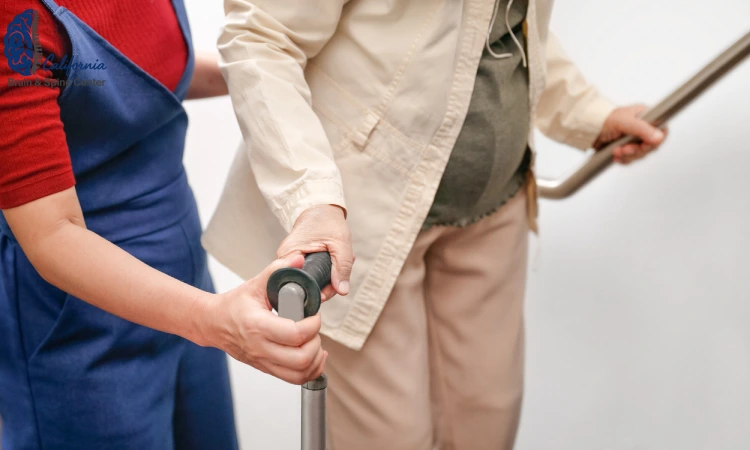
Remove trip hazards: loose rugs, extension cords, pet toys.
Add motion-sensor night-lights Calabasas evenings get dark quickly under oak canopies.
Keep frequently used items at waist height to avoid sudden bending or ladder use.
Post-TBI Home Care Checklist item ✔ #1: Daily floor scan completed.
1.2 Bathroom Basics
Install grab bars near the toilet and inside the shower.
Switch to a non-slip bath mat.
Set water heater to 120 °F (49 °C) to prevent accidental burns if sensory feedback is dulled.
Post-TBI Home Care Checklist item ✔ #2: All bars firmly anchored.
1.3 Bedroom Bliss
Position the bed so the injured person can enter and exit from strongest side.
Place a bell or soft chime on the nightstand for easy signaling during the night.
Traumatic Brain Injury Recovery — Home routines are medicine: predictable sleep, hydration, nutrition, and graded mobility. We’ll tailor your checklist to real life, align it with school/work demands, and set milestones so the family knows what “better” looks like week by week.
2. Structuring the Day: Rhythms Over Rushing
2.1 Morning Micro-Routines
Hydrate: 250 ml of water before caffeine to kickstart cerebral blood flow.
Gentle vestibular warm-up: seated head turns, shoulder rolls.
Mindfulness minute: three slow breaths with 4-second inhales.
Post-TBI Home Care Checklist item ✔ #3: Morning trio finished before 9 am.
2.2 Smart Screen Time
Blue-light from devices can aggravate headaches. Use amber filters or “night-shift” settings after sunset. Allocate digital breaks: 20-minute screen use, 5-minute eye rest.
Post-TBI Home Care Checklist item ✔ #4: Screen breaks logged.
2.3 Nutrition Nudges
Prioritize omega-3-rich foods: wild salmon, chia seeds.
Maintain steady glucose with balanced snacks almonds, berries, hummus.
Cook with seasonal produce from Calabasas Farmers Market to maximize phytonutrients.
3. Cognitive & Emotional Fitness
3.1 Brain-Boosting Games
Crossword puzzles, gentle memory apps, or a short game of “name five words starting with M” while cooking builds neural agility.
3.2 Mood Monitoring
Print a simple mood tracker: 😊, 😐, 😔. At dinner, circle the emoji that best fits the day. This quick check flags subtle shifts before they escalate.
Post-TBI Home Care Checklist item ✔ #5: Emoji mood chart updated.
3.3 Social Spokes
Recovery can feel isolating. Schedule low-stimulus visits coffee on the patio, a short stroll in Juan de Anza park to keep belonging alive without sensory overload.
4. Movement That Heals, Not Hurts
4.1 Cardinal Rule: Start Small
Five minutes of tai chi or stationary cycling can outrank a heroic one-hour workout that triggers dizziness.
4.2 Balance Builders
Stand on one foot near the kitchen counter for support; switch legs after ten seconds. Progress to a foam pad when steady.
4.3 Outdoor Oxygen
Calabasas air is fragrant after spring rains perfect for a quiet sidewalk loop. Sunlight stimulates vitamin D and mood-lifting serotonin. Wear a wide-brimmed hat if light sensitivity persists.
Post-TBI Home Care Checklist item ✔ #6: Movement goal met.
5. Sleep Sanctuary Strategies

Keep bedtime consistent even on weekends.
Dim lamps to 30% brightness one hour before sleep; Calabasas power grids make this simple with smart bulbs.
Use a white-noise machine to mask coyotes or late-night traffic on the 101.
Post-TBI Home Care Checklist item ✔ #7: Lights out by 10 pm.
Long-Term Effects Head Trauma — This article sets expectations for the months ahead, explaining which symptoms fade with pacing and which deserve a recheck. Pair it with your checklist to stay confident and proactive.
6. Tracking Progress Without Pressure
Weekly Wins Journal – List three functional gains every Sunday: e.g., “Balanced 15 seconds on foam mat,” “Read two chapters without headache.”
Color-Code Calendar – Green dots for high-energy days, yellow for moderate, red for rest. Patterns reveal triggers and triumphs.
Metered Milestones – Schedule professional reassessments at 4-, 8-, and 12-week marks.
Post-TBI Home Care Checklist item ✔ #8: All tracking tools updated.
7. When to Sound the Alarm
Call your doctor promptly if you notice:
Sudden spike in headache intensity unresponsive to rest.
New limb weakness or facial droop.
Repeated vomiting, double vision, or worsening confusion.
Post-TBI Home Care Checklist item ✔ #9: Emergency signs reviewed with family.
8. Partnering With Professionals
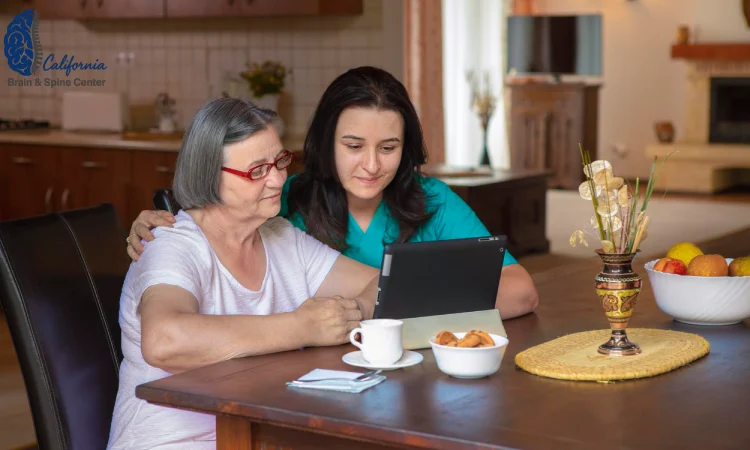
Even the best Post-TBI Home Care Checklist shines brighter when paired with expert guidance. Physical therapists, occupational therapists, speech-language pathologists, and neuropsychologists all add specialized lenses to your recovery roadmap.
Expert Help Under One Roof
If you’re ready for personalized strategies that accelerate healing, connect with the compassionate clinicians at California Brain & Spine Institute. From tailored vestibular exercises to cognitive retraining sessions, our Calabasas-based experts will solve your problem, empower your progress, and cheer every milestone you conquer.
Quick-Glance Summary
A thoughtful Post-TBI Home Care Checklist empowers Calabasas residents to turn confusion into confident daily action. By prioritizing safety, structured routines, brain-wise nutrition, mindful movement, restorative sleep, and consistent tracking, you build a sturdy bridge from hospital discharge to long-term vitality.
Frequently Asked Questions
1. How long should I keep using a Post-TBI Home Care Checklist?
At least three months, then reassess. Many families find the structure so useful they keep a slimmed-down version indefinitely.
2. Can the Post-TBI Home Care Checklist replace therapy sessions?
No. It complements professional care by extending best practices into everyday life.
3. Does every item apply to mild TBIs?
Customize freely. The beauty of a Post-TBI Home Care Checklist is its flexibility keep what serves you, adjust what doesn’t.
4. How do I motivate a loved one who resists the checklist?
Frame it as a freedom tool, not a chore list. Celebrate even tiny victories to reinforce buy-in.
5. Is specialized equipment always necessary?
Many gains come from low-cost tweaks repositioned furniture, timed reminders, consistent hydration. Start simple; add tools only if truly helpful.
👨⚕️ Alireza Chizari, MSc, DC, DACNB
🧠 Clinical Focus
🔬 Assessment & Treatment Approach
Objective testing may include:
Treatment programs may involve:
📍 Clinic Information
✅ Medical Review
⚠️ Disclaimer