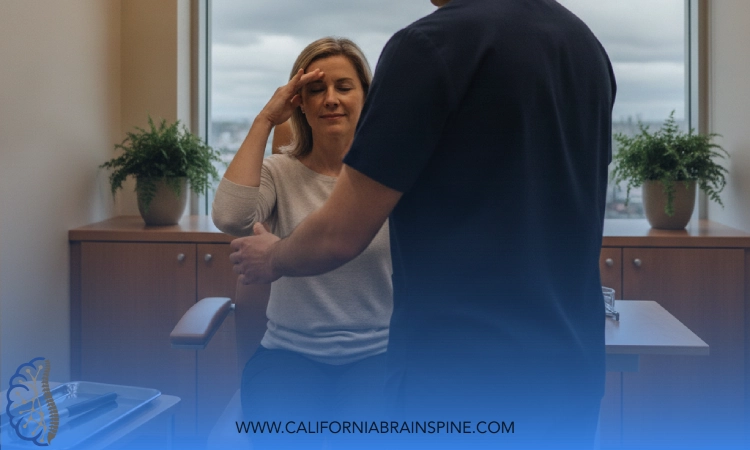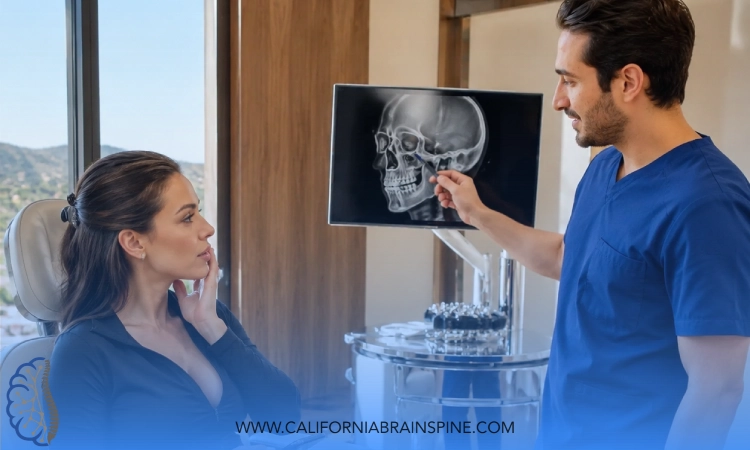

Most people recover from a concussion, but some are left with headaches, brain fog, dizziness or fatigue that linger for months, and those symptoms are real.
Most people recover well after a concussion, but for some the headaches, fog, dizziness or fatigue hang on for months, and those long term effects of concussion are real. I am Dr. Alireza Chizari, DC, DACNB, a Board-Certified Functional Neurologist at California Brain & Spine Center in Calabasas, and why those symptoms linger is a question I hear every week. Lingering symptoms often show up after the emergency visit and the reassurance are over. On paper the injury can look resolved, yet an afternoon headache, a paragraph read three times or dizziness in a busy store may still be there.
The CDC notes that most people with a mild traumatic brain injury (mild TBI) or concussion feel better and that symptoms generally improve over time. For some, symptoms last longer. If you are in that second group, you are not imagining it. Lingering symptoms have been linked in research to measurable changes in how the brain and nervous system work, and they are worth measuring rather than waiting out.
The short answer
Most people recover from a concussion, but some have headaches, dizziness, fatigue, brain fog, sleep changes or mood shifts that can last for months. These lingering symptoms are real and have been linked to measurable changes in brain and nervous system function. If they persist beyond about four weeks, international guidance advises a structured evaluation.

What Are the Long Term Effects of Concussion?
Usually, the long term effects of concussion show up as lingering symptoms: headaches, dizziness or balance problems, fatigue, brain fog, trouble concentrating, sensitivity to light or noise, sleep changes, irritability or anxiety. Most people improve over time, but research suggests a substantial share may still have symptoms months later.
That answer draws on two sources. The CDC groups concussion symptoms into physical, thinking and memory, social or emotional, and sleep. A large European cohort study, CENTER-TBI, published in the journal Brain and reported by the University of Cambridge, found that a substantial share of people with concussion may still have symptoms months later, most commonly fatigue, poor concentration and headaches.
This article is about concussion and mild injury. The long-term effects of traumatic brain injury in adults after a moderate or severe injury are a broader question, and one that belongs with medical neurology.
Is it normal to still have concussion symptoms months later?
It is common enough that researchers study it in large groups, so being months out and still symptomatic does not make you unusual. A review of sports-related concussion notes that long-lasting physical, psychological and cognitive symptoms can significantly affect quality of life and can prevent a return to work. The gap between looking recovered and working at full capacity is often the hardest part of lingering symptoms to explain to other people.
What have researchers found in the brain after concussion?
The same CENTER-TBI research found that concussion was associated with changes in how the thalamus, a relay hub deep in the brain, communicates with the rest of the brain. Researchers observed increased connectivity, as though the thalamus were trying to communicate more as a result of the injury. This is a finding about groups of people, and it cannot tell anyone what is happening in one person's brain. It is one reason I take the long term effects of concussion at face value when someone describes them.
What Do Lingering Concussion Symptoms Feel Like Day to Day?
Lingering concussion symptoms rarely arrive as one dramatic problem. Following the CDC's groups, they can include headaches, dizziness or balance problems, sensitivity to light or noise, fatigue, vision problems, feeling foggy or slowed down, trouble with concentration and memory, irritability, anxiety, sadness, and sleeping more or less than usual.
In an ordinary week that might mean you manage a focused morning and lose the thread by mid-afternoon. The drive home on the 101 leaves you more drained than it should, and a loud restaurant becomes something you plan around. The concussion program at Children's Hospital of Philadelphia describes the same picture from a clinical angle: lingering symptoms can include problems with visual tracking, focusing and balance, symptoms brought on by exercise, difficulty with thinking, and changes in mood.
Looking recovered and feeling like yourself again are two separate milestones, and lingering symptoms tend to live in the space between them.
Why Do Some Concussion Symptoms Last So Long?
Dr. Alireza Chizari, DC, DACNB, is wary of any explanation that fits everyone, because the research points to several systems that can stay out of step after the injury, and they combine differently from one person to the next.
The balance and visual systems
Vestibular problems after a concussion affect the brain's ability to visually track, focus and maintain balance. In practice that can look like dizziness in busy places or trouble keeping your eyes steady on a moving target. The neck belongs in the same conversation, since the international consensus on concussion in sport recommends combined neck and balance rehabilitation for lingering dizziness, neck pain or headaches.
The autonomic nervous system
The autonomic nervous system is the part of the nervous system that runs heart rate, blood pressure and sleep without you having to think about it. Heart rate variability is one marker of how well it is working. A systematic review and meta-analysis found that a history of concussion may be associated with lower resting heart rate variability, even after symptoms have recovered. That finding is part of why an evaluation for the long term effects of concussion can include autonomic measures, and why symptoms brought on by exercise deserve a closer look.
Can Repeated Concussions Cause Long Term Effects?
Repeated concussions change the conversation. A review of sports-related concussion and its long-term effects notes that repeated mild brain injuries, especially without full recovery between them, could increase the risk of neurodegenerative disease decades later, and that repeated injuries are associated with slower recovery.
Read that carefully. It is a risk association tied to repeated injuries, and it is neither a forecast for one concussion nor a diagnosis for someone who has had several. What it does support is patience with a second or third injury, and a full recovery before a return to contact sport.
Parents and athletes working through more than one injury can read our article on repeated concussions in athletes, which covers how the return-to-play discussion changes.
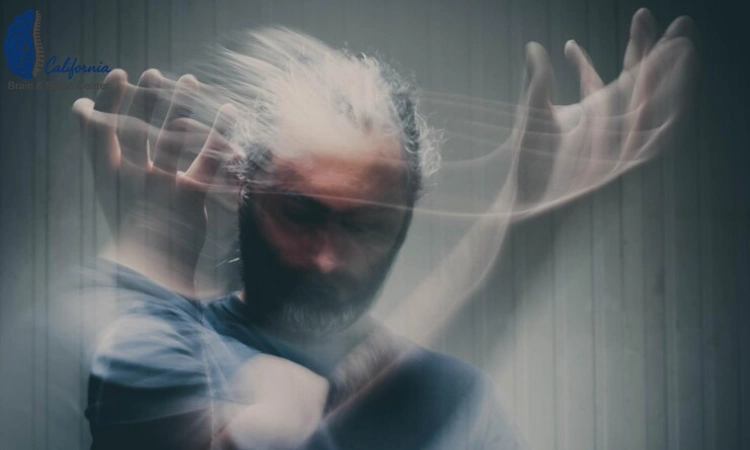
Still feeling your concussion weeks or months later?
A complimentary consultation at our Calabasas clinic is a chance to talk through the injury, what still feels different, and whether a detailed evaluation makes sense for you.
When Should the Long Term Effects of Concussion Be Evaluated?
The international consensus statement on concussion in sport, from the International Conference in Amsterdam and published in the British Journal of Sports Medicine, advises a specialized, multidisciplinary assessment when symptoms last more than four weeks. Its purpose is to identify the types, pattern and severity of symptoms and any other contributing factors. I find that framing useful, because it swaps the question of how long this will take for the question of what is actually going on.
Cervicovestibular rehabilitation is a program of neck and balance exercises aimed at reducing symptoms and improving function, and the same consensus recommends it for lingering dizziness, neck pain or headaches after a concussion.
At California Brain & Spine Center, Dr. Chizari's version of that assessment is a 120-minute neurodiagnostic evaluation. When clinically appropriate, it may include eye movement and visual tracking tests, balance and vestibular testing, a neck examination and autonomic measures such as heart rate responses. For people already months in, the Brain Injury Recovery Program in Calabasas describes how those findings may be combined into a rehabilitation plan.
Rest is no longer the whole plan
Strict rest is no longer recommended after a concussion. The consensus found stronger evidence that light activity, such as ordinary daily tasks, and aerobic exercise, such as walking or stationary cycling, can aid recovery. How much activity suits you is worth setting around your own symptoms, and an evaluation helps define that.
The table below is how I sort the long term effects of concussion when someone first describes them: what is typical, what suggests something more, and what an evaluation looks at.
| Typical presentation | Patterns that suggest something more | What the evaluation looks at |
|---|---|---|
| Headaches that ease over time | Headaches still present after four weeks, or paired with neck pain or dizziness | Headache history and a neck examination |
| Brief unsteadiness that settles | Dizziness or poor balance that lingers, or trouble tracking and focusing with the eyes | Eye movements, visual tracking, balance and vestibular testing |
| Feeling foggy or slowed down early on | Poor concentration that affects work or school | Attention, processing and how symptoms respond to mental effort |
| Tiredness that improves with light activity | Symptoms brought on by exercise | Response to graded activity and autonomic measures such as heart rate |
| Irritability or sleep changes that settle | Anxiety, sadness or sleep problems that persist | Symptom history, with referral to primary care or mental health care when needed |
| Danger signs are never typical | A worsening headache, repeated vomiting, seizures, slurred speech or one pupil larger than the other | Emergency care, not a clinic evaluation |
When concentration and mental stamina are the main problem, cognitive rehabilitation may be part of the plan, when clinically appropriate after evaluation.

When a head injury needs emergency care, not a clinic
The CDC lists danger signs after a head injury that need emergency care, including:
- A headache that gets worse and does not go away
- Weakness, numbness, decreased coordination, convulsions or seizures
- Vomiting repeatedly
- Slurred speech or unusual behavior
- One pupil larger than the other
- Not recognizing people or places, or becoming confused, restless or agitated
- Losing consciousness, looking very drowsy, or not being able to wake up
If symptoms come on suddenly or severely - a sudden severe headache, weakness, trouble speaking, vision loss, or fainting - that is an emergency. Call 911 or go to an emergency room, not a clinic appointment.
Help for Lingering Concussion Symptoms in Calabasas and Woodland Hills
For anyone living or working along the 101, from Calabasas to Woodland Hills, the long term effects of concussion can mean still performing at a cost nobody else sees: a crash after back-to-back meetings, or a weekend spent recovering from the week.
An evaluation can help set goals in ordinary terms, such as a drive that does not wipe out the evening or a full afternoon at the screen, without any promise of when or whether they will be reached. The practice works alongside primary care, medical neurology, ENT and physical therapy, and anything outside functional neurology is referred on. For day-to-day routines while you sort this out, the Post-TBI Home Care Checklist is a practical reference.

Questions About the Long Term Effects of Concussion
How long do the long term effects of concussion last?
There is no single answer, and I avoid giving anyone a timeline. The CDC notes most people improve over time, while research suggests a substantial share may still have symptoms months later. The long term effects of concussion depend on the person, so the useful step is measuring what is still limited and tracking whether it changes.
Can a mild concussion have long-term effects in adults?
It can. Most adults with a mild concussion feel better over time, but some develop lingering headaches, fatigue, poor concentration or sleep changes. When these long term effects of concussion affect quality of life or make it hard to return to work, they deserve a structured evaluation rather than more waiting.
Can repeated concussions lead to CTE or dementia?
The concern in the research is about repeated injuries. A review of sports-related concussion found that repeated mild brain injuries, especially without full recovery between them, could increase the risk of neurodegenerative disease decades later, and repeated injuries are associated with slower recovery. That is a risk association, not a prediction for any one person.
Can lingering concussion symptoms affect my ability to work?
They can. A review of sports-related concussion found that long-lasting physical, psychological and cognitive symptoms can significantly affect quality of life and can prevent a return to work. Fatigue, poor concentration and headaches are among the most common lingering complaints, and all three can make a full workday harder than it looks from the outside.
Where can I get lingering concussion symptoms evaluated in Calabasas?
California Brain & Spine Center in Calabasas offers a detailed functional neurology evaluation for the long term effects of concussion, including eye movement, balance, neck and autonomic testing when clinically appropriate. Patients come from across the San Fernando Valley and the 101 corridor, and the practice works alongside primary care, medical neurology, ENT and physical therapy.
What to Remember About Lingering Concussion Symptoms
If you keep one thing from this, let it be that the long term effects of concussion are real, well studied and worth measuring. Most people improve over time. If you are still limited, especially past four weeks, a structured evaluation gives you something more useful than another round of waiting and hoping.
Dr. Alireza Chizari, DC, DACNB, evaluates lingering concussion symptoms through functional neurology at California Brain & Spine Center in Calabasas, and the approach comes from an engineer's habit of measuring a system before deciding what to adjust. His path from electrical engineering to postdoctoral training in clinical neuroscience is on the About Dr. Alireza Chizari page.
California Brain & Spine Center | (818) 649-5300 | Calabasas, CA 91302
Book online at californiabrainspine.janeapp.com
This content is for educational purposes only and is not medical advice. Consult a qualified healthcare provider about your specific situation.
Find out what is still limiting your recovery
Bring the history of the injury and a short list of what still feels off. We can talk through whether a 120-minute neurodiagnostic assessment makes sense for you.