
when to see a neurologist for dizziness?
At our California Brain & Spine Center in Calabasas, I meet a lot of people who have been dizzy for weeks or months and still don’t know whether it’s something simple like a vestibular issue or whether it’s one of those cases when to see a neurologist for dizziness becomes urgent. Most of them have already seen at least one doctor, maybe even an ENT, but they still wonder: “Is this just benign positional vertigo, or am I missing a stroke warning?” That uncertainty is stressful, and it’s exactly why I like to teach patients how to tell the difference between common dizziness and red-flag dizziness.
This article will walk you through the situations when to see a neurologist for dizziness, the specific dizziness and stroke warning signs we don’t ignore, and the patterns of dizziness that needs MRI or CT because the brain or blood vessels have to be checked. Not every dizzy spell needs imaging far from it but some absolutely do, and in those cases seeing the right specialist early makes the biggest difference.
Why Not All Dizziness Is the Same

Dizziness is a symptom, not a diagnosis. It can come from the inner ear, the eyes, the neck, the autonomic nervous system, medications, or the brain itself. Because there are so many sources, we teach patients to sort dizziness into two big buckets:
-
Likely peripheral/benign dizziness – often positional, short-lasting, triggered by specific movements, with otherwise normal neuro exam.
-
Possible central/vascular dizziness – sudden onset, severe imbalance, new neurological signs, or other red flags.
It’s the second group that answers the question when to see a neurologist for dizziness with “right now.”
Red Flags: Dizziness and Stroke Warning Signs
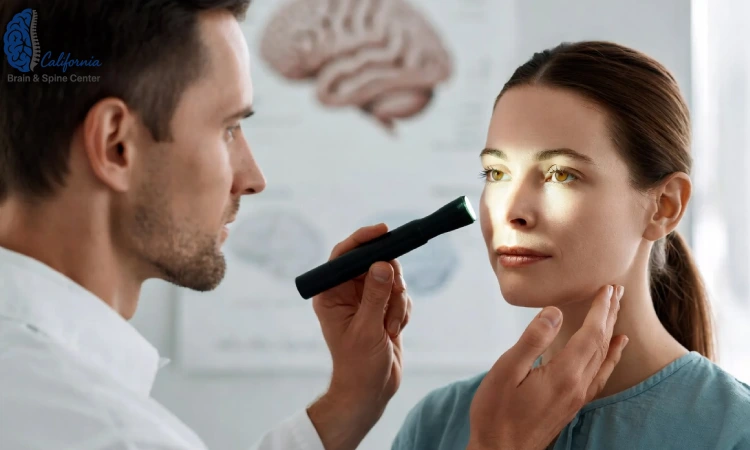
Here are the patterns we tell our California patients to take very seriously. If any of these are present, that’s dizziness and stroke warning signs territory, not “wait and see” territory:
-
Sudden dizziness or vertigo plus double vision, slurred speech, facial droop, or trouble swallowing
-
Sudden dizziness plus severe trouble walking or standing (you feel pulled to one side)
-
Dizziness with new weakness or numbness in the face, arm, or leg
-
Dizziness that starts abruptly in someone with strong stroke risk factors (age, hypertension, diabetes, smoking, atrial fibrillation)
-
“The worst dizziness of my life” that doesn’t ease up
-
New, severe headache with dizziness, especially if it’s different from your usual headaches
These are classic situations when to see a neurologist for dizziness right away or even go to emergency care. Central causes especially posterior circulation strokes can present primarily with dizziness, imbalance, or vision changes. That’s why we never ignore dizziness and stroke warning signs.
When Dizziness Needs MRI or CT
Most vestibular or positional cases don’t need imaging. But some cases of dizziness that needs MRI or CT include:
-
Suspected stroke or TIA involving the brainstem or cerebellum
-
Persistent dizziness with new hearing loss on one side (to rule out acoustic neuroma or other lesions)
-
Dizziness with new, unexplained neurological deficits
-
Dizziness after head trauma, especially if symptoms are worsening rather than improving
-
Atypical nystagmus or eye-movement findings on exam
-
Failure to respond to appropriate vestibular treatment when the history is not fully convincing for a benign cause
In those cases, imaging is not about “doing everything,” it’s about not missing a structural or vascular cause. So if you’re asking yourself when to see a neurologist for dizziness, one answer is: when the story doesn’t match a simple ear problem and when your symptoms aren’t improving the way benign dizziness usually does.
Being told that your MRI is “normal” can be both a relief and a source of frustration when dizziness continues. While not all dizzy patients need imaging, understanding early patterns that suggest central vestibular involvement is key to making smart decisions about testing. If you want to learn more about those subtle brain based signals, our article on early warning signs of central vestibular disorders explains the kinds of eye movement changes, gait patterns, and symptom clusters that often prompt us to look more closely at central pathways.
What a Neurology/Vestibular-Focused Exam Looks For

At our clinic in Calabasas, we do more than just listen to “I feel dizzy.” We break it down:
-
Is it spinning (vertigo) or lightheadedness?
-
Is it triggered by head movement, or does it happen even when still?
-
Are there vision changes?
-
Is there neck pain or history of concussion?
-
Is there dysautonomia heart racing, low tolerance to standing?
This helps us decide if you’re in the group that can stay in vestibular rehabilitation or whether this is one of those cases when to see a neurologist for dizziness and possibly order imaging. We also look for signs like direction-changing nystagmus, skew deviation, limb ataxia those are central signs and push us toward dizziness that needs MRI or CT.
Common Situations That Do NOT Automatically Need Imaging

Patients are often relieved to hear this. These patterns usually do not mean stroke:
-
Brief vertigo when rolling in bed or looking up (classic BPPV pattern)
-
Dizziness that is clearly tied to an inner-ear infection and is steadily improving
-
Mild, short-lived lightheadedness on hot days or when dehydrated
-
Dizziness after a known concussion that is following a typical recovery path
These can still be uncomfortable and absolutely benefit from vestibular rehab, post-concussion care, or dysautonomia management, but they don’t automatically meet the threshold of when to see a neurologist for dizziness or dizziness that needs MRI or CT.
Post-Concussion Patients: A Special Group

In Southern California, we see many patients months after a car accident or sports injury who still have dizziness. Most of them do not need emergency imaging at that point, but we keep our guard up. If a post-TBI patient develops new neurological symptoms, new visual field problems, or sudden worsening imbalance, that shifts the case into the lane of when to see a neurologist for dizziness again even if initial scans were done months ago.
This is also where dysautonomia and vestibular dysfunction can blur the picture. That’s why we connect these patients to our non-invasive neurology, vestibular rehabilitation, and post-concussion services so they don’t get stuck in “it’s just anxiety” when actually their system needs structured rehab.
For many patients, the most important step is not another test but a targeted plan that respects brain sensitivity while gently pushing it to adapt. With our non invasive neurology therapy, we use tools such as neuromodulation, sensory training, and customized rehab exercises to address the root neurological issues behind dizziness without resorting to invasive procedures.
Why Timing Matters
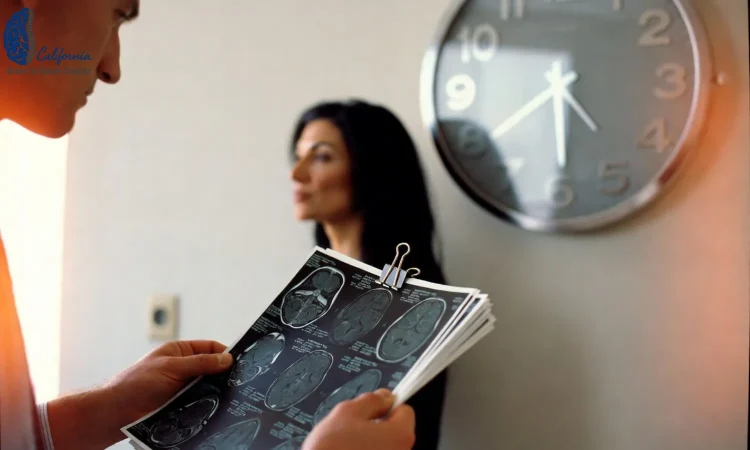
The reason we emphasize when to see a neurologist for dizziness is that some central causes are time-sensitive. Posterior circulation strokes, small cerebellar infarcts, or demyelinating lesions can look deceptively “just dizzy” at the beginning. Getting the right specialist eyes on the case, and doing MRI or CT when indicated, protects you from that small but serious group of conditions.
At the same time, seeing a clinic that understands vestibular and functional neurology like ours in Calabasas protects you from the opposite problem: getting imaged over and over when what you really needed was vestibular rehab, cervical treatment, or autonomic regulation.
If you are in Calabasas, anywhere in Los Angeles County, or you travel to us from elsewhere in Southern California, and your dizziness is not following a simple pattern especially if you have any of the dizziness and stroke warning signs we talked about our team can evaluate you. We will tell you clearly whether this is a case for vestibular rehabilitation, post-concussion care, or whether it is one of those times when to see a neurologist for dizziness and consider dizziness that needs MRI or CT.
You can explore our non-invasive neurology, vestibular, concussion, and autonomic services at https://californiabrainspine.com/ our experts will help you move toward a safer, clearer diagnosis.
Summary
-
Not all dizziness is the same. Some patterns are benign and respond well to vestibular rehab; others are central or vascular and require a neurologist.
-
You should know the dizziness and stroke warning signs: sudden onset, neurological deficits, trouble walking, trouble speaking.
-
Those are the cases when to see a neurologist for dizziness and sometimes to obtain dizziness that needs MRI or CT.
-
A clinic that works every day with dizziness, concussion, dysautonomia, and vestibular disorders like ours in Calabasas can help you decide which path is safest.
FAQs
1. How do I know if my dizziness is an emergency?
If it comes on suddenly and is accompanied by double vision, weakness, trouble speaking, face droop, or severe imbalance, treat it as an emergency. That fits the pattern of dizziness and stroke warning signs and is a moment when to see a neurologist for dizziness immediately.
2. Do all dizzy patients need MRI or CT?
No. Only certain patterns of dizziness that needs MRI or CT atypical, persistent, neurological, or vascular-sounding cases need imaging. Many inner-ear–type dizziness cases don’t.
3. I’ve had dizziness for months. Is it too late to see a neurologist?
No. Chronic symptoms, especially if they don’t match classic BPPV or if they’re getting worse, can still be a reason when to see a neurologist for dizziness to rule out central causes and to be referred to vestibular or autonomic rehab.
4. Can anxiety make dizziness worse?
Yes, but we should never assume it’s just anxiety before ruling out vestibular, neurological, and autonomic causes. A structured exam tells us whether this is a case when to see a neurologist for dizziness or a case for rehab.
5. Can your clinic help if I already had a normal MRI?
Yes. Many patients have normal imaging but still have vestibular dysfunction, dysautonomia, or post-concussion dizziness. That’s where our non-invasive neurology and vestibular programs at https://californiabrainspine.com/ come in.
👨⚕️ Alireza Chizari, MSc, DC, DACNB
🧠 Clinical Focus
🔬 Assessment & Treatment Approach
Objective testing may include:
Treatment programs may involve:
📍 Clinic Information
✅ Medical Review
⚠️ Disclaimer