
Sleeplessness Treatment
If nights feel long and mornings feel short, you’re not alone and you’re not stuck. As a neurologist, I’ve watched countless patients move from “I dread bedtime” to “I sleep with confidence.” The turning point is choosing the right first step in sleeplessness treatment. For many, cognitive behavioral therapy for insomnia (CBT-I) is the most effective starting point. For others, short-term medication thoughtfully selected and closely guided can be the bridge that gets you to the other side. This guide will help you decide which path to take, when to combine them, and how to make gains that last.
How Insomnia Works: Why the Brain “Learns” to Stay Awake
Insomnia is not simply the absence of sleep it’s the presence of wakefulness habits that become conditioned over time. Your brain forms associations quickly: bed = worry, midnight = rumination, 3 a.m. = clock-checking. In clinical practice, we see two core systems shaping the night:
-
Homeostatic pressure (sleep drive): builds across the day and is weakened by naps, dozing, or irregular schedules.
-
Circadian rhythm (body clock): coordinates light, hormones, and temperature; it’s disrupted by late-night light, shift work, travel, or inconsistent wake times.
When these systems drift, even small triggers heat, pain, reflux, stress keep you up. A modern sleeplessness treatment should retrain these systems and calm the triggers, rather than simply sedate the brain.
Sleeplessness can look very different from person to person. Some struggle to fall asleep, while others wake up repeatedly throughout the night and never feel fully restored. If your main issue is waking in the middle of the night or too early in the morning, you may relate more to our article on trouble staying asleep and causes you can actually change, which focuses on fragmented sleep and the neurological and lifestyle factors that drive it.
What CBT-I Actually Is (Beyond “Sleep Hygiene”)

CBT-I is a structured, time-bound therapy (typically 4–6 sessions over 6–8 weeks) that resets how your brain relates to sleep. It is not generic tips; it is targeted retraining. The program usually includes:
-
Stimulus control: Break the bed-awake link. If you’re awake ~20–30 minutes, leave the bed; return only when drowsy.
-
Sleep restriction/compression: Temporarily limit time in bed to match actual sleep, then expand as efficiency improves turning fragmented nights into deeper, more consolidated sleep.
-
Cognitive strategies: Replace catastrophic thoughts (“If I don’t sleep, tomorrow is ruined”) with accurate, calming narratives.
-
Circadian tuning: Morning light, consistent wake times, and dimmer evenings to realign the body clock.
-
Relaxation skills: Breathing drills, body scans, or cognitive shuffles to keep the mind from “grabbing” awakenings.
Why it’s the backbone of sleeplessness treatment: CBT-I treats the cause (maladaptive conditioning) rather than only the symptoms. Skills persist after therapy ends.
What Medications Can and Cannot Do
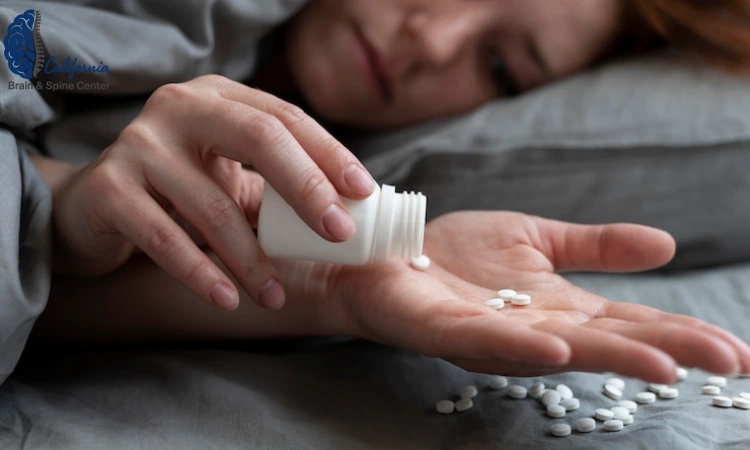
Medications can reduce the intensity of nighttime arousal, help you fall asleep faster, or help you return to sleep after awakenings. They can be valuable as a short-term aid while you retrain sleep with CBT-I or during acute stress (bereavement, jet lag, temporary work changes). Options your clinician may consider include:
-
Melatonin receptor agents for circadian timing support.
-
Low-dose sedating antidepressants for sleep maintenance, especially if pain or mood symptoms co-exist.
-
Orexin receptor antagonists targeting the wake-drive system.
-
Other short-acting agents selected for specific patterns (sleep-onset vs. sleep-maintenance).
Medication is a tool, not a plan. Used without behavioral change, benefits often fade, tolerance can develop, and nights can rebound when pills are stopped. Thoughtful sleeplessness treatment uses the smallest effective dose, for the shortest time, with a clear taper strategy and always checks for underlying contributors like sleep apnea, restless legs, reflux, pain syndromes, or medication side effects.
Evidence at a Glance: Which First?
-
Chronic insomnia (≥3 months): Most clinical guidelines recommend CBT-I as first-line sleeplessness treatment. It improves sleep onset, continuity, and quality with durable results.
-
Acute insomnia (days to a few weeks): A brief medication course may help stabilize nights while you begin CBT-I elements (consistent wake time, light management, stimulus control).
-
Comorbid conditions: If mood, pain, or circadian disorders are prominent, a combined approach CBT-I plus a targeted medication can be appropriate. Importantly, the behavioral foundation stays central.
A Simple Decision Framework You Can Use Tonight
Start with CBT-I first if any of these ring true:
-
Your insomnia has lasted weeks to months.
-
You can commit to consistent wake times and targeted techniques for 2–6 weeks.
-
You want results that persist after therapy ends.
Consider a short medication assist (while you start CBT-I) if:
-
You’re in a high-stress window or major schedule shift.
-
Anxiety spikes at bedtime make it impossible to even begin skills practice.
-
Rebound insomnia occurred after stopping prior medications; you need a guided transition to skills-based sleep.
Revisit causes before adding pills if:
-
You snore loudly, gasp, or wake unrefreshed (possible sleep apnea).
-
You feel an irresistible urge to move your legs at night, or bed partners note leg kicks.
-
You have severe reflux, chronic pain, or nighttime asthma symptoms.
Treatment of these can transform your response to CBT-I and sharpen your sleeplessness treatment overall.
A 6-Week Plan That Blends Both Paths (If Needed)
Week 1–2: Build the foundation
-
Fix your wake time (no snooze).
-
Get outdoor or bright light within 60 minutes of waking.
-
Dim light 2 hours before bed; keep screens below eye level and at the lowest comfortable brightness.
-
If awake >20–30 minutes, get out of bed; return when sleepy.
-
Start a brief “worry time” in the late afternoon write concerns and next steps to offload them from bedtime.
-
If medication is indicated, your clinician sets an initial, minimal dose with a clear goal: support not replace CBT-I.
Week 3–4: Sleep compression + cognitive work
-
Align time in bed with average sleep time (e.g., if you sleep 6 hours, set 6–6.5 hours in bed).
-
Use cognitive tools: name the thought, reframe it (“I can function with less than perfect sleep”), shift attention (breath or body scan).
-
Keep a sleep log to track efficiency (sleep time ÷ time in bed). Your sleeplessness treatment now becomes data-guided.
Week 5–6: Expand sleep + plan the taper
-
As efficiency rises (>85%), expand time in bed by 15–20 minutes every few nights.
-
If you used medication, this is the window to taper slowly, guided by your clinician, while reinforcing the skills that keep sleep stable.
-
Decide on long-term maintenance: consistent wake time, morning light, and a two-step wind-down that you repeat most nights.
Special Cases That Change the Playbook

-
Shift work: Anchor sleep windows consistently, use strategic light blocking (dark shades, amber lenses before bed), and consider clinician-guided timing aids. CBT-I principles still apply, with stronger circadian management.
-
Perimenopause/menopause: Temperature control (cool room, breathable bedding) plus CBT-I skills can reduce awakenings; discuss additional symptom-targeted options with your clinician.
-
Older adults: Emphasize fall-prevention and minimal sedation. CBT-I remains highly effective and is the preferred sleeplessness treatment in this group.
-
Athletes and chronic pain: Thoughtful timing of movement, heat/cold therapy, and analgesic scheduling (per clinician guidance) can reduce sleep-fragmenting discomfort and amplify the gains from CBT-I.
Myths That Keep People Stuck
-
“I tried sleep hygiene. It didn’t work.”
Sleep hygiene is a small piece; CBT-I is an integrated protocol that retrains sleep architecture. Hygiene alone rarely fixes chronic insomnia. -
“Medication is a failure.”
It isn’t when used on purpose, for a purpose, and for a time-limited period within a larger plan. The problem is only using medication without retraining sleep. -
“If I can’t fall asleep in bed, I should just try harder.”
Trying harder is arousing. Leaving the bed and returning drowsy is the counterintuitive move that breaks the insomnia loop. -
“If I have one bad night, the week is ruined.”
Recovery is lumpy. In effective sleeplessness treatment, trend lines matter more than single nights.
Practical Tools You Can Start Today
-
The 10-minute wind-down: Two steps, same order nightly (e.g., stretch + paper reading). You’re teaching your brain a lullaby.
-
The 4/6 breath: Inhale 4 counts, exhale 6. Do 20 cycles. The longer exhale nudges the nervous system toward calm.
-
The cognitive shuffle: Random, neutral imagery (pear, mailbox, river pebble). This occupies mental bandwidth without creating arousal.
-
White/brown noise: Smooths environmental spikes that wake you between sleep cycles.
-
Sleep log: Track bedtime, wake time, time awake at night, and perceived quality (1–5). Your log becomes the GPS of your sleeplessness treatment.
Red Flags Worth a Clinical Evaluation
-
Loud snoring, gasping, or morning headaches
-
Severe daytime sleepiness or near-misses while driving
-
Restless legs or frequent leg kicks noted by a partner
-
Persistent insomnia despite 4–6 weeks of structured CBT-I skills
-
New or worsening mood symptoms
These aren’t barriers they’re clues that can point your treatment in the right direction.
For many patients, chronic sleeplessness reflects a nervous system that cannot fully switch out of “alert” mode, especially after brain injury, chronic pain, or dysautonomia. With our non invasive neurology therapy, we use gentle neuromodulation, sensory training, and autonomic balancing techniques to help your brain learn how to downshift into deep, restorative sleep again.
How to Choose the Right Guide
Look for a clinician or program that:
-
Provides a clear CBT-I roadmap with defined session count and measurable targets.
-
Collaborates on medication only when needed, with a start goal and a taper plan.
-
Screens for medical conditions that fragment sleep.
-
Encourages skill practice between sessions and reviews your sleep log with you.
The best sleeplessness treatment is collaborative, transparent, and focused on enduring skills.
If you’re ready to sleep with confidence again, our team can evaluate your pattern, design a personalized CBT-I plan, and when appropriate integrate short-term medication support with precision. Visit https://californiabrainspine.com/ to explore our services and articles. Our experts will work with you to solve your insomnia at the root so nights become quieter and days feel lighter.
Summary
Insomnia persists because the brain learns wakefulness around the bed and the clock. CBT-I retrains those patterns and is the preferred first-line sleeplessness treatment for chronic cases, with durable benefits. Medication can be a useful, time-limited ally during acute stress or while you build skills, but it isn’t a stand-alone solution. A six-week plan consistent wake time, light management, stimulus control, sleep compression, cognitive tools restores consolidated nights for most people. Screen for medical contributors, measure progress with a sleep log, and tailor your approach with a clinician who keeps long-term results in view.
Frequently Asked Questions
1) Should I start with therapy or pills?
For long-standing insomnia, begin with CBT-I. If distress is very high or your schedule has abruptly changed, a short medication course can help you start CBT-I effectively. The most reliable sleeplessness treatment often blends both, with therapy as the foundation.
2) How long until CBT-I works?
Early gains (faster return to sleep, less clock-checking) often appear within 1–2 weeks; consolidated nights typically follow by weeks 3–6. Consistency beats intensity.
3) Will I need medication forever?
No. If medication is used, it should be time-limited and paired with skills that persist. As your sleep efficiency rises, a guided taper is usually feasible.
4) What if I wake at 3 a.m. every night?
That’s common. Check room temperature, avoid late meals and alcohol, keep light very dim if you get up, and use stimulus control if you’re awake >20–30 minutes. Many patients resolve this with a structured sleeplessness treatment plan.
5) Do wearables help?
They can provide trends, but don’t chase every nightly fluctuation. Your subjective quality and daytime function matter most. Use data to support not dominate your plan.
6) Can I nap while doing CBT-I?
Ideally no, especially in the first few weeks. If unavoidable, keep it early day and under 20 minutes so it doesn’t dilute your sleep drive.
7) What if anxiety drives my insomnia?
CBT-I integrates cognitive and relaxation strategies that reduce bedtime arousal. If anxiety remains high, your clinician may add targeted therapy or short-term medication as part of your sleeplessness treatment.
8) Is “sleep hygiene” enough?
On its own, usually not. Hygiene is supportive; the heavy lifters are stimulus control, sleep compression, and cognitive skills inside a coordinated plan.
👨⚕️ Alireza Chizari, MSc, DC, DACNB
🧠 Clinical Focus
🔬 Assessment & Treatment Approach
Objective testing may include:
Treatment programs may involve:
📍 Clinic Information
✅ Medical Review
⚠️ Disclaimer