Post-Concussion Anxiety Treatment
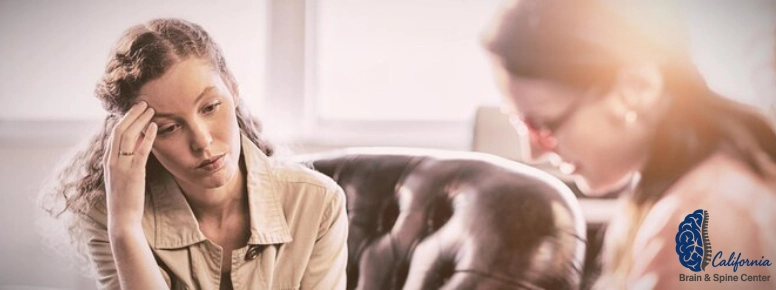
If you’ve had a concussion and now feel jittery, foggy, “on edge,” or suddenly sensitive to sounds, screens, or crowded rooms, you are not alone and you are not broken. Anxiety after concussion is common because the brain and body are trying to protect you. The goal of Post-Concussion Anxiety Treatment isn’t to force symptoms away; it’s to teach your nervous system that you are safe again, one steady signal at a time. In this guide, I’ll show you how to reduce symptom spikes, rebuild confidence, and feel like yourself again.
Why anxiety shows up after a concussion (and why it’s not your fault)
Anxiety isn’t a character flaw it’s biology doing its best. After a head injury:
-
The “threat radar” gets louder. Your autonomic nervous system leans toward fight-or-flight, so heart rate pops up faster, startle reflexes feel bigger, and minor stresses feel major.
-
Sensory filters loosen. Busy visual backgrounds, scrolling text, or bright lights can feel overwhelming.
-
Cognitive buffers shrink. Multitasking burns more fuel; you may notice worry spirals when you’re tired, hungry, or over-stimulated.
Post-Concussion Anxiety Treatment works by turning down the dial on this hyper-alert state, strengthening your brain’s ability to sort signals calmly again.
Calming the nervous system: The three-systems approach

Think of your recovery as training three systems that talk to each other:
-
Body (autonomic): Breathing, heart rate, and muscle tension.
-
Attention (cognitive): Where your focus rests and how you talk to yourself.
-
Behavior (habits): Doable daily actions that prove to your brain, “I’m safe and in control.”
When all three move together even in small ways Post-Concussion Anxiety Treatment feels surprisingly doable.
Post concussion anxiety shows up in many forms, from health worries and panic attacks to a quiet but persistent fear of making symptoms worse. For some patients, that fear centers around movement itself. They stop turning their head quickly, avoid exercise, or feel unsafe walking in busy environments. If you recognize that pattern, our article on overcoming fear of movement after brain injury explores how we gently rebuild trust in your body using graded, brain based rehab rather than forcing you to “push through.”
The 14-day starter plan (10–20 minutes per day)
This plan is gentle, repeatable, and designed to fit into real life. Use it as a template; adjust the timing to your energy and schedule.
Days 1–3: Reset and reassure
-
Anchor breath (4–6 pattern): Inhale 4 seconds, exhale 6 seconds, 5 rounds, twice a day. Longer exhales nudge the nervous system toward calm.
-
Micro-walks: 2–3 brisk 5-minute walks spaced through the day. Stop well before symptoms spike.
-
Light control: Dim screens, enlarge fonts, and take 20-20-20 breaks (every 20 minutes, look at something 20 feet away for 20 seconds).
Days 4–7: Gentle challenge, steady wins
-
Gaze stability (“eyes on a letter”): Sit or stand, focus on a letter at eye level 6–8 feet away. Turn your head left/right 15–20° for 30 seconds, then up/down 30 seconds. Keep the letter clear slow down if it blurs.
-
Body scan (2 minutes): Starting at the jaw and shoulders, relax what doesn’t need to work.
-
Script the day: Pick one “must-do” and one “nice-to-get-done.” Completing small plans restores control the heart of Post-Concussion Anxiety Treatment.
Days 8–14: Integrate and expand
-
Cardio drip: One 12–20 minute easy session most days (walk, cycle, gentle elliptical). Stay under the line where symptoms rise above mild and settle within minutes.
-
“Window and wedge” exposures: Choose one mildly stressful situation (a short grocery aisle, a 5-minute video call) and “wedge” it into your day with a calm breath before and after.
-
Wind-down ritual: Fixed wake time, lower lights after sunset, and the same 10–15 minute pre-sleep routine nightly (stretch, breath, no scrolling). Sleep consistency multiplies the benefits of Post-Concussion Anxiety Treatment.
Safety note: If dizziness, headache, or panic surges above a 4/10 and doesn’t settle within a minute or two, shrink the exercise, add rest, and try again later. Gentle nudges beat big pushes.
The Calm Circuit: a 10-minute daily practice
Use this on busy days or as a baseline routine.
-
Box-breathing warm-up (2 minutes): Inhale–hold–exhale–hold for 4 seconds each.
-
Gaze + balance (3 minutes): Eyes on your anchor letter; march in place, pausing each knee-up for 2 seconds. Keep your breath smooth.
-
Neck-friendly mobility (2 minutes): Slow “yes/no” nods and gentle shoulder rolls no end-range strain.
-
Body scan (1 minute): Unclench jaw, soften tongue to the roof of the mouth, let shoulders drop.
-
Reassurance script (2 minutes): Out loud if possible: “I am safe. I can go slow. Small steps count.” This is not fluff; it’s deliberate autonomic conditioning and a core tool in Post-Concussion Anxiety Treatment.
Pacing that prevents crashes: The 3-bucket method
Divide your day into green, yellow, and red activities:
-
Green (low load): Light walking, quiet reading, calm conversation.
-
Yellow (moderate load): Errands, longer screens, complex emails, busier spaces.
-
Red (high load): Crowded stores, long meetings, intense workouts.
Build your day like this: Green → Yellow → Green → Yellow, with no red until you’re consistently steady. This is the backbone of sustainable Post-Concussion Anxiety Treatment.
What to eat, drink, and schedule (without overcomplicating it)

-
Hydration: Adequate fluids calm heart-rate variability swings that mimic anxiety.
-
Regular meals: Steady glucose prevents “hangxiety” (hunger + anxiety).
-
Caffeine wisdom: If you’re sensitive, delay your first coffee 60–90 minutes after waking and avoid late afternoon cups.
-
Morning light: 5–10 minutes outdoors soon after waking anchors circadian rhythm, a powerful accelerator for recovery.
Thought habits that help (no toxic positivity required)
-
Name it, don’t fear it. “This is a nervous system surge.” Labeling interrupts runaway worry.
-
Shrink the horizon. Ask: What helps for the next 10 minutes?
-
Swap “what if” with “even if.” “Even if this meeting is noisy, I can lower the screen brightness, breathe, and step out for a minute.”
-
Track boring wins. “I cooked dinner without a headache spike.” Boring wins stack fast.
These micro-skills are subtle but mighty in Post-Concussion Anxiety Treatment.
How to measure progress you can feel

Keep a 60-second evening note, 5 days a week:
-
Energy (0–10):
-
Anxiety peaks (0–10) & duration:
-
Screen time tolerance (minutes before break):
-
Confidence task of the week: (e.g., “drove to the store,” “joined a 15-minute call”)
Progress often looks like shorter symptom spikes, longer calm stretches, and a gentle upward trend in the confidence task. Trust slow, steady wins.
When to seek a tailored evaluation
Reach out for individualized care if you notice any of the following:
-
Anxiety, dizziness, or headaches that limit work, school, or relationships beyond a few weeks.
-
Panic episodes that feel unpredictable.
-
Sleep that remains fragmented despite consistent routines.
-
Screen or motion sensitivity that blocks daily life.
-
New neurologic symptoms (weakness, persistent double vision, fainting) get prompt medical attention.
A clinician experienced in concussion care can align your plan to your symptoms: graded aerobic work, vestibular and visual retraining, cognitive pacing, sleep optimization, and practical workplace or classroom strategies. That kind of coordinated plan is what makes Post-Concussion Anxiety Treatment effective rather than exhausting.
For partners, friends, and teammates: the support that truly helps
-
Believe them. Symptoms are invisible but real.
-
Lower background noise during complex tasks.
-
Celebrate micro-progress, not just milestones.
-
Offer choices, not pressure: “Want the quiet café or a short walk?”
-
Protect the routine. Help defend sleep and meal times; consistency is therapeutic.
You can’t do the work for them, but you can make the work easier.
Frequently overlooked triggers (and easy fixes)
-
Cluttered screens: Use reader view, increase font size, dark mode, and reduce motion animations.
-
Long car rides: Plan short stops; keep eyes on the horizon, not the phone.
-
Layered noise: Use noise-reducing earbuds for busy spaces.
-
Heat and dehydration: They amplify symptoms carry water, seek shade, pace yourself.
Small environmental tweaks supercharge Post-Concussion Anxiety Treatment by reducing unnecessary “threat” signals.
What progress looks like at 2, 6, and 12 weeks
-
At 2 weeks: Fewer sudden spikes, better sense of control, longer screen tolerance by a few minutes.
-
At 6 weeks: Noticeably more stamina, easier transitions (standing up, turning quickly), calmer sleep.
-
At 12 weeks: Most days feel predictable; anxiety shows up as a whisper instead of a shout. Setbacks still happen, but recovery is faster and less scary.
Remember: the curve is not perfectly smooth. What matters is the overall trend.
How our clinic helps so you don’t have to figure this out alone
At California Brain & Spine Center, we design Post-Concussion Anxiety Treatment plans that fit your life, not the other way around. We listen first, examine carefully, and then build a step-by-step program that coordinates aerobic progression, vestibular and visual strategies, cognitive pacing, and sleep optimization. You’ll know exactly what to do each week and how to measure success. No guesswork just a calm, repeatable plan.
When anxiety and concussion symptoms feed into each other, you need a plan that treats both at the same time. Our concussion treatment in Calabasas begins with a detailed neurological and autonomic assessment, then combines targeted rehab with strategies to calm overactive brain networks so you can think more clearly, move more freely, and feel less trapped by fear.
Start a plan that calms your system and restores your days
If anxiety has been steering your life since a concussion, we’re ready to help you reclaim calm and confidence. Our experts will solve your problem for you beginning with a careful evaluation and a personalized, step-by-step plan you can follow at home, at work, and everywhere in between.
👉 Begin here: California Brain & Spine Center
(You can also explore helpful articles on that page to understand your symptoms and get ready for your visit.)
Summary
Post-Concussion Anxiety Treatment is about teaching your brain and body to trust the world again. By training three systems body, attention, and behavior you replace alarm with safety, unpredictability with routine, and fear with confidence. Gentle breath work, graded movement, visual–vestibular retraining, pacing, and sleep consistency create steady improvement. With a kind, structured plan (and a team that listens), Post-Concussion Anxiety Treatment becomes practical, hopeful, and effective.
Frequently Asked Questions (FAQ)
1) Why did anxiety start weeks after my concussion instead of immediately?
Recovery pulls on your energy budget. As you return to screens, work, and social life, the system can feel overdrawn. That’s when anxiety peaks. Post-Concussion Anxiety Treatment reduces the load and rebuilds your buffer.
2) Should I avoid exercise until I feel calm?
Completely avoiding movement can prolong symptoms. Gentle, symptom-limited cardio often reduces anxiety over time. The key is pacing and progression central to effective Post-Concussion Anxiety Treatment.
3) How do I know if it’s a panic attack or a surge from my nervous system?
They overlap. Either way, respond with the same tools: slow exhale-weighted breathing, grounding your eyes on a stable point, and a short step-away. Over weeks, these skills shorten and soften spikes one of the clearest wins of Post-Concussion Anxiety Treatment.
4) Do I need special equipment or apps?
No. A timer, a sticky note (for your visual anchor), and a pair of comfortable shoes are enough. Tools are optional; consistency is not.
5) Can I keep working or studying during recovery?
Usually, yes with structured breaks and workload pacing. Many people do best with 25–30 minute focus blocks and 5–10 minute resets. This is a cornerstone of Post-Concussion Anxiety Treatment in real life.
6) What if screens are my main trigger?
Use larger fonts, dark mode, reduced motion settings, and frequent “look-far” breaks. Keep your screen below eye level to reduce neck strain. Gradual exposure matters more than avoidance.
7) How long until I feel like myself again?
Timelines vary, but many see meaningful progress in 4–6 weeks with consistent practice. If you’re stuck, a tailored plan often unlocks the next step another reason Post-Concussion Anxiety Treatment works best with guidance.
8) What if I’ve struggled for months or years?
It’s not too late. The nervous system remains trainable. A coordinated, compassionate plan can still help you turn down symptoms and turn up confidence.
👨⚕️ Alireza Chizari, MSc, DC, DACNB
🧠 Clinical Focus
🔬 Assessment & Treatment Approach
Objective testing may include:
Treatment programs may involve:
📍 Clinic Information
✅ Medical Review
⚠️ Disclaimer