When memory problems begin to creep into your daily life, it can feel confusing and unsettling. You may be forgetting appointments, misplacing important items, or losing your train of thought in the middle of conversations. On the outside, everything may look normal. On the inside, you might be wondering whether you are simply stressed, getting older, or facing the beginning of something more serious.
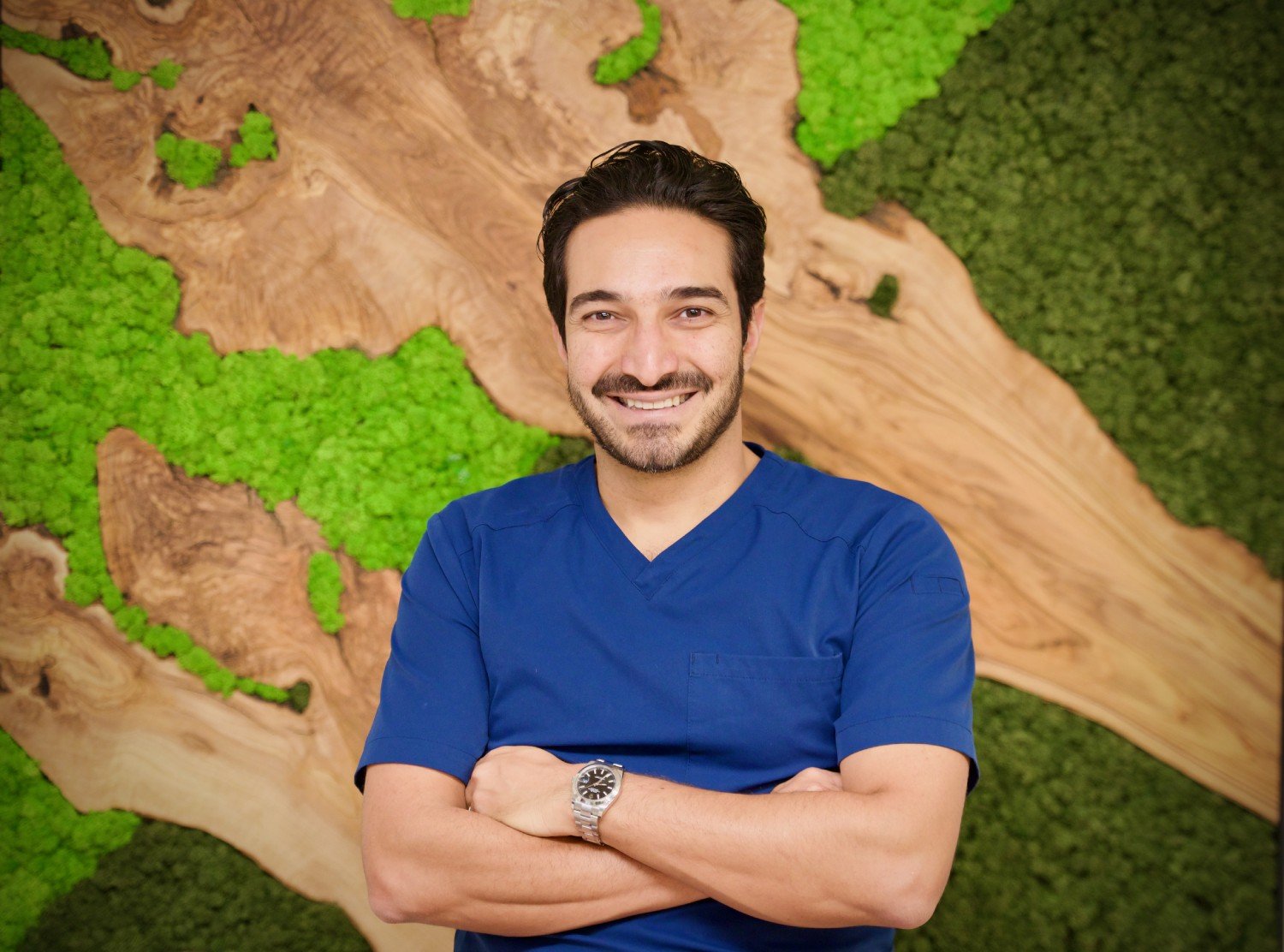
I am Dr. Alireza Chizari, and in this article I will explain how I approach care as a memory loss doctor in Woodland Hills and the surrounding communities. My goal is to help you understand what might be driving your memory changes, which parts are potentially reversible, and which steps we can take to protect and support your brain.
Trusted Memory Loss Doctor in Woodland Hills
You are the hero of this story. You are the one noticing the changes, searching for answers, and deciding to take action. My role, and the role of California Brain & Spine Center in Calabasas, is to walk beside you as an expert guide. We listen to your concerns, use advanced neurological and cognitive tools to understand your brain, and build a personalized plan that respects your life, responsibilities, and values.
If you are searching for a memory loss doctor in Woodland Hills, this page will show you what a careful, science based, and compassionate approach can look like. You will learn how our clinic can help, what to expect from an evaluation, and how you can use our services to move from worry and uncertainty toward clarity and a more confident future.
When memory changes start to worry you in Woodland Hills
Most people do not come to see a memory loss doctor in Woodland Hills after one forgotten name. They come when they notice a pattern. Maybe you read the same email several times before it sinks in. Maybe you repeat a story to your family and only realize it when they gently tell you they have already heard it. Maybe multitasking at work feels much harder than it used to.
Common early concerns include:
-
Misplacing keys, phones, or glasses more often
-
Forgetting appointments or bills unless everything is written down
-
Struggling to find words in conversation
-
Feeling mentally slower or more easily overwhelmed
-
Brain fog that makes it hard to focus, especially later in the day
Any individual slip might be normal. The pattern is what matters. As a memory loss doctor in Woodland Hills, I am less concerned about one small mistake and much more interested in how your thinking and memory are changing over time.
Is it normal aging, stress, or something more serious?
One of the biggest questions people ask me is whether their symptoms are simply “normal aging.” The truth is more nuanced. Aging does bring changes in processing speed and the way we store new information. However, not every memory complaint should be dismissed as aging or stress.
As a memory loss doctor in Woodland Hills, I look at three main questions:
-
Are the changes clearly different from your previous level of function
-
Are they affecting your daily life, work, or relationships
-
Are there medical, neurological, or lifestyle factors that could be contributing
Sometimes we find that memory lapses are mainly driven by poor sleep, chronic stress, or medication effects. Other times, we uncover evidence of mild cognitive impairment, past traumatic brain injury, or early stages of a neurodegenerative condition. The point of seeing a memory loss doctor is not to assume the worst. It is to avoid guessing and to base decisions on careful evaluation.
The goal is not to label you. The goal is to understand you, so that your next steps are guided by knowledge instead of fear.
How I evaluate memory loss as a doctor serving Woodland Hills
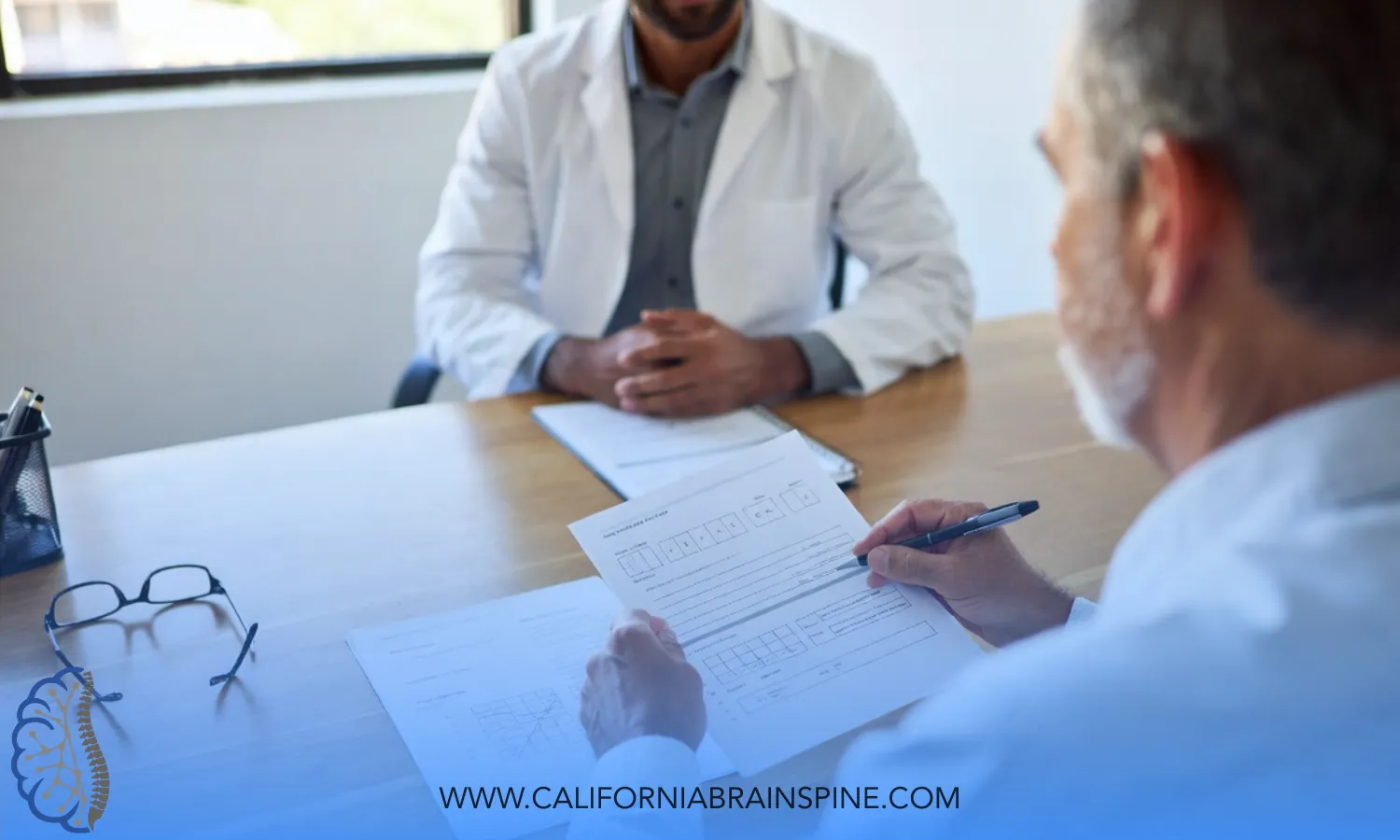
When you come to see me as a memory loss doctor in Woodland Hills, the first visit is not about rushing through a checklist. It is about understanding your story in detail. Memory does not exist in isolation. It is affected by sleep, mood, balance, past injuries, medications, and many other factors. We take the time to put the pieces together.
Your story is the starting point, not the ending
I begin with a thorough conversation. I ask:
-
When did you first notice memory changes
-
Which situations are most challenging, such as work tasks, managing finances, or conversations in noisy environments
-
Whether you have a history of concussion, whiplash, or head and neck injuries
-
How well you sleep, and whether you wake rested
-
What medications, supplements, and medical conditions you have
You are not being interrogated. You are co-investigating your own brain with me. As a memory loss doctor in Woodland Hills, I pay close attention to how you describe your daily life, not only to test results. The way you talk about your challenges provides important clues about whether the main issue is attention, retrieval, processing speed, executive function, or something else.
Gentle cognitive and neurological screening
After we discuss your history, I perform a focused neurological and cognitive screening. This may include:
-
Short memory and attention tasks
-
Tests of processing speed and mental flexibility
-
Evaluation of eye movements and visual tracking
-
Basic balance and coordination checks
These assessments are not a pass or fail exam. They are tools to map how your brain is working right now. We can repeat some of them over time to see whether your thinking is improving, stable, or changing. This is especially important if we are working on recovery after concussion, traumatic brain injury, or complex conditions like dysautonomia that can affect brain function.
You are not your test scores. They are one part of a much bigger picture that includes your goals, values, and daily life.
Subtle clues that point beyond “just stress”
Not all memory loss looks the same. As a memory loss doctor in Woodland Hills, I look for subtle patterns that can reveal deeper causes.
Brain fog, attention, and past concussions
Some people do not describe “forgetfulness” as much as they describe a heavy brain fog or a feeling that their thoughts are moving through molasses. They may have trouble focusing on a task long enough to encode it into memory in the first place.
In many cases, we discover a history of:
-
Concussions from sports, falls, or car accidents
-
Mild traumatic brain injuries with “normal” scans but lingering symptoms
-
Dizziness or balance problems that silently tax the brain every day
For these patients, memory problems are tightly linked to how efficiently their brain is processing information and managing sensory input. Addressing the underlying brain injury, vestibular issues, or visual disturbances can significantly improve memory and attention.
Sleep, mood, and autonomic nervous system balance
Other patients from Woodland Hills arrive with a mix of memory loss, fatigue, and mood changes. They may wake up unrefreshed, feel wired and tired at night, or have palpitations and lightheadedness when standing. These can be signs of autonomic nervous system imbalance, sometimes known as dysautonomia.
If your nervous system is in survival mode most of the time, your brain will have less energy available for higher level tasks such as memory and planning. In these cases, part of my role as a memory loss doctor in Woodland Hills is to evaluate sleep, autonomic function, and stress physiology. When we support these systems, thinking often becomes clearer.
Memory is not only stored in your brain. It is supported every day by how you sleep, move, breathe, and respond to stress.
Why California Brain & Spine Center is more than a typical memory clinic
At this point, I want to describe the clinic from a third person perspective, so you can see the full structure and tools available to you.
At California Brain & Spine Center in Calabasas, adults who seek a memory loss doctor in Woodland Hills are evaluated through a comprehensive neurological and cognitive lens. The clinic brings together Dr. Chizari’s background in Electrical Engineering, a master’s degree in Advanced Engineering & Management, and postdoctoral education in Clinical Neuroscience. This interdisciplinary foundation supports a high standard of practical problem solving.
Engineering precision meets clinical neuroscience
Rather than focusing only on labels such as “mild cognitive impairment” or “memory loss,” the team examines how different systems interact. They consider:
-
Structural and functional changes linked to prior traumatic brain injuries
-
Vestibular and balance issues that can promote chronic brain fog
-
Visual disturbances after concussion that make reading and screen work more difficult
-
Autonomic nervous system disorders that reduce mental stamina and clarity
Patients may undergo advanced vestibular and neurological testing when appropriate, including eye movement tracking, balance platform assessment, and autonomic screening. These tools help identify which parts of the nervous system can be retrained through neuroplasticity.
Advanced non invasive neurology therapies that may support memory
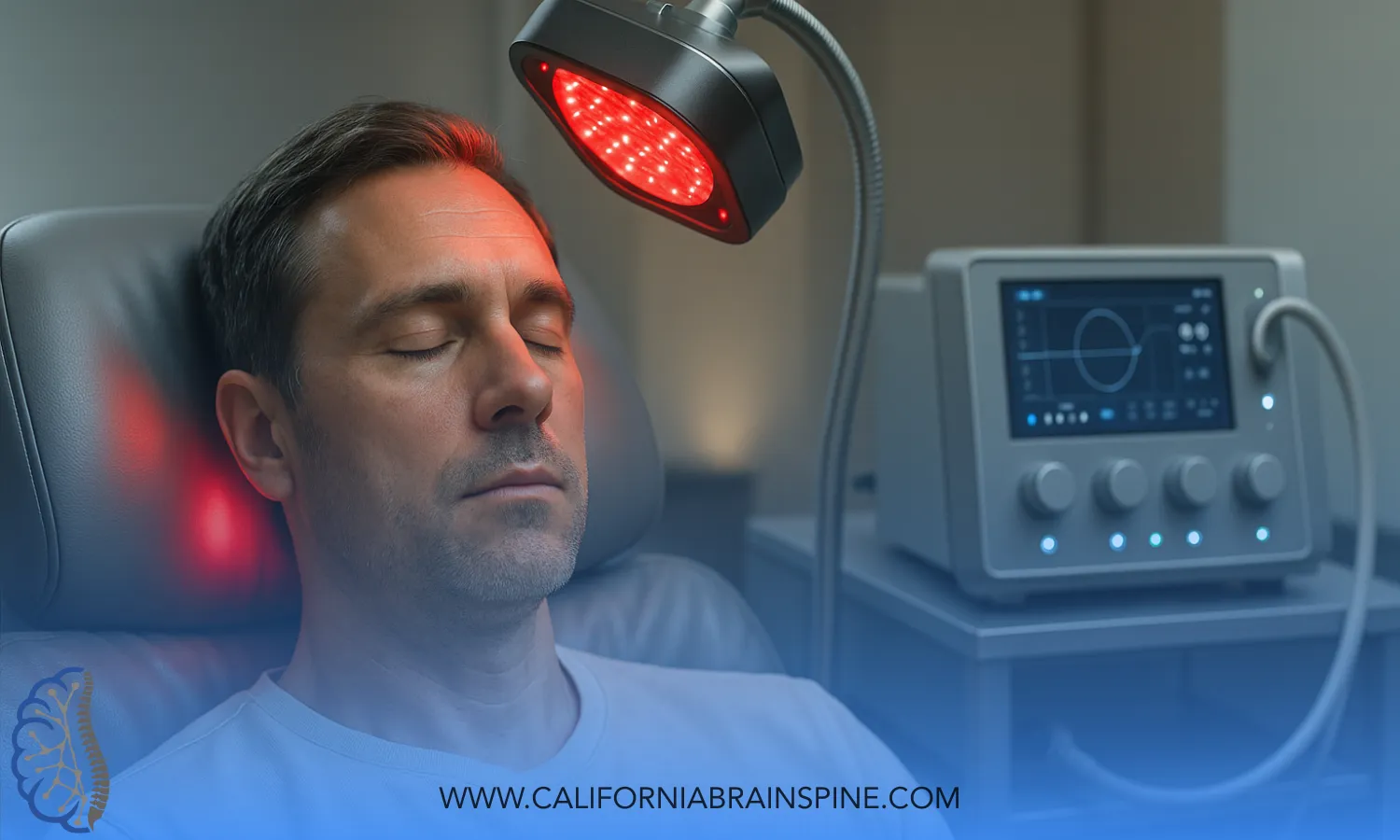
Beyond traditional diagnostics, California Brain & Spine Center offers evidence informed non invasive neurology therapies that can support brain health and cognitive function, particularly in complex cases. These may include:
-
Low Level Laser Therapy (LLLT) to support cellular energy and healing
-
Pulsed Electromagnetic Field (PEMF) therapy aimed at neuromodulation and recovery
-
Hyperbaric Oxygen Therapy (HBOT) in selected cases to enhance oxygenation
-
GammaCore Vagus Nerve Stimulation to help regulate autonomic function and stress responses
-
The NeuroRevive Program, which combines cognitive rehabilitation, NeuroSensory Integration (NSI), and neuromodulatory tools into a structured plan
These therapies are not offered as quick fixes. They are integrated into personalized programs that focus on measurable functional gains, such as improved recall, better concentration, or more consistent mental energy throughout the day.
Technology is most powerful when it serves a clear clinical strategy. Devices should amplify a well designed plan, not replace careful thinking.
Step by step care pathway with a memory loss doctor in Woodland Hills
From a patient’s perspective, one of the most important questions is simple: “What happens after my first visit?” A memory loss doctor in Woodland Hills must offer more than a diagnostic label. There needs to be a stepwise path.
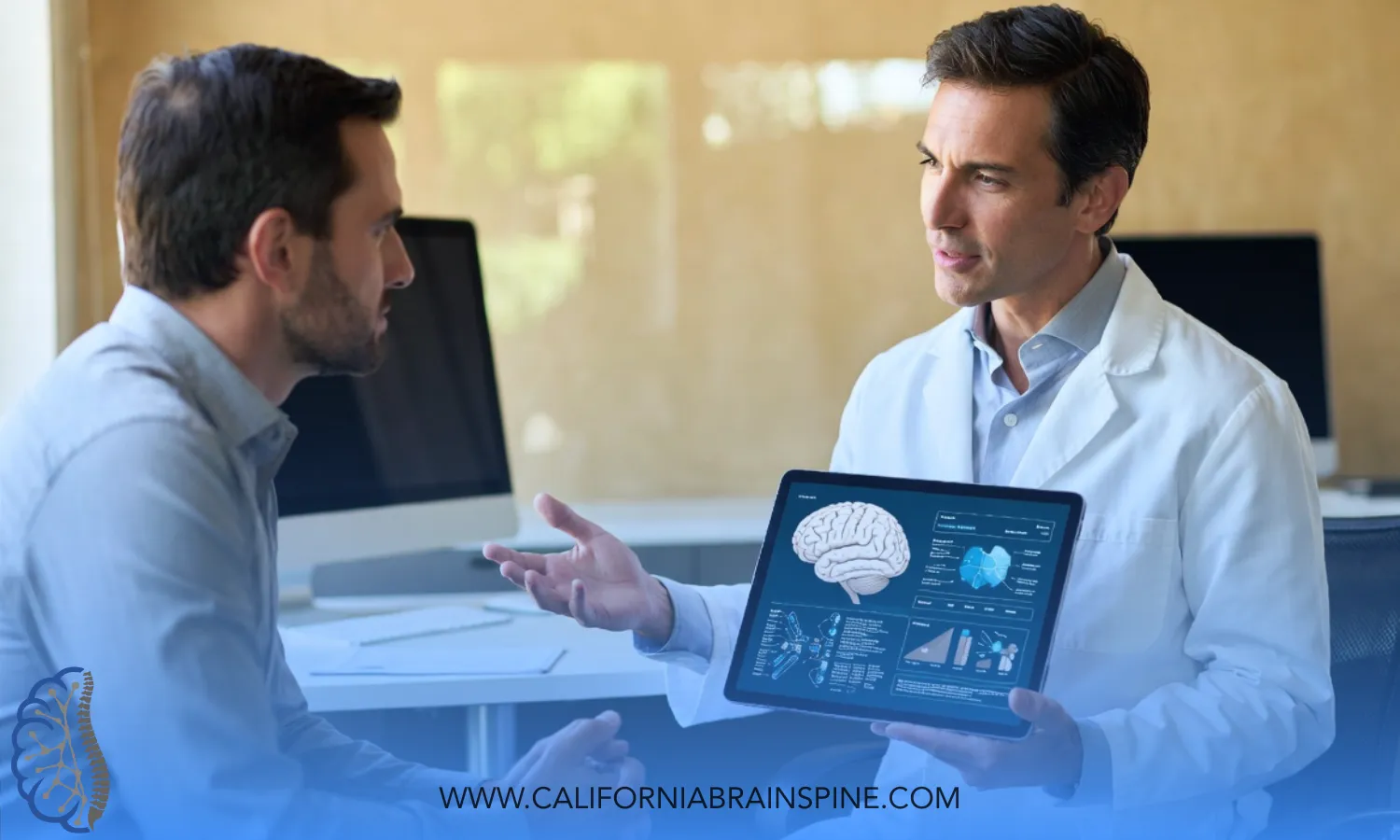
From diagnosis to a personalized neuroplasticity plan
After initial evaluations, California Brain & Spine Center typically follows a clear sequence:
-
Clarify the main drivers of memory loss, such as attention problems, post concussion changes, sleep issues, or early neurodegenerative processes.
-
Explain findings in everyday language, so patients and families understand what is happening and why.
-
Propose a personalized plan, which may include cognitive rehabilitation, neuroplasticity based exercises, vestibular or autonomic interventions, and non invasive neurology therapies when indicated.
-
Set realistic goals and timelines, focusing on what improvement might look like in daily life, not just on paper.
-
Track progress over time, adjusting the plan based on how the patient responds and what matters most to them.
This approach recognizes that each person from Woodland Hills who seeks a memory loss doctor is different. Career demands, family roles, and personal values all shape the plan.
Practical strategies that support daily life
In addition to in clinic care, patients often receive practical strategies to use at home. These might involve:
-
Structuring the day so that mentally demanding tasks happen when energy is highest
-
Using external memory supports without becoming dependent on them
-
Adjusting screen use, lighting, and visual environments to reduce cognitive strain
-
Incorporating gentle movement, breathing exercises, and sleep hygiene to support brain function
The clinic’s goal is for patients not only to understand their condition, but to feel more capable and less alone as they navigate it.
A good plan does not demand perfection. It creates a structure that supports you on your better days and cushions you on your harder ones.
A real patient story with a memory loss doctor in Woodland Hills
Some time ago, a woman in her late 50s from Woodland Hills came to see me. I will call her L. She had always been sharp and organized, managing a busy household and a demanding job. Over the previous year, she noticed she was rereading work emails, missing minor deadlines, and losing her train of thought in meetings. Her family physician told her it was probably stress and aging, but she felt something deeper was changing.
L. searched for a memory loss doctor in Woodland Hills and found our clinic in Calabasas. During her evaluation, we discovered mild difficulties in working memory and processing speed, but we also uncovered important context. She had experienced a significant car accident several years earlier with whiplash and brief confusion. Since then, she had developed chronic neck pain, occasional dizziness, and very poor sleep.
We built a plan that combined several elements. We addressed her lingering vestibular and neck issues with targeted rehabilitation, which reduced the daily strain on her brain. We used cognitive rehabilitation to strengthen her working memory and mental flexibility. We also incorporated the NeuroRevive Program, using carefully selected non invasive neurology therapies like LLLT and PEMF to support neuroplasticity while she performed personalized cognitive tasks.
Over the following months, L. reported that her brain “felt like it woke up.” She still used reminders and lists, but she was no longer afraid that she was rapidly declining. Her confidence at work returned, and her family saw her become more engaged and less frustrated. Her story is not a miracle, but it is a real example of what can happen when a memory loss doctor in Woodland Hills looks at the whole nervous system, not just a single test score.
Your most common questions about a memory loss doctor in Woodland Hills
Q1: When should I see a memory loss doctor in Woodland Hills instead of just waiting and watching?
If you notice a pattern of memory or thinking changes that affect your daily life, work performance, relationships, or confidence, it is reasonable to seek an evaluation. You do not have to wait until you are missing major events or getting lost while driving. Early assessment allows us to identify treatable factors such as sleep problems, past concussions, vestibular issues, or autonomic imbalance, and to support your brain before changes become more advanced.
Q2: Does seeing a memory loss doctor mean I will be diagnosed with dementia?
No. Many patients who come to see me do not have dementia. Some have attention and processing difficulties related to stress, sleep, or previous injuries. Others have mild cognitive impairment that may be stable or partially reversible. If a degenerative condition is present, early diagnosis allows for better planning, support, and treatment. The purpose of seeing a memory loss doctor in Woodland Hills is to understand your situation accurately, not to assume the worst.
Q3: What is the difference between a general neurologist and your approach?
General neurologists are trained to diagnose and manage a wide range of brain and nerve conditions. My approach at California Brain & Spine Center builds on this foundation with a specific focus on clinical neuroscience, neuroplasticity rehabilitation, and the integration of vestibular, autonomic, and cognitive systems. As a memory loss doctor in Woodland Hills, I pay close attention to how concussion, dizziness, dysautonomia, and chronic pain interact with memory and attention, and I use non invasive neurology therapies when appropriate to support recovery.
Q4: Can cognitive rehabilitation really help with memory problems?
Yes, when it is targeted and individualized. Cognitive rehabilitation is more than generic “brain games.” It involves structured exercises that match your specific areas of weakness and strength, with the goal of improving real life tasks such as managing finances, following conversations, or organizing complex projects. In our clinic, cognitive rehabilitation is often combined with NeuroSensory Integration and other neuroplasticity tools to create more robust and lasting change.
Q5: Are non invasive therapies like LLLT, PEMF, and HBOT safe for adults with memory concerns?
These therapies are used selectively and carefully. Before recommending any non invasive neurology treatment, we screen for contraindications, explain the potential benefits and limitations, and integrate them into a broader plan. Many patients tolerate them well, especially when treatments are introduced gradually and monitored closely. They are always used to support, not replace, foundational strategies such as sleep optimization, stress regulation, and targeted cognitive work.
Q6: I live in Woodland Hills. Will I need frequent visits to Calabasas?
Many patients from Woodland Hills find it manageable to come to our Calabasas clinic for key evaluations and intensive phases of treatment, then continue with structured home programs between visits. The exact schedule depends on your needs and goals. We always aim to balance clinical effectiveness with respect for your time, energy, and travel.
Conclusion: taking your next step with a memory loss doctor in Woodland Hills
If you are reading this, you have already taken an important step. You have acknowledged that something in your memory or thinking feels different, and you are seeking clear, science based answers. As a memory loss doctor in Woodland Hills serving patients at California Brain & Spine Center in Calabasas, my mission is to turn that concern into a structured, compassionate, and realistic plan.
In our work together, we will explore the full picture of your brain health. We will look at memory, attention, processing speed, balance, sleep, autonomic function, and the impact of any prior injuries. We will use advanced but non invasive tools when appropriate, such as cognitive rehabilitation, NeuroSensory Integration, neuroplasticity based therapies, LLLT, PEMF, HBOT, GammaCore Vagus Nerve Stimulation, and the NeuroRevive Program, always within a safe and personalized framework.
My goal is not only to help you understand what is happening, but to support you in moving toward the best version of your life and function. If you are ready to explore what is possible, I invite you to contact our clinic, request an appointment, or reach out for a personalized neurological and memory focused evaluation. You do not have to navigate memory loss alone. With the right plan, you can move from fear toward clarity, from confusion toward confidence, and from worry toward a more stable and hopeful future.