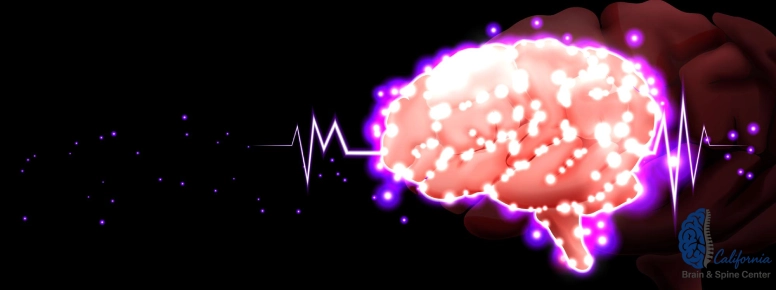
neuroplasticity helps heal after a brain injury
As a neurology specialist, I’ve had the privilege of witnessing the incredible resilience of the human brain. It’s a truly remarkable organ, capable of adapting, learning, and even healing in ways that continue to astound us.
If you or a loved one has experienced a brain injury, you might be feeling overwhelmed, uncertain about the future, or perhaps even a little disheartened. Please know that these feelings are entirely valid, and you are not alone on this journey.
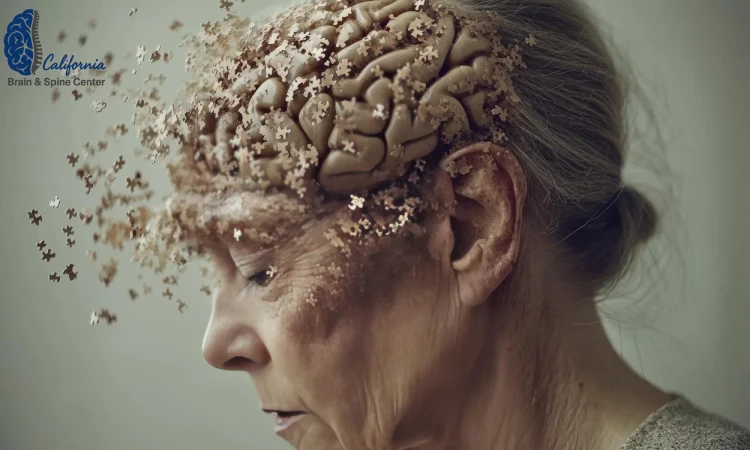
My purpose here is to offer you a message of profound hope and to illuminate the extraordinary capacity of your brain to recover and reorganize itself. This capacity, often referred to as neuroplasticity, is the cornerstone of healing after a brain injury.
It’s a testament to the brain’s inherent ability to find new pathways, to rebuild connections, and to restore function, even in the face of significant challenges. Understanding how neuroplasticity helps heal after a brain injury is not just about scientific knowledge; it’s about empowering you with the understanding that recovery is not only possible but is actively happening within you.
Let’s embark on this journey together, exploring the fascinating world of neuroplasticity and its pivotal role in your healing process.
Many readers pair this science primer with “Benefit from Functional Neurology Care” because it reveals exactly how clinics turn neuroplastic potential into day-to-day progress.
The Brain’s Amazing Ability to Adapt: Understanding Neuroplasticity
Imagine your brain as a bustling city, with intricate networks of roads and pathways connecting different neighborhoods. A brain injury is like an earthquake that has damaged some of these critical routes. But here’s the incredible part: your brain, like a resourceful team of city planners and construction workers, immediately gets to work.
It starts to reroute traffic, build new roads, and strengthen existing ones. This remarkable ability to reorganize and form new connections is what we call neuroplasticity.
It’s the brain’s innate capacity to change its structure and function in response to experience, learning, and, most importantly, injury.
For a long time, it was believed that the adult brain was a static, unchangeable organ.
We now know that this couldn’t be further from the truth. Your brain is constantly evolving, and this very quality is what makes recovery possible.
The fact that neuroplasticity helps heal after a brain injury is a beacon of hope, reminding us that the brain is not defined by its injuries but by its incredible potential to heal and adapt.
The Journey of Healing: How Neuroplasticity Helps Heal After a Brain Injury
When a brain injury occurs, whether it’s from trauma, stroke, or another cause, certain areas of the brain may be damaged, leading to impairments in function.
This could manifest as difficulties with movement, speech, memory, or even emotional regulation.
However, the brain doesn’t simply give up. Instead, it activates its neuroplastic mechanisms to compensate for the damage. This process involves several fascinating phenomena.
One key aspect is sprouting, where new connections are formed between neurons. Think of it as new branches growing from existing trees to reach new areas.
Another crucial mechanism is unmasking, where previously dormant or underutilized neural pathways become active.
It’s like discovering a hidden shortcut in our city map that was always there but never used. Furthermore, the brain can reorganize its functional maps, meaning that areas previously responsible for one function might take on new roles to compensate for damaged regions. This is why, with dedicated effort and time, individuals can regain lost abilities.
The continuous engagement in rehabilitation therapies, for instance, provides the necessary stimulation for these neuroplastic changes to occur.
Each repetition of an exercise, each attempt to speak a word, each effort to recall a memory, is a signal to the brain, telling it where to focus its rebuilding efforts.
This is the profound truth: neuroplasticity helps heal after a brain injury by literally rewiring the brain, creating new possibilities for recovery and improved quality of life.
It’s a dynamic, ongoing process, and every small step forward is a testament to its power.
Strategies to Nurture Your Brain’s Healing Power
Understanding that neuroplasticity helps heal after a brain injury is just the beginning. The next crucial step is to actively engage in strategies that nurture and enhance this incredible natural process. Think of yourself as a gardener, tending to a precious plant. Your brain is that plant, and with the right care, it can flourish even after a storm.
Embracing Rehabilitation: Your Path to Recovery
Rehabilitation is not merely a series of exercises; it’s a carefully designed journey that provides the essential stimulation your brain needs to rewire itself. Physical therapy, occupational therapy, and speech therapy are not just about regaining physical strength or communication skills; they are about creating the optimal environment for neuroplasticity to thrive.
Each targeted movement, each word practiced, each cognitive exercise, sends specific signals to your brain, encouraging it to form new connections and strengthen existing ones. Consistency and repetition are key here. It’s like building a muscle; the more you work it, the stronger it becomes.
Your dedicated therapists are your guides, helping you navigate this path, celebrating every small victory, and adapting strategies as your brain continues its remarkable healing. Remember, every session, every effort, contributes directly to how neuroplasticity helps heal after a brain injury.
The Power of Mind-Body Connection: Beyond Physical Therapy
While physical rehabilitation is vital, the mind-body connection plays an equally profound role in fostering neuroplasticity. Activities that engage both your mental and physical faculties can significantly accelerate recovery. Consider practices like mindfulness, meditation, or even gentle yoga.
These aren’t just about relaxation; they help to calm the nervous system, reduce stress, and improve focus, all of which create a more conducive environment for brain healing. Engaging in creative pursuits like painting, playing a musical instrument, or writing can also stimulate different areas of the brain, encouraging new neural pathways to form.
The emotional well-being of an individual is deeply intertwined with their physical recovery. A positive mindset, while challenging to maintain at times, can genuinely influence the brain’s capacity for change.
Cultivating joy, finding purpose, and connecting with others can all contribute to a holistic healing process where neuroplasticity helps heal after a brain injury in a comprehensive way.
Nutrition and Lifestyle: Fueling Your Brain’s Recovery
Just as a plant needs the right nutrients to grow, your brain requires optimal fuel to support its healing and neuroplastic processes. A balanced diet rich in antioxidants, omega-3 fatty acids, and essential vitamins and minerals provides the building blocks for healthy brain cells and neurotransmitters.
Think of colorful fruits and vegetables, lean proteins, and healthy fats as your brain’s superfoods.
Hydration is also crucial; water is essential for all bodily functions, including brain health. Beyond nutrition, lifestyle choices significantly impact recovery. Adequate sleep is paramount, as it’s during sleep that the brain consolidates memories and performs vital restorative processes.
Avoiding harmful substances like excessive alcohol or nicotine is also critical, as they can impede the brain’s ability to heal.
Regular, gentle physical activity, even if it’s just a short walk, improves blood flow to the brain, delivering oxygen and nutrients vital for recovery.
By making conscious choices about what you consume and how you live, you are actively supporting the intricate biological processes through which neuroplasticity helps heal after a brain injury.
Real Stories of Resilience: Inspiring Journeys of Healing
While the science behind neuroplasticity is fascinating, it’s the real-life stories of individuals who have harnessed its power that truly inspire. I’ve had the privilege of witnessing countless journeys of recovery, each unique, yet all underpinned by the incredible capacity of the brain to adapt and heal.
Consider Sarah, who, after a severe stroke, lost the ability to speak. Through dedicated speech therapy, consistent practice, and unwavering determination, her brain began to forge new pathways.
Slowly, painstakingly, words returned, and today, she engages in conversations with a fluency that once seemed impossible. Her story is a powerful illustration of how neuroplasticity helps heal after a brain injury, allowing the brain to find alternative routes to function.
Then there’s Mark, a young athlete who sustained a traumatic brain injury that affected his motor skills. Initially, even simple tasks like walking were a challenge. But with intensive physical and occupational therapy, coupled with his relentless spirit, his brain started to reorganize. New neural connections formed, and existing ones strengthened. Today, Mark is not only walking independently but is also back on the sports field, a testament to the brain’s remarkable ability to recover and adapt.
These stories, and countless others, are not just anecdotes; they are living proof of the brain’s inherent capacity for repair and reorganization. They underscore the fact that while the journey may be challenging, the brain’s capacity for change, for growth, and for healing is always present.
The consistent effort, the belief in one’s own potential, and the support of a dedicated team can unlock the profound ways in which neuroplasticity helps heal after a brain injury.
These narratives are a powerful reminder that recovery is a dynamic process, often filled with small, incremental victories that, when viewed collectively, amount to monumental achievements.
They highlight the importance of perseverance, patience, and a positive outlook. Every step forward, no matter how small, is a victory for neuroplasticity, a sign that the brain is actively working to restore function and create new possibilities. It’s a journey of rediscovery, of adapting to new ways of doing things, and of celebrating the brain’s extraordinary ability to heal itself.
Your Path Forward: A Call to Action
As we’ve explored, the brain’s capacity for neuroplasticity is a powerful force in healing after a brain injury. It’s a journey that requires dedication, support, and a belief in your brain’s incredible ability to adapt. If you or a loved one is navigating the complexities of brain injury recovery, remember that you don’t have to do it alone.
At California Brain & Spine Center, we specialize in personalized neurorehabilitation services designed to harness the power of neuroplasticity, helping you regain function and enhance your quality of life. Our expert team is dedicated to providing compassionate, cutting-edge care tailored to your unique needs.
We understand that every brain injury is different, and so is every recovery journey. We are here to guide you, support you, and empower you every step of the way.
Discover how our personalized neurorehabilitation services can help you unlock your brain’s full potential for healing. Visit californiabrainspine.com to learn more and schedule your complimentary consultation. Let us help you on your path to recovery, where neuroplasticity helps heal after a brain injury.
Summary: Embracing the Future with Hope
In essence, the human brain is an astonishing organ, possessing an inherent ability to reorganize and adapt, a phenomenon known as neuroplasticity. This remarkable capacity is the driving force behind recovery and healing after a brain injury.
Far from being static, the brain continuously forms new connections, strengthens existing pathways, and even reassigns functions to different areas to compensate for damage. This dynamic process is significantly enhanced through targeted rehabilitation therapies, a supportive environment, and healthy lifestyle choices.
Real-life stories stand as powerful testaments to this truth, demonstrating that with perseverance and the right support, significant recovery is not only possible but is actively happening within the brain. Understanding how neuroplasticity helps heal after a brain injury offers a profound message of hope, reminding us that the journey of recovery is one of resilience, adaptation, and the continuous potential for growth. Embrace this understanding, and know that your brain is always working towards healing.
Frequently Asked Questions (FAQs)
- What is neuroplasticity?
Neuroplasticity is the brain’s incredible ability to change, adapt, and reorganize itself throughout life. This includes forming new neural connections, strengthening existing ones, and even reassigning functions to different brain areas in response to learning, experience, or injury. - How long does it take for neuroplasticity to help heal after a brain injury?
The timeline for neuroplastic healing varies greatly depending on the individual, the severity and type of brain injury, and the consistency of rehabilitation efforts. It’s an ongoing process that can continue for months or even years after the initial injury, with continuous improvements possible over time. - Can neuroplasticity help with all types of brain injuries?
Neuroplasticity is a fundamental biological process present in all brains, and it plays a role in recovery from various types of brain injuries, including traumatic brain injuries (TBIs), strokes, and anoxic brain injuries. The extent to which it can help depends on the specific injury and individual factors. - What role does rehabilitation play in neuroplasticity?
Rehabilitation therapies (physical, occupational, speech, cognitive) are crucial for stimulating neuroplasticity. They provide targeted, repetitive exercises and activities that encourage the brain to form new connections and strengthen pathways, thereby facilitating the recovery of lost functions. - Are there specific exercises to enhance neuroplasticity?
While there aren’t specific ‘neuroplasticity exercises’ per se, any activity that challenges your brain and requires learning or adaptation can enhance neuroplasticity. This includes learning new skills, engaging in cognitive games, physical exercise, and consistent participation in prescribed rehabilitation therapies. - How can I support my loved one’s recovery journey?
Supporting a loved one’s recovery involves patience, encouragement, and active participation in their rehabilitation process. This can include helping them adhere to therapy schedules, celebrating small victories, providing a stimulating and supportive home environment, and seeking support for yourself as a caregiver. - Where can I find more support and resources?
Beyond specialized neurorehabilitation centers like California Brain & Spine Center, many organizations and support groups offer resources, information, and community for individuals and families affected by brain injury. Connecting with others who understand your journey can be incredibly beneficial.
 Alireza Chizari, MSc, DC, DACNB
Board-Certified Chiropractic Neurologist | Clinic Director, California Brain & Spine Center – Calabasas, CA
 Clinical Focus
Dr. Alireza Chizari is a board-certified chiropractic neurologist (DACNB) and clinic director of California Brain & Spine Center in Calabasas, CA.
He specializes in evidence-based neurorehabilitation for:
•Post-concussion syndrome
•Vestibular & oculomotor dysfunction
•Dysautonomia (including POTS)
•Cervicogenic headaches & migraines
•Balance disorders & complex dizziness
 Assessment & Treatment Approach
Dr. Chizari uses an outcomes-driven, personalized approach that combines advanced diagnostics with non-surgical interventions.
Objective testing may include:
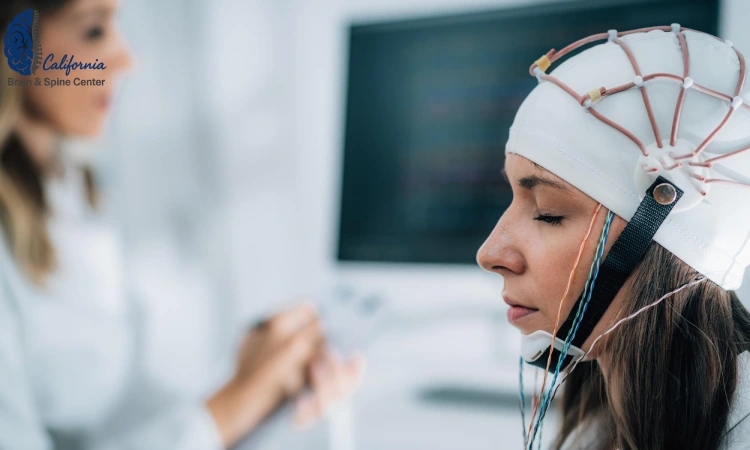
•Video nystagmography (VNG)
•Computerized assessment of postural stability (CAPS)
•Heart-rate variability (HRV)
•Structured oculomotor & cognitive evaluations
Treatment programs may involve:
•Gaze-stabilization & habituation exercises
•Vestibular & sensorimotor integration
•Cervical & oculomotor rehabilitation
•Autonomic regulation strategies
•Graded return-to-activity protocols
Collaboration with primary care physicians, neurologists, ENTs, physical therapists, and other specialists ensures comprehensive patient care.
 Clinic Information
Address: 4768 Park Granada, Suite 107, Calabasas, CA 91302
Phone: (818) 649-5300
 Medical Review
This page was authored and medically reviewed by Alireza Chizari, MSc, DC, DACNB
 Disclaimer
The information provided is for educational purposes only and should not replace personalized medical advice, diagnosis, or treatment.
For questions regarding your condition, please contact our clinic or your licensed healthcare provider.