
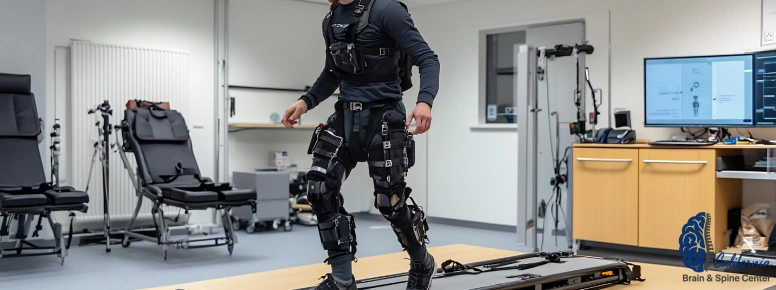
Calabasas Functional Neurologys Top Gait Training Drills
As a neurologist who has spent countless hours watching people move, I can assure you that every step is a neurological signature. The way you place your heel, shift your weight, and coordinate your arms is a direct reflection of how efficiently your brain communicates with every muscle and joint. When that communication falters—because of concussion, neuropathy, Parkinsonian changes, or simply long years of desk work—your gait can morph from a powerful glide to a hesitant shuffle.
That is precisely where Calabasas Functional Neurologys Top Gait Training Drills enter the conversation. These evidence-guided, patient-tested exercises rebuild the delicate circuitry that supports safe, efficient movement, and they do so in a way that feels encouraging rather than exhausting.
In the sections that follow, I will outline the scientific “why” and the practical “how,” highlight the specific drills we use in our clinic, and show you how to weave them into your daily routine. Whether you are recovering from a mild brain injury or just want to future-proof your stride, these drills offer a map back to confident locomotion.
The Neuroplastic Foundation
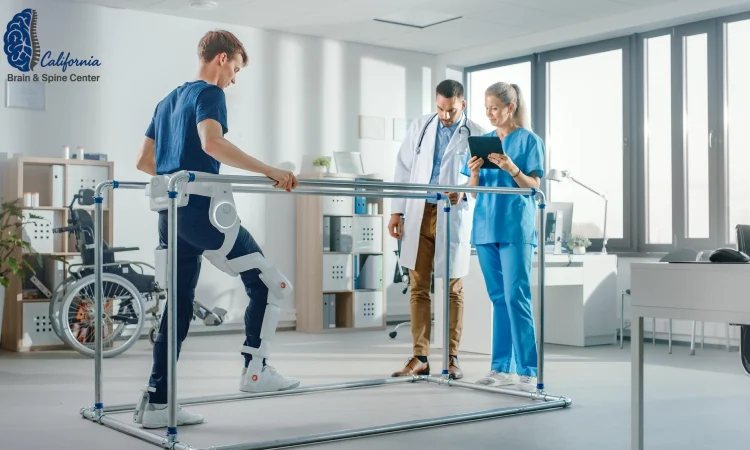
Before we dive into Functional Neurologys Top Gait Training Drills, let’s quickly revisit neuroplasticity—the brain’s capacity to rewire itself in response to consistent input. Every purposeful repetition you perform nudges neurons to form stronger, faster pathways. The drills you are about to learn exploit this principle in three key ways:
-
Sensory Richness – By adding visual and vestibular challenges, we activate multiple sensory systems simultaneously, forcing the brain to integrate complex information on the fly.
-
Graded Demand – Each drill has beginner, intermediate, and advanced versions so your nervous system is never overwhelmed.
-
Immediate Feedback – Tiny adjustments in posture, speed, or visual focus create rapid internal feedback loops, helping the brain refine its plans from step to step.
Curious how these drills get customized in a clinic setting? “Calabasas Clinic Dynamic Gait Exercises” reveals the real-world tweaks—speed ramps, terrain changes, cognitive add-ons—that clinicians use once the basics click. Send readers there to visualize the next phase and understand why individual variables (cadence, stride length, head position) get fine-tuned for lasting neuro-motor change.
The Core Five: Functional Neurologys Top Gait Training Drills
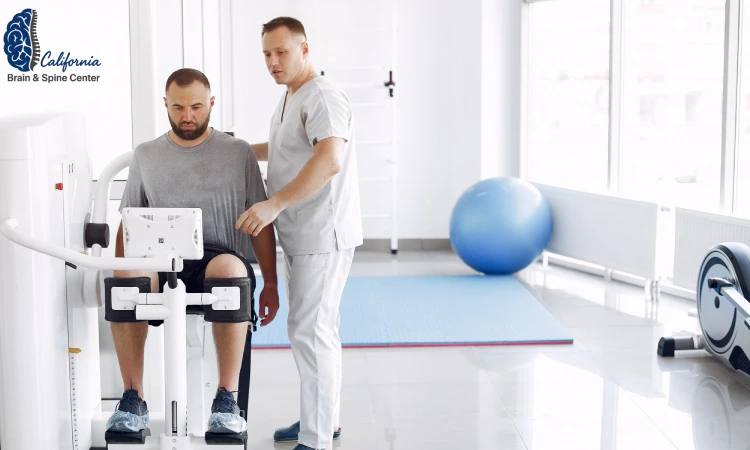
Below you will find the five drills that form the backbone of our Calabasas program. When we say Functional Neurologys Top Gait Training Drills, we are talking about strategic, neurologically sophisticated repetitions—not generic marching in place. Each drill is presented with a motivating affirmation because mindset is part of the medicine.
Drill 1: Laser-Line Heel-to-Toe Walk
Affirmation: “I glide forward with purpose and precision.”
-
Set-Up – Lay a strip of colored tape on the floor or imagine a bright laser line.
-
Execution – Walk ten slow, heel-to-toe steps, eyes fixed on the imaginary horizon. Activate your core; let your arms swing naturally.
-
Why It Works – Forces midline crossing and demands symmetrical foot placement, which rebalances cerebellar signaling.
-
Progression – Turn the head left and right on alternate steps to stimulate vestibular engagement.
Drill 2: Metronome Power Stride
Affirmation: “Every beat rewires my rhythm.”
-
Set-Up – Use a metronome (app) set slightly faster than your comfortable walking cadence.
-
Execution – Walk a 30-second interval keeping each heel strike exactly on the beat.
-
Why It Works – Auditory pacing synchronizes the supplementary motor area with spinal locomotor circuits, reinforcing timing consistency.
-
Progression – Reduce auditory volume, forcing the brain to hold the rhythm internally.
Drill 3: Head-Tilt Balance March
Affirmation: “My balance is resilient and adaptive.”
-
Set-Up – Stand tall, feet hip width.
-
Execution – March in place for 20 steps while gently tilting the head 10 degrees to one side; repeat on the other side.
-
Why It Works – Asymmetrical vestibular input challenges lateral stability, activating under-used trunk musculature.
-
Progression – Close your eyes for alternate steps to amplify proprioceptive demand.
Drill 4: Retro Walking with Arm Drive
Affirmation: “I move with agility in all directions.”
-
Set-Up – Find a clear hallway or driveway.
-
Execution – Walk backward 15 yards, focusing on powerful arm swing and soft toe-to-heel landings.
-
Why It Works – Retro walking recruits anterior tibialis and quadriceps differently, stimulating corticospinal pathways that are often dormant in forward gait.
-
Progression – Add a light resistance band around the thighs to cue hip abductors.
Drill 5: Cognitive Dual-Task Stride
Affirmation: “My mind and body cooperate seamlessly.”
-
Set-Up – Choose a safe walking route.
-
Execution – Walk while reciting every third number backward from 100 or naming animals alphabetically.
-
Why It Works – Divided attention stresses prefrontal-motor integration, improving real-world multitasking safety.
-
Progression – Increase cognitive load (e.g., subtract sevens) as gait remains steady.
Remember, the magic is in the repetition. Performing Functional Neurologys Top Gait Training Drills three to five times per week—each session lasting 12–15 minutes—can yield noticeable changes in posture, cadence, and confidence within a month.
Crafting Your Personalized Progression
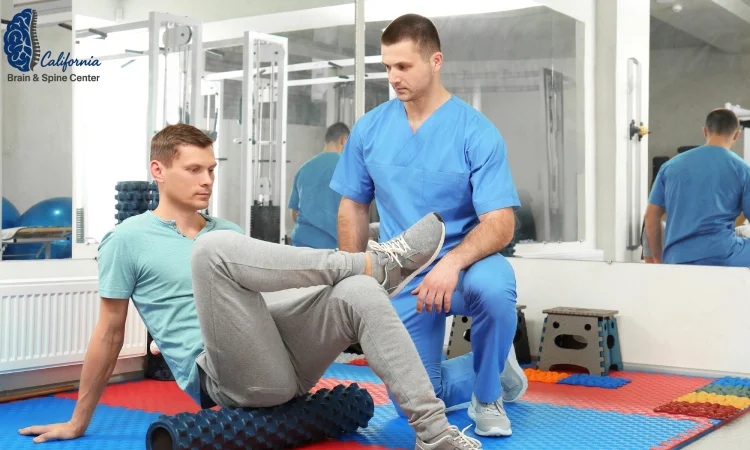
A drill is only as powerful as its fit for your nervous system’s current capacity. In our clinic we assess each person’s oculomotor function, vestibular tone, and proprioceptive acuity, then stage the drills accordingly. You can approximate this at home by following two rules:
-
Challenge without Struggle – Aim for an intensity where you feel 80 % stable and 20 % “alert.” Stumble more than twice in a set? Scale back.
-
Consistency over Heroics – Five focused minutes daily surpass a single exhausting session each week. Neuroplastic change craves rhythm.
Use a simple journal to track repetitions, stumbles, and perceived steadiness. The act of recording progress adds another sensory channel—kinesthetic writing—that deepens learning.
Common Pitfalls and Encouraging Fixes
-
Impatience – Neuro rewiring is a marathon, not a sprint. Celebrate micro-victories like smoother corner turns.
-
Footwear Neglect – Heavy, inflexible shoes mute sensory feedback. Lightweight trainers empower the drills.
-
Holding the Breath – Many people brace unconsciously. Whisper “ex-hale” on every third step to stay oxygenated and relaxed.
-
Skipping Warm-Ups – A 30-second ankle circle and pelvis roll primes joint receptors, amplifying drill effectiveness.
By mindfully avoiding these pitfalls, you make room for Functional Neurologys Top Gait Training Drills to express their full neurological potential.
Step into Our Neuro-Movement Lab
Reading can spark change; guided experience cements it. If you live in or near Calabasas—or simply want a deeper, data-driven plan—reserve a Comprehensive Neuro-Movement Evaluation at the California Brain & Spine Institute. In a single visit we measure balance reflexes, gait symmetry, and cortical timing, then craft a drill progression precisely matched to your goals. Your brain deserves bespoke coaching; let’s give it that luxury.
Summary
Your gait is a living EEG: every wobble, pause, and powerful push-off speaks of neural circuits in action. By practicing Functional Neurologys Top Gait Training Drills—Laser-Line Walk, Metronome Stride, Head-Tilt March, Retro Walk, and Cognitive Dual-Task—you provide the brain with rich sensory data, graded challenges, and immediate feedback. Consistency and smart progression are the twin engines of change. Combine patience with curiosity, and your nervous system will repay you with steadier steps and renewed confidence.
Frequently Asked Questions
- How quickly will I notice improvement?
Most patients feel subtle boosts in balance within two weeks, provided they perform Functional Neurologys Top Gait Training Drills at least three times weekly. Measurable cadence changes often appear by week four. - Do I need special equipment?
No. A strip of tape, a metronome app, and a clear hallway are enough. Over time, light resistance bands and balance pads can freshen the challenge. - Can these drills replace my regular workout?
Think of them as neurological seasoning rather than the main course. Ten focused minutes before a walk or strength session integrates perfectly. - Are the drills safe after a concussion?
They are designed for post-concussion progression, but intensity must match current tolerance. A professional assessment often accelerates recovery while preventing setbacks. - What if I feel dizzy during a drill?
Pause, breathe, hydrate, and retry the previous easier stage. Dizziness is feedback, not failure.
👨⚕️ Alireza Chizari, MSc, DC, DACNB
🧠 Clinical Focus
🔬 Assessment & Treatment Approach
Objective testing may include:
Treatment programs may involve:
📍 Clinic Information
✅ Medical Review
⚠️ Disclaimer
Comments
FAQ
What is Functional Neurology?
Functional Neurology is a healthcare specialty that focuses on assessing and rehabilitating the nervous system’s function. It emphasizes neuroplasticity—the brain’s ability to adapt and reorganize—using non-invasive, evidence-based interventions to improve neurological performance.
How does Functional Neurology differ from traditional neurology?
Traditional neurology often concentrates on diagnosing and treating neurological diseases through medications or surgery. In contrast, Functional Neurology aims to optimize the nervous system’s function by identifying and addressing dysfunctions through personalized, non-pharmaceutical interventions.
Is Functional Neurology a replacement for traditional medical care?
No. Functional Neurology is intended to complement, not replace, traditional medical care. Practitioners often collaborate with medical professionals to provide comprehensive care.
What conditions can Functional Neurology help manage?
Functional Neurology has been applied to various conditions, including:
• Concussions and Post-Concussion Syndrome
• Traumatic Brain Injuries (TBI)
• Vestibular Disorders
• Migraines and Headaches
• Neurodevelopmental Disorders (e.g., ADHD, Autism)
• Movement Disorders
• Dysautonomia
• Peripheral Neuropathy
• Functional Neurological Disorder (FND)
Can Functional Neurology assist with neurodegenerative diseases?
While Functional Neurology does not cure neurodegenerative diseases, it can help manage symptoms and improve quality of life by optimizing the function of existing neural pathways.
What diagnostic methods are used in Functional Neurology?
Functional Neurologists employ various assessments, including:
• Videonystagmography (VNG)
• Computerized Posturography
• Oculomotor Testing
• Vestibular Function Tests
• Neurocognitive Evaluations
How is a patient’s progress monitored?
Progress is tracked through repeated assessments, patient-reported outcomes, and objective measures such as balance tests, eye movement tracking, and cognitive performance evaluations.
What therapies are commonly used in Functional Neurology?
Interventions may include:
- Vestibular Rehabilitation
- Oculomotor Exercises
- Sensorimotor Integration
- Cognitive Training
- Balance and Coordination Exercises
- Nutritional Counseling
- Lifestyle Modifications
Are these therapies personalized?
Absolutely. Treatment plans are tailored to the individual’s specific neurological findings, symptoms, and functional goals.
Who can benefit from Functional Neurology?
Individuals with unresolved neurological symptoms, those seeking non-pharmaceutical interventions, or patients aiming to optimize brain function can benefit from Functional Neurology.
Is Functional Neurology suitable for children?
Yes. Children with developmental delays, learning difficulties, or neurodevelopmental disorders may benefit from Functional Neurology approaches.
How does Functional Neurology complement other medical treatments?
It can serve as an adjunct to traditional medical care, enhancing outcomes by addressing functional aspects of the nervous system that may not be targeted by conventional treatments.
How is technology integrated into Functional Neurology?
Technological tools such as virtual reality, neurofeedback, and advanced diagnostic equipment are increasingly used to assess and enhance neurological function.
What is the role of research in Functional Neurology?
Ongoing research continues to refine assessment techniques, therapeutic interventions, and our understanding of neuroplasticity, contributing to the evolution of Functional Neurology practices.

Dr. Alireza Chizari
Latest articles