
The Breaking Point: Living in a Fog of Dizziness and Fatigue
For years, Jane felt like she was living on unsteady ground. Everyday tasks like standing in line at the grocery store or walking up the stairs became obstacles. Constant dizziness, daily fatigue, and overwhelming brain fog left her feeling trapped in her own body. Doctors labeled her condition as Dysautonomia, but solutions always seemed elusive.
“I couldn’t even go for a walk without feeling like the world was spinning under my feet,” Jane recalls. “It affected my ability to be there for my family.” She would tell herself, I shouldn’t do this; I need to rest. But no one really understood what it was like to go through.
If persistent dizziness is your hurdle, “Breaking the Cycle: Real Recovery from Chronic Dizziness” outlines the breakthrough methods that paved the way for this victory.
The Search for Answers: A Desperate Journey
Jane tried everything—medications, dietary changes, and physical therapy—but nothing provided lasting relief. Her symptoms persisted, and she started to lose hope. Late one night, while scrolling for help, she stumbled across the California Brain & Spine Center and read about
Dr. Alireza Chizari’s expertise in treating Dysautonomia.
The stories of personalized care and advanced neurodiagnostics caught her attention. Skeptical but desperate, she decided to schedule an appointment.
The Turning Point: Meeting Dr. Alireza Chizari
At her first meeting, Jane felt, for the first time, what it was like to be “seen” as a whole person. During her 120-Minute Neurodiagnostic Assessment, Dr. Chizari not only focused on the symptoms but also worked to understand the complex root causes of her condition.
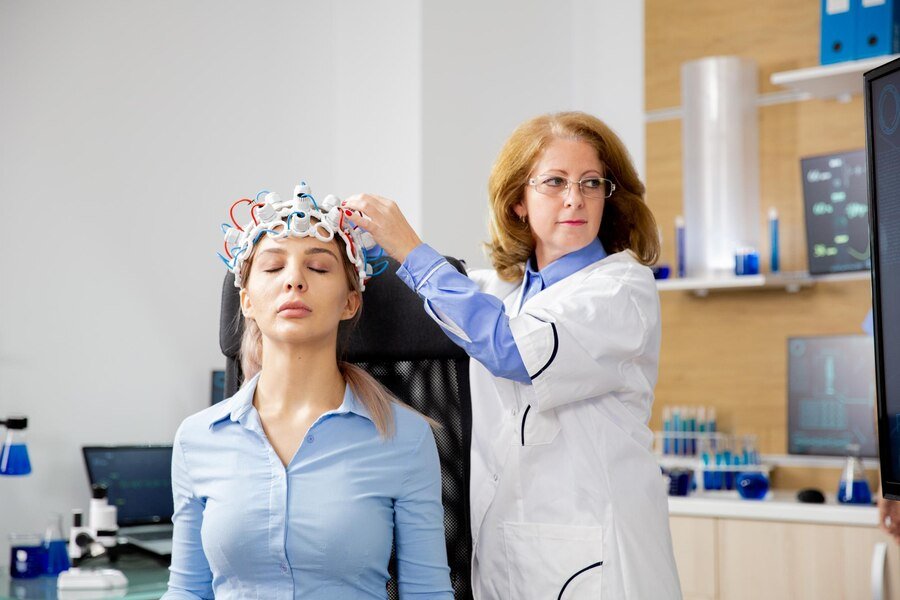
Using cutting-edge techniques, including autonomic function tests and advanced vestibular diagnostics, Dr. Chizari identified key imbalances in her nervous system. For the first time, Jane saw how her brain, vestibular system, and body didn’t know how to move as one.
The Treatment Journey: A Plan That Finally Worked
Dr. Chizari developed a tailored treatment plan that addressed Jane’s unique needs. Her program included:
- Vestibular Rehabilitation Therapy: Custom exercises to train her balance system and reduce dizziness.
- Non-Invasive Neuromodulation: Techniques to reset her autonomic system and improve communication between her brain and body.
- Nutritional Adjustments: A plan designed to support energy restoration.
- Lifestyle Guidance: Practical strategies to manage her symptoms and avoid triggers.
As Dr. Chizari guided her step by step, Jane’s condition began to transform—less dizziness, more energy, and fewer fainting spells. The weekly assessments kept her motivated as she regained strength and stability.
The Transformation: Regaining Balance and Confidence
After just a few months, Jane’s life had transformed completely. She was no longer afraid to leave the house or engage in social activities. “I felt like myself again,” she says. “I can trust my body now, and I’m not constantly worried about falling or feeling like I’ll faint.”
Jane went back to doing what she loved most: spending time with her family and cooking for friends. The chronic struggles of living with Dysautonomia had been replaced with hope and empowerment.
A New Beginning: Living Without Limits
Today, Jane shares her story to help others who are navigating the same journey. She reflects on the freedom she’s regained and her ability to live fully once again. “I can finally do the things I’ve missed,” Jane says. “This isn’t just recovery. It’s a new start.”
Take the First Step Toward Recovery
If living with Dysautonomia has left you feeling overwhelmed, it’s time to take the next step.
At the California Brain & Spine Center, we specialize in uncovering the root causes of complex neurological and autonomic disorders, creating personalized solutions that help patients thrive.
Schedule your Complementary Consultation Session today and discover how you can reclaim your balance, confidence, and better quality of life.
Comments
FAQ
What is Functional Neurology?
Functional Neurology is a healthcare specialty that focuses on assessing and rehabilitating the nervous system’s function. It emphasizes neuroplasticity—the brain’s ability to adapt and reorganize—using non-invasive, evidence-based interventions to improve neurological performance.
How does Functional Neurology differ from traditional neurology?
Traditional neurology often concentrates on diagnosing and treating neurological diseases through medications or surgery. In contrast, Functional Neurology aims to optimize the nervous system’s function by identifying and addressing dysfunctions through personalized, non-pharmaceutical interventions.
Is Functional Neurology a replacement for traditional medical care?
No. Functional Neurology is intended to complement, not replace, traditional medical care. Practitioners often collaborate with medical professionals to provide comprehensive care.
What conditions can Functional Neurology help manage?
Functional Neurology has been applied to various conditions, including:
• Concussions and Post-Concussion Syndrome
• Traumatic Brain Injuries (TBI)
• Vestibular Disorders
• Migraines and Headaches
• Neurodevelopmental Disorders (e.g., ADHD, Autism)
• Movement Disorders
• Dysautonomia
• Peripheral Neuropathy
• Functional Neurological Disorder (FND)
Can Functional Neurology assist with neurodegenerative diseases?
While Functional Neurology does not cure neurodegenerative diseases, it can help manage symptoms and improve quality of life by optimizing the function of existing neural pathways.
What diagnostic methods are used in Functional Neurology?
Functional Neurologists employ various assessments, including:
• Videonystagmography (VNG)
• Computerized Posturography
• Oculomotor Testing
• Vestibular Function Tests
• Neurocognitive Evaluations
How is a patient’s progress monitored?
Progress is tracked through repeated assessments, patient-reported outcomes, and objective measures such as balance tests, eye movement tracking, and cognitive performance evaluations.
What therapies are commonly used in Functional Neurology?
Interventions may include:
- Vestibular Rehabilitation
- Oculomotor Exercises
- Sensorimotor Integration
- Cognitive Training
- Balance and Coordination Exercises
- Nutritional Counseling
- Lifestyle Modifications
Are these therapies personalized?
Absolutely. Treatment plans are tailored to the individual’s specific neurological findings, symptoms, and functional goals.
Who can benefit from Functional Neurology?
Individuals with unresolved neurological symptoms, those seeking non-pharmaceutical interventions, or patients aiming to optimize brain function can benefit from Functional Neurology.
Is Functional Neurology suitable for children?
Yes. Children with developmental delays, learning difficulties, or neurodevelopmental disorders may benefit from Functional Neurology approaches.
How does Functional Neurology complement other medical treatments?
It can serve as an adjunct to traditional medical care, enhancing outcomes by addressing functional aspects of the nervous system that may not be targeted by conventional treatments.
How is technology integrated into Functional Neurology?
Technological tools such as virtual reality, neurofeedback, and advanced diagnostic equipment are increasingly used to assess and enhance neurological function.
What is the role of research in Functional Neurology?
Ongoing research continues to refine assessment techniques, therapeutic interventions, and our understanding of neuroplasticity, contributing to the evolution of Functional Neurology practices.

Dr. Alireza Chizari
Latest articles