Electromagnetic Pulse Therapy Side Effects: A Neurologist’s Calm, Clear Guide to Safety and Sensations
You care about getting better and you want straight talk. As a Chiropractic Neurologist specialist, I’ve guided many patients who are curious about electromagnetic therapies and who also want to understand electromagnetic pulse therapy side effects before they try anything. This article takes a kind, motivating, no-nonsense look at what you might feel, what’s rare, who should be cautious, and how to make your experience as safe and comfortable as possible.
Friendly reminder: This article is educational and supportive. It’s not a diagnosis or a personal medical plan. If you have a medical device, are pregnant, or live with a neurologic condition, talk with a clinician who knows your history before starting any therapy.
First, What Do People Mean by “Electromagnetic Pulse Therapy”?
The phrase often refers to two different clinical families:
-
PEMF (Pulsed Electromagnetic Field) therapy: low-intensity magnetic fields applied to the body (commonly for bone healing or musculoskeletal concerns). PEMF devices have been studied for decades and, in certain uses such as bone non-union, have FDA recognition of safety and effectiveness.
-
TMS (Transcranial Magnetic Stimulation): focused magnetic pulses delivered to the scalp to stimulate specific brain regions (for example, in major depressive disorder). TMS is noninvasive and operates under FDA special controls with well-described safety guidance.
Understanding which therapy you’re considering matters because electromagnetic pulse therapy side effects differ slightly between body-focused PEMF and brain-focused TMS.
How Magnetic Pulses Interact With Your Body The Two-Minute Version

Magnetic fields pass through soft tissues easily. In PEMF, changing magnetic fields induce tiny electrical currents that can influence cellular processes; in TMS, pulses transiently depolarize neurons in a targeted brain circuit. Reviews suggest PEMF has a generally favorable safety profile across orthopedic and rehabilitation contexts, while TMS has clear, standardized safety procedures to minimize rare risks.
The Most Common Electromagnetic Pulse Therapy Side Effects (What You Might Actually Feel)
1) Mild, Short-Lived Sensations at the Application Site
-
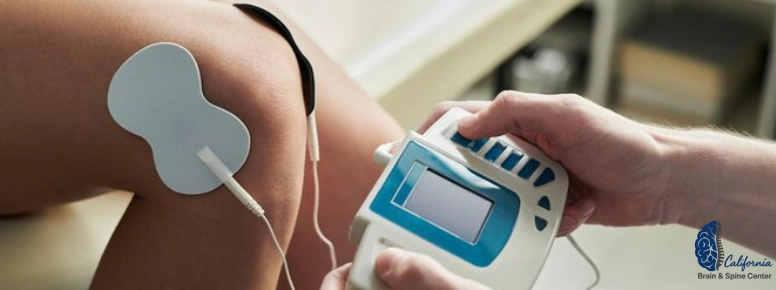
PEMF: a gentle warmth, tingling, or muscle relaxation where the applicator sits. These effects typically fade within minutes after a session. Clinical literature on PEMF reports good tolerability across many studies.
-
TMS: tapping on the scalp, facial muscle twitches, and transient scalp discomfort or headache; these are the most common electromagnetic pulse therapy side effects and usually improve as you acclimate or with simple dose/coil adjustments.
2) Temporary Fatigue or Lightheadedness
Some people feel a little “worn out” for a few hours after a session especially early on. Hydration, a light snack beforehand, and a slower ramp-up often help. Reports of short-term tiredness are common with both PEMF and TMS and typically resolve quickly.
3) Brief Headache
-
PEMF: usually mild if it happens at all.
-
TMS: mild headache is common early in treatment and responds to simple measures (e.g., over-the-counter options approved by your clinician). Large clinical programs and medical centers list headache as a routine, manageable effect.
4) Momentary Dizziness or Nausea
Occasional reports exist, generally mild and short-lived most often when sessions start too intense or when someone hasn’t eaten or hydrated.
Good news: These common electromagnetic pulse therapy side effects usually fade as your body adapts and as the care team personalizes the session settings.
Less Common but Important to Know (So You Can Feel Confident)
1) TMS: Rare Seizure Risk
Modern TMS safety standards make seizures extremely rare (on the order of a few per tens of thousands of treatments). Careful screening and dosing protocols keep risk very low; programs track and minimize individual risk factors.
2) Sensitive Hearing/Noise Discomfort During TMS
The clicking sounds from the coil can be loud. Proper ear protection is standard and dramatically reduces this discomfort.
3) Autonomic Fluctuations (Blood Pressure/Heart Rate)
Occasional transient changes have been reported with electromagnetic modalities; if you live with blood-pressure variability, let your clinician know so they can monitor and pace you appropriately.
Electromagnetic Pulse Therapy for Back Pain — This article zooms in on back-specific cases, explaining how to judge whether the therapy is helping the root problem (mechanics and strength) or just masking symptoms. Use it to set meaningful checkpoints between sessions.
Who Should Use Extra Caution or Avoid Treatment for Now
This is where precision matters. When we talk about electromagnetic pulse therapy side effects, we must also talk about who is in the chair:
-
Anyone with implanted electronic devices (e.g., pacemaker, implantable cardioverter-defibrillator, deep brain stimulator, intrathecal pump, cochlear implant): Strong caution; many programs avoid PEMF near devices and follow strict rules for TMS. Always coordinate with your device specialist first.
-
Metal near the treatment area (especially ferromagnetic): Discuss specifics; TMS centers screen carefully for metal in or near the head. U.S. Food and Drug Administration
-
History of seizures or certain neurologic conditions: Requires individualized risk discussion before TMS; PEMF away from the head is typically lower risk but still merits a clinician’s guidance.
-
Pregnancy: Most programs defer non-urgent electromagnetic therapies in pregnancy unless there’s a clear benefit and specialist oversight. When in doubt, wait. (This is a precautionary stance due to limited data.)
These aren’t scare tactics. They’re part of smart screening that keeps the already-low risk of electromagnetic pulse therapy side effects even lower.
What’s “Normal” vs. “Not Okay”? A Simple Checklist
Usually normal (and brief):
-
Light scalp tapping (TMS), soft muscle twitching (TMS), mild warmth (PEMF)
-
A small, short-lived headache or fatigue after initial sessions
-
Slight dizziness if you stood up too fast post-session
Call your clinician promptly if:
-
Headaches become severe or escalating
-
You experience unusual neurological symptoms (visual loss, new weakness, persistent confusion)
-
You have a medical device and notice irregular symptoms nearby or device alerts
Clear, calm communication turns small issues into solvable adjustments and keeps you moving forward with confidence.
How to Minimize Electromagnetic Pulse Therapy Side Effects (Practical Tips You Can Use Today)
-
Start Low, Go Slow: Early sessions should be shorter and gentler, then gradually progress as tolerated. This applies to both PEMF dose and TMS stimulation intensity.
-
Hydrate and Fuel: A glass of water and a small snack 30–60 minutes beforehand stabilize comfort.
-
Protect Your Sleep: Rest is your brain’s recovery engine. Keep a consistent bedtime, especially during a new series of treatments.
-
Track Your Response: Note session time, settings (if provided), and any sensations. Patterns help your clinician fine-tune your plan.
-
Headache Strategy: If you’re prone to headaches, ask about pre-session measures (e.g., gentle stretching, timed breaks, or clinician-approved analgesics).
-
Device Disclosure: Tell the team about all implants or metal (no matter how small). This is the single most important step to avoid preventable electromagnetic pulse therapy side effects. PMC
“Is It Safe Overall?” A Balanced, Evidence-Aware Answer

-
PEMF: Systematic reviews and decades of clinical use in orthopedics indicate a generally favorable safety profile, with adverse events uncommon and typically mild.
-
TMS: Considered safe and well-tolerated in major centers, with common effects like scalp discomfort and headache; serious events are rare under modern protocols.
That doesn’t mean zero risk. It means with proper screening and skilled dosing, risk stays low and most people complete treatment comfortably.
Sorting Hype from Help: Choosing Where (and How) to Try Therapy
-
Ask about protocols and safety screening: Good programs love your questions and will review contraindications, metal/device status, and your neurologic history.
-
Clarify goals and metrics: What will you track pain intensity, function, mood scales, sleep? Progress is easier to see when you measure it.
-
Expect personalization: If you feel more side effects on one day, your team should adjust dose, coil position (for TMS), or session length.
When the process is collaborative and paced, electromagnetic pulse therapy side effects tend to remain mild and manageable.
A Gentle 7-Day On-Ramp (If Your Clinician Says “Go”)
-
Day 1–2: Short session, extra hydration, early bedtime.
-
Day 3–4: Keep the same settings; add a post-session walk.
-
Day 5–6: If comfortable, extend session slightly or follow the team’s next-step plan.
-
Day 7: Review your notes with your clinician celebrate wins, and tweak what needs tweaking.
This isn’t about being “tough.” It’s about being steady.
Summary
-
The most common electromagnetic pulse therapy side effects are mild: local discomfort, brief headache, short-term fatigue, or lightheadedness typically fading as you acclimate.
-
TMS carries a rare seizure risk that modern screening and dosing make even rarer; programs are built around safety.
-
PEMF’s safety profile is generally favorable across many rehabilitation contexts, especially when contraindications (like implanted electronic devices) are respected.
-
The smartest way to minimize electromagnetic pulse therapy side effects is simple: disclose devices and metal, pace the dose, protect sleep, hydrate, and keep an open, ongoing dialogue with your care team.
You’re not fragile you’re healing, and you deserve thoughtful care.
How We Can Help You Move Forward
If you want expert eyes on your specific situation, the team at California Brain & Spine Center can evaluate your goals, review your history (including devices, medications, and neurologic conditions), and build a step-by-step plan that minimizes side effects while maximizing benefit. Our specialists listen carefully, personalize your dosing and pacing, and solve your problem with a plan that fits your day-to-day life so you can get back to feeling like yourself again.
Frequently Asked Questions
1) Are electromagnetic pulse therapy side effects different for PEMF and TMS?
Yes. PEMF side effects are typically local and mild (warmth, tingling, rare headache), while TMS commonly causes transient scalp discomfort or headache during early sessions. Serious events with TMS are rare under safety protocols.
2) How long do electromagnetic pulse therapy side effects last?
Most sensations tapping, mild headache, brief fatigue resolve within minutes to hours and often diminish after the first week as your body adapts.
3) I have a pacemaker. Is electromagnetic therapy off the table?
PEMF near implanted electronics is generally contraindicated, and TMS requires careful specialist screening. Always coordinate with your cardiology/device team and your treating clinician. PMC
4) Can electromagnetic therapy trigger a seizure?
With TMS, the risk is very low under modern safety guidelines; programs screen for seizure risk factors and monitor dosing closely. National Institute of Mental Health
5) I’m pregnant should I wait?
Most programs defer non-urgent electromagnetic therapies in pregnancy because data are limited; when in doubt, wait or seek a specialist opinion.
6) What if I get a headache every time?
Tell your clinician. They can adjust coil placement or intensity (for TMS), alter session duration, add short breaks, or suggest simple supportive measures to reduce this electromagnetic pulse therapy side effect.
7) What’s the best way to reduce side effects overall?
Start low and go slow, hydrate, protect sleep, and keep a simple symptom log so your team can personalize your plan. Following established safety guidance keeps electromagnetic pulse therapy side effects uncommon and manageable. U.S. Food and Drug Administration
👨⚕️ Alireza Chizari, MSc, DC, DACNB
🧠 Clinical Focus
🔬 Assessment & Treatment Approach
Objective testing may include:
Treatment programs may involve:
📍 Clinic Information
✅ Medical Review
⚠️ Disclaimer