
If you live in or near Thousand Oaks and you have dizziness with nausea that comes in waves, you are not alone. Many of my patients describe feeling as if the room tilts, their stomach drops, and their brain cannot quite keep up with what their body is doing. I know how unsettling and exhausting that can be. In this article, I, Dr. Alireza Chizari, will explain how we approach dizziness with nausea care in Thousand Oaks through our clinic in Calabasas, so you can move from fear and confusion toward understanding and a clear plan.
You are the hero of this story. You are the one who has to navigate work, family, driving, and daily tasks with dizziness, queasiness, and worry about when the next episode will hit. My role, together with my team at California Brain & Spine Center, is to be your expert guide. We bring engineering level thinking, advanced clinical neuroscience, and non invasive tools to help your brain and inner ears communicate more clearly again.
Dizziness With Nausea Care in Thousand Oaks
This page will show you what dizziness with nausea care in Thousand Oaks can look like when it is done thoroughly and respectfully. I will walk you through when symptoms are an emergency, what a proper evaluation includes, and which treatments we may use once we understand the real cause of your dizziness and nausea. If you decide to seek care, you can use this article as a roadmap for what to expect at our Calabasas clinic.
Why dizziness with nausea feels so frightening in Thousand Oaks daily life
When you live with dizziness and nausea, simple activities can suddenly feel unsafe. You might be standing in line at a store in Thousand Oaks, looking at your phone, and then the floor feels like it shifts under your feet. You grab something to steady yourself, your stomach churns, and you wonder if you are about to faint, vomit, or lose control. It is not just uncomfortable. It is scary.
From my perspective, dizziness with nausea care in Thousand Oaks begins with validating how disruptive this really is. These symptoms are often signs that your vestibular system, vision, neck, and autonomic nervous system are out of sync. They are not a sign of weakness or drama. Often, your brain is trying to protect you from what it perceives as unsafe motion, even if the environment appears normal.
I also know that many of my patients have been told it is “just anxiety” or “probably nothing serious.” While anxiety can certainly amplify symptoms, that is rarely the whole story. My aim is to listen closely to when, how, and where your dizziness with nausea shows up so that we can map what your nervous system is actually doing, instead of blaming your personality or emotions.
When dizziness with nausea is an emergency and when it is not
A very important part of responsible dizziness with nausea care in Thousand Oaks is knowing when symptoms might signal a medical emergency. Most of the time, dizziness with nausea is related to vestibular, neurological, or autonomic issues that can be evaluated in the clinic. However, there are situations when you should seek urgent or emergency care immediately.
You should treat dizziness and nausea as an emergency if they are accompanied by any of the following:
-
Sudden, severe headache that feels like the worst headache of your life
-
Double vision, slurred speech, facial drooping, or weakness on one side of the body
-
Chest pain, severe shortness of breath, or heart palpitations that do not calm down
-
Difficulty walking that is new and extreme, or sudden loss of consciousness
If those red flags appear, do not wait to see if they pass. In that moment, the goal is to rule out conditions such as stroke, bleeding, or serious cardiac problems. After emergency care and imaging, if serious causes are ruled out but dizziness and nausea continue, that is when a more specialized vestibular and neurological evaluation becomes crucial.
The first step in healing is safety. Once life threatening causes are ruled out, your brain and body can finally begin the deeper work of repair and retraining.
What your symptoms are trying to tell us about your brain and inner ears
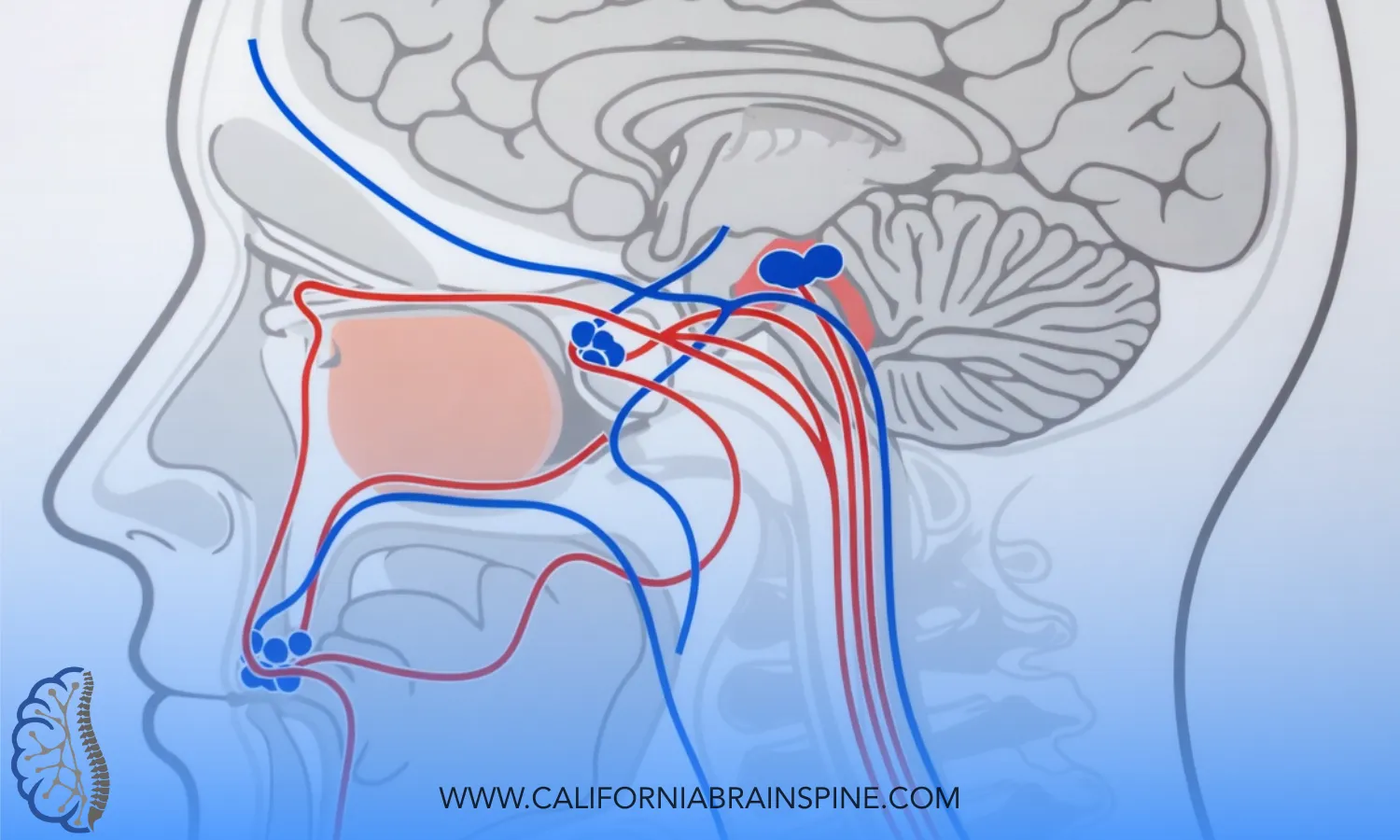
Once we have confirmed that you are not in immediate danger, dizziness with nausea becomes a powerful clue rather than just a frightening sensation. Different patterns of symptoms often point to different systems that need attention.
If dizziness with nausea is brief and triggered by turning in bed or looking up, it might suggest a mechanical inner ear condition such as benign paroxysmal positional vertigo (BPPV). If episodes last longer, happen with ear fullness or ringing, and you feel like you are being pushed or pulled, inner ear fluid balance might be part of the picture. If your dizziness comes with visual motion sensitivity, brain fog, or trouble tolerating busy environments in Thousand Oaks, central vestibular or neuro sensory integration issues are more likely.
For some patients, nausea is especially strong. This often reflects a mismatch between what the eyes see, what the inner ears feel, and what the body senses from muscles and joints. Your brain essentially feels “motion sick” even in everyday situations like walking through a supermarket or scrolling on your phone.
How I evaluate dizziness with nausea care in Thousand Oaks patients
When I evaluate dizziness with nausea, I approach your nervous system the way an engineer studies a complex circuit. My background in Electrical Engineering, my master’s in Advanced Engineering and Management, and my clinical neuroscience training all shape how I look at your symptoms. I do not see you as “just dizzy.” I see you as a person whose systems are temporarily misaligned.
During a dizziness with nausea care evaluation for Thousand Oaks residents, I start with a detailed conversation. I ask about:
-
The first time you noticed dizziness with nausea and what you were doing
-
How long episodes last and whether the sensation is spinning, rocking, floating, or lightheadedness
-
Associated symptoms such as headache, vision changes, ringing in the ears, brain fog, neck pain, or changes in heart rate
-
Past concussions, whiplash injuries, infections, long periods of stress, or health changes such as pregnancy or new medications
Then I perform a full neurological and vestibular examination. That usually includes eye movement testing, positional maneuvers for BPPV, balance and gait evaluation, neck and posture assessment, and simple autonomic checks such as heart rate and blood pressure changes when you move from lying to standing. Each finding adds a piece to the puzzle.
A good evaluation does not try to squeeze you into a single diagnosis. It listens to your story, tests your systems, and then builds a plan based on how your unique brain and body behave.
How California Brain & Spine Center supports dizziness with nausea care in Thousand Oaks
In the middle part of your care journey, it is helpful to understand how the whole team at California Brain & Spine Center approaches dizziness with nausea care for Thousand Oaks and the surrounding communities. Many patients travel from Thousand Oaks to our Calabasas clinic after years of partial answers and short visits elsewhere.
At California Brain & Spine Center, patients with dizziness and nausea are evaluated using a combination of advanced vestibular and neurological tools. The team integrates my clinical neuroscience training with modern technology to fully understand how the vestibular system, visual processing, neck, and autonomic nervous system are interacting.
Typical components of the evaluation at the clinic include:
-
Comprehensive neurological examination focused on eye movements, coordination, and reflexes
-
Vestibular testing that may involve computerized eye tracking and dynamic balance assessment
-
Careful analysis of how symptoms change with head movements, visual environments, and body position
-
Review of previous imaging and medical records to avoid repeating tests unnecessarily
By combining these elements, California Brain & Spine Center can provide a level of dizziness with nausea care that goes beyond basic ENT visits or quick prescriptions. The goal is to produce a clear explanation and a targeted plan, not just a label.
Advanced, non invasive tools that support healing
The clinic also has access to several non invasive neurology therapies that can be integrated when appropriate. Depending on the underlying cause of dizziness and nausea, patients may benefit from:
-
Vestibular Rehabilitation and Balance Disorder Therapy to retrain how the brain and inner ears coordinate movement
-
NeuroSensory Integration (NSI) to reduce sensitivity to visual motion, noise, and complex environments
-
Neuroplasticity Rehabilitation and Cognitive Rehabilitation when dizziness is accompanied by brain fog, memory changes, or difficulty focusing
-
Low Level Laser Therapy (LLLT), Pulsed Electromagnetic Field (PEMF), Hyperbaric Oxygen Therapy (HBOT), or GammaCore vagus nerve stimulation in carefully selected cases where cellular recovery and autonomic regulation are important
-
Structured programs such as the NeuroRevive Program for patients whose dizziness with nausea is part of a broader traumatic brain injury or post concussion picture
Each recommendation follows a clear evaluation step. No technology is used simply because it is available. It is chosen to serve the patient’s specific pattern and goals.
True expertise is not about using every tool. It is about choosing the right tools at the right time for the right person.
Treatment paths after dizziness with nausea care in Thousand Oaks
Once the evaluation is complete and the cause of your dizziness with nausea is clearer, treatment becomes much less frightening. Instead of fearing the next episode, you know which systems you are working on and why.
When dizziness with nausea care in Thousand Oaks residents reveals inner ear involvement, targeted vestibular rehabilitation often becomes a central part of the plan. Canalith repositioning maneuvers may be used for BPPV. When central vestibular or neuro sensory integration issues are present, exercises are customized to gradually desensitize triggers such as busy patterns, rapid head turns, or scrolling screens.
In patients who also report brain fog, memory slips, or difficulty multitasking, Cognitive Rehabilitation and Neuroplasticity Rehabilitation are integrated. These might include:
-
Graded attention and memory tasks combined with gentle eye and head movements
-
Visual tracking exercises that rebuild tolerance to motion without overwhelming the system
-
Strategies to pace mental and physical activity so the brain has time to adapt
In select cases, non invasive neuromodulation such as LLLT, PEMF, or GammaCore vagus nerve stimulation may be used to support neural recovery and autonomic balance. Each step is explained clearly so patients understand what is being done and how it fits into their dizziness with nausea care.
Practical home strategies that support clinic based care
Treatment does not end when you leave the clinic. California Brain & Spine Center gives patients from Thousand Oaks simple, realistic home strategies to support their recovery without triggering major symptom flares. These may include:
-
Short, specific exercises to be done once or twice per day
-
Breathing techniques to calm the autonomic nervous system when dizziness and nausea rise
-
Simple adjustments to lighting, screen use, and visual environments to reduce overload
-
Gentle movement guidelines, such as how to get out of bed or turn your head safely during the early phases of rehab
These strategies are designed to be sustainable. The aim is not perfection but consistent, achievable steps that gradually expand your comfort zone.
Healing from dizziness and nausea is not about never having symptoms again. It is about teaching your nervous system that it can feel motion, process the world, and still keep you safe.
A real Thousand Oaks patient story: from daily nausea to steady ground
Some time ago, a patient from Thousand Oaks came to see me whose life had been dominated by dizziness and nausea for almost a year. Let us call him M. His first severe episode happened at work while he was giving a presentation. The room started to spin, his stomach lurched, and he had to grab the table to steady himself. He ended up in the emergency department, where imaging was normal. He was told it was probably stress.
When M. arrived at my Calabasas clinic, he had already changed how he moved through life. He avoided driving on the freeway, stopped going to crowded restaurants in Thousand Oaks, and rarely used his computer in the evenings because the dizziness with nausea would flare. He felt embarrassed and worried that he might never feel normal again.
During his evaluation, I found signs of a past mild concussion from a sports injury he had almost forgotten about, subtle central vestibular findings, strong visual motion sensitivity, and autonomic signs consistent with mild dysautonomia. His dizziness with nausea care plan focused on Vestibular Rehabilitation, NeuroSensory Integration, and targeted breathing drills to calm his autonomic system. Because he also felt mentally foggy, we added gentle Cognitive Rehabilitation tasks to improve his confidence at work.
Over the next weeks, M. began to notice patterns. He could feel when his nervous system was starting to escalate and use his tools earlier. Episodes became shorter and less intense. He slowly reintroduced short freeway drives, then longer ones. He returned to giving presentations, this time with a clearer understanding of how his brain reacts to stress and motion and what he can do about it.
By the end of his program, M. told me that the biggest shift was inside his mind. He no longer felt like a fragile person whose life could be derailed at any moment. He saw himself as someone who had gone through a neurological challenge, learned how his systems worked, and rebuilt his stability. That is exactly what I want dizziness with nausea care in Thousand Oaks to offer you as well.
Your most common questions about dizziness with nausea care in Thousand Oaks
Q1: Do I need a specialist if my primary doctor says my dizziness and nausea are probably stress related?
Stress and anxiety can certainly worsen dizziness and nausea, but they are rarely the only cause. If your symptoms continue, affect your daily life, or come in repeated episodes, a specialist in vestibular and neurological care can provide a deeper evaluation. At California Brain & Spine Center, dizziness with nausea care in Thousand Oaks residents includes detailed testing of your vestibular system, eye movements, balance, and autonomic function, not just a discussion of stress.
Q2: How long does a typical evaluation for dizziness with nausea take, and what should I expect?
Most initial evaluations last about 60 to 90 minutes. You can expect a thorough conversation about your symptoms, medical history, and daily routines, followed by a neurological and vestibular exam. Some tests may briefly reproduce mild dizziness, but they are done carefully within your tolerance. The goal is to understand what triggers your symptoms and how your systems respond, so we can build a precise plan.
Q3: Can dizziness with nausea care in Thousand Oaks help if I have already tried basic vestibular exercises from the internet?
Yes. Generic internet exercises often do not match your specific pattern and sometimes make symptoms worse. In our clinic, Vestibular Rehabilitation and NeuroSensory Integration are tailored to your findings. We decide which movements, visual exposures, and balance challenges are appropriate for you, in what sequence, and at what intensity. This targeted approach is very different from trying random exercises on your own.
Q4: Will I need medications to manage my dizziness and nausea long term?
Medication can be helpful in certain situations, especially for short term symptom control or when migraine is a major driver. However, long term heavy reliance on vestibular suppressants can slow down your brain’s natural adaptation. Our focus is on helping your nervous system recalibrate through rehabilitation and, when appropriate, non invasive neurology therapies. Medication decisions are individualized and often coordinated with your other physicians.
Q5: How soon after starting treatment should I expect to feel better?
This varies. Some patients notice changes after the first few sessions, especially if BPPV is present and repositioning maneuvers are effective. Others, particularly those with central vestibular issues, concussion history, or dysautonomia, require a more gradual approach. In those cases, progress is often measured in smaller wins such as fewer severe episodes, better tolerance of motion, or improved confidence in daily tasks. During your dizziness with nausea care, I will be honest about what timeline is realistic for your situation.
Q6: I feel discouraged and afraid of my own body. Is that normal, and can part of treatment address that?
It is completely normal to feel fear and frustration when your sense of balance and comfort is disrupted. Those feelings are part of your nervous system’s protective response. In our clinic, we treat emotional responses as important data, not as evidence that the problem is “all in your head.” We build treatment plans that respect your fear while gradually helping you experience safe, successful movement and activity again, which naturally rebuilds trust in your body.
Conclusion: taking the next step toward steadier, calmer days
If you live in Thousand Oaks and dizziness with nausea has been shaping your choices, your routes, and your confidence, I want you to know this very clearly: your symptoms are real, they are explainable, and in many cases they are treatable. Dizziness with nausea care in Thousand Oaks, through our Calabasas clinic, is not about simply handing you a medication and hoping for the best. It is about listening deeply, testing carefully, and building a plan that matches how your unique nervous system works.
We use advanced vestibular and neurological tools, my engineering and clinical neuroscience background, and evidence informed therapies such as Vestibular Rehabilitation, Cognitive Rehabilitation, Neuroplasticity Rehabilitation, and non invasive neuromodulation to support your recovery. Most importantly, we never forget that you are the hero of this story. My role is to walk beside you as a guide, not to tell you who you are or what you should feel.
If this article resonates with your experience, I invite you to take the next step. Reach out to California Brain & Spine Center in Calabasas to schedule a personalized evaluation for dizziness with nausea. Together, we can move beyond fear of the next episode and toward a life where you feel steadier, clearer, and more at home in your own body again.