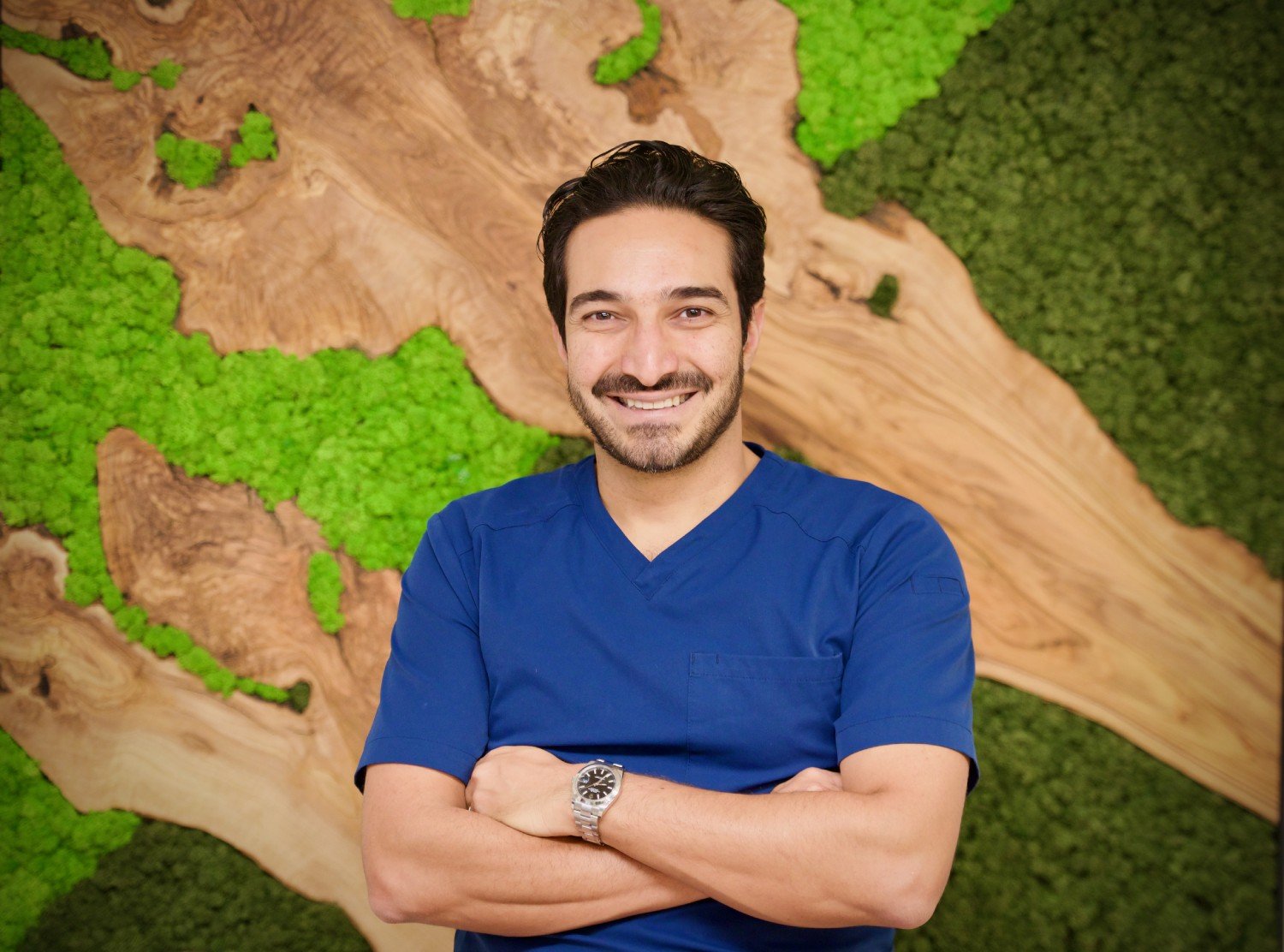
I, Dr. Alireza Chizari, see a common pattern in people searching for innovative concussion rehab tools in Thousand Oaks clinic results: you did “the right things,” you rested, you waited, your scans may look normal, and yet your symptoms still interfere with work, parenting, exercise, screens, or driving.
If you are in Thousand Oaks and you feel stuck with headaches, dizziness, brain fog, visual strain, or fatigue after a concussion, this page is for you. You are the hero here. My job is to be the guide who helps you understand what is happening, identify which systems are involved, and build a non-invasive plan that fits your real life.
In this article, I will explain how I think about concussion rehab tools in Thousand Oaks searches and what “innovative” really means in a modern clinic. I will also show you how our Calabasas clinic supports patients from Thousand Oaks and the Conejo Valley with structured evaluation, vestibular and neurological rehab, and evidence-informed technologies.
If your symptoms keep returning, here is why tools matter
Most concussion recovery is not a straight line. The brain often becomes more sensitive to load: visual load, motion, multitasking, stress, poor sleep, and even bright environments. When symptoms flare, it can feel like you are back at day one, even when you are not.
From my perspective, innovative concussion rehab tools in Thousand Oaks clinic care should not mean gadgets looking for a problem. It should mean the right tool matched to the right driver of symptoms, at the right dose, in the right order.
The most important shift is this: your symptoms are data. They help us locate what is still dysregulated so we can target it, instead of guessing.
Image note: “Photorealistic modern neurology rehab clinic exam room, white male doctor in his 40s wearing a clean white coat, calm and attentive, reviewing a symptom checklist with an attractive adult American female patient seated comfortably, natural daylight, shallow depth of field, documentary medical photography style, no text.”
The symptom patterns I see most in Thousand Oaks-area patients
When people look up concussion rehab tools in Thousand Oaks, they often assume concussion is only headaches. In reality, concussion symptoms commonly include dizziness, balance issues, fatigue, sensitivity to light/noise, attention problems, and feeling foggy.
In my clinic, these are the clusters that most often show up in patients driving in from Thousand Oaks, Westlake Village, and the surrounding areas:
- ✅ Dizziness or imbalance (especially in stores, traffic, or busy spaces)
- ✅ Headaches and pressure, sometimes with migraine-like features
- ✅ Visual strain (screens, scrolling, fluorescent lighting, reading)
- ✅ Brain fog and slowed thinking, especially late day
- ✅ Fatigue crashes after “normal” activity
This is why innovative concussion rehab tools in Thousand Oaks clinic care should be system-based: vestibular, visual, autonomic, cervical, and cognitive all matter.
Your progress is not measured by perfect days. It is measured by how quickly you recover when your nervous system gets challenged.
How I decide which concussion rehab tools in Thousand Oaks are right for you
When someone comes in after searching innovative concussion rehab tools in Thousand Oaks clinic, I start with one goal: identify what is driving your symptoms today, not what “should” be driving them based on the label of concussion.
I typically look at five interconnected areas:
H3: Vestibular and balance drivers
If dizziness worsens with head turns, motion, or visual complexity, vestibular dysfunction or a visual-vestibular mismatch may be involved. Vestibular rehabilitation has evidence supporting symptom improvement after concussion, though studies vary in methods and outcomes.
H3: Visual and oculomotor drivers
If screens, reading, or tracking fast-moving visuals provoke symptoms, eye teaming, convergence, or gaze stability may be impaired. Professional groups and systematic reviews discuss visual rehabilitation needs and limits of evidence, but also emphasize proper assessment rather than guessing.
H3: Autonomic drivers
If heat, standing, showers, dehydration, or anxiety-like surges worsen symptoms, dysautonomia patterns may be part of the picture. This often changes the pacing plan and how aggressively we progress exercise.
H3: Cervical drivers
Neck dysfunction can amplify dizziness, headaches, and visual instability. If your symptoms change with posture or neck position, we take the cervical component seriously as part of a combined plan.
H3: Cognitive load and return-to-activity strategy
Modern concussion care increasingly supports symptom-guided, progressive return to activity rather than prolonged total rest.
If you are in Thousand Oaks, the “right clinic” is the one that can test these systems and build a plan around your real triggers. That is the heart of concussion rehab tools in Thousand Oaks done properly.
Image note: “Photorealistic vestibular rehab assessment in a clean modern clinic, white male doctor guiding an attractive adult American female patient through a balance test on a foam pad, safety stance, soft clinical lighting, realistic medical environment, no text, high detail.”
Innovative concussion rehab tools in Thousand Oaks: what they actually do
At California Brain & Spine Center, patients traveling from Thousand Oaks are evaluated with structured neurological, vestibular, and functional testing. The goal is not to collect diagnoses. The goal is to identify which inputs the brain is struggling to integrate and then apply targeted rehab tools.
H3: Vestibular rehabilitation as a core tool
Vestibular rehab commonly includes gaze stabilization, balance training, and graded exposure to motion triggers. Reviews suggest vestibular rehabilitation can reduce dizziness and improve function after concussion, while also noting heterogeneity in available studies.
H3: Visual rehabilitation and screen tolerance training
When visual triggers dominate, rehab may focus on eye movement control, convergence, visual motion sensitivity, and pacing strategies around screens. Evidence reviews discuss potential benefit while emphasizing the need for individualized assessment and careful progression.
H3: NeuroSensory Integration and neuroplasticity-based progression
This is where “innovative” becomes meaningful. The clinic approach typically integrates sensory systems (eyes, inner ears, proprioception) while steadily increasing complexity, because real life is complex.
Healing is often a skill your nervous system relearns, one safe repetition at a time.
Non-invasive technologies: LLLT, PEMF, HBOT, GammaCore, and how I use them carefully
Patients searching innovative concussion rehab tools in Thousand Oaks clinic often ask about devices and therapies. Here is the honest answer: some technologies are promising, some are mixed, and almost none should be positioned as a guaranteed fix. The right use is strategic, combined with rehab, and based on your specific symptom drivers.
H3: Low-Level Laser Therapy and photobiomodulation
Photobiomodulation is being actively studied for brain injury mechanisms and recovery, with growing interest in how light-based approaches may influence inflammation and cellular energy pathways.
In practice, I only discuss it in the context of a broader plan and realistic expectations.
H3: PEMF and electromagnetic approaches
There is published research exploring transcranial pulsed electromagnetic stimulation for persistent post-concussion symptoms, including feasibility and tolerability studies.
This is not a “one-size-fits-all” option, but it can be part of an individualized non-invasive neurology strategy.
H3: Hyperbaric Oxygen Therapy
HBOT has been studied for persistent post-concussion symptoms and other non-stroke brain injury symptom profiles, including systematic reviews and randomized trials. Results and interpretations vary, so it must be discussed carefully and ethically.
If HBOT is considered, it should be integrated into a structured rehab plan rather than used as a stand-alone hope.
H3: GammaCore vagus nerve stimulation
gammaCore is an FDA-cleared non-invasive vagus nerve stimulation device for certain headache indications, not a general concussion cure.
However, for some patients whose dominant problem is headache physiology with autonomic sensitivity, it may be discussed as part of symptom management in the right context.
This is how I define “innovative” for patients looking for concussion rehab tools in Thousand Oaks: evidence-informed options, matched to your case, without hype.
What a smart plan looks like between visits for concussion rehab tools in Thousand Oaks
At California Brain & Spine Center, patients are typically coached to build “capacity” without triggering crashes. This matters because returning to activity too aggressively can prolong symptoms, while avoiding activity indefinitely can shrink your tolerance window.
Here are three principles that usually make the difference for people searching innovative concussion rehab tools in Thousand Oaks clinic:
- ✅ Dose matters more than intensity. Short, repeatable sessions beat occasional big pushes.
- ✅ One variable at a time. If we increase screen time, we keep physical load steady that week.
- ✅ Track response for 24-48 hours. Delayed symptom spikes count when planning progression.
Image note: “Photorealistic home rehab scene, attractive adult American female patient in a bright calm living room doing gentle gaze stabilization exercise with a small target card, white male doctor shown on a tablet screen coaching via telehealth, natural light, realistic everyday environment, no text.”
Confidence returns when your plan is predictable, not when your life becomes smaller.
A short case story from my clinic
Some time ago, a patient named “M.” came to see me after months of symptoms following a concussion. She lived near Thousand Oaks and had already searched every variation of concussion rehab tools in Thousand Oaks. Her biggest fear was that she could not tolerate screens or busy environments without dizziness and brain fog.
I evaluated her vestibular function, eye movements, balance under sensory challenge, and autonomic patterns. What stood out was a strong visual-vestibular sensitivity: scrolling, fluorescent lighting, and grocery-store motion reliably triggered symptoms. We built a non-invasive plan using vestibular rehabilitation, graded visual exposure, and pacing rules for work blocks. We also supported the cervical component because her neck position changed her dizziness pattern.
Over the next several weeks, her “crash days” became less frequent. She returned to a more normal work rhythm, drove with more confidence, and stopped fearing every store aisle. The most meaningful part was not perfection. It was stability. She told me, “I finally feel like I can live my life without negotiating with my symptoms all day.”
That is what I want for anyone searching innovative concussion rehab tools in Thousand Oaks clinic: a plan that turns chaos into a trackable path forward.
Your most common questions about concussion rehab tools in Thousand Oaks
1. Do I need advanced devices, or can rehab alone work?
Many patients improve with the fundamentals: vestibular rehabilitation, visual rehab, activity pacing, and targeted balance training. Evidence supports vestibular rehab for symptom reduction in many concussion cases, though outcomes vary.
Devices can be considered when they match your specific profile, not because they are trendy.
2. How do you know if my dizziness is vestibular, visual, or something else?
You do not guess. A proper evaluation looks at gaze stability, head movement tolerance, balance under different sensory conditions, and symptom provocation patterns. Dizziness is a common concussion symptom, but the driver differs person to person.
3. Is it normal that screens make my symptoms worse?
Yes. Visual strain and light sensitivity can be part of concussion symptom patterns, and visual-oculomotor issues are recognized as relevant in mTBI care.
The solution is usually graded exposure and targeted visual rehab, not simply avoiding screens forever.
4. What if I live in Thousand Oaks but your clinic is in Calabasas?
Many of our patients come from Thousand Oaks, Westlake Village, and across the Conejo Valley because they want a focused neurological and vestibular evaluation. The key is getting a plan that is specific enough to guide your home routine between visits.
5. Can HBOT or photobiomodulation “fix” my concussion?
Be cautious with absolute promises. HBOT and photobiomodulation are active areas of research with mixed and evolving evidence.
If we discuss them, it is as part of a broader, personalized rehab strategy.
6. When should I seek urgent evaluation instead of rehab?
If you have sudden worsening symptoms, severe headaches unlike your usual pattern, weakness, slurred speech, repeated vomiting, or new neurological deficits, you should seek urgent medical care. CDC guidance includes “danger signs” that require immediate attention.
Conclusion
If you are searching for innovative concussion rehab tools in Thousand Oaks clinic, I want you to leave with three clear truths.
First, concussion symptoms are real and common: dizziness, fatigue, headaches, and brain fog are recognized patterns, even when imaging looks normal.
Second, the best results come from matching the right tools to the right system: vestibular, visual, autonomic, cervical, and cognitive.
Third, “innovative” should mean personalized, evidence-informed, and non-invasive, not hype.
I, Dr. Alireza Chizari, built our approach around helping you move from unstable symptoms toward a calmer, more functional life with a structured plan you can trust.
If you are in Thousand Oaks or nearby and you are ready for a real concussion and dizziness evaluation, contact California Brain & Spine Center in Calabasas. Request an appointment so we can map what is driving your symptoms and build a step-by-step plan that helps you return to the best version of your life, not just “manage” a diagnosis.