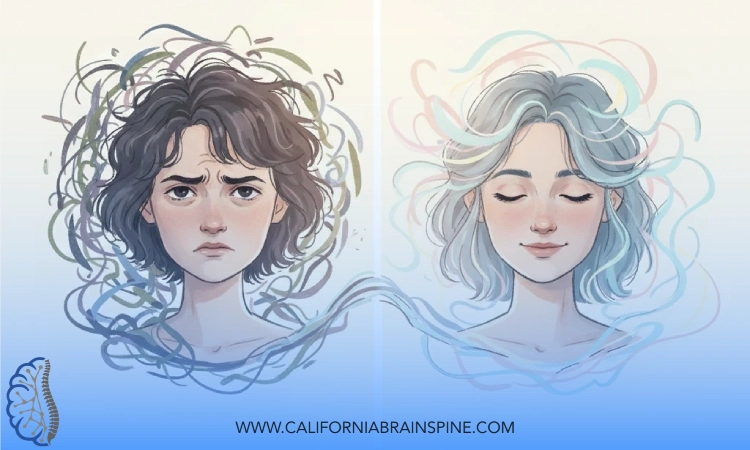
A concussion is more than just a physical injury; it can profoundly affect your emotional and psychological state. Many individuals who experience a concussion, or their loved ones, report significant shifts in mood—increased irritability, emotional lability (mood swings), and heightened anxiety. These changes can be distressing and often lead to the question: “Is this normal after a concussion, or is something more serious going on?”
Concussion Mood Swings & Anxiety: What’s Normal?
I’m Dr. Alireza Chizari, DC, DACNB, and at California Brain & Spine Center in Calabasas, we specialize in understanding and treating the complex, multifaceted effects of concussions. My goal is to help you navigate these emotional changes, understand what to expect, and know when to seek professional help.
This guide will clarify the common emotional and psychological symptoms following a concussion and provide insights into managing them effectively.
Understanding the Brain-Concussion-Emotion Connection
The brain is the control center for our emotions. When a concussion occurs, it causes a disruption in the brain’s normal functioning. This disruption can affect several key areas responsible for emotional regulation, including:
- The frontal lobes: Responsible for executive functions, decision-making, impulse control, and regulating emotional responses.
- The limbic system (including the amygdala and hippocampus): Crucial for processing emotions, memory, and stress responses.
- Neurotransmitter systems: Chemical messengers like serotonin, dopamine, and norepinephrine, which play vital roles in mood, anxiety, and stress regulation, can be imbalanced after a concussion.
This neurological disruption can manifest as:
- Mood swings: Rapid shifts from feeling happy or calm to sad, angry, or frustrated.
- Irritability: A lower tolerance for frustration, snapping easily, or feeling on edge.
- Anxiety: Excessive worry, nervousness, racing thoughts, physical symptoms like a racing heart, or panic attacks.
- Depression: Persistent feelings of sadness, loss of interest, fatigue, and hopelessness.
- Emotional outbursts: Crying easily or experiencing anger that feels out of proportion to the situation.
“A concussion is a disruption of your brain’s electrical and chemical communication. It’s no surprise that this affects how you feel and react.”
What is “Normal” Post-Concussion Emotional Response?
It’s important to understand that experiencing some emotional changes after a concussion is very common. The brain is injured and trying to heal, which in itself is a stressful process.
Commonly observed “normal” emotional responses include:
- Increased sensitivity: You might find yourself more easily overwhelmed by noise, light, or social interaction, leading to frustration.
- Short temper: A reduced capacity to tolerate minor annoyances or delays.
- Feelings of sadness or frustration: It’s natural to feel upset about the injury, the symptoms, and the disruption to your life.
- Temporary anxiety: Worrying about recovery, returning to normal activities, or experiencing new symptoms.
- Feeling “off” or different: A general sense of emotional dysregulation without a clear cause.
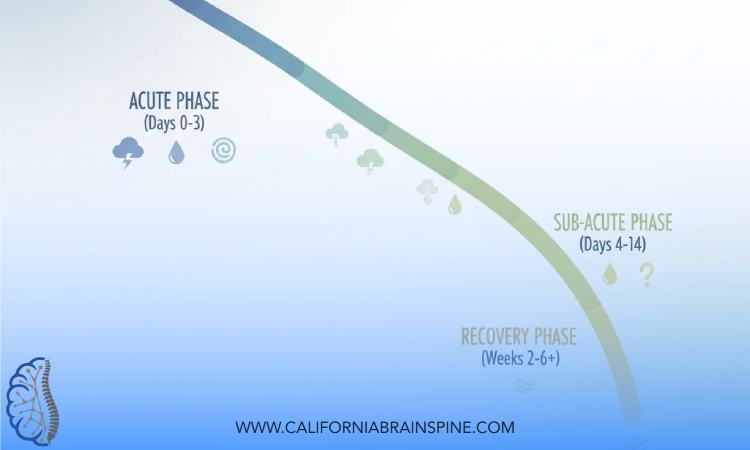
These symptoms are often temporary and tend to improve as the brain heals over days, weeks, or a few months.
When Emotional Changes Might Indicate Something More Serious
While temporary emotional shifts are common, certain signs suggest that the post-concussion emotional and psychological impact may be more significant or require specific intervention.
Seek professional help if you experience:
- Persistent or worsening mood swings: If your emotional lability doesn’t improve over weeks and continues to significantly impact relationships or daily functioning.
- Severe irritability or aggression: If you find yourself frequently losing control, becoming verbally abusive, or engaging in aggressive behaviors that are out of character.
- Debilitating anxiety or panic attacks: If anxiety is constant, interferes with your ability to function, or leads to severe panic episodes.
- Suicidal thoughts or ideation: This is a medical emergency. If you are having thoughts of harming yourself, please reach out for immediate help (e.g., call emergency services, a crisis hotline, or go to the nearest emergency room).
- Prolonged feelings of hopelessness or depression: If you experience a persistent lack of interest in activities, significant fatigue, or feelings of despair that last for more than a couple of weeks.
- Significant personality changes: If those around you notice a dramatic and lasting alteration in your personality.
- Symptoms that interfere with basic daily activities: If mood, irritability, or anxiety prevent you from working, caring for yourself, or maintaining essential relationships.
“Your emotional well-being is as critical as your physical recovery. Don’t hesitate to seek support when these changes are overwhelming or persistent.”
Factors Influencing Post-Concussion Emotional Changes
Several factors can influence the type and severity of emotional changes experienced after a concussion:
- Severity of the concussion: More severe injuries can sometimes lead to more pronounced emotional symptoms.
- History of previous concussions: Multiple concussions can complicate recovery and increase the risk of persistent symptoms.
- Pre-existing mental health conditions: Individuals with a history of anxiety, depression, or other mood disorders may be more vulnerable to experiencing or worsening these symptoms post-concussion.
- Life stressors: Significant life events occurring around the time of the concussion can exacerbate emotional responses.
- Sleep disturbances and pain: These common post-concussion symptoms can significantly worsen mood and increase irritability.
- The impact of the injury on daily life: Loss of work, social isolation, and the struggle to perform daily tasks can all contribute to distress.
Strategies for Managing Post-Concussion Mood and Anxiety
Managing these emotional changes is a crucial part of concussion recovery. At California Brain & Spine Center, we often integrate the following strategies:
1. Education and Validation
Understanding that these changes are a common, biological response to brain injury is often the first step toward healing. Knowing what’s “normal” can reduce self-blame and anxiety.
2. Pacing and Rest
Overtiredness and overstimulation are major triggers for emotional dysregulation post-concussion. Learning to pace activities, incorporate regular rest periods, and avoid excessive sensory input is vital.
3. Sleep Hygiene
Prioritizing quality sleep is non-negotiable. Establishing a consistent sleep schedule, creating a relaxing bedtime routine, and optimizing your sleep environment can significantly improve mood and reduce anxiety.
4. Mindfulness and Breathing Exercises
Simple techniques like deep diaphragmatic breathing or guided mindfulness meditation can help calm the nervous system, reduce anxiety, and improve emotional regulation. These techniques can retrain your brain’s response to stress.
Image note: “A patient practicing gentle breathing exercises in a calm, private room at the clinic, guided by a therapist.”
5. Cognitive Behavioral Therapy (CBT)
CBT is highly effective in helping individuals challenge negative thought patterns, develop coping strategies for anxiety and irritability, and manage the psychological impact of a concussion.
6. Targeted Neurological and Vestibular Treatment
Sometimes, underlying issues such as autonomic nervous system dysfunction, vestibular imbalance, or persistent inflammation can significantly contribute to mood changes and anxiety. Treatments at our center may include:
- Vestibular rehabilitation
- Neurofeedback
- Nutritional interventions
- Management of dysautonomia
- Neuroplasticity-focused therapies
Addressing these core neurological disruptions can lead to significant improvements in emotional well-being.
“Healing your brain involves addressing all its functions—including emotional regulation. A holistic approach yields the best results.”
When to Seek Professional Help at California Brain & Spine Center
If you or someone you know is experiencing persistent or severe mood swings, irritability, anxiety, or signs of depression after a concussion, it is crucial to seek professional evaluation.
Do not hesitate to contact us at California Brain & Spine Center if:
- Your emotional symptoms are significantly impacting your daily life, work, or relationships.
- You are experiencing thoughts of self-harm or harming others.
- Your symptoms are not improving over time or seem to be worsening.
- You are struggling to manage your emotional responses effectively.
Our team of specialists can provide a comprehensive assessment to understand the root causes of your symptoms and develop a personalized treatment plan to support your recovery.