brain fog after traumatic brain injury
If you or someone you love is living with the hazy, slow-motion feeling we call brain fog, please know that you are not alone and that hope is very real. As a neurologist who has walked beside many survivors, I have witnessed remarkable turnarounds thanks to Cognitive therapy for brain fog after traumatic brain injury. This article breaks down the science, the strategies, and most importantly the human spirit that fuels recovery. Let’s start clearing the clouds together.
Because cognitive gains depend on brain rewiring, the background in “How Neuroplasticity Helps Heal After Brain Injury” will make every strategy in this post click even faster.
What Exactly Is Brain Fog After TBI?

Brain fog is not a formal diagnosis; it is the everyday phrase people use to describe slowed thinking, poor concentration, sluggish memory, and mental fatigue after a traumatic brain injury (TBI). Picture trying to read through frosted glass letters exist, but definition is missing. Even simple tasks (finding keys, following a recipe) can feel exhausting.
Why does it happen? A physical impact shakes microscopic neural pathways, disrupting networks that once fired in perfect synchrony. Blood flow, chemical messengers, and electrical signals struggle to regain rhythm. That’s where Cognitive therapy for brain fog after traumatic brain injury steps in.
Why Cognitive Therapy Works When Fog Won’t Lift
Unlike “doing Sudoku and hoping for the best,” Cognitive therapy for brain fog after traumatic brain injury is a structured, evidence-informed program. It trains attention, memory, processing speed, and executive function through graded mental workouts much the way a physiotherapist rebuilds muscle after a leg fracture. The brain’s neuroplasticity (its lifelong ability to rewire) is the beating heart of success. Consistent, targeted challenges coax surviving neurons to form stronger, smarter pathways.
Core Pillars of an Effective Program
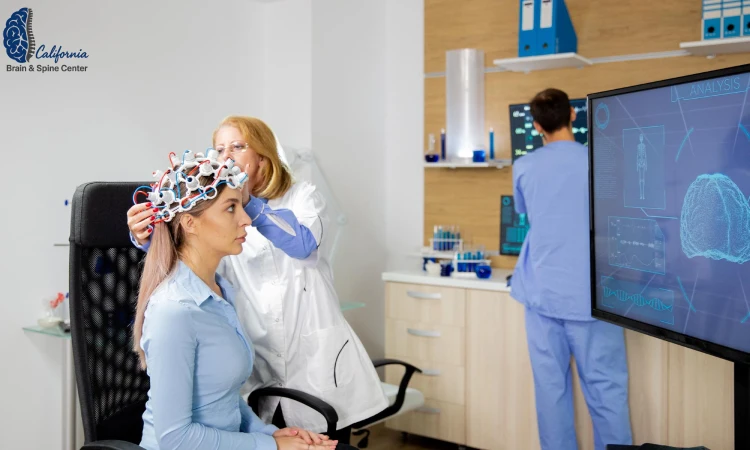
Collaborative Goal-Setting
Your therapist helps convert vague aims (“I want to think better”) into specific, measurable milestones (“I can remember a five-item grocery list without notes”). Clear targets keep motivation burning.
Attention Retraining
Early sessions usually address sustained and selective attention spotting a single symbol in a wall of moving images, or ignoring irrelevant sounds while counting tones. Success here lays the foundation for every other skill.
Memory Strategies
-
Internal: Visualization, story-chaining, spaced repetition.
-
External: Smart-phone reminders, color-coded notebooks, voice memos.
Therapists weave both kinds into daily routines, ensuring that Cognitive therapy for brain fog after traumatic brain injury moves from clinic to kitchen table.
Executive-Function Boot Camp
Planning a small dinner party becomes a therapeutic exercise: write a timeline, budget ingredients, delegate tasks, then reflect on outcomes. Real-life relevance glues new circuitry in place.
Lifestyle Anchors
Sleep hygiene, aerobic movement, balanced nutrition, and mindfulness lower neural “noise,” making each training session count doubly. Think of them as fertile soil around the seeds therapy plants.
Harnessing Technology to Turbo-Charge Therapy

Modern platforms provide adaptive games that get harder as you improve, live progress dashboards, and virtual reality scenarios that mimic a bustling grocery store or busy intersection. When vetted by a clinician, these tools fit smoothly into Cognitive therapy for brain fog after traumatic brain injury, adding fun and flexibility between in-person visits.
The Therapeutic Journey Week by Week
| Week | Focus | Typical Home Practice | Emotional Milestone |
|---|---|---|---|
| 1–2 | Assessment & simple attention tasks | 5-minute phone app drills twice daily | “I feel understood.” |
| 3–4 | Dual-task training (e.g., walking while naming categories) | Family helps track successes | “Hey, I multitasked!” |
| 5–8 | Memory & planning projects | Cooking a new recipe with cues | “I trust my brain again.” |
| 9–12 | Real-world simulations & community outings | Managing a mini shopping trip | “Fog is thinning.” |
Everyone progresses at a unique tempo, so your therapist fine-tunes activities each visit. But across hundreds of cases, this arc repeats: early uncertainty, gradual wins, then accelerating confidence.
Measuring Progress and Celebrating It Loudly

Standardized tests (Trail-Making, Digit Span, verbal fluency) appear at set intervals to capture gains that daily life might hide. Graphs show rising scores a visual burst of motivation. Journaling further documents victories: “Remembered grand-daughter’s birthday!” These tangible proofs reinforce the neural pathways Cognitive therapy for brain fog after traumatic brain injury is carving.
Real Stories of Steady Triumph
-
Jamal, 26: A skateboard fall left him unable to juggle coursework and part-time work. Twelve weeks of attention retraining plus mindfulness brought his GPA from 2.1 to 3.4.
-
Eva, 54: Post-accident migraines and word-finding pauses made her doubt returning to teaching. Integrated memory strategies saw her back in the classroom by semester’s end.
Their journeys differed, but both echo a central truth: with guided effort, the fog lifts.
Supporting a Loved One Through the Process
-
Listen actively validate fatigue signals; don’t push “just try harder.”
-
Break tasks down offer two choices instead of open-ended plans.
-
Praise micro-successes celebrating a single well-remembered name fuels motivation for the next hurdle.
-
Guard quiet time the healing brain needs frequent rests, like muscles between sets.
When to Seek Professional Help And What to Bring

If fog persists beyond three months, worsens, or blocks daily function, book a specialist visit. Bring:
-
A symptom diary (triggers, duration, severity).
-
List of medications and supplements.
-
Questions about Cognitive therapy for brain fog after traumatic brain injury you wish to explore.
Prepared notes let the clinical team dive straight into crafting your roadmap.
Ready to Start Your Journey?
The compassionate neuro-rehabilitation team at California Brain & Spine Institute tailors Cognitive therapy for brain fog after traumatic brain injury to each survivor’s unique profile. Schedule a consultation today and let experienced professionals champion your comeback brain, heart, and soul working in unison.
Summary
Brain fog after TBI can feel isolating, but targeted, systematic Cognitive therapy for brain fog after traumatic brain injury leverages the brain’s built-in plasticity to restore clarity. By combining personalized goals, skill-specific exercises, lifestyle support, and affirmative coaching, therapy turns fragile neural sprouts into sturdy networks. Progress may feel gradual, yet every small victory lights the path forward. With expert guidance, commitment, and compassion, clear thinking is within reach.
Frequently Asked Questions
- How soon after injury can I begin cognitive therapy?
As soon as your medical team clears you for active rehabilitation sometimes within weeks. Early stimulation often speeds recovery, but therapy adapts to every healing stage. - Will cognitive therapy cure brain fog completely?
Outcomes vary, yet most participants report significant improvement in memory, attention, and mental stamina. Some residual challenges might persist, but day-to-day life usually becomes far more manageable. - How long do sessions last, and how many will I need?
Sessions commonly run 45–60 minutes, one to three times per week, over several months. Your neurologist will adjust frequency as your performance evolves. - Can I do cognitive therapy exercises at home?
Absolutely. Your clinician will assign tailored activities apps, journaling, real-world tasks that reinforce clinic work and weave progress into daily routines.
 Alireza Chizari, MSc, DC, DACNB
 Clinical Focus
 Assessment & Treatment Approach
Objective testing may include:
Treatment programs may involve:
 Clinic Information
 Medical Review
 Disclaimer