Calabasas’s Spiritual Care for Neuro-Recovery
As a neurologist who has walked with many patients through long seasons of healing, I’ve learned something simple and profound: your brain responds not only to medicines and therapies, but also to meaning. When your day includes moments of calm, purpose, connection, and awe, the nervous system becomes more willing to learn, adapt, and repair. That is the heart of Spiritual Care for Neuro-Recovery a gentle, practical way to nurture the brain while honoring the whole person. In Calabasas, with its canyon light and quieter rhythms, you have an ideal backdrop to weave this into daily life.
What does “spiritual” mean in a neurologist’s office?
Spirituality here isn’t about labels. It’s about what lifts and steadies you your values, your sense of “why,” your experience of connection to something larger than the immediate struggle. In clinical terms, Spiritual Care for Neuro-Recovery means using practices that reduce stress, stabilize attention, build hope, and support behavior change. These include stillness (breath, prayer, meditation), story (journaling, gratitude, life narrative), support (trusted people, groups, mentors), service (small acts that restore dignity), and sacred spaces (nature, music, art, quiet rooms). None of this replaces your medical plan; instead, it’s a companion pathway that often makes the medical plan work better.
A brain-based case for calm: how spirit supports plasticity
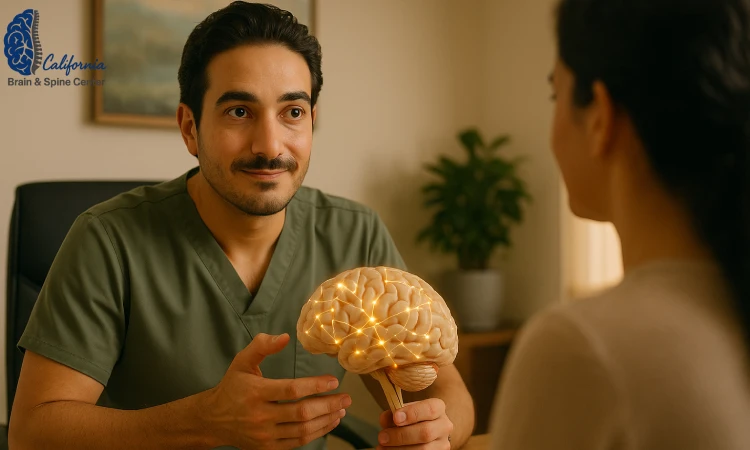
Your brain heals by making new connections and strengthening useful ones. That process, neuroplasticity, flourishes when three conditions are present: safety, repetition, and reward. Spiritual Care for Neuro-Recovery nourishes all three.
-
Safety: Regulated breathing, brief meditations, or heartfelt prayer slow the stress response and nudge the vagal system toward rest-and-digest.
-
Repetition: Meaningful rituals (morning gratitude, evening reflection) are easy to repeat; repetition “tells” the brain what to keep.
-
Reward: Purpose and connection release the chemistry of encouragement reinforcing the very behaviors that train your nervous system.
When you feel anchored, attention improves, sleep deepens, and energy stabilizes. That stability makes each rehab session more productive.
The Calabasas 5-S Framework

Use this five-part blueprint to personalize Spiritual Care for Neuro-Recovery. Keep it human, keep it kind.
-
Stillness – Ten quiet breaths on waking; two minutes of mindful attention before therapy; three minutes of soft music before sleep.
-
Story – A small notebook: “three gratitudes” at breakfast, “one lesson learned” at night. Your brain loves coherent narrative.
-
Support – Choose two reliable contacts (family, friend, mentor). Ask for specific help: rides, reflection walks, or simply presence.
-
Service – A tiny weekly act that affirms dignity: write a thank-you note, share encouragement, water a neighbor’s plants.
-
Sacred Spaces – Identify two low-stimulus places nearby (a shaded bench, a quiet room, a favorite overlook). Make them part of your week.
Even if you start with just Stillness and Story, you’ve begun Spiritual Care for Neuro-Recovery in a way the brain can trust.
Designing your week: a compassionate rhythm

Recovery loves rhythm more than intensity. Try this scaffold and adjust as you learn your energy patterns:
-
Morning (15–25 minutes)
-
Grounding breath or prayer (3–5 minutes)
-
Gentle mobility or stretching (5 minutes)
-
Gratitude or intention note (2–3 lines)
-
Light nourishment and hydration
-
-
Midday (10–15 minutes)
-
Quiet reset in a low-stimulus spot
-
Brief reflection: What is one thing I did well?
-
-
Evening (20 minutes)
-
Soothing sensory routine: warm shower, soft light, slow exhale
-
Short reflection on progress and a kindness toward yourself
-
This skeleton blends with your medical and therapy schedule while honoring Spiritual Care for Neuro-Recovery as a daily practice, not an occasional add-on.
Micro-practices that make a macro difference
You don’t need hour-long sessions to help your nervous system. Use these three-minute tools anywhere:
-
Box Breathing 3–3–3–3: Inhale, hold, exhale, hold three seconds each, three rounds.
-
Name–Frame–Reframe: Name the feeling, frame it in the moment (“this is hard and temporary”), then reframe (“my next kind step is a sip of water and five breaths”).
-
Senses Scan: Gently label 3 things you see, 2 you hear, 1 you feel. Orientation calms the midbrain.
-
Gratitude Snapshot: Write a single sentence about something steady that survived the storm someone who stayed, a skill you still have, a view you love.
Each tool is tiny, repeatable, and evidence-aligned with how Spiritual Care for Neuro-Recovery stabilizes attention and lowers arousal.
Pain, fatigue, and fog: spiritual skills for tough moments
-
For pain spikes: Pair slow nasal breathing with a compassionate phrase, e.g., “Pain is present; I am safe right now.” Bring a warm or cool compress.
-
For fatigue: Give yourself permission to pause before symptoms “yell.” Lower light, sip water, close eyes for five minutes.
-
For brain fog: Write your next single step on a sticky note. Small wins rebuild cognitive confidence.
These skills don’t erase symptoms; they soften the edges so therapy remains possible exactly what Spiritual Care for Neuro-Recovery aims to do.
Caregivers and companions: shaping a healing atmosphere
Caregivers are the unsung co-therapists. Invite them into Spiritual Care for Neuro-Recovery:
-
Establish a calm cue (hand on shoulder = “let’s breathe”).
-
Protect a daily quiet interval together no agendas, just presence.
-
Share a tiny ritual: a shared gratitude, short prayer, or a walk at a comfortable pace.
When caregivers practice with you, the healing environment becomes portable.
Nature as a gentle co-therapist
Calabasas offers soft hills, filtered sun, and pockets of quiet. Use a “Green-10 Rule”: aim for at least ten minutes outdoors most days shade, breeze, a stable seat. Nature gently reinforces Spiritual Care for Neuro-Recovery by lowering sensory noise and renewing attention. If walking is challenging, simply sit, breathe, and notice light and temperature on your skin.
Building your personal spiritual plan (no one-size-fits-all)
-
Clarify values: What matters most now independence, presence with family, creativity, service?
-
Choose two practices that feel natural: Perhaps breath prayer and journaling, or mindful walking and music listening.
-
Design cues: Pair practices with existing habits (after brushing teeth, before therapy, during the first five minutes in the car).
-
Track tiny wins: One line per day: “Practiced box breathing twice; felt steadier before PT.”
-
Review weekly: Keep what helps, drop what doesn’t. Gentle iteration is part of Spiritual Care for Neuro-Recovery.
Common roadblocks (and kind solutions)
-
“I can’t quiet my mind.” That’s okay just sit with your breath. The goal is not silence; it’s friendliness toward your nervous system.
-
“I forget to practice.” Use environmental cues (sticky notes, a bracelet, a phone reminder with a kind message).
-
“I feel silly.” Healing is practical, not performative. If a tool works, it’s wise, not silly.
-
“I’m afraid to hope.” Let hope be calibrated: not “everything will be perfect,” but “I can take a kind next step.”
These compassionate reframes keep Spiritual Care for Neuro-Recovery sustainable during real-life ups and downs.
Making medical rehab more effective through meaning
When your daily plan connects to what you cherish, adherence rises. You show up to therapy not as a chore but as an act of purpose. Clinically, I see patients who integrate Spiritual Care for Neuro-Recovery arrive more regulated, learn skills faster, and bounce back more gently from setbacks. The practices don’t need to be dramatic; consistency beats intensity every time.
A simple 14-day starter program
Days 1–3: Morning breath (3 minutes), nightly gratitude (2 lines).
Days 4–7: Add a five-minute nature sit or slow walk, plus a two-minute mid-day reset.
Days 8–10: Introduce one creative outlet (humming, sketching, gentle instrument practice).
Days 11–14: Share one supportive moment with a trusted person read your favorite line or sit together in quiet.
By the end, you’ll have a rhythm for Spiritual Care for Neuro-Recovery that fits your energy and your calendar.
“Is this spiritual or psychological?” Why the labels can blur
From a brain perspective, calm connection is calm connection whether it comes through prayer, breath, poetry, or a quiet hillside. Spiritual Care for Neuro-Recovery isn’t about choosing a camp; it’s about selecting what reliably brings you into a state where your brain can heal and learn.
Your pocket checklist
-
Two daily moments of stillness
-
One line of gratitude or reflection
-
One low-stimulus place identified
-
A reset plan for pain, fatigue, or overwhelm
-
A weekly act of service
-
A supportive partner or friend “on the same page”
Keep this list near your keys or water bottle so Spiritual Care for Neuro-Recovery travels with you.
Gentle progress tracking (so you notice the wins)
-
Energy dots: Color a dot for each day you felt steadier after your practice.
-
Therapy synergy: Note whether you arrived at sessions calmer, or recovered more quickly afterward.
-
Mood anchor: One word before and after your practice: scattered → settled. Over time, patterns emerge.
When patients capture these micro-wins, they naturally reinforce Spiritual Care for Neuro-Recovery because the brain loves visible progress.
Calabasas inspirations you can make your own
-
A shaded corner for a mid-morning breath pause.
-
A short dusk stroll with soft music.
-
A “gratitude stone” carried in your pocket, picked up from a local trail (ask permission where needed) to remind you to breathe kindly.
These small, place-rooted rituals keep Spiritual Care for Neuro-Recovery grounded in your daily life.
If you want a personalized, neurologist-guided plan that blends your therapy schedule with steady, meaningful practices, our team at the California Brain & Spine Institute is ready to help. We design practical, compassionate frameworks of Spiritual Care for Neuro-Recovery that fit your symptoms, energy, and goals and our experts will solve your problem for you when it comes to integrating these routines with the rest of your recovery.
Summary
Spiritual Care for Neuro-Recovery is a humane, brain-wise approach that pairs meaning with medicine. By cultivating stillness, story, support, service, and sacred spaces, you reduce stress chemistry, stabilize attention, and make neuro-rehabilitation more effective. Use micro-practices, a compassionate weekly rhythm, kind reframes for roadblocks, and simple progress tracking. Calabasas offers a natural setting for these routines to become part of who you are not extra chores, but daily nourishment for a healing nervous system.
Frequently asked questions
1) Is Spiritual Care for Neuro-Recovery a replacement for medical treatment?
No. It’s a supportive pathway that complements your therapies. Many patients find they attend sessions calmer, learn faster, and recover more steadily when they use Spiritual Care for Neuro-Recovery alongside their medical plan.
2) I’m not religious. Can I still benefit?
Absolutely. Spiritual Care for Neuro-Recovery is about meaning, values, and connection. Breath work, gratitude notes, quiet nature time, and simple acts of kindness are accessible to everyone.
3) How soon should I expect results?
Most people notice small shifts in calm or clarity within days when they practice consistently. The bigger effects better sleep rhythms, steadier attention build over weeks. The key with Spiritual Care for Neuro-Recovery is gentle repetition.
4) What if my symptoms spike during practice?
Shrink the practice. Lower the light, reduce duration, or try a different tool (e.g., senses scan instead of breath focus). Your comfort is the guide in Spiritual Care for Neuro-Recovery.
5) Can caregivers be included?
Please do. Shared rituals and agreed cues amplify benefits. Many caregivers say Spiritual Care for Neuro-Recovery helps them regulate their own stress as well.
6) How do I keep going when motivation dips?
Pair practice with an existing habit, track tiny wins, and re-connect to your “why.” Even one minute counts. Consistency not perfection drives Spiritual Care for Neuro-Recovery.
7) What practices are best for sleep?
Dim light an hour before bed, three minutes of slow breathing or prayer, and a short gratitude line. Over time, these rituals within Spiritual Care for Neuro-Recovery cue your brain that safety and rest are here.
8) How do I know which practices to choose?
Select what feels both kind and repeatable. If a tool reliably leaves you calmer or clearer, it belongs in your personal plan for Spiritual Care for Neuro-Recovery.
👨⚕️ Alireza Chizari, MSc, DC, DACNB
🧠 Clinical Focus
🔬 Assessment & Treatment Approach
Objective testing may include:
Treatment programs may involve:
📍 Clinic Information
✅ Medical Review
⚠️ Disclaimer