If you are in Woodland Hills and you have been living with brain fog, dizziness, headaches, memory slips, fatigue, or that unsettling sense that your nervous system is not steady, you are not alone. Many people feel stuck because their scans look “normal,” yet daily life still feels unpredictable.
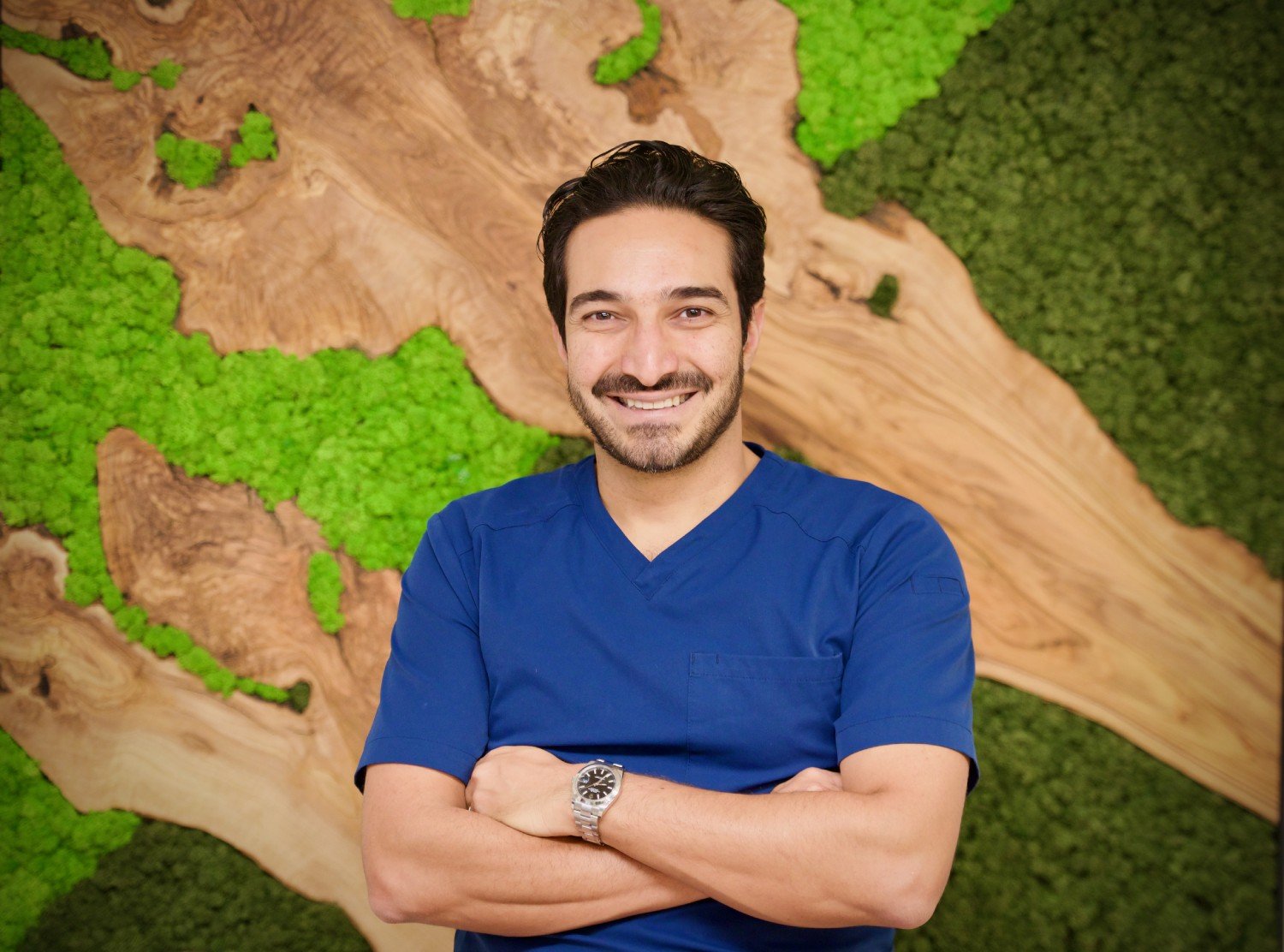
I, Dr. Alireza Chizari, wrote this page to explain what brain therapies under one roof in Woodland Hills should actually mean in real clinical practice. It should mean you are not bounced between disconnected offices, given generic advice, or told to “wait it out” when your symptoms are clearly affecting your life.
At California Brain & Spine Center in nearby Calabasas, my team and I evaluate complex neurological and vestibular cases every week. If you are searching for brain therapies under one roof in Woodland Hills, this article will show you how we approach root causes, what a thorough evaluation looks like, and how you can use our services to move toward a calmer, more functional day-to-day life.
Image note: “Photorealistic image, modern neurology clinic in Southern California. Light-skinned male doctor in a white coat speaking calmly with a well-dressed American female patient in her 30s. Warm natural lighting, realistic skin texture, professional medical environment, documentary photography style, shallow depth of field.”
What “brain therapies under one roof in Woodland Hills” should feel like for you
When I hear someone say they want brain therapies under one roof in Woodland Hills, I translate that into a human need: clarity, coordination, and confidence. You do not want ten appointments that do not connect. You want one plan that makes sense.
In my clinic work, “under one roof” means we do not look at symptoms in isolation. We look at the nervous system as an integrated network: balance, vision, cognition, autonomic function, sleep resilience, and the spine’s influence on sensory signaling.
The promise is not “instant results,” it is a smarter pathway
I never guarantee outcomes, because every nervous system is different. But I do promise a process that is evidence-informed, personalized, and built around your real triggers, not generic checklists.
Image note: “Photorealistic scene. Light-skinned male doctor showing a simple nervous system map on a wall screen (balance, vision, cognition, autonomic). Beautiful American female patient listening attentively. Modern clinic, soft lighting, realistic details.”
Who usually needs brain therapies under one roof in Woodland Hills
I often meet patients from Woodland Hills who feel like their symptoms are “too mixed” to explain in one sentence. That is exactly the pattern where brain therapies under one roof in Woodland Hills becomes relevant.
Here are common situations where a more integrated plan may help:
- Persistent dizziness or imbalance, especially after concussion, vestibular illness, or whiplash ✅
- Brain fog, slowed thinking, or difficulty multitasking at work
- Visual sensitivity, screen-triggered symptoms, or motion sensitivity in stores
- Chronic headaches or head pressure with neck tension patterns
- Fatigue crashes that feel neurological, not just “being tired”
- Dysautonomia-type symptoms: lightheadedness on standing, heat intolerance, heart racing
If you feel dismissed because tests are “normal”
I want you to know something important: normal imaging does not automatically mean normal function. Many post-concussion, vestibular, and autonomic patterns are functional and system-based, and they require the right style of evaluation.
“You are not weak for having symptoms. You are strong for refusing to accept confusion as your new normal.”
Image note: “Photorealistic image. Light-skinned male doctor gently reassuring a beautiful American female patient who looks worried but hopeful. Calm clinic setting, natural light, realistic facial expressions.”
How a modern clinic evaluates complex symptoms when you want brain therapies under one roof in Woodland Hills
At California Brain & Spine Center, patients are evaluated with the understanding that dizziness, brain fog, and fatigue often come from multiple interacting systems, not one single “label.”
A thorough evaluation commonly includes three layers:
Layer 1: The story behind the symptoms
Clinicians map what actually triggers symptoms: screens, driving, bright lighting, crowded environments, head turns, poor sleep, stress, heat, dehydration, or overexertion.
Layer 2: Functional neurological and vestibular testing
This may include balance testing under different sensory conditions, eye movement screening, gaze stability tolerance, and positional testing when appropriate.
Layer 3: Autonomic and cervical contribution screening
For many people, dizziness is not purely “inner ear.” Autonomic instability and cervical input can amplify symptoms and create unpredictable flare patterns.
This is the practical backbone of brain therapies under one roof in Woodland Hills. Without the right map, therapy becomes random.
Image note: “Photorealistic clinic photo. Balance testing setup with a stable platform and safety rail. Light-skinned male clinician guiding a beautiful American female patient through a simple balance assessment. Professional lighting, high realism.”
The core therapy pillars inside brain therapies under one roof in Woodland Hills
At California Brain & Spine Center, treatment pathways are selected based on the drivers found in the evaluation. Patients are not treated like templates.
Vestibular rehabilitation and balance disorder therapy
This is often essential when dizziness, motion sensitivity, visual-vestibular mismatch, or unsteadiness is present. The goal is to retrain how the brain integrates eye, inner ear, and body signals.
Cognitive rehabilitation and functional brain retraining
When brain fog, slowed processing, attention instability, or memory strain is present, cognitive rehab strategies may be layered in carefully, so you improve without symptom crashes.
Neuroplasticity rehabilitation and NeuroSensory Integration (NSI)
When sensory processing is overreactive, NSI-style approaches and neuroplasticity-based progressions can help the nervous system become less defensive and more stable over time.
If you are searching for brain therapies under one roof in Woodland Hills, this is the “under one roof” reality: vestibular, cognitive, sensory, and autonomic considerations coordinated as one plan.
“The right therapy is not the most aggressive therapy. It is the one your nervous system can adapt to safely, consistently, and step by step.”
Image note: “Photorealistic scene. Light-skinned male doctor observing a beautiful American female patient doing a gentle gaze-stability drill with a visual target. Modern clinic, soft lighting, realistic detail, documentary style.”
Advanced non-invasive options that may be included under one roof
At California Brain & Spine Center, non-invasive neurology tools are used when they fit the clinical picture. They are not marketed as magic solutions. They are considered supportive inputs inside a structured rehabilitation plan.
Common technologies and programs that may be relevant depending on your diagnosis include:
- Low-Level Laser Therapy (LLLT)
- Pulsed Electromagnetic Field (PEMF)
- Hyperbaric Oxygen Therapy (HBOT)
- GammaCore Vagus Nerve Stimulation
- The NeuroRevive Program
- Integrated vestibular rehabilitation and neuroplasticity rehabilitation
This is one of the reasons some people look for brain therapies under one roof in Woodland Hills. They want coordinated care options that do not feel fragmented across multiple providers.
The key is matching the tool to the driver
If your primary driver is vestibular, the foundation must be vestibular rehab. If your driver is autonomic instability, pacing and autonomic support strategies matter. If your driver is visual overload, we progress visual-vestibular tolerance carefully. Tools can support the process, but they do not replace correct sequencing.
Image note: “Photorealistic image. Light-skinned male doctor in a white coat in a modern therapy room holding a small non-invasive therapy device while explaining it to a beautiful American female patient. Clean clinical background, realistic look, no sci-fi glow.”
Safety first: when symptoms need urgent evaluation, not routine therapy
Most people who want brain therapies under one roof in Woodland Hills are dealing with chronic or subacute patterns that are not emergencies. But certain symptoms should never be managed through an article or a routine clinic pathway.
Seek urgent medical care if you have:
- Sudden weakness, numbness, facial droop, or slurred speech
- A sudden severe headache that is very different from your usual pattern
- Repeated vomiting with severe dizziness
- Fainting, chest pain, or severe shortness of breath
- Confusion that is rapidly worsening or a seizure episode
If something feels dramatically different or dangerous, trust that signal and get urgent help. After safety is confirmed, then a structured plan like brain therapies under one roof in Woodland Hills becomes the right next step.
“Feeling safe is part of healing. When red flags are ruled out, your nervous system can finally focus on rebuilding.”
Image note: “Photorealistic image. Light-skinned male doctor calmly discussing safety warning signs with a beautiful American female patient, pointing to a simple checklist on a clipboard. Warm, reassuring clinic vibe.”
A short story from my clinic: a Woodland Hills patient who felt stuck
Some time ago, a patient named A. came to see me after months of dizziness, head pressure, and brain fog. She lived near Woodland Hills and told me she was exhausted from chasing opinions. One provider said “inner ear,” another said “anxiety,” and she felt like no one was connecting the dots.
When I evaluated her, the pattern was clear: visual motion sensitivity, mild vestibular instability, and a nervous system that was crashing after busy days. Her symptoms were real, but they were being triggered by predictable drivers.
I built her plan in stages. We started with vestibular rehabilitation and balance disorder therapy at a low dose, paired with pacing strategies to prevent flare-ups. As she stabilized, we layered in cognitive rehabilitation and neuroplasticity rehabilitation exercises to improve tolerance for screens, errands, and social interaction. We also considered non-invasive neurology support tools when appropriate, not as a shortcut, but as a supportive part of the bigger plan.
Over time, she told me something that matters more than any metric: “I feel like I’m driving my life again.” That is what people are really looking for when they search brain therapies under one roof in Woodland Hills. Not perfection. Direction, stability, and confidence.
Image note: “Photorealistic image. Light-skinned male doctor smiling gently while a beautiful American female patient looks relieved and hopeful in a modern clinic. Natural light, realistic emotions, documentary photography.”
How to decide if brain therapies under one roof in Woodland Hills is the right next step
I recommend you consider a more integrated evaluation if any of these are true:
- You have had symptoms for weeks or months with no clear explanation
- You are doing “all the right things,” but you still crash or flare
- Dizziness, brain fog, or fatigue is limiting driving, work, or family life
- You suspect multiple systems are involved: vestibular, visual, autonomic, cervical
- You want a plan that is paced, measurable, and personalized
If you want brain therapies under one roof in Woodland Hills, the most important first move is not picking a tool. It is choosing a clinic that can map your drivers, communicate clearly, and progress your care without overwhelming you.
“When care is coordinated, your nervous system stops bracing for the next surprise and starts learning how to be steady again.”
Image note: “Photorealistic image. A calm, modern clinic reception area near Calabasas. Light-skinned male doctor greeting a beautiful American female patient with a warm, professional handshake. High realism.”
Your most common questions about brain therapies under one roof in Woodland Hills
1) Does “brain therapies under one roof in Woodland Hills” mean the clinic is physically in Woodland Hills?
Not always. Many patients in Woodland Hills choose nearby Calabasas because they want integrated neurological, vestibular, and non-invasive care coordinated in one plan. The key is the coordination, not the zip code.
2) What conditions are most commonly helped by this style of care?
Patients often come in for post-concussion symptoms, traumatic brain injury recovery support, dizziness and vestibular dysfunction, balance disorders, dysautonomia patterns, brain fog, and memory strain. Care is always individualized based on evaluation findings.
3) How long does it usually take to see progress?
It depends on severity, duration, and how reactive your nervous system is. Some improvements can happen quickly, but many cases improve in phases. The goal is steady trend improvement, not a perfect straight line.
4) Can I do therapy if I keep crashing after activity?
Yes, but the plan must be paced correctly. Crashes often mean your system is being overloaded. A well-designed plan builds below your threshold first, then expands tolerance gradually.
5) What if my dizziness is worse in heat or when standing?
That can suggest autonomic involvement. In those cases, a good plan includes orthostatic screening and strategies for hydration, pacing, and gradual conditioning, not just vestibular drills.
6) Do you work with people who have tried other therapies already?
Yes. Many patients come after physical therapy, medications, or general advice did not fully address their root drivers. A deeper evaluation often clarifies why prior approaches did not stick.
Conclusion
If you are searching for brain therapies under one roof in Woodland Hills, I want you to take away one clear message: the best care is not the most complicated care, it is the most coordinated care. I, Dr. Alireza Chizari, combine my background in engineering and clinical neuroscience with years of hands-on clinical work to evaluate complex neurological, vestibular, and autonomic patterns in a structured way.
When we identify what is truly driving your symptoms, we can build a non-invasive plan that may include vestibular rehabilitation, cognitive rehabilitation, neuroplasticity rehabilitation, NeuroSensory Integration (NSI), and supportive technologies like LLLT, PEMF, HBOT, GammaCore Vagus Nerve Stimulation, or the NeuroRevive Program when appropriate. The goal is always the same: help you move toward steadier function, with less fear and more control.
If you are ready, contact California Brain & Spine Center to request an appointment. We will help you understand your pattern, clarify your next steps, and build a plan that supports the best version of your life, not just symptom management.