Brain Injury Clinic Near Los Angeles
If you’re searching for a Brain Injury Clinic Near Los Angeles, chances are you or someone you love has been feeling “not quite right” after a concussion, crash, fall, or a stubborn post-viral fog. First, take a breath. Brains heal. With the right map and the right team, function returns step by step. In this guide, I’ll show you what truly distinguishes a top center from an average one, how to compare options with confidence, and what to expect from a thoughtful, neurology-led plan.
Why choosing the right Brain Injury Clinic Near Los Angeles matters
Brain recovery isn’t guesswork; it’s a sequence. The best centers bring order to that sequence so you’re not bouncing among providers, repeating tests, and hoping for progress. A top-tier Brain Injury Clinic Near Los Angeles does three things extremely well:
-
Gets the diagnosis right (not just a label, but the drivers of your symptoms).
-
Coordinates rehab in the right order (sleep → autonomic → vestibular/visual → cognitive → graded activity).
-
Measures outcomes, so you can see real gains on paper not just “I think I’m better.”
When these pillars are in place, you get momentum instead of frustration.
Brain Injury Recovery Program — If you need one door for coordinated care, this program connects evaluation to action quickly: same-week slots, clear summaries, and integrated therapy. You’ll leave with a plan you can read in five minutes and follow for the next thirty days.
The neurology-led difference: mapping the whole system
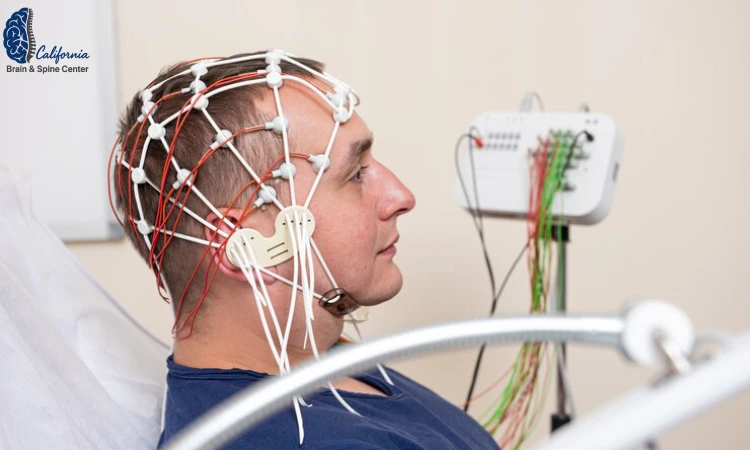
A high-quality Brain Injury Clinic Near Los Angeles does a lot more than a quick symptom checklist. Expect:
-
History that actually listens: onset, triggers, flares, sleep, mood, work/school demands.
-
Focused neuro exam: cranial nerves, balance, coordination, oculomotor function.
-
Cognitive screening: attention, processing speed, learning/recall short, targeted, repeatable.
-
Vestibular/visual load assessment: does scrolling, reading, or busy stores tank your thinking?
-
Autonomic snapshot: heart rate trends, standing tolerance, hydration patterns.
-
Parameter-based plan: what to do this week, next week, and how we’ll measure it.
This is the foundation that separates a true Brain Injury Clinic Near Los Angeles from a generic rehab stop.
What truly sets top centers apart (beyond nice equipment)
1) A clear, staged roadmap
The best programs don’t throw everything at you on day one. They use a staged approach because a calm, well-sleeping brain learns faster. You’ll see why this order matters as your symptoms settle.
2) Vestibular + visual integration
Many post-injury complaints are actually a sensory traffic problem: your balance and visual systems over-tax attention. A leading Brain Injury Clinic Near Los Angeles tackles gaze stabilization, visual motion sensitivity, and balance together freeing brainpower for memory and focus.
3) Autonomic regulation
If standing, lights, or minor exertion spike your heart rate, thinking suffers. Top clinics restore “nervous system calm” with breathwork protocols, pacing, hydration strategies, and gentle graded cardio you can actually stick with.
4) Cognitive retraining that transfers to real life
It isn’t about random games. It’s targeted drills spaced recall, name-face practice, dual-task walking, sequencing matched to your current capacity. You’ll practice just enough challenge to grow without crashing.
5) Pacing to eliminate boom-and-bust
Smart activity budgets prevent the cycle of “one good day, two bad ones.” You’ll learn how to increase load by 5–10% per week when stable slow enough to be safe, fast enough to be motivating.
6) Outcomes you can track
You deserve more than “I guess I’m better.” Top centers chart clarity scores, symptom severity, tolerated activity minutes, balance metrics, and return-to-work/school milestones so progress is visible.
What your first month should look like (a realistic timeline)

Week 1: Sleep repair, breathwork (4-in/6-out) twice daily, gentle walking, screen hygiene (larger fonts, higher contrast, frequent gaze breaks), simple cognitive sprints (15–20 minutes).
Week 2: Graded cardio most days, dual-task walks (name categories while strolling), begin basic vestibular/visual drills if motion or busy visuals trigger symptoms.
Week 3: Add targeted cognitive practice (spaced recall, name-face pairing), calibrate hydration and meal timing, tighten pacing so you stop before symptoms flare.
Week 4: Increase load 5–10% if stable; track clarity (0–10), sleep quality, and activity minutes nightly. Review data and refine the plan.
A top Brain Injury Clinic Near Los Angeles keeps you on this track adjusting as needed so the steps feel doable.
Choose the Right Neurology Clinic Calabasas — Use this to vet clinics: credentials, hospital ties, communication style, and how they explain next steps for common scenarios.
Red flags: when to seek care this week
-
Sudden confusion or a new, severe headache
-
Weakness, numbness, speech, or vision changes
-
Getting lost, unsafe driving, or repeated falls
-
New cognitive changes after a head injury even if “mild”
These signs don’t mean panic, but they do mean “get seen promptly.”
How to compare clinics with confidence (use this checklist)

When you call a Brain Injury Clinic Near Los Angeles, ask:
-
Do you provide a staged recovery plan (not just “do everything”)?
-
How do you address sleep, autonomic tone, vestibular/visual load, and cognition in that order?
-
What objective measures will we track?
-
How will you coach pacing so I avoid the boom-and-bust cycle?
-
Do you offer return-to-learn/work guidance and gradual exposure plans?
-
How often will you retest and refine the program?
The answers will tell you immediately whether a clinic has the depth you need.
Daily habits that accelerate recovery (no perfection required)
-
One wake time daily; dim lights/screens 60–90 minutes before bed
-
Morning light + 10–15 minutes walking within two hours of waking
-
Breathing practice 5 minutes, twice daily (inhale 4s, exhale 6s)
-
Hydration front-loaded earlier in the day; steady meals with protein and color
-
Focus sprints (20 minutes work, 5 minutes recovery) and spaced recall of new info
-
Single capture system: one calendar + one task list (reduce app-hopping)
-
Short exposures to busy visuals or motion, increased gradually if tolerated
These simple rails help any Brain Injury Clinic Near Los Angeles program work faster because your brain arrives to therapy ready to learn.
Who benefits from a specialized Brain Injury Clinic Near Los Angeles?
-
Adults or teens with persistent fog, headaches, dizziness, or screen intolerance after concussion
-
Post-viral or post-illness brain fog with motion/light sensitivity
-
Professionals whose work demands attention and speed (pilots, healthcare, tech, legal)
-
Athletes or active adults wanting a safe, staged return to training
-
Individuals who improved partially but hit a plateau
If you recognize yourself here, you’re exactly who specialized protocols were built for.
Frequently overlooked factors that stall progress
-
Unrecognized sleep disruption (snoring, unrefreshed sleep) dulls every daytime intervention.
-
Inconsistent pacing: pushing hard on “good days” and crashing after.
-
Overexposure to fast visual flow (doom-scrolling, quick video cuts).
-
Dehydration and late caffeine, which fragment sleep and worsen next-day fog.
-
Medications with sedating or anticholinergic effects.
A skilled Brain Injury Clinic Near Los Angeles screens for these quickly and fixes the bottlenecks.
The local advantage: Brain Injury Clinic Near Los Angeles with community roots
Los Angeles is unique commutes, screens, fluorescent gyms, crowded stores all of which challenge a healing nervous system. A locally tuned program understands these environmental loads and builds real-world exposures (groceries, freeway on-ramps, open-office noise) into your progression plan.
A gentle next step
You don’t have to figure this out alone. Our neurology-led team will identify your dominant drivers sleep, autonomic tone, vestibular/visual load, cognition and design a step-by-step plan that fits your life. Start here: California Brain & Spine Center.
If motion, busy visuals, or bright stores trigger symptoms, read Vestibular Dysfunction to see how stabilizing the balance system frees attention and speeds recovery. Our experts will solve your problem with a focused, results-driven program.
Summary
Finding the right Brain Injury Clinic Near Los Angeles is about more than a name it’s about process. Top centers offer a neurology-led evaluation, staged recovery (sleep → autonomics → vestibular/visual → cognition → graded activity), measurable outcomes, and real coaching for pacing and return-to-life goals. With small, consistent steps and a plan that respects your nervous system, momentum returns. Your brain isn’t stuck it’s recalibrating, and the right team will help it along.
Frequently Asked Questions
- Do I need imaging for a concussion?
Not always. Many concussions don’t show on routine scans. What matters most is symptom-guided care and tracking functional gains over time. - How long does recovery take?
Timelines vary. Many people improve in weeks with a staged plan; others need a few months. The key is consistency and gradual progression, not heroic bursts. - Why do screens and stores exhaust me?
Fast visual flow and complex motion can overload the vestibular and visual systems. Targeted gaze-stabilization, spaced exposure, and screen hygiene reduce this drain. - Can I exercise during recovery?
Yes, graded cardio often improves clarity when introduced carefully. Start low, go slow, and increase by 5–10% weekly if symptoms remain stable. - What should I track at home?
Three numbers nightly: clarity (0–10), total activity minutes, and sleep quality. Trends over weeks matter more than any single day. - What’s the difference between “brain fog” and memory loss?
Fog is usually an attention/processing speed issue; memory feels worse because encoding is weak. As attention steadies, recall typically improves. - How do I know a clinic is high quality?
Ask about staged recovery, outcome measures, vestibular/visual integration, autonomic regulation, cognitive retraining, and pacing. A strong Brain Injury Clinic Near Los Angeles will answer clearly and specifically.
👨⚕️ Alireza Chizari, MSc, DC, DACNB
🧠 Clinical Focus
🔬 Assessment & Treatment Approach
Objective testing may include:
Treatment programs may involve:
📍 Clinic Information
✅ Medical Review
⚠️ Disclaimer