
Brain Fog Clinic Near Westlake Village: Is Our Calabasas Evaluation Right for You?
Where the clinic actually is, who may benefit from an assessment, what the visit involves, and when you should see a medical doctor first.
If you are looking for a brain fog clinic near Westlake Village, California Brain & Spine Center offers neurological and cognitive evaluation at its office in Calabasas, California. It is not located in Westlake Village. The first step is to discuss your symptoms and decide whether a comprehensive assessment is appropriate, or whether another medical evaluation should come first.
I am Dr. Alireza Chizari, DC, DACNB. I work with people whose thinking has become slower or less reliable, often alongside dizziness, visual discomfort, or symptoms following a concussion. You may still be getting through meetings and family responsibilities while spending twice the effort to do what used to feel simple. Those details matter more than a generic promise to clear your brain fog.
Brain fog is a description of difficulty with concentration, memory, mental clarity, or processing speed, not a medical diagnosis by itself. An evaluation should seek possible contributors rather than assume that every patient has the same neurological problem.
The short answer
For persistent brain fog near Westlake Village, begin with a medical review of possible causes. If symptoms remain unexplained and involve cognition, dizziness, visual strain, or postconcussion difficulties, our Calabasas clinic may be an appropriate place for further functional neurological assessment. Testing can guide care, but it cannot replace medical diagnosis or guarantee recovery.
Who is a good fit for a brain fog evaluation near Westlake Village?
The best reason to arrange a visit is not that you have occasionally forgotten a name. It is that your concentration or mental stamina has changed noticeably, continues to interfere with daily life, and deserves an explanation. You may be rereading emails, losing words halfway through a conversation, or becoming unusually exhausted by screens and crowded environments.
Some people notice symptoms after a head injury. Others describe a gradual change after illness, poor sleep, or a period of sustained stress. Some have dizziness when they turn their head or lightheadedness when they stand. These patterns can suggest different next steps, and no single symptom proves that a particular therapy will help.
A focused evaluation at California Brain & Spine Center may be worth discussing when:
- Thinking has become less dependable. Attention, reading, word retrieval, or mental endurance is interfering with work or home activities.
- Other neurological symptoms accompany the fog. Dizziness, visual motion sensitivity, balance complaints, or persistent postconcussion symptoms may warrant targeted examination.
- Previous medical tests have not explained everything. Your medical team has addressed appropriate causes, yet functional difficulties remain.
- You want a plan based on findings. You prefer to understand what can be tested, what cannot, and why a particular rehabilitation approach is being considered.
This is not a substitute for primary care. New cognitive changes, medication effects, possible endocrine problems, progressive memory loss, and other medical questions should be evaluated by the appropriate physician. For the broader Calabasas treatment options rather than the local travel decision, see our brain fog evaluation and treatment service.
Normal results on one test can be reassuring without answering every question about what is making everyday thinking difficult.
What might be causing persistent brain fog, and when should medical testing come first?
I begin by asking what changed and when. A useful history considers sleep, current prescriptions, recent infection, head injury, mood, medical conditions, and the exact situations that bring on symptoms. It is a mistake to assume that brain fog automatically means inflammation, a damaged brain circuit, or a condition that can be diagnosed by eye tracking.
Could poor sleep, medications, or a medical condition explain it?
Yes. The National Heart, Lung, and Blood Institute explains that sleep deficiency can interfere with learning, focus, memory, reactions, and decisions. Someone may sleep for several hours and still have poor quality sleep because of an untreated sleep disorder. Snoring, daytime sleepiness, or waking unrefreshed may justify a sleep evaluation.
The National Institute on Aging also recommends reviewing medicines and health conditions that can affect cognition. Prescription or over the counter drugs, mood disorders, blood pressure or glucose problems, and other medical conditions deserve attention. When clinically indicated, a primary care clinician may consider tests for thyroid dysfunction, anemia, vitamin deficiencies, or related causes. Our office does not replace that workup.
Bring a medication and supplement list, including recent changes. Never stop a prescribed medication because an article suggests it could affect concentration. The prescribing clinician should review risks and alternatives.
What if the fog began after an illness or concussion?
The Centers for Disease Control and Prevention identifies trouble thinking or concentrating, sleep problems, fatigue, and dizziness among symptoms reported with Long COVID. These symptoms can fluctuate. A person who feels worse after physical or cognitive exertion may need different pacing from someone with straightforward fatigue, so activity should not automatically be increased.
After a concussion, headaches, disrupted sleep, visual discomfort, and changes in attention may overlap. A medical evaluation is especially important when symptoms are new, worsening, or the injury has not been assessed. Our article about brain fog after illness or injury discusses general recovery questions in more depth; this page focuses on choosing and visiting a nearby provider.
Can dizziness or standing make concentration worse?
Sometimes the pattern of symptoms is a valuable clue. If busy stores, moving images, or turning the head provoke disorientation, the clinician may examine eye movements and vestibular function. If fog increases after standing and comes with a racing heart or lightheadedness, orthostatic symptoms should be discussed with a medical provider. These symptoms alone do not establish POTS or another autonomic diagnosis.
For readers who already have that diagnosis, our separate guide to POTS brain fog and cognitive symptoms explores that specific situation. It should not be used to label every episode of fatigue or lightheadedness as dysautonomia.

What happens at the first visit to our Calabasas clinic?
Our public clinic information describes two different steps. A complimentary consultation is an initial conversation about your concerns and whether the practice may be a good fit. If a detailed evaluation is indicated, the clinic describes a 120 minute neurodiagnostic assessment. The consultation and the comprehensive assessment should not be confused with each other.
During the assessment, the relevant questions are concrete. When did the fog start? Does it change with sleep, exercise, meals, standing, screens, or head movement? Have you had a concussion, a viral illness, or a medication change? How has it changed your ability to do actual tasks, rather than only how you feel during an appointment?
I also want to know what has already been ruled out. If your primary care doctor, neurologist, or another clinician has reviewed your symptoms, that information can prevent unnecessary repetition and reveal gaps. You should leave understanding which findings matter, which are uncertain, and whether rehabilitation, medical referral, or both are sensible.
What should you bring?
Bring a timeline of your symptoms, a list of medications and supplements, available laboratory or imaging reports, previous concussion or vestibular records, and two or three examples of activities that are difficult now. A family member who has noticed changes may also be helpful if you want them involved. You do not need to arrive knowing your diagnosis.
What can neurological testing reveal, and what can it not diagnose?
Testing should be selected to answer a clinical question. It may help describe difficulties with attention, processing, balance, visual tracking, or responses to positional change. It does not follow that a variation on one test proves a particular brain disease or reveals the single cause of every symptom.
The assessment used at California Brain & Spine Center may include cognitive tasks, eye movement examination, balance testing, coordination and reflex checks, and selected autonomic observations. Which of these are appropriate depends on the history and examination. Not everyone needs every test.
| What you notice | What might be reviewed | Important limitation |
|---|---|---|
| Losing track of a conversation or reading slowly | Attention, working memory, cognitive load, and symptom response | A brief task does not establish the cause or rule out a cognitive disorder. |
| Fog worsens around moving objects or screens | Eye movements, visual tracking, vestibular symptoms, and gaze stability | Eye tracking alone cannot diagnose the cause of brain fog. |
| Dizziness when walking or turning | Balance, gait, vestibular and neurological examination | Some dizziness requires medical or ear specialist evaluation. |
| Lightheadedness and fog after standing | Heart rate and blood pressure response, history, and orthostatic symptoms | Formal autonomic diagnosis may require additional physician directed testing. |
| Increasing forgetfulness or difficulty managing familiar tasks | Clinical history and screening, with medical referral when indicated | This is not a substitute for a dementia workup or formal neuropsychological testing. |
| Fog after head injury with headaches or visual sensitivity | Postinjury history, symptom triggers, and relevant functional domains | Urgent or worsening symptoms need appropriate medical assessment first. |
The National Institute on Aging guidance on cognitive assessment explains why screening may lead to further investigation for medical causes, rather than being treated as a final diagnosis. If memory loss is progressive or your daily independence is changing, tell your physician. The priority is getting the right workup, not fitting every symptom into our clinic's rehabilitation model.

What treatment might follow a brain fog evaluation?
No ethical clinician can recommend an effective brain fog treatment solely from the phrase you typed into Google. The next step follows the most credible explanation for your symptoms and considers medical findings, safety, your goals, and what you can tolerate. Some patients need a physician to address an underlying medical cause before neurological rehabilitation makes sense.
When cognitive rehabilitation is appropriate
If testing and history suggest that concentration, processing speed, or working memory are limiting daily function, a plan may involve carefully graded cognitive tasks, practical compensatory strategies, and pacing. Cognitive rehabilitation should have a clear functional goal, such as following a meeting, reading without frequent overload, or handling a normal workday more consistently.
A useful plan also looks at sleep and competing demands. Practicing one cognitive task in a quiet room is not the same as managing visual distractions, multitasking, or sustained decisions at work. Progress should therefore be reviewed against both task performance and meaningful daily activities.
When vestibular or visual symptoms need attention
Some patients describe mental fog when they move through busy environments or shift their eyes between a screen and the room. When examination findings support a vestibular contribution, vestibular rehabilitation may involve selected gaze stabilization, balance, and movement tolerance exercises. It is not automatically necessary for someone whose main problem is sleep deprivation or a medical illness.
Exercises must be chosen for the diagnosis and adjusted to response. A person with episodic positional vertigo, persistent postconcussion symptoms, or postviral exertion intolerance may need very different advice. More intensity is not inherently better, especially if exertion predictably worsens symptoms for a prolonged period.
What about neuroplasticity and sensory integration?
Neuroplasticity refers to the nervous system's capacity to change through experience and practice. In rehabilitation, that can mean repeating relevant tasks at a tolerable level and reassessing whether function changes. It should not be marketed as proof that a particular device or exercise can reverse every cause of brain fog.
When visual motion or multisensory environments are a prominent trigger, selected sensory and oculomotor exercises may be considered after examination. The clinician should explain what finding supports the recommendation and what outcome will be measured. If no meaningful benefit appears, it is reasonable to revisit the diagnosis and plan.
Do HBOT, PEMF, LLLT, or GammaCore treat brain fog?
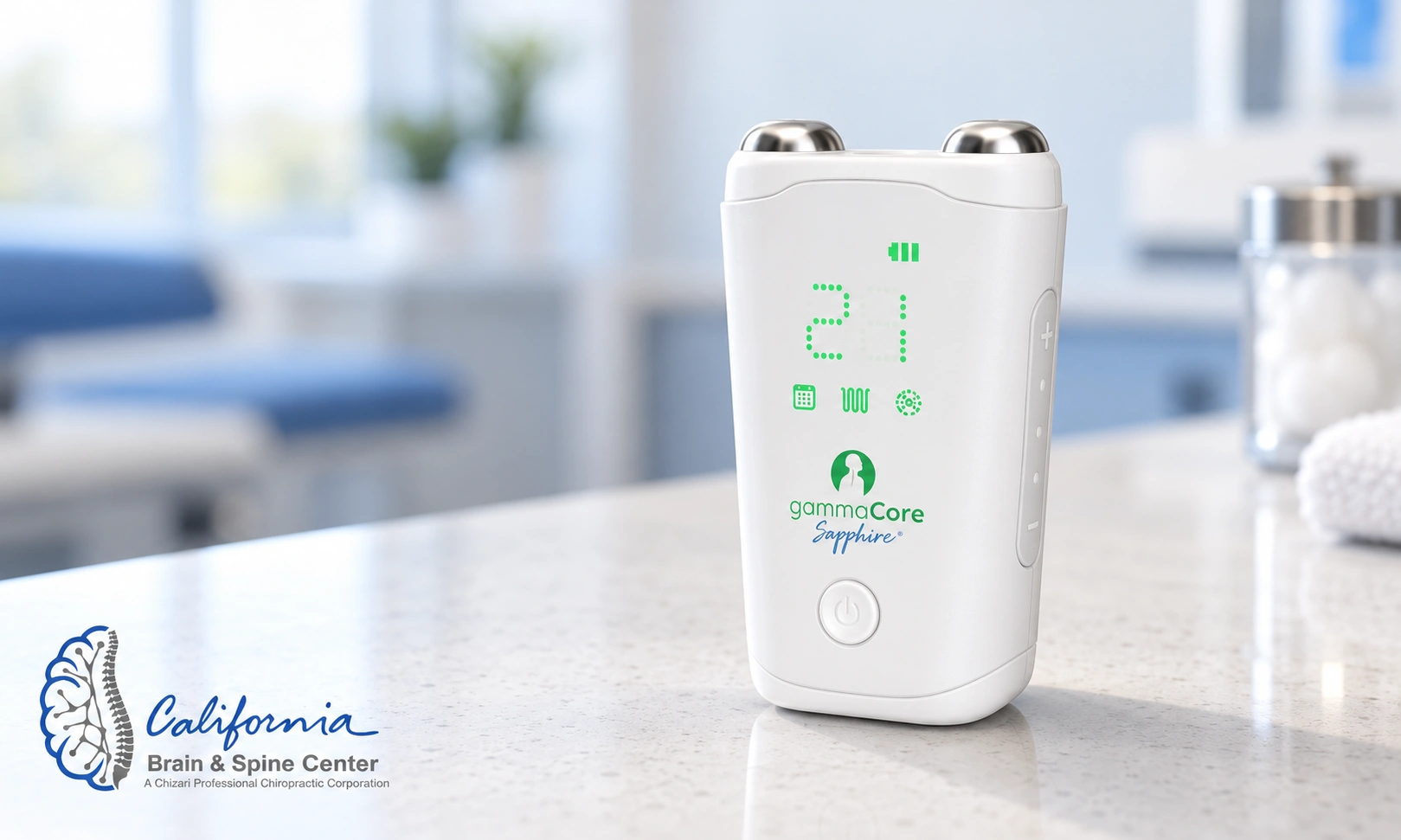
These are technologies offered within the clinic's broader services, but they should not be presented as established, interchangeable treatments for nonspecific brain fog. Their evidence, regulatory indications, risks, and suitability differ. In particular, a service being available does not establish that it is medically indicated for your symptoms.
Hyperbaric oxygen therapy, pulsed electromagnetic field treatment, low level light therapy, and noninvasive vagus nerve stimulation should never displace investigation of reversible medical causes or appropriate rehabilitation. If any adjunct is proposed, ask what condition it is being used for, what evidence supports that use, what alternatives exist, what the costs are, and how benefit or adverse effects will be monitored.
The most useful treatment plan explains why an intervention fits your findings, not how many technologies a clinic owns.
How can you make daily life more manageable while you seek answers?
Simple adjustments may reduce avoidable strain while you arrange medical review. They are not a cure and do not replace evaluation, but they can make your current pattern easier to describe. Start with the specific activities that reliably worsen symptoms rather than changing every habit at once.
For desk work, consider a short period of focused work followed by a planned break, and compare that with your usual routine. Silence unnecessary notifications when you need sustained attention. Keep a written list of priority tasks and record whether fatigue develops after a predictable amount of time or after particular visual or physical demands.
Sleep deserves its own attention. Set a realistic and consistent sleep schedule, and tell your physician if snoring, frequent waking, or persistent daytime sleepiness is present. If symptoms started after a medication change, record the timing and contact the prescriber rather than adjusting treatment yourself.
Hydration, regular meals, and gentle movement are reasonable general self care measures for many adults. They are not universally appropriate treatments for POTS, heart disease, or other medical conditions. If activity causes marked delayed worsening after illness, discuss pacing with your medical team before attempting a progressive exercise program.
For readers mainly wondering about recovery time rather than local access, the separate article on how long brain fog can last explains why the expected course depends on the cause. It also clarifies when waiting without further assessment may no longer be sensible.
Where is the clinic, and what should Westlake Village patients plan for?
California Brain & Spine Center is located at 4768 Park Granada, Suite 107, Calabasas, CA 91302. It is a Calabasas practice that can be an option for people living in Westlake Village, rather than a clinic with a Westlake Village office. That distinction matters when choosing a nearby provider and planning travel.
The clinic's published hours are Monday through Friday, 10 a.m. to 6 p.m., with weekends closed. Confirm hours and your appointment details before traveling. You can ask the office about parking, step free access, accompanying family members, and any accommodations for light or motion sensitivity. Those details should be confirmed directly rather than assumed.
If driving or visual motion makes symptoms worse, plan your visit with that in mind. Consider having someone else drive when you do not feel safe behind the wheel, and tell the office what triggers your symptoms. The goal is to arrive able to participate in an examination, not already exhausted by the trip.
Westlake Village residents weighing several providers should compare scope as well as proximity. Ask whether a practice offers medical diagnosis, neurological testing, rehabilitation, formal neuropsychological assessment, or some combination. California Brain & Spine Center provides chiropractic neurological evaluation and rehabilitation, and it coordinates referral when needs fall outside that scope. Our broader site describes the approach at California Brain & Spine Center in Calabasas.
How much does an evaluation cost, and do you need a referral?
The clinic states that no referral is needed to book a complimentary consultation. It also states that care is self pay and that it does not bill insurance directly. A superbill can be provided upon request for possible out of network reimbursement, but reimbursement is controlled by your plan and is not guaranteed.
The complimentary consultation is not the same as the 120 minute neurodiagnostic assessment. Before committing to that assessment, ask for the current evaluation fee, what it includes, whether follow up appointments are charged separately, and whether any proposed rehabilitation or technology involves additional fees. No precise fee is quoted here because a current verified amount was not available.
You may also want to ask whether existing medical records can be reviewed in advance and whether a physician referral is advised for your particular symptoms even though one is not required for booking. The right answer depends on your situation, not on a generic booking policy.
Questions worth asking before booking
What exactly happens during the comprehensive assessment? Which tests might be relevant to my symptoms? Will I need additional medical evaluation first? What will I pay for the assessment and any recommended follow up? Can the office provide a superbill, and who should review my existing records?
When is brain fog a reason to seek urgent medical care instead?
Do not wait for an outpatient clinic appointment
Call 911 immediately for sudden confusion, new trouble speaking or understanding speech, new weakness or numbness on one side, sudden vision loss, severe sudden headache, or abrupt loss of balance. The CDC's stroke warning signs specifically identify these as possible emergencies. Symptoms that improve quickly may still require emergency assessment.
After a head injury, worsening confusion, repeated vomiting, a seizure, inability to wake normally, or rapidly worsening headache also requires emergency care. Do not drive yourself when you may be having a neurological emergency.
Not all concerning changes happen suddenly. Getting lost on familiar routes, making unsafe decisions, an increasingly noticeable loss of independence, or progressive memory problems warrants a prompt medical appointment, often starting with primary care or a medical neurologist. As the National Institute on Aging explains, serious memory problems that interfere with daily life deserve assessment, rather than being dismissed as routine forgetfulness.
What might a thoughtful evaluation change in a real life situation?
Illustrative scenario, not a documented patient testimonial: Imagine a Westlake Village professional who has felt mentally slower for several months after a mild head injury. Their MRI was reported as normal. They are still working, but reading a screen, grocery shopping, and walking through a crowded room leave them fatigued. They are told the tests look normal, yet their daily functioning still feels different.
A sensible next step would begin with a medical review of the injury, sleep, medication use, and any other relevant conditions. If an evaluation then identified reproducible problems with visual motion tolerance, balance, or cognitive endurance, rehabilitation might address those measured limitations. A plan could include selected cognitive tasks, vestibular exercises, pacing, and regular reassessment, rather than a package of devices offered to everyone.
Improvement, if it occurs, might first mean handling a short meeting with less fatigue or tolerating a brief shopping trip more comfortably. Some difficult days could remain. Other patients may not respond or may need further medical investigation. This example illustrates clinical decision making only; it is not evidence that a particular patient received these treatments or achieved these results.
The point is to connect an assessment to everyday goals and to retain the freedom to change direction when the findings do not support the initial theory. That is more useful than a dramatic recovery story that cannot be independently substantiated.
Frequently asked questions about brain fog care near Westlake Village
Is California Brain & Spine Center located in Westlake Village?
No. The clinic is in Calabasas at 4768 Park Granada, Suite 107, Calabasas, CA 91302. It serves people who may choose to travel from Westlake Village. If you need parking, accessibility, or travel accommodations, confirm those details with the office before your appointment.
What records should I bring for a brain fog evaluation?
Bring available imaging and laboratory reports, a medication and supplement list, notes about previous injuries or infections, and a symptom timeline. It also helps to write down how your concentration changes during specific daily activities. These details can guide the examination and identify when referral for medical testing comes first.
Is this a dementia clinic or formal neuropsychological testing service?
No. Functional neurological and cognitive screening can describe selected aspects of performance, but it does not replace a medical evaluation for dementia or a comprehensive neuropsychological assessment. Progressive memory decline, disorientation, or loss of daily independence should be discussed with a physician who can arrange the appropriate diagnostic workup.
Do I need a referral or insurance approval to book?
The clinic says you can book a complimentary consultation without a referral. It is a self pay practice and does not bill insurance directly. Ask about assessment fees before booking. Upon request, the office can provide a superbill for possible out of network reimbursement, which depends on your plan.
Will a brain fog evaluation tell me exactly what is causing my symptoms?
Not necessarily. An evaluation may identify functional difficulties, useful symptom patterns, and reasonable next steps. It cannot diagnose every medical condition associated with brain fog, and normal or abnormal findings are not a guarantee of treatment success. Sometimes the most valuable outcome is knowing which specialist or medical test is needed next.
How long will it take before my brain fog improves?
There is no reliable universal timeline. The answer depends on the cause, severity, other health conditions, and response to an appropriate plan. A clinician should explain what can be measured and when reassessment makes sense. Be cautious of any clinic promising a fixed number of sessions or guaranteed mental clarity.
What is the next step if you live near Westlake Village?
If persistent brain fog is disrupting your day, the first priority is making sure appropriate medical causes have been considered. If a neurological rehabilitation assessment appears relevant, our Calabasas office can discuss whether its services fit your situation. You deserve a clear explanation of the evaluation, its limits, and any costs before you decide.
California Brain & Spine Center | (818) 649-5300 | Calabasas, CA 91302
Talk with us about persistent brain fog before deciding on care
If you are coming from Westlake Village, ask whether a Calabasas neurological evaluation fits your symptoms, what records to bring, and what the next step would involve. We will not assume a treatment before reviewing your situation.