brain and spine center of Southern California
When your brain, spine, or nerves are involved, every decision feels big. As a neurology specialist, I’ve sat beside hundreds of people who arrive worried about pain, memory, balance, headaches, numbness, dizziness, or simply a sense that “something isn’t right.” This guide is written for you, in plain language, to help you understand what actually distinguishes the Best brain and spine center of southern california from the rest, and how to feel confident about your next step.
What “best” really means (and what it should mean to you)
Marketing words are easy. What matters is how consistently a center helps real people get accurate diagnoses, clear plans, and steady follow-through. In my experience, the Best brain and spine center of southern california demonstrates these pillars every single day:
-
Time and listening. Your story guides the diagnosis far more than any test.
-
Examination skill. Neurological exams are subtle; experienced hands find patterns others miss.
-
Diagnostic precision. Imaging and neurophysiologic studies are used judiciously, not reflexively.
-
Non-surgical first mindset. Many conditions improve with thoughtful, stepwise care without invasive approaches.
-
Team coordination. Neurology, physical medicine, pain science, rehabilitation, and mental health collaborate rather than compete.
-
Education you can act on. You leave each visit knowing what is happening and why the plan makes sense.
-
Continuity. You’re not left to “figure it out.” Follow-ups are proactive and measured.
If a center can’t show you how they’ll do these seven things for you, keep looking.
A compassionate, step-by-step patient journey

The Best brain and spine center of southern california makes your path predictable and reassuring:
-
Thoughtful intake: You share your symptoms, time course, and goals without being rushed.
-
Focused neurological exam: Strength, reflexes, sensation, coordination, gait, eye movements tiny details add up to a big-picture map.
-
Right-sized testing: Tests are chosen to answer a question, not to “check a box.”
-
A clear plan: Lifestyle adjustments, targeted therapies, and measurable checkpoints.
-
Follow-through: You’ll know when to expect change, when to escalate, and what success looks like.
How top centers get diagnoses right the first time
A correct diagnosis often feels like a weight off your shoulders. Here’s how leading clinics get there:
-
Pattern recognition grounded in evidence. Headache subtypes, movement patterns, neuropathy distributions, spine-related pain referral zones each has a typical fingerprint.
-
Context matters. Sleep quality, mood, prior injuries, metabolic health, medications, and even posture influence the nervous system.
-
Clarity before complexity. The best clinicians rule out common, consequential causes first.
-
Data with purpose. Imaging or nerve testing should change management. If it won’t, it may not be needed yet.
This disciplined approach is a hallmark of the Best brain and spine center of southern california one that values your time, your budget, and your peace of mind.
Patients searching for the “best” brain and spine center are usually not just looking for equipment or credentials. They want a team that understands the day to day reality of symptoms like noise sensitivity, anxiety in busy environments, and difficulty functioning in normal life. If you find that loud sounds or crowded places leave you exhausted or on edge, our article on noise sensitivity and anxiety explains why this is a neurological issue, not a personal failure, and how specialized rehab can help.
Non-surgical care that respects the way the nervous system heals
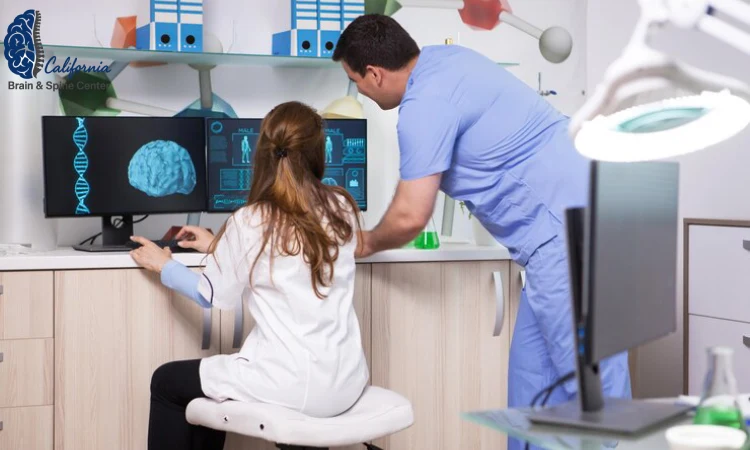
You asked for practical, encouraging guidance, so here are principles I share with patients every day:
-
Gentle, graded progress beats heroic bursts. The brain and spine favor consistency over intensity.
-
Movement is medicine. Thoughtfully guided mobility and strengthening protect nerves and support recovery.
-
Sleep is strategy. Deep, regular sleep helps pain pathways calm and memory consolidate.
-
Targeted therapies > generic rest. Doing nothing rarely works; doing the right small things often does.
-
Mind–body alignment. Stress and pain amplify each other; calming one helps the other.
Centers that embody these ideas earn the trust that makes them the Best brain and spine center of southern california for many families.
What teamwork looks like when it actually helps you
Multidisciplinary care isn’t a buzzword it’s a rhythm. The strongest centers:
-
Co-plan your care. Neurology coordinates with rehabilitation and other specialties so you don’t have to be the go-between.
-
Share one story of you. Everyone knows your goals and milestones, not just your test results.
-
Measure outcomes you feel. Less pain, better function, steadier mood, clearer thinking your daily life is the scorecard.
When a clinic does this well, you feel it: fewer mixed messages, faster course corrections, and more progress.
A practical checklist you can bring to any appointment
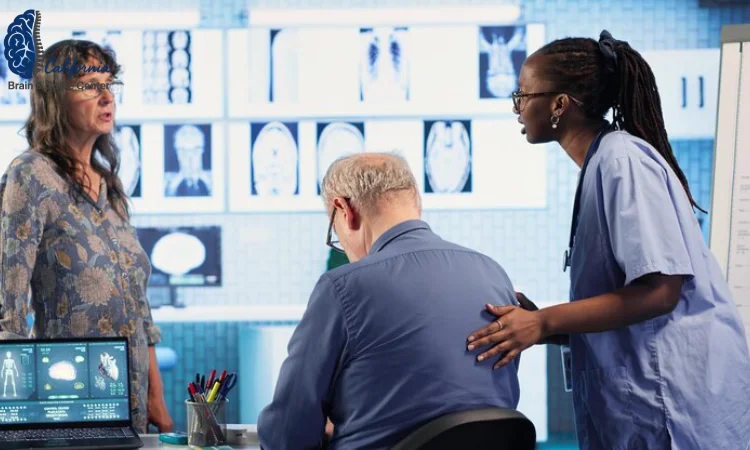
Use this to evaluate any clinic (including us):
-
Do they listen for at least 10–15 minutes before recommending testing?
-
Can they explain your exam findings in everyday words?
-
Will a proposed test change the plan or is it just “routine”?
-
Is the initial plan non-surgical and stepwise, with clear milestones?
-
Do they book follow-ups deliberately (not “as needed” only)?
-
Are you given written guidance you can follow at home?
-
Do you leave feeling calmer and more in control?
If the answers are “yes,” you’re likely near the Best brain and spine center of southern california benchmark.
Why Southern California adds unique demands and how the best centers adapt
Traffic, work hours, and family schedules are real barriers. Leading clinics respond with:
-
Flexible scheduling and punctual visits so you can plan around life.
-
Clear remote communication for check-ins that don’t require a drive.
-
Education guides you can review anytime.
-
Active care navigation that ensures referrals (when needed) are coordinated, not chaotic.
This is how a center truly earns your trust and the title many patients give it: the Best brain and spine center of southern california for their family.
Red flags: when to pause and reconsider
-
You feel rushed or dismissed.
-
Tests are ordered without a clear question.
-
The plan jumps from “hello” to complex interventions with no conservative phase.
-
You don’t know what success will look like or when to expect it.
You deserve better.
How California Brain & Spine Center aligns with these standards
At California Brain & Spine Center, we work every day to embody the qualities people expect when they search for the Best brain and spine center of southern california:
-
Compassion first. We begin with your story, not with a form.
-
Exam-driven clarity. Small findings, thoughtfully connected, often unlock the diagnosis.
-
Right-sized testing. We order studies when they help you, not out of habit.
-
Non-surgical first approach. Stepwise, evidence-based care that respects how the nervous system heals.
-
Relentless follow-through. You’ll know your next step, every step.
Realistic hope: progress you can feel
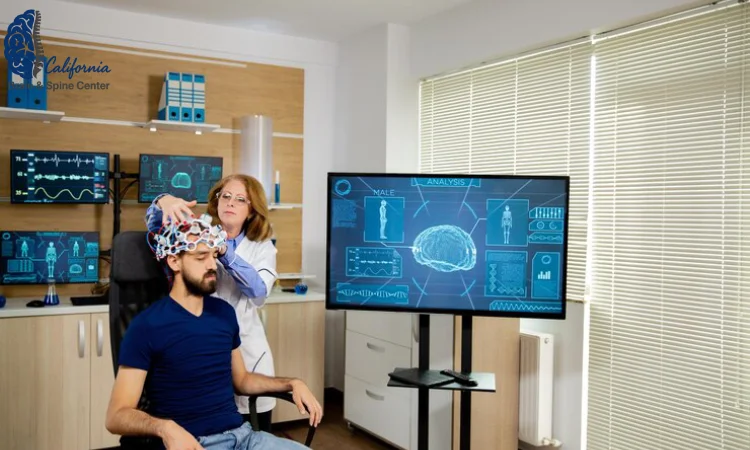
Hope isn’t wishful thinking; it’s a plan you believe in. The Best brain and spine center of southern california earns your hope by:
-
Explaining the “why.” Knowing why a plan should work helps you stay with it.
-
Tracking milestones. Sleep, mobility, concentration, energy, and comfort levels are measured over time.
-
Adjusting quickly. If something isn’t helping, we pivot with purpose.
This is how steady, meaningful improvement happens.
The phrase you’ll hear from us: “We’ve got you.”
Living with neurologic or spine symptoms can feel isolating. You should never have to navigate it alone. The Best brain and spine center of southern california will tell you and show you that you’re not alone, that your concerns are valid, and that there is a path forward.
At our center, being “the best” means offering precise diagnostics and advanced non invasive neurology therapy while treating every patient with respect and empathy. From neuromodulation to sensory integration and vestibular rehab, we design individualized programs that target your unique neurological challenges in a way that is both effective and as gentle as possible on your nervous system.
start your next step with us
If you’re ready for care that listens first and plans with you, our team at California Brain & Spine Center is here to help. Our experts will solve your problem for you beginning with a clear diagnosis and a practical plan tailored to your life.
👉 Start with a comprehensive evaluation today: California Brain & Spine Center
(You can also explore our on-site patient education articles and resources to understand your condition and options, then schedule directly when you feel ready everything is at the same link above.)
Summary
Choosing the Best brain and spine center of southern california isn’t about flashy claims it’s about listening, exam skill, purposeful testing, non-surgical first care, and coordinated follow-through. The best centers help you understand your condition, set realistic milestones, and move forward with confidence. At California Brain & Spine Center, that’s the standard we hold ourselves to every day so you can feel heard, understood, and steadily better.
Frequently Asked Questions
1) How do I know if I need to see a brain and spine specialist?
If you’re experiencing persistent headaches, neck or back pain that affects function, numbness or tingling, weakness, balance changes, memory or concentration concerns, or new dizziness, a specialist evaluation is reasonable. Early clarity often prevents months of frustration.
2) What should I bring to my first visit?
Bring a list of symptoms (with timelines), medications and supplements, prior imaging or lab reports (if available), and your top three goals for care. This helps us focus the evaluation and reduces duplicate testing.
3) Will I need imaging right away?
Not always. The best centers order studies to answer specific questions that arise from your history and exam. Many conditions can be managed initially without immediate imaging; if a study will change the plan, we discuss the options and timing with you.
4) I’ve tried “rest” and it didn’t help what now?
Passive rest rarely resolves neurological or spine issues. A tailored, stepwise plan often including targeted activity, sleep optimization, and other conservative strategies usually works better. Expect small, steady gains rather than overnight change.
5) How fast will I feel better?
Improvement timelines vary. We’ll outline realistic checkpoints so you know when to expect change and when to adjust the plan. The right approach favors consistency over intensity.
6) Can I get guidance between visits?
Yes. Strong centers provide clear written instructions and responsive communication so you always know your next step. You shouldn’t have to navigate alone.
7) What makes California Brain & Spine Center a strong choice?
Listening, exam-driven diagnosis, right-sized testing, non-surgical first care, and consistent follow-through these are the qualities patients seek when they look for the Best brain and spine center of southern california, and they’re the standards we practice every day. When you’re ready, start here: California Brain & Spine Center
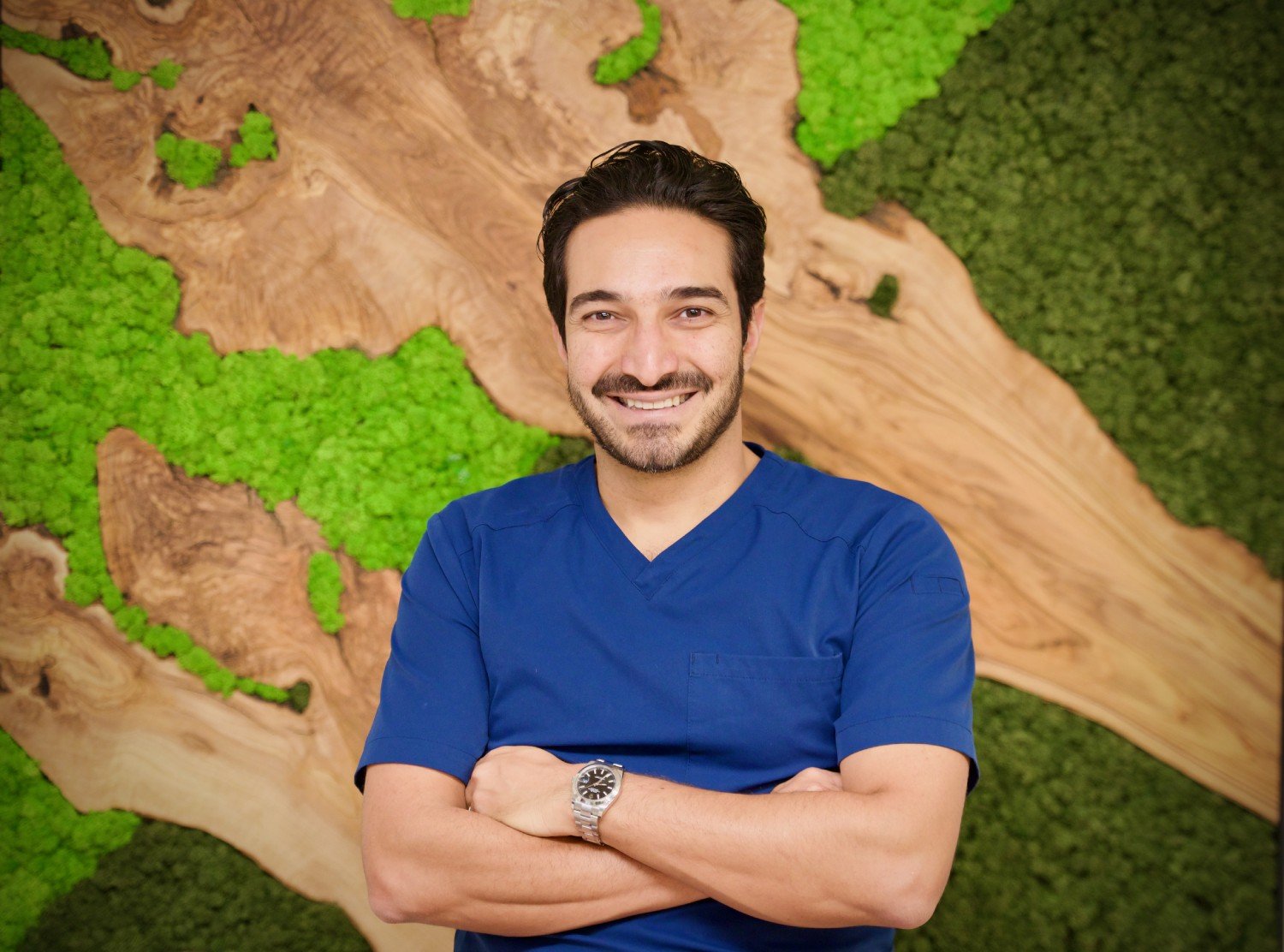
👨⚕️ Alireza Chizari, MSc, DC, DACNB
🧠 Clinical Focus
🔬 Assessment & Treatment Approach
Objective testing may include:
Treatment programs may involve:
📍 Clinic Information
✅ Medical Review
⚠️ Disclaimer