
If you are living with sharp, electric facial pain that strikes without warning, you may feel like your life is being controlled by the next flare up. Many people describe it as lightning in the cheek, jaw, or around the eye. Eating, brushing your teeth, talking, or even a light breeze can suddenly trigger severe pain, and that unpredictability is exhausting.
I, Dr. Alireza Chizari, DC, DACNB, wrote this page for you, because you deserve clear answers and a real plan. When patients search for trigeminal neuralgia treatment Calabasas, they are usually not looking for generic information. They are looking for a clinician who will take their pain seriously, identify what is driving it, and guide them through safe, evidence informed options.
This article explains trigeminal neuralgia facial pain triggers, what can mimic it, what red flags require urgent medical attention, and how we evaluate complex neurological cases at California Brain & Spine Center in Calabasas, California. If you want to understand your options and take confident next steps, you will know exactly how to use our services to get help.
What trigeminal neuralgia is and why it can feel like electric shock pain?
Trigeminal neuralgia is a nerve pain condition involving the trigeminal nerve, which carries sensation from the face to the brain. When this nerve becomes irritated, compressed, or dysregulated, it can fire pain signals that feel sudden, stabbing, or shock like. The pain is often brief, but extremely intense. It can occur in bursts, and it can repeat multiple times a day.
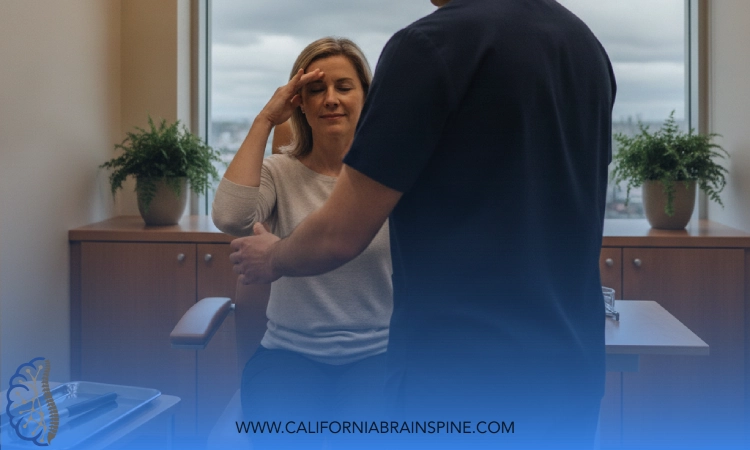
Some patients feel pain in the cheek and jaw, others around the upper teeth, the nose, the eye, or the forehead. This distribution can make people worry about dental issues at first. In my experience, it is common for someone to go through dental evaluations before the nerve pattern becomes clearer.
When you are searching for trigeminal neuralgia treatment Calabasas, the most important early step is accurate classification. There are different forms of trigeminal neuralgia, and there are conditions that look similar. A correct diagnosis helps you avoid unnecessary procedures and move faster toward real relief.
Facial pain triggers that commonly flare trigeminal neuralgia
Trigeminal neuralgia has classic trigger patterns, and recognizing them can help confirm the diagnosis and guide care. A trigger does not mean you are causing the pain. It means the nerve is in a sensitive state and reacts strongly to normal stimulation.
Common trigeminal neuralgia triggers include gentle touch to the face, washing, shaving, brushing teeth, chewing, speaking, smiling, and cold air. Some people also notice pain with pressure on a specific area called a trigger zone. Others feel flares when stress is high, sleep is poor, or the nervous system is generally overwhelmed.
Here is what I want you to know: trigeminal neuralgia is not “just in your head.” It is a real neurological condition, and the triggers are real patterns we can evaluate.
Your pain is not a personality trait. It is a signal, and signals can be understood.

Conditions that can mimic trigeminal neuralgia and confuse the next step
Dental pain, TMJ issues, and sinus problems
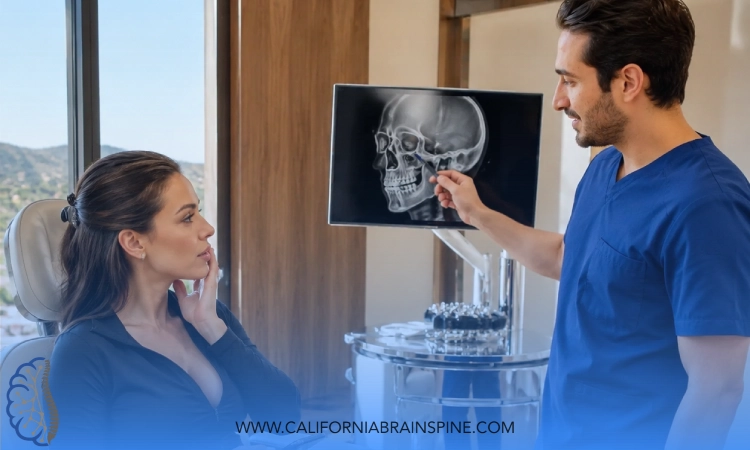
Tooth pain, temporomandibular joint disorders, and sinus inflammation can all produce facial discomfort. The difference is that trigeminal neuralgia is often shock like and triggered by light stimulation rather than deep pressure alone. That said, overlap can exist, and that is why a careful evaluation matters.
Post herpetic neuralgia and shingles history
If you have had shingles on the face, nerve pain can linger after the rash resolves. That pain pattern tends to be more constant burning or aching, but it can still have spikes.
Cluster headaches and migraine variants
Certain headache disorders can cause severe facial pain around the eye and temple. These often come with additional symptoms such as tearing, nasal congestion, or light sensitivity.
Facial numbness or weakness changes the urgency
If facial numbness, new weakness, difficulty speaking, vision changes, or balance changes are present, that is not a situation to ignore. It may require urgent medical evaluation.
Red flags that should lead to urgent medical care
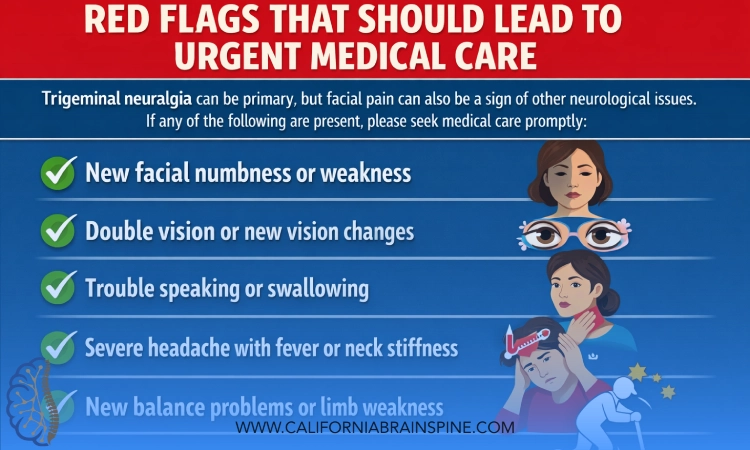
Safety comes first. If you suspect a serious neurological event, emergency evaluation is appropriate.
The bravest step is not pushing through pain. It is choosing clarity and safety.
How I approach trigeminal neuralgia treatment Calabasas at our clinic?
When a patient comes to me for trigeminal neuralgia treatment Calabasas, the first goal is understanding what is driving the nerve irritation. My background in Electrical Engineering shapes how I think about signaling systems, thresholds, and noise in a circuit. My postdoctoral education in Clinical Neuroscience shapes how I evaluate nerve pathways, sensitization, and recovery. And my Gonstead based chiropractic training shapes how I assess mechanical contributors in a precise, methodical way.
Trigeminal neuralgia is often associated with nerve compression near where the nerve enters the brainstem, but not every case is that simple. A thorough clinical process looks at history, symptom pattern, trigger zones, neck and upper spine mechanics, and related factors like sleep, stress physiology, and autonomic balance.
In many cases, coordinated care with medical providers is essential, especially for medication management or imaging. My role is to guide you through evaluation and noninvasive support strategies, help you reduce triggers safely, and build a plan around your nervous system.
What treatment options can include, and how we choose safely?
Trigeminal neuralgia treatment can involve medical therapy, procedures, and supportive noninvasive care. The best plan depends on your diagnosis type, your overall health, and how your symptoms respond.
At this point, it helps to think in categories. Here are the most common categories patients explore:
• Medical management guided by a physician, often involving nerve stabilizing medications
• Specialist procedures when appropriate, discussed with neurology or neurosurgery teams
• Supportive noninvasive strategies focused on reducing nervous system sensitization and mechanical stressors
• Lifestyle and trigger management that prevents unnecessary flare cycles
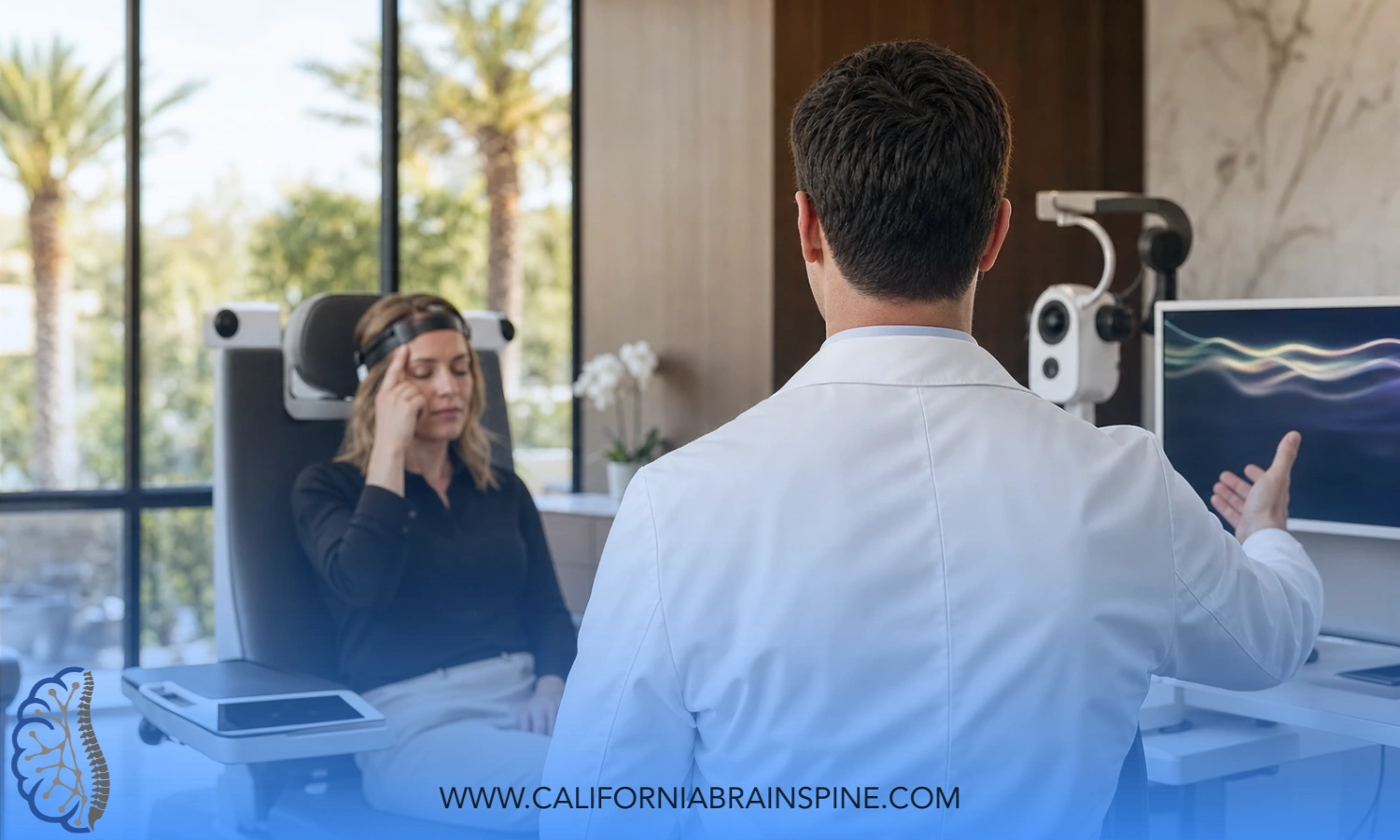
At California Brain & Spine Center, patients may be supported with evidence informed, noninvasive care when it fits the case. This can include careful cervical and upper spine evaluation, neuroplasticity oriented rehabilitation, and in select cases, adjunctive noninvasive technologies such as LLLT, PEMF, HBOT, GammaCore Vagus Nerve Stimulation, and structured programs like the NeuroRevive Program. These are not promises or guarantees. They are tools that may help support regulation, recovery, and function depending on your situation.
A good plan does not chase the loudest symptom. It respects the nervous system and restores control.
Image note: “A modern neurology and rehabilitation clinic scene with noninvasive equipment in the background, calm professional feel, no text.”
Practical ways to reduce facial pain triggers between visits
I never want you to feel helpless while you wait for answers. While trigeminal neuralgia treatment Calabasas should be guided by a proper evaluation, there are practical steps that often reduce unnecessary flare ups.
Consider these supportive strategies:
• Keep your face warm in cold air, using a scarf or mask if needed
• Choose softer foods temporarily if chewing triggers flares
• Use gentle oral hygiene methods if brushing triggers pain, and talk with your dentist about safe adaptations
• Prioritize sleep consistency because nerve thresholds often worsen with poor sleep
• Track triggers briefly for pattern clarity, but do not obsess over every symptom
If your pain is escalating rapidly or you have neurological red flags, do not wait. Seek medical evaluation.
How the nervous system becomes sensitized, and why pain feels unpredictable?
At California Brain & Spine Center, patients are often taught that nerve pain is not only about the nerve itself. It is also about the nervous system state. When the brain and nerve pathways become sensitized, the threshold for pain drops. Normal sensations become painful. This is one reason why trigeminal neuralgia triggers can expand over time, from chewing to wind to even speaking.
Patients may also experience stress related amplification. That does not mean the pain is psychological. It means stress chemicals and sleep disruption can increase nerve excitability. A comprehensive plan often includes strategies that calm the nervous system, reduce mechanical irritation, and improve resilience over time.
This is where noninvasive rehabilitation, neurosensory work, and autonomic support can be relevant. Some patients also have overlapping dizziness, brain fog, or dysautonomia patterns. Those are evaluated because the nervous system is interconnected.
What to expect when you come to our Calabasas clinic?
At California Brain & Spine Center, patients seeking trigeminal neuralgia treatment Calabasas are evaluated with a focus on safety, precision, and coordination. The process typically includes a detailed symptom history, trigger analysis, a neurological style screening, and a careful assessment of cervical and upper spine mechanics. Patients are guided through education so they understand the likely mechanisms and the reasoning behind each step.
The clinic serves Calabasas and nearby communities across Southern California. Many patients come after months or years of uncertainty. The goal is not to overwhelm you with information. The goal is to help you move from fear to clarity, and from random flares to a structured plan.
When care is precise, the nervous system feels respected, and that alone can change the trajectory.
Image note: “A welcoming clinic reception area in Calabasas, California, calm modern design, warm lighting, no text.”
A short patient story before we wrap up
Some time ago, a patient named R. came to see me after experiencing sudden electric like facial pain that was triggered by brushing teeth and chewing. R. was anxious, exhausted, and afraid that something dangerous was being missed. The biggest challenge was the unpredictability. Every meal felt like a risk.
I started by mapping the pain pattern and triggers carefully, and I encouraged R. to coordinate with medical providers for appropriate imaging and medication discussion. In parallel, we evaluated cervical mechanics and nervous system regulation. We used a measured plan focused on reducing flare cycles, supporting neuroplastic stability, and improving overall resilience. In the right case, supportive noninvasive options such as gentle rehabilitation strategies and selected neuromodulation tools may be considered, including GammaCore Vagus Nerve Stimulation, along with a structured approach like the NeuroRevive Program when clinically appropriate.
Over time, R. reported fewer daily shocks, more confidence eating softer foods, and a calmer baseline. Most importantly, R. felt in control again. That is the goal of trigeminal neuralgia treatment Calabasas: not chasing perfection, but restoring stability and decision making power.
Your most common questions about trigeminal neuralgia treatment Calabasas
- What is the most common cause of trigeminal neuralgia
A common cause is irritation or compression of the trigeminal nerve near its root entry zone. However, other factors can contribute, and diagnosis should be individualized. Imaging and medical evaluation may be recommended to rule out secondary causes. - Can trigeminal neuralgia go away on its own
Some people experience periods of remission where symptoms decrease or disappear for a time. Others have persistent symptoms. A structured plan can help reduce flare frequency and improve function, but it is important to have a proper diagnosis and guidance. - Is trigeminal neuralgia a dental problem
It often feels like tooth pain, but trigeminal neuralgia is a nerve pain disorder. Dental issues can mimic it, so a dental exam can be useful. If dental findings are normal and pain is shock like with triggers, neurological evaluation is important. - What are the best first steps if I suspect trigeminal neuralgia
Document your triggers briefly, avoid unnecessary flare exposure, and seek medical evaluation for diagnosis. If red flags are present such as numbness, weakness, or vision changes, seek urgent care. Coordinated care can help you find the right treatment path. - What treatments are available in Calabasas for trigeminal neuralgia
Trigeminal neuralgia treatment Calabasas may involve medical management guided by a physician, specialist referral when needed, and supportive noninvasive care focused on nervous system regulation and mechanical contributors. The best plan depends on your evaluation. - Can stress make trigeminal neuralgia worse
Yes, stress and poor sleep can lower nerve thresholds and amplify triggers. That does not mean the pain is psychological. It means the nervous system state influences how reactive the nerve pathways become.
Conclusion
I, Dr. Alireza Chizari, DC, DACNB, want you to know you are not alone in this. Trigeminal neuralgia can be frightening and exhausting because facial pain triggers can appear in normal daily moments like eating or brushing your teeth. But there is a path forward when the diagnosis is clear, red flags are addressed, and your plan is personalized.
If you are looking for trigeminal neuralgia treatment Calabasas, my team and I at California Brain & Spine Center can guide you through a careful evaluation, help you understand your trigger patterns, and support you with evidence informed, noninvasive strategies alongside appropriate medical coordination when needed. The goal is stability, confidence, and a return to normal life activities with less fear.
If you are ready, contact California Brain & Spine Center to request an appointment or reach out for a personalized neurological evaluation. We will help you take informed next steps toward better function and a calmer nervous system.