If you live in Westlake Village and you are dealing with symptoms that do not fit neatly into one diagnosis, you may feel like you are constantly explaining yourself. Dizziness that comes and goes, brain fog that ruins your afternoons, strange pressure in your head, fatigue that feels neurological, balance changes, visual sensitivity, or a body that suddenly does not tolerate stress the way it used to.
I am Dr. Alireza Chizari, DC, DACNB, and in this article I will explain how a clinic for complex neurological symptoms in Westlake Village should think about your situation, what systems we evaluate, and why a non-invasive, evidence-informed plan can be a turning point when standard answers have not helped.
You are the hero of this story. You are the one living inside these symptoms and still trying to keep your life moving. My role is to be the expert guide who takes your story seriously, tests what matters, and helps you move toward more stable, functional days.
Complex neurological symptoms in Westlake Village: the moment you realize it is not “just stress”
I want to start with something I tell patients all the time. Complex symptoms are not a character flaw. They are often a systems problem.
Many people searching for a clinic for complex neurological symptoms in Westlake Village have already tried the obvious things: rest, hydration, supplements, changing pillows, stopping caffeine, pushing through workouts, stopping workouts, new glasses, new screens, new diets. Yet the symptoms keep returning because the underlying driver has not been identified.
In my work with post-concussion cases, dizziness and vestibular dysfunction, dysautonomia patterns, and chronic neurological fatigue, I often see the same theme: the nervous system becomes overly reactive. When the brain is working harder to integrate vision, balance, and body signals, even normal life can feel like overload.
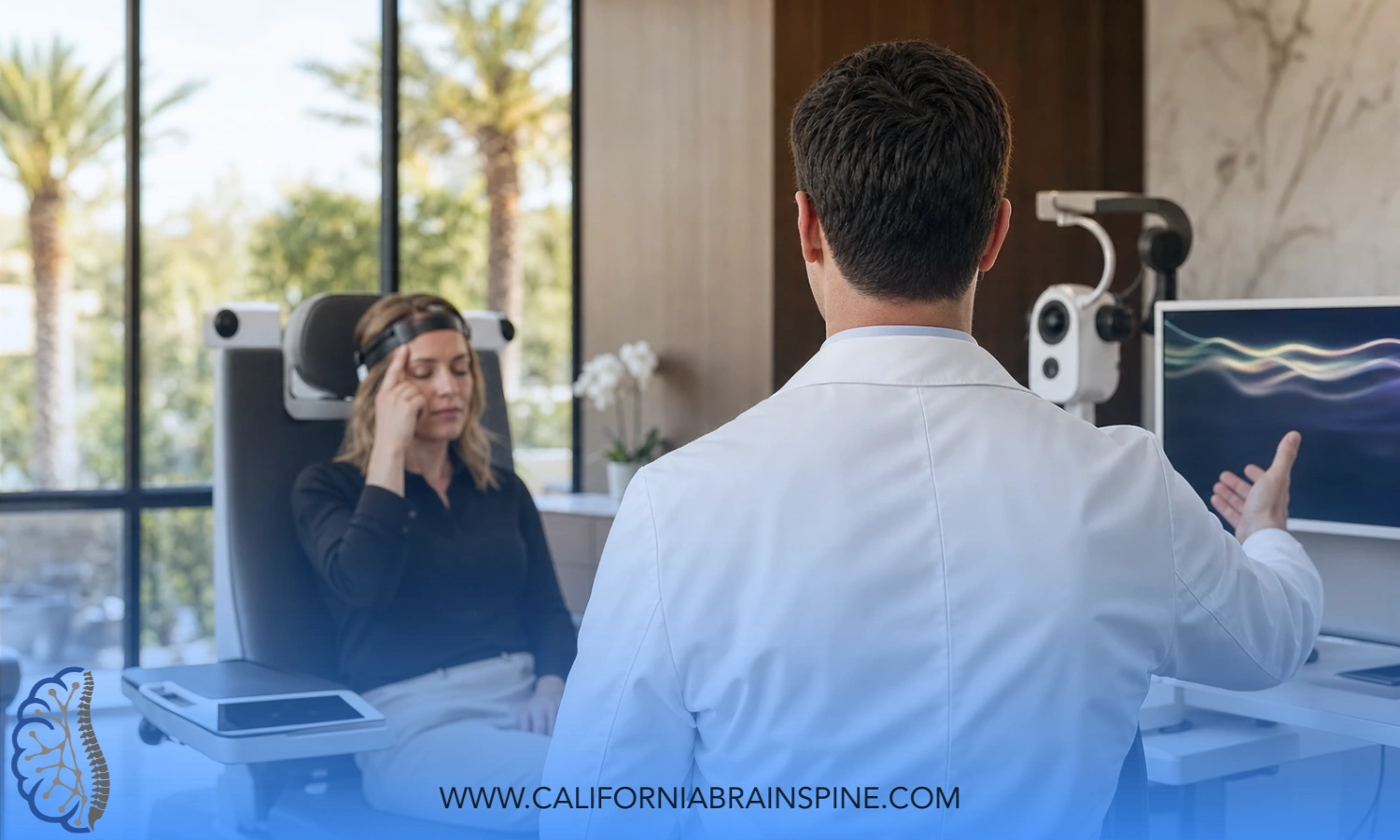
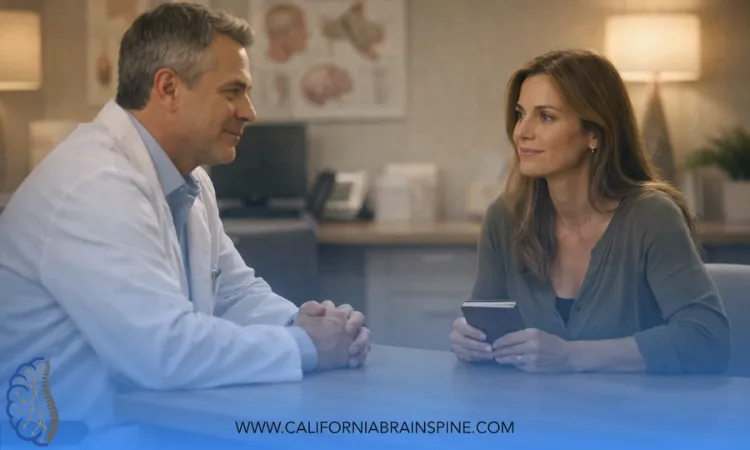
Image note: “Photorealistic image of a calm white male doctor in a modern clinic speaking with a stressed but hopeful adult patient from Westlake Village, professional setting, soft lighting, no text, no logos.”
Why patients feel dismissed when tests look “normal”
One of the most painful parts of complex neurological cases is emotional. A person can feel genuinely unwell, but their basic labs or imaging may not show a clear cause. That does not mean nothing is happening. It often means the problem is functional, regulatory, or multi-factorial.
For example, the CDC lists symptoms of mild TBI and concussion that include dizziness or balance problems, feeling tired or having no energy, headaches, and feeling foggy or slowed down. If a person has those symptoms but their imaging is normal, the symptoms can still be real and disabling.
I see this in Westlake Village area patients who say things like:
- “I can do a few tasks, then my brain shuts down.”
- “I feel fine walking outside, but stores and screens destroy me.”
- “My heart races, I feel lightheaded, and I cannot stand still for long.”
- “Nobody can explain why I feel off balance every day.”
If you are looking for a clinic for complex neurological symptoms in Westlake Village, what you really want is not another vague reassurance. You want a clinician who can identify which systems are misfiring, and which triggers are stacking.
You do not need someone to minimize your symptoms. You need someone to map them, measure them, and guide you forward with confidence.
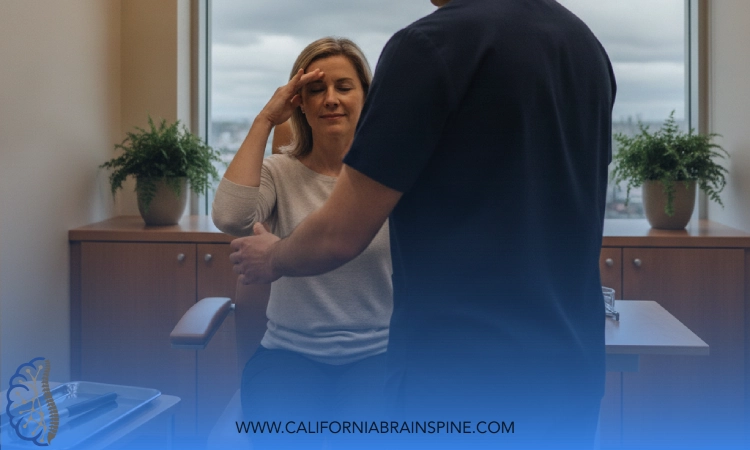
Image note: “Photorealistic image of a supportive clinician reviewing a simple symptom timeline with a patient, calm and reassuring atmosphere, no readable text, no branding.”
What a clinic for complex neurological symptoms in Westlake Village should evaluate first
At California Brain and Spine Center, patients are evaluated with a systems-based clinical model because complex symptoms rarely come from one single source. A clinic serving Westlake Village should be able to separate the biggest buckets quickly, then go deeper in the bucket that fits your pattern.
Vestibular and balance pathways
Vestibular dysfunction can cause dizziness, motion sensitivity, imbalance, and visual instability. When these pathways are impaired, busy environments, head turns, driving, and scrolling can become major symptom triggers.
Vestibular rehabilitation is supported by evidence for improving dizziness and functioning in specific vestibular disorders.
Autonomic nervous system dysregulation and dysautonomia patterns
Some patients are not experiencing spinning vertigo. They are experiencing lightheadedness, near-fainting, heart racing, and “crash” episodes. Those patterns often point to autonomic dysfunction.
Mayo Clinic describes autonomic neuropathy symptoms that can include dizziness and fainting when standing due to blood pressure changes. A 2025 review also highlights common dysautonomia features such as orthostatic dizziness, palpitations, exercise intolerance, cognitive dysfunction, and fatigue.
Visual and oculomotor strain
In complex cases, the eyes are often part of the story. If your symptoms spike with screens, reading, busy patterns, or bright lighting, the brain may be working too hard to stabilize vision while processing motion and posture.
Cervical spine and proprioceptive mismatch
Neck mechanics influence balance and head position signals. After whiplash, poor posture, or long periods of guarding, cervical input may contribute to dizziness and headaches in certain patients.
Cognitive load and neurological fatigue
Many complex neurological cases are fueled by cognitive overload. A “simple day” might contain driving, screens, social demands, and sensory chaos. The brain interprets that as a heavy load, especially after concussion or during dysautonomia patterns.
A clinic that claims to be a clinic for complex neurological symptoms in Westlake Village should be able to evaluate these domains in a structured way, not by trial and error.
How advanced vestibular and autonomic testing guides the next step
At California Brain and Spine Center, patients are evaluated with targeted neurological and vestibular tools, and the findings shape the care plan. This is where “complex” becomes manageable: you stop chasing random fixes and start following a pathway.
A structured evaluation may include:
- Orthostatic screening patterns (symptoms that change from lying to sitting to standing)
- Balance testing in multiple conditions to identify sensory integration weaknesses
- Eye movement and gaze stability screening to clarify visual-vestibular mismatch
- Positional testing when BPPV is suspected
- Cervical spine evaluation when neck-driven contributions are likely
Research-focused sources highlight that orthostatic hypotension and orthostatic intolerance can produce symptoms like lightheadedness, dizziness or vertigo, transient loss of consciousness, and falls, and that orthostatic vitals are an essential part of evaluation.
✅ This matters because the same symptom, dizziness, can come from very different systems. A patient with vestibular impairment needs a different path than a patient whose main driver is orthostatic intolerance.
When the right system is identified, the next step becomes calmer. Clarity reduces fear, and consistency builds recovery.
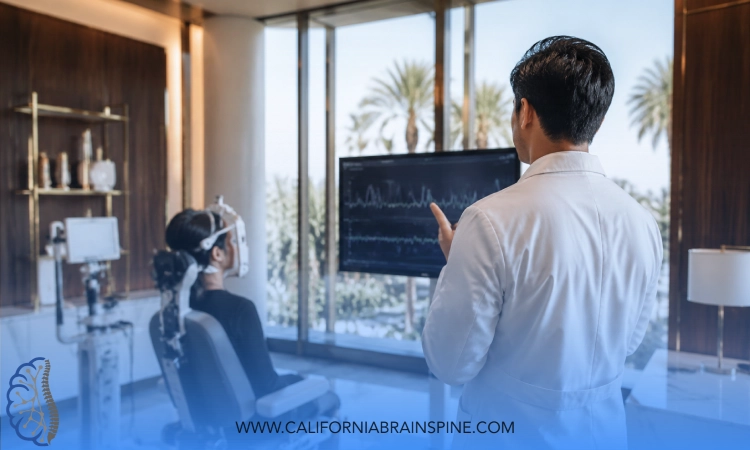
Image note: “Photorealistic image of a white male doctor performing an orthostatic evaluation and discussing results with a beautiful adult American female patient, modern clinic setting, soft lighting, no logos, no text.”
Treatment pathways for complex neurological symptoms in Westlake Village that do not rely on guesswork
At California Brain and Spine Center, treatment is non-invasive and individualized. The goal is never to promise instant results. The goal is to identify drivers, lower the trigger load, and build neurological capacity through progressive rehabilitation.
Vestibular rehabilitation and balance disorder therapy
When vestibular dysfunction is confirmed, vestibular rehabilitation is designed to improve gaze stability, motion tolerance, and balance confidence. Evidence reviews have found vestibular rehabilitation to be a safe and effective management for unilateral peripheral vestibular dysfunction, with improvements in symptoms and functioning.
Cognitive rehabilitation and neuroplasticity-based training
When brain fog, processing fatigue, and attention issues dominate, the plan often includes cognitive pacing strategies and targeted neurological exercises designed to improve tolerance over time.
NeuroSensory Integration and nervous system regulation
For patients whose nervous system feels “stuck on high alert,” care may include strategies that reduce sensory overload while gradually expanding tolerance to real-world environments.
Autonomic support for dysautonomia patterns
For patients whose symptoms match dysautonomia or POTS-like patterns, targeted strategies may include hydration and electrolyte guidance, gradual conditioning, and pacing rules that prevent boom-bust cycles. The National Institute of Neurological Disorders and Stroke describes POTS and notes that symptoms of orthostatic intolerance often include dizziness.
Non-invasive neurology support tools when appropriate
Depending on the case, patients may be candidates for evidence-informed, non-invasive support methods such as:
- Low-Level Laser Therapy (LLLT)
- Pulsed Electromagnetic Field (PEMF)
- Hyperbaric Oxygen Therapy (HBOT)
- GammaCore vagus nerve stimulation
- The NeuroRevive Program
These tools are not positioned as a replacement for evaluation or rehabilitation. They may be integrated when they fit the clinical picture and the patient’s goals.
This is the practical difference between a generic office and a clinic for complex neurological symptoms in Westlake Village that takes a structured approach.
Image note: “Photorealistic image of a modern rehabilitation room with a clinician guiding a patient through gentle balance training and gaze stabilization, safe and supportive atmosphere, no branding, no text.”
When complex neurological symptoms need urgent medical attention
Even though many complex neurological cases are functional and non-emergent, certain symptoms should never be brushed off. A responsible clinic for complex neurological symptoms in Westlake Village should clearly tell patients when the right move is urgent medical evaluation.
The CDC lists concussion danger signs that warrant emergency care, and emphasizes that symptoms may not show up right away.
Seek urgent evaluation if you experience:
- Sudden new weakness, numbness, facial droop, or trouble speaking
- A severe sudden headache that is very different from your usual pattern
- Repeated vomiting or seizures
- Loss of consciousness or rapidly worsening confusion
- New severe imbalance where you cannot stand or walk safely
Your safety comes first. A non-invasive clinic can guide many complex conditions, but emergency warning signs require immediate medical assessment.
Strong care is not only about treatment. It is about knowing when not to wait.
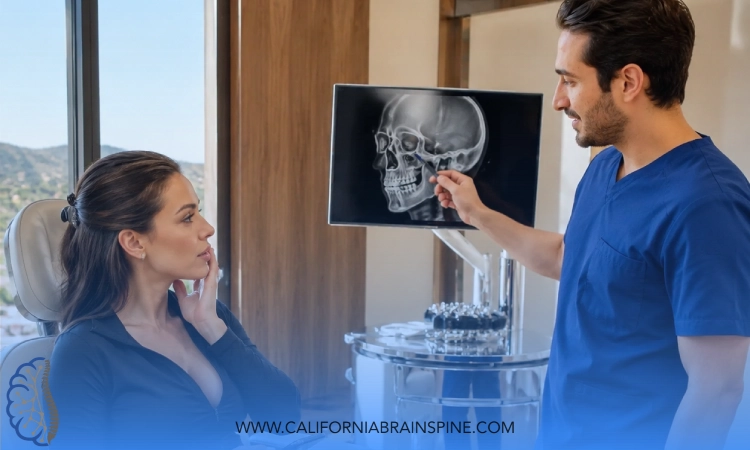
Image note: “Photorealistic image of a clinician calmly explaining urgent warning signs to a concerned patient, medical office setting, empathetic tone, no text, no logos.”
A short story from my clinic for complex neurological symptoms in Westlake Village
Some time ago, a patient named M. came to see me from the Westlake Village area. She told me she had been living with dizziness, brain fog, and a strange internal “wobble” that worsened after busy days. She had seen multiple providers, and she kept hearing the same phrase: “Everything looks normal.”
When I evaluated her, I did not start with assumptions. I started with patterns. Her symptoms worsened with standing still in warm environments, after driving, and after screens. Her balance testing showed sensory integration strain, and her history suggested autonomic instability layered on top of a visual-vestibular mismatch.
We built a non-invasive plan that included vestibular rehabilitation, structured pacing rules, and neurological exercises designed to reduce sensory overload and improve tolerance. We also coached her on how to structure her day so she stopped triggering delayed crashes.
Over time, she reported fewer flare days and more predictability. The most meaningful result was simple: she felt safe scheduling life again. That is what I want for you if you are searching for a clinic for complex neurological symptoms in Westlake Village.
Your most common questions about complex neurological symptoms in Westlake Village
1) What counts as “complex neurological symptoms in Westlake Village”?
It usually means symptoms that do not fit one simple category, such as dizziness plus brain fog, fatigue plus balance issues, headaches plus visual sensitivity, or lightheadedness plus heart racing. Complexity often means multiple systems are interacting.
2) Do I need an MRI before seeing a clinic for complex neurological symptoms in Westlake Village?
Not always. Imaging can be important in certain situations, especially when red flags are present, but many functional neurological, vestibular, and autonomic patterns require clinical testing and symptom mapping. A structured evaluation can clarify whether imaging is appropriate in your case.
3) Can vestibular rehabilitation really help if I do not have spinning vertigo?
Yes. Many vestibular conditions involve non-spinning dizziness, rocking sensations, visual motion sensitivity, and imbalance. Evidence reviews support vestibular rehabilitation for improving dizziness and function in specific vestibular disorders.
4) What if my main issue is lightheadedness when standing, not vertigo?
That pattern often points toward orthostatic intolerance or autonomic dysfunction. Autonomic disorders can include dizziness and fainting when standing due to blood pressure regulation issues. A clinic should screen these patterns rather than treating everything as an inner-ear problem.
5) How long does it take to feel improvement?
Timelines vary based on how long symptoms have been present, which systems are involved, and how consistently a plan can be followed. Many patients start by noticing fewer severe flare days and better predictability, then build capacity gradually.
6) Do you serve Westlake Village even though your clinic is in Calabasas?
Yes. California Brain and Spine Center is located in Calabasas, and we regularly serve patients from Westlake Village and the Conejo Valley who want a structured evaluation for dizziness, post-concussion symptoms, dysautonomia patterns, and other complex neurological concerns.
Conclusion
If you are searching for a clinic for complex neurological symptoms in Westlake Village, I want you to leave with one clear message: your symptoms can be real, measurable, and improvable even when basic tests look normal. The most important step is identifying which systems are driving your pattern, vestibular function, visual processing, autonomic regulation, cervical mechanics, or a combination.
I bring a unique perspective to this work. I started in Electrical Engineering in Iran, completed a master’s in Advanced Engineering and Management in the UK, worked as a Solar Engineer in the United States, then transitioned into healthcare after seeing my mother recover through chiropractic care. I earned my Doctor of Chiropractic degree from Life Chiropractic College West with specialization in the Gonstead technique, and pursued postdoctoral education in Clinical Neuroscience. That systems mindset helps me evaluate complex neurological cases with structure and precision.
If you live in Westlake Village or nearby and you want a personalized neurological and vestibular evaluation, contact California Brain and Spine Center in Calabasas. We will listen carefully, evaluate the right systems, and build a non-invasive plan designed to help you move toward a steadier, more functional life, not just manage isolated symptoms.