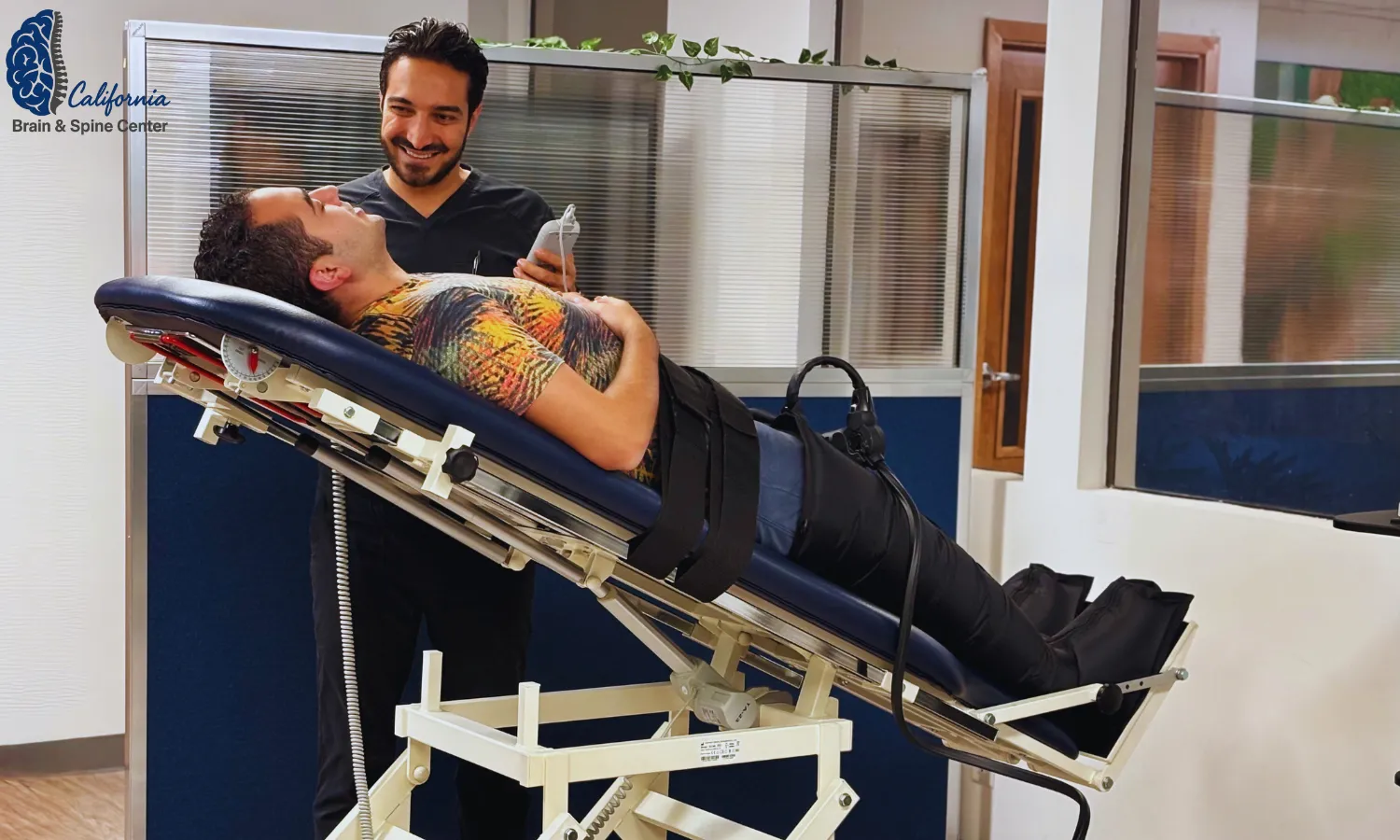
I am Dr. Alireza Chizari, DC, DACNB, and if you are reading this, you are probably tired of feeling unsteady every time you walk, stand in line, or move through a busy space. In this article, I will walk you through how our Program for chronic unsteady walking in Malibu is designed to finally give you a clear plan, not just vague reassurance.
You are not “just anxious” or “overthinking it.” You are a person who has been living with real symptoms, trying to stay active and independent while your body feels unpredictable. My role is to be your guide, using advanced neurological and vestibular evaluation to understand why you feel this way and what we can do about it.
Malibu specialist program for chronic unsteady walking
I created our Program for chronic unsteady walking in Malibu to help patients move from fear and confusion toward measurable, steady progress. On this page, you will see what this program includes, how we personalize it for your brain and nervous system, and how you can begin care at California Brain & Spine Center in Calabasas, serving patients from Malibu and across Southern California.
If you are ready to understand what is happening in your body and not simply “cope” with it, this article is for you. I will explain how we evaluate, how we treat, and how we walk beside you so that you can safely move forward in your daily life.
Why chronic unsteady walking changes everything in daily life
When walking feels unsafe, your entire world shrinks. You might start avoiding the grocery store, crowds, uneven sidewalks in Malibu, or even simple walks on the beach because every step feels like a risk. Many of my patients tell me they constantly scan for walls, chairs, or railings “just in case.”
Unsteady walking is not only a balance issue. It affects your confidence, mood, relationships, and ability to work or drive. Your brain begins to associate walking with danger, which can increase muscle tension, visual sensitivity, and fatigue. Over time, your nervous system can become “stuck” in a hyper-alert state.
In our Program for chronic unsteady walking in Malibu, my goal is to help you reclaim movement as something that feels safer, more predictable, and more automatic. We do this by understanding what is driving your unsteadiness at a neurological level and then designing a plan that works with your brain’s capacity to adapt and heal.
If you live with chronic unsteady walking, every uneven sidewalk, crowded hallway, or dark room can become a new source of stress. Once we identify which reflexes and vestibular pathways are underperforming, carefully chosen home exercises become a powerful part of your rehab. For patients who want a practical starting point, our article on vertigo therapy and VRT exercises you can start today outlines simple movements that begin to retrain balance and eye stability while you work through a more comprehensive program in clinic.
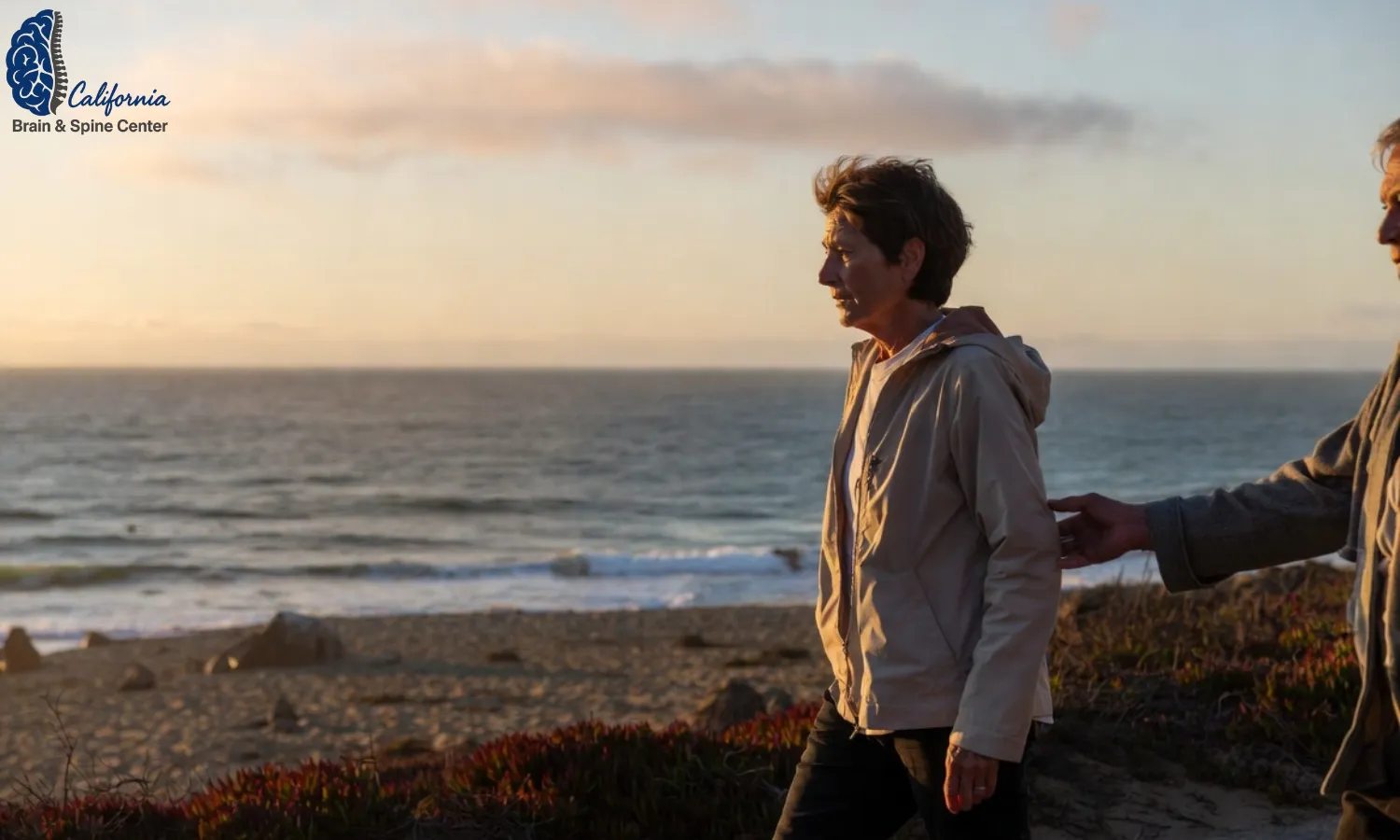
How I approach diagnosis before any Program for chronic unsteady walking in Malibu
Before I recommend any Program for chronic unsteady walking in Malibu, I start with a detailed story. I want to know exactly when your unsteadiness began, what makes it worse, what makes it better, and what evaluations or therapies you have already tried.
During your initial visit, I typically:
Carefully review your medical history, including concussions, traumatic brain injuries, infections, neck injuries, migraines, and autonomic symptoms such as heart rate or blood pressure changes.
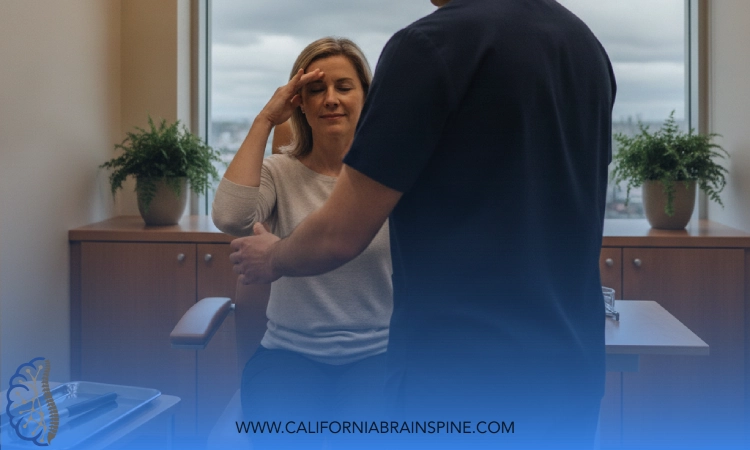
Perform a focused neurological and vestibular examination, looking at eye movements, head and neck control, posture, gait, and reflexes.
Assess your sensory systems, including vision, inner ear function, and how your body senses position and movement.
Evaluate how your brain is processing information from these systems together while you stand and walk.
Because of my background in Electrical Engineering and Clinical Neuroscience, I pay close attention to how your “biological hardware” and “control systems” are functioning together. You are not a checklist of symptoms. You are a complex human being, and our Program for chronic unsteady walking in Malibu must be just as individualized as you are.
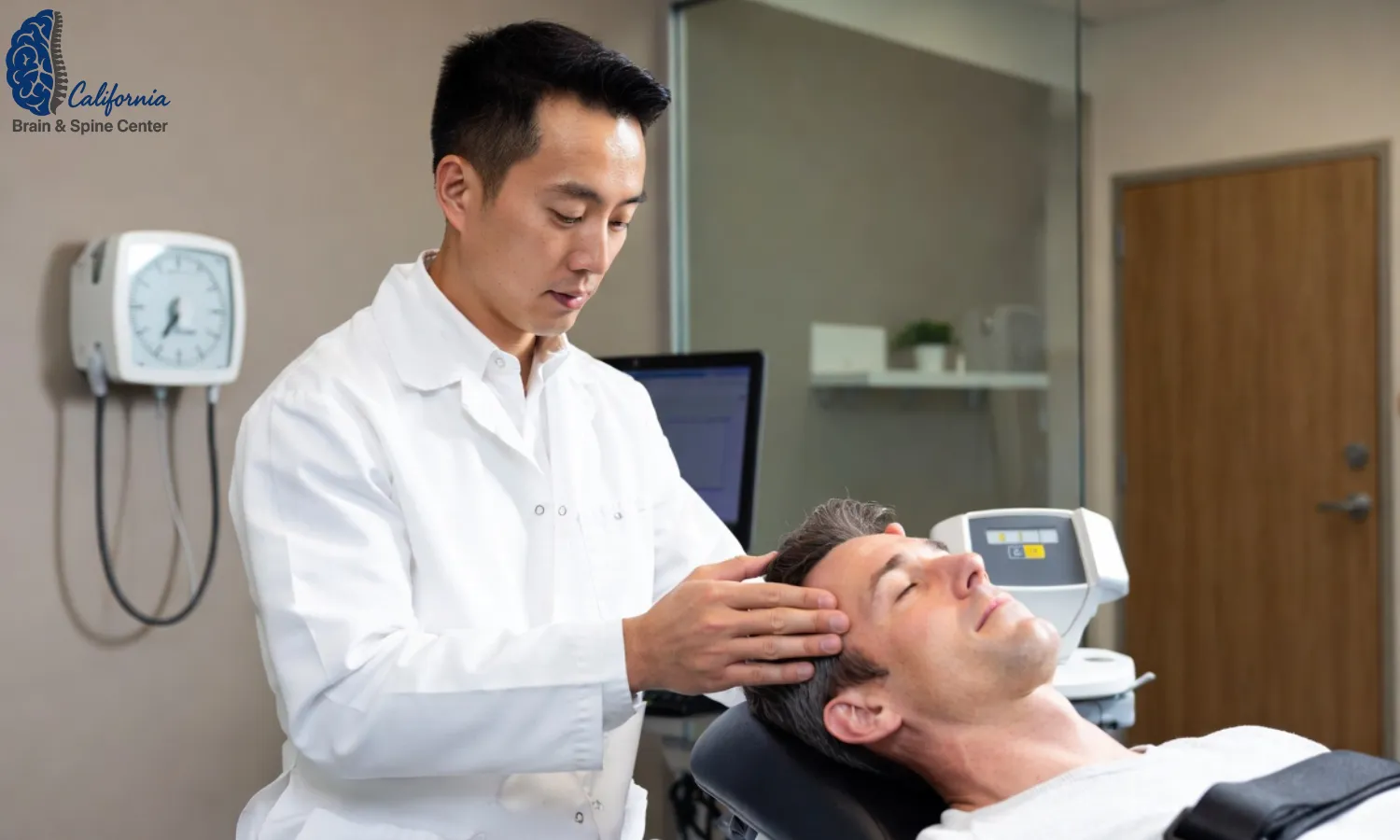
Healing from chronic unsteadiness is rarely a straight line. What matters most is that every week, your brain and body are guided to take one more step toward stability and confidence.
Who the Program for chronic unsteady walking in Malibu is designed for
The Program for chronic unsteady walking in Malibu is built for people who feel like they have been “stuck in limbo” for months or years. Often, they have been told that imaging looks normal or that they should simply “wait and see,” even though their day to day life has been deeply affected.
Persistent unsteadiness after concussion or brain injury
Some patients develop chronic unsteadiness after a concussion or traumatic brain injury. They may also have:
Brain fog
Visual disturbances
Headaches or migraines
Difficulty tolerating busy environments
Episodes of dizziness or vertigo
For these patients, unsteady walking often reflects a combination of vestibular dysfunction, eye movement issues, neck problems, and changes in how the brain integrates sensory information. Our Program for chronic unsteady walking in Malibu addresses all of these contributors, not just one piece.
Unsteady walking from vestibular or autonomic dysfunction
Other patients have chronic unsteady walking due to vestibular conditions, dysautonomia, or Autonomic Nervous System Disorders such as POTS. They may describe:
Feeling like they are walking on a boat
Sudden “waves” of dizziness or imbalance
Heart rate changes, palpitations, or lightheadedness
Symptoms that worsen in heat, when standing in line, or after minimal exertion
In these cases, our program focuses on stabilizing the vestibular system, improving autonomic regulation, and gradually expanding what your nervous system can tolerate without collapsing into symptoms.

What happens in your first visit for the Program for chronic unsteady walking in Malibu
When you come to California Brain & Spine Center from Malibu or surrounding areas, I want you to feel that someone finally sees the whole picture, not just one symptom at a time.
During the initial consultation for the Program for chronic unsteady walking in Malibu, I:
Listen to your story without rushing
Ask specific questions to understand triggers and patterns
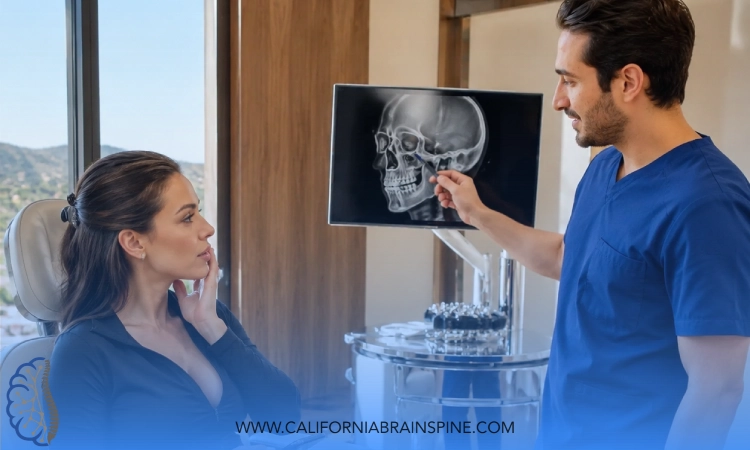
Explain in plain language what I see in your examination
Outline which additional tests or measures may help clarify your case
If you are a good candidate for the program, I will describe how often I recommend that we see each other, what types of therapies we might use, and what you can expect in the first 4 to 6 weeks. I will also clearly explain any red flags that would require collaboration with other medical specialists, because your safety is always the priority.

The most powerful moment in care is often not a treatment session. It is the first time a patient realizes that someone finally understands what they are going through and has a structured plan to help.
Inside the Program for chronic unsteady walking in Malibu: a step by step plan
In the middle phase of care, the Program for chronic unsteady walking in Malibu becomes a structured but flexible plan that adapts to how your nervous system responds. At this stage, the focus shifts from only understanding your condition to actively retraining your brain and body.
At California Brain & Spine Center, patients in this program are typically guided through three core phases:
Building a personalized neurorehabilitation plan
In this phase, the team designs targeted exercises that match your specific deficits. This may involve:
Eye and head movement drills tailored to your vestibular system
Gait training with controlled changes in speed, direction, or visual input
Postural strategies to improve how you weight bear through your feet and legs
Breathing and autonomic regulation techniques to calm an overactive nervous system
The aim is to gently challenge your system without overwhelming it. The program is neither a generic “balance class” nor a one size fits all protocol. Every step is mapped to your exam findings.
Daily exercises between visits
Between clinic visits, patients typically receive brief home exercises that can be done safely in their living environment. These are designed to:
Reinforce the gains made during sessions
Help your brain consolidate new patterns of movement and balance
Encourage consistent, achievable progress
The Program for chronic unsteady walking in Malibu is most effective when patients feel that they are actively participating in their own recovery every single day, not just once or twice per week in the clinic.
Therapies used in the Program for chronic unsteady walking in Malibu in Malibu
The Program for chronic unsteady walking in Malibu often includes a combination of advanced, non invasive neurological therapies that support brain and vestibular function. At California Brain & Spine Center, the team may use:
Vestibular and balance rehabilitation
Targeted vestibular rehabilitation helps recalibrate how the inner ear, eyes, and body work together. Carefully designed balance exercises can:
Improve stability in standing and walking
Reduce motion sensitivity
Increase confidence in environments that previously felt unsafe
These therapies are always progressed based on objective changes and patient feedback.
Supporting brain healing and neuroplasticity
To enhance neuroplasticity and support recovery, the program may also incorporate:
NeuroSensory Integration (NSI) to improve how the brain processes sensory input
Cognitive Rehabilitation for patients with brain fog, slowed thinking, or attention issues
Non Invasive Neurology Therapy such as Low Level Laser Therapy (LLLT), Pulsed Electromagnetic Field (PEMF), Hyperbaric Oxygen Therapy (HBOT), and GammaCore Vagus Nerve Stimulation when clinically appropriate
The NeuroRevive Program, which is designed to support overall brain function and recovery after concussion or neurological injury
These tools are never used in isolation. They are integrated into the broader Program for chronic unsteady walking in Malibu so that each therapy amplifies the effect of the others.
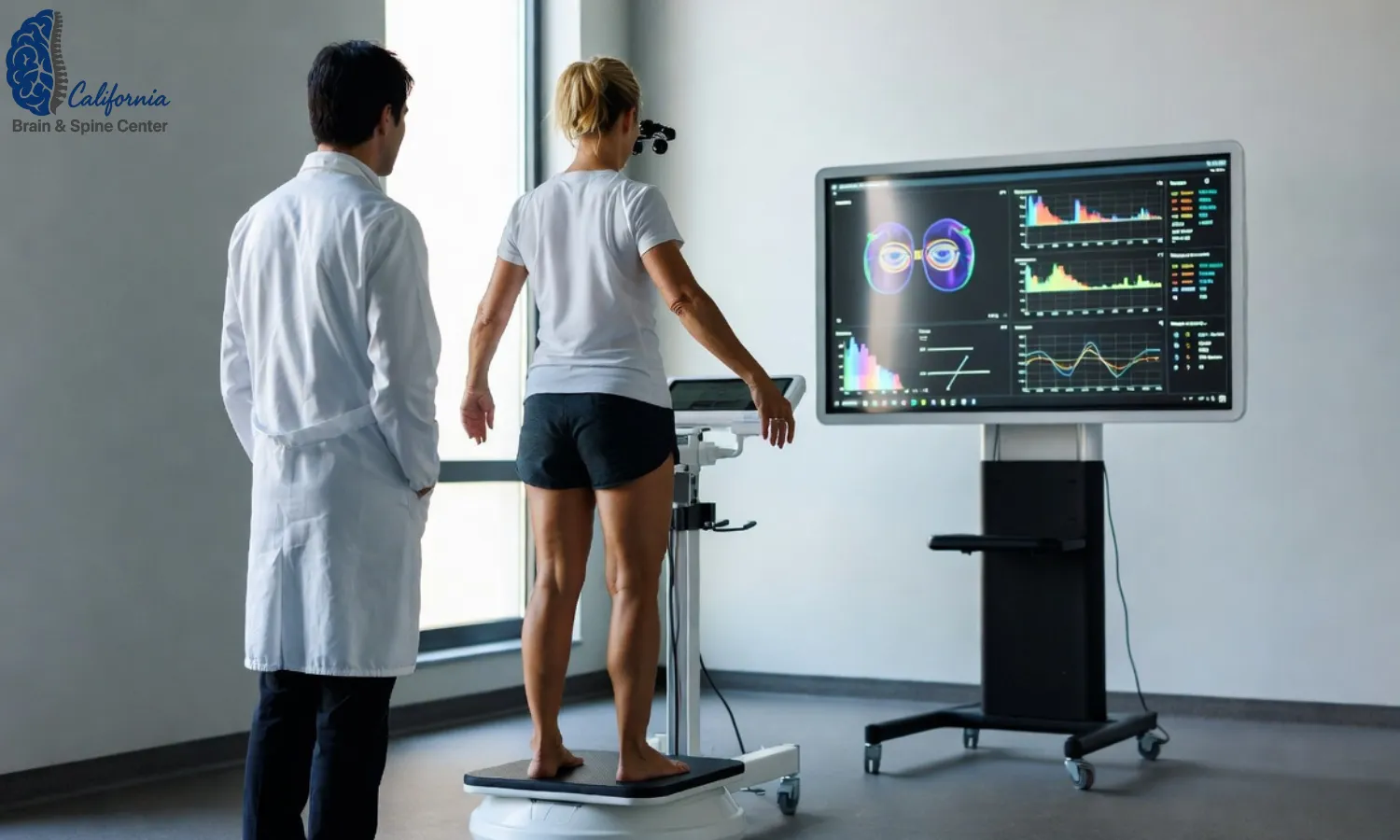
Real progress is not about doing everything at once. It is about combining the right tools, in the right order, with the right level of challenge, so your nervous system can genuinely adapt.
How long it takes to feel safer and steadier in the Program for chronic unsteady walking in Malibu
Patients often ask how quickly they will notice change. Every nervous system is different, and results depend on factors such as the underlying cause, duration of symptoms, overall health, and consistency with exercises.
In general, many patients in the Program for chronic unsteady walking in Malibu begin to notice early shifts in:
Confidence while walking short distances
Ability to stand in lines or busy environments
Reduction in the constant “on edge” feeling while moving
over the first several weeks.
To make this clearer, the clinic often uses simple outcome measures and progress tracking so that patients can see changes in:
Gait speed
Stability scores
Symptom severity ratings
This structured tracking helps patients recognize progress even when the journey feels slow, which is deeply motivating.
When chronic unsteady walking may signal something more serious
Although most patients with chronic unsteadiness benefit from a specialized neurorehabilitation approach, there are situations where additional medical evaluation is essential. Part of the Program for chronic unsteady walking in Malibu involves calmly but clearly screening for warning signs such as:
Sudden, severe neurological changes
Significant weakness, speech changes, or facial drooping
Acute, unexplained headaches or visual loss
Rapidly worsening symptoms without clear explanation
When red flags are present, collaboration with neurologists, cardiologists, or other specialists is arranged. Safe, ethical care means recognizing when your condition needs more than one expert. The goal is always to protect you while still supporting your long term recovery.

Being cautious is not the same as being fearful. The strongest care plans are the ones that protect your safety while still believing in your capacity to improve.
A realistic case story from the Program for chronic unsteady walking in Malibu
Some time ago, a patient from Malibu, whom I will call “M,” came to see me after two years of feeling unsteady every time she walked in open spaces. She had a history of a mild concussion from a surfing accident and several months of increased stress and fatigue. MRI and basic tests were “normal,” but she knew something was still wrong.
During her evaluation, I found a combination of vestibular dysfunction, eye movement issues, and mild autonomic dysregulation. We decided that she was a good candidate for our Program for chronic unsteady walking in Malibu.
Over the next several weeks, we used targeted vestibular rehabilitation, NeuroSensory Integration, and gentle autonomic regulation strategies. As she became more stable, we integrated elements of the NeuroRevive Program to support her overall brain function.
At first, she could only walk short distances before feeling like the ground was moving. With time, her gait smoothed out, her confidence increased, and her nervous system became less reactive to busy environments. One day, she told me she had walked along the Malibu pier with her family, enjoying the ocean instead of searching for railings.
Her journey was not perfect or linear, but by the end of her care plan, she described her life as “open” again. This is exactly what I want our Program for chronic unsteady walking in Malibu to offer: not just better balance scores, but a real, lived change in your daily experience.
Your most common questions about the Program for chronic unsteady walking in Malibu
Q1: How do I know if I am a good candidate for this program?
If you have been experiencing unsteady walking for more than a few weeks, especially after a concussion, brain injury, vestibular issue, or autonomic symptoms, you may be a candidate for the Program for chronic unsteady walking in Malibu. During your first visit, I will perform a detailed neurological and vestibular examination to determine whether this program is appropriate for you or whether you first need additional diagnostic testing.
Q2: Can I join the program if I have already tried physical therapy or vestibular therapy?
Yes. Many patients who come to California Brain & Spine Center have already tried standard physical therapy. The Program for chronic unsteady walking in Malibu is more specialized and integrates Clinical Neuroscience, vestibular rehabilitation, NeuroSensory Integration, and non invasive neurology tools. We build on what you have already done and refine it based on more detailed neurological findings.
Q3: How often will I need to come to the clinic in Calabasas?
Frequency depends on the severity and complexity of your symptoms. Some patients benefit from more intensive, clustered visits at first, while others do well with weekly sessions. During your initial evaluation, I will recommend a schedule that balances effectiveness with your practical needs. In every case, the goal is to make the Program for chronic unsteady walking in Malibu realistic, sustainable, and results driven.
Q4: Is the program safe if I also have anxiety, panic, or health related worries?
Absolutely. Many people with chronic unsteadiness develop understandable anxiety because their body feels unpredictable. The program is designed to be calming, structured, and transparent. I will explain each step so you know what to expect. We move gradually, monitoring your responses closely, so that your nervous system learns that movement can be safe again.
Q5: Will I need lifelong therapy, or is there a defined end point?
The aim of the Program for chronic unsteady walking in Malibu is not to keep you in endless care. Instead, we work toward a clear set of functional goals, such as walking comfortably in specific environments, standing in line without fear, or returning to certain activities. As you gain stability and confidence, your visits become less frequent. You receive tools and strategies to maintain your progress long term.
Q6: Can I start the program if I live outside Malibu or even outside California?
Yes. Many patients travel from other parts of Southern California and beyond. In some situations, we can create an intensive, short term schedule to make your visits more efficient. I will always be honest about whether the Program for chronic unsteady walking in Malibu is the best fit for your situation and how we can structure it to respect your time and travel.
Conclusion: taking your next steady step forward
In this article, I shared how our Program for chronic unsteady walking in Malibu is designed to help you move from uncertainty and fear toward more stable, confident walking. We start with a detailed neurological and vestibular evaluation, identify the true drivers of your unsteadiness, and design a personalized plan that uses vestibular rehabilitation, NeuroSensory Integration, Cognitive Rehabilitation, and non invasive neurology tools when appropriate.
My goal is not only to improve test scores, but to help you feel safer in your own body so you can return to the daily activities, work, and relationships that matter most to you. Your symptoms are real, and so is your capacity to improve. With the right information and a structured, compassionate plan, your nervous system can learn to move differently.
If you recognize yourself in these descriptions, I invite you to take the next step. Reach out to California Brain & Spine Center in Calabasas so that we can explore whether this Program for chronic unsteady walking in Malibu is right for you. Together, we can work toward a steadier, more confident version of your life, one step at a time.
If you are ready to stop guessing and start working with a clear, science based plan, you can contact our clinic, request an appointment, or schedule an initial neurological and vestibular evaluation. My team and I are here to guide you, answer your questions, and help you move toward the best possible version of your function, not just the temporary suppression of symptoms.
Long term unsteadiness is not simply “getting older” or being out of shape. It usually reflects a deeper problem in how the brain integrates information from your inner ears, eyes, and body. Our balance disorder therapy for Malibu area patients combines advanced diagnostics with individualized exercises to rebuild stability step by step, helping you feel safer on stairs, in the shower, or when walking outdoors.
👨⚕️ Alireza Chizari, DC, DACNB
🧠 Clinical Focus
🔬 Assessment & Treatment Approach
Objective testing may include:
Treatment programs may involve:
📍 Clinic Information
✅ Medical Review
⚠️ Disclaimer