

Trouble Staying Asleep
If you’re waking at 2–4 a.m., staring at the ceiling, and wondering what flipped the switch, you’re not alone. As a neurologist, I meet many people whose days are fine but nights feel broken. The good news? Most patterns behind Trouble Staying Asleep are not fixed traits; they’re levers you can adjust. With the right plan calm, consistent, and a little bit scientific you can retrain your brain to sleep through the night.
Why the Brain Wakes You Up: A Friendly Tour of Nighttime Neuroscience
Your sleep isn’t one long river; it’s a series of 90–110 minute cycles light sleep, deep sleep, REM repeating 4–6 times. Brief awakenings are normal checkpoints between cycles. In resilient sleepers, those micro-arousals pass unnoticed. In Trouble Staying Asleep, the arousal gets “caught” by a cue (light, temperature, pain, thoughts, hunger, noise), and your alertness system decides, “We’re up.”
Two brain systems matter here:
-
Homeostatic drive: the longer you’ve been awake, the more your brain “owes” you sleep. Naps, late wake-ups, or frequent dozing reduce this pressure.
-
Circadian rhythm: your 24-hour clock nudges sleepiness and alertness. Late light exposure, irregular bedtimes, and inconsistent morning light can desynchronize it.
When these systems are out of tune, staying asleep becomes fragile even if falling asleep isn’t hard. That’s the heart of Trouble Staying Asleep: it’s not just “not enough sleep,” it’s “too much nighttime fragility.”
Waking up at 2 or 3 a.m. and lying awake for hours can make you feel powerless, but many of the drivers behind fragmented sleep are changeable once they are correctly identified. From blood sugar swings and breathing issues to autonomic arousal, each factor needs a slightly different plan. For patients who want a broader overview of how we approach insomnia as a whole, our article on sleeplessness treatment explains our framework for evaluating and addressing different sleep problems in a neurological setting.
Before You Change Anything: What’s Fixable vs. What Needs Checking
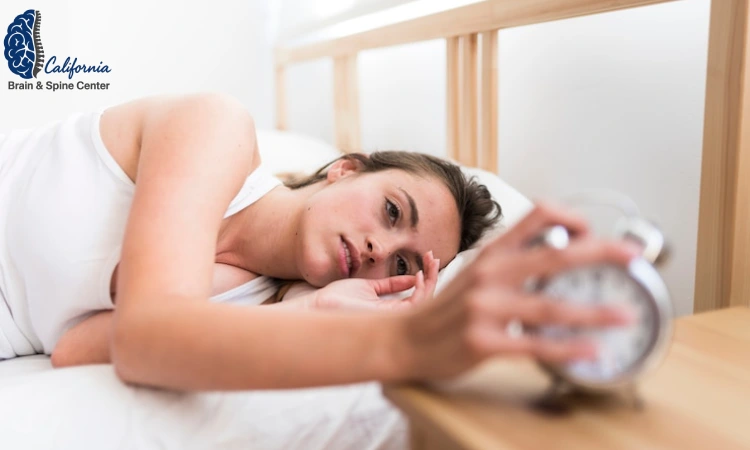
You can and should tune behaviors, environment, and timing first. Still, medical contributors are common:
-
Pain, reflux, asthma, overactive bladder, menopausal symptoms, thyroid issues.
-
Restless legs/periodic limb movements.
-
Sleep apnea (especially if snoring, gasping, morning headaches, dry mouth, daytime fog).
-
Medication effects (stimulants, some antidepressants or steroids, late caffeine, decongestants, nicotine).
Think of it this way: you address modifiable habits while staying alert to patterns that deserve a clinician’s look. Many patients solve Trouble Staying Asleep by targeting the changeable parts first.
The 12 Levers You Can Actually Pull

1) Timing Consistency (Strongest Lever)
-
Anchor wake time (even after a poor night). Fixed wake time strengthens your clock more than a fixed bedtime.
-
Bedtime floats based on sleepiness, not the clock. If you aren’t sleepy, delay 15–30 minutes.
Why it helps: regular morning light and stable wake times compress sleep into a tighter, more resilient block, reducing Trouble Staying Asleep.
2) Light Management (Second-Strongest)
-
Morning: seek bright light within 30–60 minutes of waking.
-
Evening: dim lights 2 hours before bed; keep screens at or below eye level with warm color temperature; avoid overhead bright LEDs.
-
Night wakings: use very dim, amber light for bathroom trips.
Light timing is a primary dial for circadian rhythm. When mis-timed, it fuels Trouble Staying Asleep even in otherwise healthy sleepers.
3) Temperature & Air
-
Bedroom setpoint around 17–19°C for most people; use breathable bedding.
-
Consider a fan for airflow or a cooling mattress topper if you run hot.
A small drop in core temperature helps sleep continuity.
4) Caffeine, Alcohol, Nicotine (Gentle But Firm Rules)
-
Caffeine: last dose 8–10 hours before bedtime.
-
Alcohol: even a single drink near bedtime fragments sleep; if you’re tackling Trouble Staying Asleep, pause alcohol for two weeks.
-
Nicotine: a stimulant; avoid within 4 hours of bed.
5) Evening Eating & Reflux
-
Finish main meal 3+ hours before bed. If you need something, keep it small and bland (e.g., a few almonds, a small yogurt).
-
Elevate head of bed slightly if reflux is suspected.
6) Pain & Body Comfort
-
Use a small pillow between knees (side sleepers) or under knees (back sleepers).
-
Warm shower 60–90 minutes before bed can ease muscle tone.
-
Keep analgesics time-aligned (with your clinician’s guidance) to cover the second half of the night.
7) The Wind-Down That Actually Works
-
Start 60 minutes before bed: low light + one or two quiet rituals (paper book, light stretching, guided breathing).
-
Keep it repeatable. Your nervous system loves reliable cues.
8) Thought Traffic Control (CBT-I Minis)
-
Worry time at 5 p.m.: list concerns, write next actions; trains your brain not to process them at 2 a.m.
-
Parking lot pad: keep a pen by the bed; if a thought feels urgent, jot it down and return to stillness.
-
Try the “cognitive shuffle”: imagine neutral items in random order (pear, mailbox, river pebble…) to occupy mental bandwidth without stress.
These CBT-I-style tools are evidence-based anchors for Trouble Staying Asleep.
9) Stimulus Control (Break the Bed = Awake Link)
-
If you’re awake >20–30 minutes, get up, keep lights dim, do something calm (puzzle, paper reading), return when sleepy.
-
Don’t problem-solve in bed. The bed is for sleep and intimacy, not spreadsheets.
10) Naps & Dozing
-
If you must nap, cap at 15–20 minutes and avoid late afternoons.
-
Replace couch dozing with gentle movement or outdoor light.
Napping steals homeostatic pressure and perpetuates Trouble Staying Asleep.
11) Movement & Timing
-
Daytime exercise helps, especially morning or early afternoon.
-
Avoid vigorous workouts within 2–3 hours of bed if you’re sensitive.
12) Sound & Safety
-
Use consistent brown/white noise if sudden sounds wake you.
-
If safety vigilance keeps you alert, add subtle security cues (locked-door habit, tidy room, nightlight path). Feeling safe is sleep medicine.
The Night-Wakening Playbook (Minute-by-Minute)
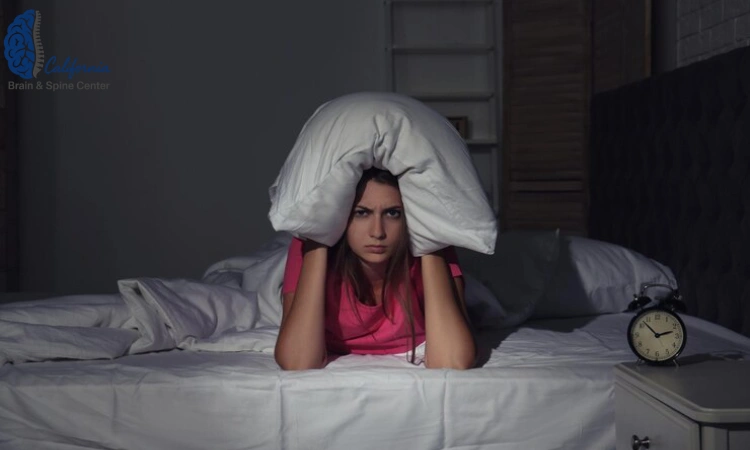
-
Notice without judgment: “Awake. That’s okay. Bodies wake.”
-
Environmental check: Is it too warm? Too bright? Correct quietly.
-
Breath + posture: Exhale longer than inhale (e.g., 4 in, 6 out) for 2 minutes.
-
Cognitive shuffle or a simple body scan.
-
If not sleepy by ~20 minutes: leave the bed, keep lights dim, do a calm, low-interest activity.
-
Return when eyelids feel heavy.
Use this consistently for 10–14 nights; it retrains your brain that bed = sleepy.
A Two-Week Reset Plan (Designed for Busy People)
Days 1–3
-
Fix wake time (set an alarm, no snooze).
-
Morning light within 45 minutes.
-
Alcohol pause; caffeine cutoff 8 hours before bed.
-
60-minute wind-down; screens dimmed and away from face.
Days 4–7
-
Add stimulus control (leave bed if awake >20–30 minutes).
-
Start a brief worry time at 5 p.m.
-
Track room temperature; aim for 17–19°C.
-
Gentle exercise most days.
Days 8–10
-
Tighten meal timing; finish dinner ≥3 hours before bed.
-
White/brown noise if noise spikes occur.
-
Pain plan aligned to cover early morning.
Days 11–14
-
Trim naps to zero if possible.
-
Repeat the same wind-down every night.
-
Review your sleep diary to spot patterns improving Trouble Staying Asleep (e.g., better nights after morning walks).
Most patients see the first gains as “shorter awake windows” even before they see “fewer wakeups.” That’s progress.
Night after night of broken sleep often leads to morning brain fog, slower thinking, and irritability. Those cognitive symptoms are not “just in your head” and they deserve the same attention as your insomnia. In our brain fog treatment plans, we look closely at sleep patterns, autonomic balance, and cognitive performance to create a rehab strategy that supports both clearer thinking and more stable nights.
What If You Always Wake at 3 a.m.?
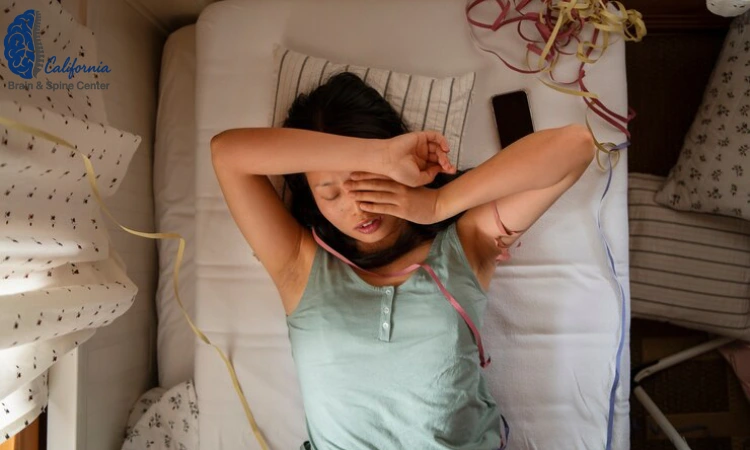
This common pattern in Trouble Staying Asleep is often a circadian dip plus stress chemistry (cortisol is naturally rising toward morning). Try:
-
A lighter dinner and a small, protein-forward snack earlier in the evening if you’re prone to hunger wakings.
-
Temperature check: cool the room a touch more.
-
A 5-minute body scan or “cognitive shuffle” rather than clock-watching (turn the clock out of sight).
-
If you’re not sleepy after ~20 minutes, apply stimulus control.
Special Considerations
-
Menopause & perimenopause: Hot flashes and thermoregulation shift sleep architecture. Emphasize cooling strategies, consistent wake time, and consider discussing symptom-targeted treatments with a clinician.
-
Restless legs: Evening leg discomfort or an urge to move can fragment sleep. Iron studies and behavioral tweaks often help; raise with your clinician.
-
Reflux/GERD: Elevate head of bed, avoid late acidic/spicy meals.
-
Mood & anxiety: CBT-I tools are powerful; daytime stress-management (journaling, therapy, movement) supports nighttime continuity.
-
Medications: Review timing with your prescriber; some meds are more sleep-friendly when shifted earlier.
A Simple Sleep Diary (7 Days)
Track: wake time, morning light (Y/N), caffeine last time, exercise time, dinner time, alcohol (Y/N), wind-down start, bedtime, night wakings (count + approximate minutes), out-of-bed time during wakings (Y/N), perceived sleep quality (1–5). Patterns will reveal why Trouble Staying Asleep persists and exactly where to intervene.
When to Seek a Clinician’s Help
-
Loud snoring, gasping, or witnessed apneas
-
Persistent Trouble Staying Asleep despite following the two-week plan
-
Severe daytime sleepiness, morning headaches, or blood pressure spikes
-
Signs of restless legs, significant pain, or mood symptoms
Professional guidance can accelerate progress and rule out secondary causes.
Motivational Note from Your Neurologist
Your brain is plastic. It learns. If it learned to wake and worry at night, it can learn to drift and stay. Be patient with yourself consistency beats perfection. Every small choice morning light, steady wake time, gentle wind-down is a vote for your future self who sleeps through the night.
If you’re ready for a structured, clinician-guided plan to end Trouble Staying Asleep, our neurology team can evaluate your sleep patterns, screen for medical contributors, and design a step-by-step program tailored to you. Start here and explore our services and expert articles at https://californiabrainspine.com/ our specialists will work with you to solve the problem at its root.
Summary
Trouble Staying Asleep usually stems from a combination of timing, light, temperature, thoughts, and medical factors that are highly modifiable. Anchor your wake time, get morning light, dim evenings, adopt a repeatable wind-down, use stimulus control if awake, and fine-tune meals, caffeine, and temperature. Track a one-week diary to identify triggers. If patterns persist or if you have symptoms pointing to sleep apnea, restless legs, reflux, pain, or mood contributors seek a clinician’s support. With steady habits and, when needed, targeted medical care, most people restore solid, continuous sleep.
Frequently Asked Questions
1) Why do I wake up multiple times even when I fall asleep quickly?
Micro-arousals occur between normal sleep cycles. In Trouble Staying Asleep, cues like light, heat, thoughts, reflux, or pain catch those arousals and escalate them. Strengthen your circadian anchors (wake time + morning light) and reduce evening triggers to prevent “caught” awakenings.
2) Should I stay in bed and “try harder” to sleep?
No. Staying in bed awake teaches your brain that bed = wakefulness. If not sleepy after ~20–30 minutes, get up, keep lights very dim, do something calm, and return when drowsy. This is central to resolving Trouble Staying Asleep.
3) Is it okay to check the time during a night waking?
Avoid it. Clock-checking spikes alertness and anxiety. Turn the clock’s face away or use a dim, non-visible setting.
4) Can alcohol help me sleep through the night?
Alcohol may speed sleep onset but fragments the second half of the night. If you’re tackling Trouble Staying Asleep, pause alcohol for two weeks and reassess.
5) How long until these changes work?
Many notice improvements within 7–14 days: shorter awake periods, fewer wakings, or easier returns to sleep. Keep going for 3–4 weeks to consolidate gains.
6) Do I need supplements?
Most people don’t. If you try something like magnesium glycinate, use modest doses and consistent timing. Focus first on the proven levers timing, light, temperature, stimulus control because they directly address Trouble Staying Asleep.
7) What if I always wake at 3 a.m.?
That’s a common pattern. Check temperature, reduce late meals/alcohol, dim nighttime light, and use the playbook. Persistent 3 a.m. wakings with snoring or gasping warrant a sleep evaluation.
8) Can exercise fix my mid-sleep awakenings?
Regular daytime movement helps sleep pressure and mood. Morning or early-afternoon exercise often supports continuity better than late-evening workouts when you have Trouble Staying Asleep.
9) Are naps harmful if I slept poorly?
Short, early-day “disaster prevention” naps (15–20 minutes) are acceptable occasionally. Daily or late naps reduce sleep pressure and prolong Trouble Staying Asleep.
10) When should I seek professional help?
If you’ve applied these strategies for 2–4 weeks without progress, or if you have symptoms of sleep apnea, restless legs, significant pain, reflux, or mood concerns, get a formal evaluation. A targeted plan can resolve Trouble Staying Asleep more quickly and safely.
👨⚕️ Alireza Chizari, MSc, DC, DACNB
🧠 Clinical Focus
🔬 Assessment & Treatment Approach
Objective testing may include:
Treatment programs may involve:
📍 Clinic Information
✅ Medical Review
⚠️ Disclaimer