
Confusion, Irritability, and Brain Fog
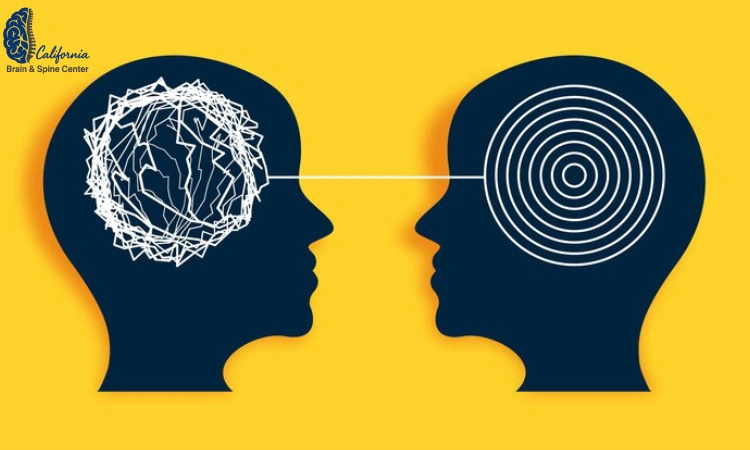
If your thoughts feel slow, your patience runs thin, and you’re not quite “tracking” conversations the way you used to, take a breath you’re not broken. Your brain is signaling that it needs steadier routines, calmer inputs, and a clear plan. In this guide, I’ll unpack Confusion, Irritability, and Brain Fog: How They Connect, show you what’s normal versus concerning, and give you practical steps you can start today. You’ll find that small, consistent changes can restore clarity and calm faster than you might think.
What do these terms really mean?
Confusion: trouble following a thread losing track mid-task, mixing up steps, or feeling mentally “dizzy” in busy places.
Irritability: a shorter fuse; sounds, lights, or small frustrations feel bigger than they should.
Brain fog: slower processing, word-finding slips, and the need to reread.
These often travel together. Understanding Confusion, Irritability, and Brain Fog: How They Connect begins with one idea: when attention and energy are low, the brain prioritizes survival signals over focus and memory. That shift explains why you may feel foggy and snappy at the same time.
Brain Fog Treatment — When mood swings and fog travel together, the fix is rarely one lever. We align sleep, nutrition, light timing, and workload pacing, then add targeted cognitive work so you regain mental stamina without boom-and-bust cycles. You’ll leave with a simple 14-day plan and realistic checkpoints.
The physiology in plain language: why the trio clusters
Think of four dials that drift after illness, concussion, high stress, or sleep loss:
Sleep architecture – less deep/REM sleep = weaker memory consolidation and emotional regulation.
Autonomic balance – the “always-on” state (fight/flight) narrows attention and shortens patience.
Sensory load – visual/vestibular mismatch (bright stores, scrolling, motion) steals attention from thinking.
Metabolic rhythm – hydration, meals, and caffeine timing influence brain energy.
Turn those dials in the wrong direction and you’ll see Confusion, Irritability, and Brain Fog: How They Connect in daily life: more mistakes, more reactivity, and less bandwidth.
Everyday patterns: how the trio shows up at work and home
You open an email, start replying, then realize you’ve forgotten the question classic fog + confusion.
Grocery stores or big-box aisles feel overwhelming; you become curt sensory overload → irritability.
Evenings are worst: fatigue lowers attention, and little things spark a bigger reaction.
After illness or a mild head injury, the “visual world” seems too fast; devices exhaust you quickly.
Naming these patterns is powerful. It helps you track Confusion, Irritability, and Brain Fog: How They Connect and target the right fix instead of trying random tactics.
First things first: red flags that need same-week care
Sudden confusion or a new, severe headache
Weakness, numbness, speech, or vision changes
Getting lost, unsafe driving, or repeated falls
New cognitive changes after a head injury even if “mild”
Red flags don’t mean panic; they mean “get evaluated promptly so we can map the cause and intervene.”
Root causes that masquerade as “just stress”

Before assuming the worst, screen the likely culprits:
Sleep disruption (including unrefreshed sleep, snoring, or frequent awakenings)
Medication effects (sedating or anticholinergic drugs can blur attention)
Deconditioning after illness/injury heart rate spikes with light activity
Vestibular/visual overload busy visuals or motion drain your focus
Nutrition/hydration timing long gaps or late, heavy meals cloud thinking
Mood and anxiety they reduce “cognitive bandwidth” and shorten your fuse
Thyroid or B-vitamin issues common, treatable contributors to fog
Fixing these drivers is often enough to quiet Confusion, Irritability, and Brain Fog: How They Connect without complicated interventions.
Best Treatments for Brain Fog After Illness or Injury — This companion article turns big ideas into specific daily actions, with guidance for plateaus and how to adjust without losing momentum.
A 14-day stabilization plan (simple, realistic, effective)
You don’t need a perfect month just two consistent weeks.
Days 1–3: set the rails
One wake time daily (even weekends).
Morning light + 10-minute walk within two hours of waking.
Breathing drill, 5 minutes, twice daily: inhale 4s, exhale 6s quiet, nasal, slow.
Screen hygiene: bigger fonts, higher contrast, 20-20-20 rule (every 20 minutes, look 20 feet away for 20 seconds).
Why it helps: steady sleep and calmer autonomics give your brain the margin it needs; this is the base for easing Confusion, Irritability, and Brain Fog: How They Connect.
Days 4–7: gently add capacity
Graded cardio, most days: 8–12 minutes easy pace; add 1–2 minutes if you stay stable.
Dual-task walking (3–5 minutes): stroll while naming items in a category (fruits, cities).
Single capture system: one calendar and one to-do list no app hopping.
Why it helps: divided-attention practice improves resilience without overwhelm.
Days 8–14: calibrate sensory load
If aisles/screens trigger symptoms, add basic vestibular/visual drills (as tolerated):
Gaze stabilization: focus on a letter on the wall; gently turn your head side to side for 15–30 seconds.
Visual spacing: declutter screens; avoid fast-scroll sessions.
Nutrition rhythm: regular meals with protein and color; caffeine earlier in the day; hydrate before noon more than evening.
Why it helps: when you quiet sensory “noise,” you free attention core to resolving Confusion, Irritability, and Brain Fog: How They Connect.
Track three numbers each evening: clarity (0–10), total activity minutes, and sleep quality. Look for trends, not perfection.
Cognitive skills that actually translate to real life

Spaced recall: review new info after 10 minutes, later the same day, then tomorrow.
Name–face pairing: say the name aloud, link it to a vivid feature, test later.
Chunking: group tasks by context (computer tasks together; errands by location).
Context reinstatement: to retrieve a detail, briefly imagine where you learned it the room, sounds, or smells.
These drills are small but targeted; they speed recovery from Confusion, Irritability, and Brain Fog: How They Connect by training the circuits you need at work and home.
When mood rides shotgun: the irritability link
Irritability isn’t a character flaw; it’s a brain state. Low sleep + high sensory load + poor fueling = lower thresholds for noise, light, and interruptions. Two daily 5-minute breathing sets, plus a non-negotiable wind-down routine, reduce baseline arousal. As arousal drops, confusion and fog often ease, too another example of Confusion, Irritability, and Brain Fog: How They Connect in both directions.
What a neurology-led evaluation includes (no guesswork, no overwhelm)
History & context: sleep, mood, stressors, timeline, medications.
Focused neuro exam: rule out red flags and map affected networks.
Cognitive screening: attention, processing speed, learning/recall.
Sensory load review: hearing/vision, vestibular triggers, screen tolerance.
If appropriate, targeted labs (e.g., B-vitamins, thyroid).
Action plan: sleep repair, autonomic reset, vestibular/visual work if indicated, cognitive drills, pacing, and medication review.
You leave with a clear map what’s driving your symptoms and what to do this week.
Realistic expectations: how fast will I feel better?
Many people feel a lift within days of sleep repair and breathing work; more durable gains build over 2–6 weeks as you layer graded activity and sensory calibration. If you stall or worsen despite steady routines, it’s time for tailored adjustments the fastest path through Confusion, Irritability, and Brain Fog: How They Connect is individualized.
A gentle next step
You don’t need to navigate this alone. Our neurology-led team will identify your dominant drivers sleep, autonomic tone, sensory load, cognition and build a step-by-step program that fits your life. Start here: California Brain & Spine Center.
If bright stores, scrolling, or motion trigger symptoms, read Vestibular Rehab Therapies; stabilizing the balance system often frees the attention you need. Our experts will solve your problem with a focused, results-driven plan.
Summary
You’ve seen Confusion, Irritability, and Brain Fog: How They Connect across sleep, autonomic balance, sensory load, and daily habits. Red flags deserve prompt care; common causes are fixable with steady routines. The 14-day plan sleep repair, breathing, graded cardio, single capture system, and gentle vestibular/visual work creates momentum. Track a few simple metrics, expect progress in weeks, and seek specialized help if patterns persist. With consistency and compassion, clarity and patience return.
Frequently Asked Questions
- Is this a memory problem or an attention problem?
Often attention. If you’re tired, overloaded, or anxious, you won’t encode information well later it feels like memory loss. Improve sleep, calm the system, and recall usually follows. - Why am I so irritable when my brain is foggy?
Low sleep + high arousal reduces your tolerance for noise, light, and interruptions. Lowering baseline arousal with breathwork, pacing, and steadier routines eases both irritability and fog. - Do screens really make brain fog worse?
Fast visual flow taxes attention and the vestibular system. Use bigger fonts, higher contrast, and frequent gaze breaks; limit fast scrolling. Many people notice immediate relief. - How long until I feel like “myself” again?
Some improvement appears within days; deeper stability takes weeks. The key is consistency and gradual progression, not heroic efforts. - Could this be from a recent illness or mild head injury?
Yes. After illness or concussion, the nervous system over-protects; as you recalibrate sleep, autonomics, and sensory load, clarity returns. - When should I seek a specialist?
If symptoms last beyond 6–8 weeks despite steady routines, if others notice concerning patterns, or if safety/work is affected, schedule an evaluation. - Are there specific exercises I should prioritize?
Start with breathing (4-in/6-out), short graded cardio, dual-task walking, and spaced recall. If busy visuals trigger symptoms, add basic gaze-stabilization.
👨⚕️ Alireza Chizari, MSc, DC, DACNB
🧠 Clinical Focus
🔬 Assessment & Treatment Approach
Objective testing may include:
Treatment programs may involve:
📍 Clinic Information
✅ Medical Review
⚠️ Disclaimer