Natural Remedies for Post-Concussion Syndrome: A Neurologist’s Gentle, Practical Guide
If you’re living with lingering symptoms after a concussion headaches that ebb and flow, foggy thinking, dizziness, sleep that never quite restores you are not “broken.” Your brain is healing. As a neurology specialist, I’ve walked beside many patients through this season, and I want to assure you: with the right plan, progress is not only possible, it’s common. This guide gathers the most useful, evidence-informed natural remedies for post-concussion syndrome and organizes them into a clear, encouraging roadmap you can start using today.
Kind note: This article is educational and supportive. It isn’t a substitute for an in-person medical evaluation. Seek urgent care for red-flag symptoms listed below.
What Exactly Is Post-Concussion Syndrome (PCS)?
PCS describes symptoms that persist beyond the typical concussion recovery window (usually a few weeks). Common issues include:
-
Headache or pressure in the head
-
Dizziness or balance problems
-
Visual strain, light/noise sensitivity
-
Brain fog, slower processing, memory hiccups
-
Sleep disruption and fatigue
-
Mood changes (irritability, anxiety, low mood)
-
Neck pain or stiffness
These symptoms reflect a temporary mismatch between the brain’s energy supply and the demands we place on it. The most effective natural remedies for post-concussion syndrome focus on gently restoring that balance: lowering demand, improving energy delivery, and steadily re-introducing normal activity.
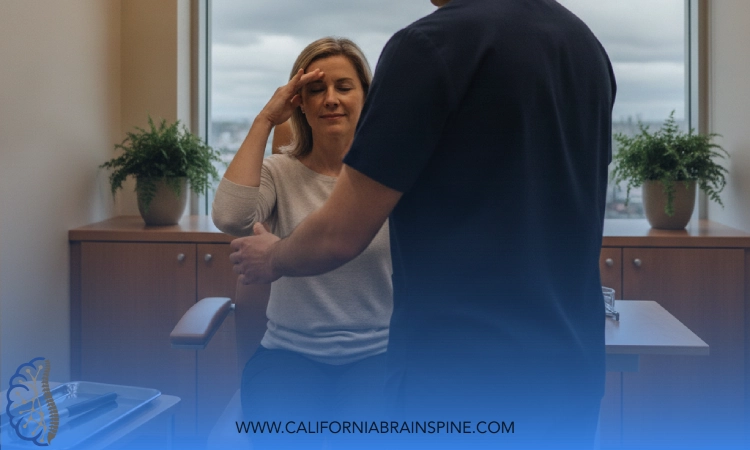
Post-Concussion Syndrome (Mild Traumatic Brain Injuries) — “Natural” works better with structure. We help you stack sleep anchors, hydration, light exposure, and paced exertion with supplements that fit your history. You’ll leave with a two-week schedule and a simple symptom log, so you can see what’s moving the needle and avoid over-experimenting.
The First Principles: How Brains Heal

Before the strategies, a simple framework:
-
Pace – Do less than you think you can for a short while, then increase gradually.
-
Predict – Build a calm, repeatable rhythm for sleep, meals, hydration, and activity.
-
Progress – Return to movement and thinking tasks in small, tolerable steps.
-
Personalize – Your pattern of symptoms is unique. Let your plan match you.
When we pair these principles with natural remedies for post-concussion syndrome, recovery becomes more predictable and far less frustrating.
Twelve Evidence-Informed, Drug-Free Strategies That Actually Help
1) Symptom-Limited Activity & Cognitive Pacing
Total rest beyond a couple of days can backfire. Instead, use brief, frequent work/learn intervals (e.g., 25–40 minutes) followed by short breaks (5–10 minutes). Track your “overload” signs (tight scalp, rising pressure, eye strain, mental fatigue) and stop before they crest. Pacing is one of the most effective natural remedies for post-concussion syndrome because it protects your brain’s energy while keeping it engaged.
How to start: Choose 3–5 daily “anchors” (wake time, meals, light walk, wind-down) and hold them steady. Increase only one variable at a time (duration, complexity, or intensity).
2) Sub-Symptom Aerobic Exercise (The Gentle Engine Starter)
Light cardiovascular activity under your symptom threshold can improve blood flow regulation and speed recovery. Think brisk walking or easy stationary cycling enough to warm you up, not enough to spike symptoms. If symptoms rise more than a point or two (on a 0–10 scale), ease back.
Practical tip: Start with 10–15 minutes daily and add 1–2 minutes every few days as tolerated. This is a cornerstone among natural remedies for post-concussion syndrome simple, safe, and powerful when done consistently.
Post-Concussion Red Flags — DIY has limits. If any warning signs appear—worsening headache, repeated vomiting, new weakness—this guide explains when to stop home remedies and get assessed promptly. Keep it bookmarked as your safety net.
3) Sleep Repair: Make Night Your Superpower

Sleep is when the brain clears metabolic by-products and consolidates learning. Protect it like medicine.
-
Fixed wake time (even on weekends)
-
Wind-down routine (60–90 minutes): low light, no intense screens, quiet reading or breathing practice
-
Cool, dark room; consider blackout shades or a simple sleep mask
-
If needed, discuss short-term supports like light therapy in the morning or gentle supplements (only with your clinician)
Restorative sleep amplifies every other natural remedy for post-concussion syndrome, so prioritize this first.
4) Vision & Oculomotor Care (Guided, Not DIY)
After concussion, the visual system works harder. Signs include headaches with reading, losing your place, or “shimmering” focus.
-
Short sessions of near work (10–20 minutes), then breaks
-
Temporary screen filters (reduced brightness, larger font)
-
Blink and breathe: slow your rate to relax eye muscles
-
Ask your clinician about targeted oculomotor or convergence exercises and whether referral to a neuro-optometrist is appropriate
Calming visual demand is one of the most underrated natural remedies for post-concussion syndrome it often reduces headaches and mental fatigue quickly.
5) Vestibular & Balance Retraining
If you feel “boat-like,” with motion sensitivity or dizziness, structured vestibular exercises can help your brain recalibrate. These are best prescribed by a clinician trained in vestibular rehab, but you can begin with:
-
Gentle head turns while focusing on a fixed object
-
Slow, controlled changes in position (sit to stand, head up/down)
-
Short exposures to triggers (e.g., grocery aisles) followed by recovery breaks
The key is graded exposure small doses that your brain can master, then expand.
6) Cervical Spine (Neck) Care

Neck strain often amplifies headaches and dizziness. Keep posture neutral, avoid long periods of looking down at a phone, and consider a few sessions with a physical therapist for gentle range-of-motion and deep neck flexor strengthening. A calmer neck frequently means a calmer head.
7) Headache Hygiene Without Reaching for Medication First
-
Hydration first thing in the morning and regularly through the day
-
Steady caffeine (or gently taper if over-used); big swings can provoke headaches
-
Micro-breaks from screens (20-20-20 rule: every 20 minutes, look 20 feet away for 20 seconds)
-
Cool compress for tension headaches or a warm shower to loosen neck muscles
-
Light management: a hat outdoors or brief use of tinted lenses if light sensitivity is intense but avoid wearing dark glasses indoors long term (they can increase sensitivity)
These simple habits rank high among natural remedies for post-concussion syndrome because they reduce triggers without side effects.
8) Nutrition for Steady Brain Energy
Your brain loves predictable fuel. Emphasize:
-
Colorful vegetables and fruits (phytonutrients)
-
Lean proteins (support repair)
-
Healthy fats (olive oil, nuts, seeds, fatty fish)
-
Complex carbs with fiber (steady glucose)
-
Regular mealtimes and a protein-rich breakfast
Some people discuss omega-3s, magnesium-rich foods (pumpkin seeds, legumes), and riboflavin-rich options (eggs, dairy, almonds) with their clinicians. Diet isn’t a cure, but it boosts all other natural remedies for post-concussion syndrome.
9) Stress Regulation: Teach the Nervous System “Calm”
Your brain heals faster in a steady, safe internal environment. Try:
-
Box breathing (4-4-4-4): inhale 4, hold 4, exhale 4, hold 4—2–5 minutes
-
Mindfulness in motion: a 10-minute walk without podcasts or notifications
-
Journaling one page each evening: What helped today? What will I repeat tomorrow?
These practices lower baseline arousal and reduce symptom “spikes,” making other natural remedies for post-concussion syndrome more effective.
10) Thoughtful Return to Work, School, and Screens
Negotiate temporary adjustments: shorter days, reduced meetings, written summaries, extra time, or quiet seating. For screens, use time blocks (e.g., 30 minutes on, 10 off) and schedule your most demanding cognitive work when you feel mentally “brightest.” Put your brain’s hardest task in your day’s “prime time.”
11) The Light-to-Noise Ladder
Create a ladder of environments from quiet/dim to busy/bright and climb it slowly. Ten minutes in a slightly brighter room, a short stop at a calm grocery at off-hours, a few minutes on a quiet side street micro-exposures teach your system to tolerate more without backlash. This ladder is a practical, real-world application of natural remedies for post-concussion syndrome.
12) Community, Encouragement, and Routine
Consistency and support heal. Set a daily template: wake, hydrate, move, focus block, rest, lunch, light exercise, screen-light work, relax, sleep routine. Enlist a friend or family member to celebrate small wins. Healing brains love rhythm.
Supplements: Cautious Notes
People often ask about magnesium, melatonin, omega-3s, riboflavin, or CoQ10. Some find them helpful, but responses vary and interactions exist. Always discuss supplements with your clinician especially if you’re pregnant, nursing, or have medical conditions. Supplements can support other natural remedies for post-concussion syndrome, but they don’t replace pacing, sleep, movement, and vision/vestibular care.
A 7-Day “Reset” You Can Start This Week

Day 1–2:
-
Fix wake time, set wind-down routine
-
10–15 minutes gentle walk or cycle
-
3 focus blocks (25–30 minutes) with 5–10 minute breaks
-
Hydration goal: begin and end day with water
Day 3–4:
-
Add 2–3 minutes to exercise if tolerated
-
One short ladder exposure (slightly brighter/noisier space)
-
Optimize workstation: screen at eye level, larger fonts
Day 5–6:
-
Add one extra focus block
-
Introduce one light vestibular or oculomotor exercise (if recommended)
-
Journal wins and triggers
Day 7:
-
Restock groceries for steady meals
-
Review your tracker: What helped? What needs adjusting?
-
Plan next week’s single variable to increase
This is not a race. It’s a ritual and rituals rebuild capacity.
Red-Flag Symptoms: Seek Urgent Care
-
Worsening severe headache, repeated vomiting
-
New weakness, numbness, slurred speech, seizure
-
Confusion that intensifies, fainting or difficulty waking
-
Neck pain with fever or severe stiffness
-
Any symptom that suddenly changes in character or intensity
Why “Natural” Works Best When Personalized
The best natural remedies for post-concussion syndrome aren’t exotic. They’re simple behaviors performed consistently, tailored to your symptom profile, and increased gradually. When your plan matches your physiology, your brain rewards you with momentum.
How Our Team Can Help
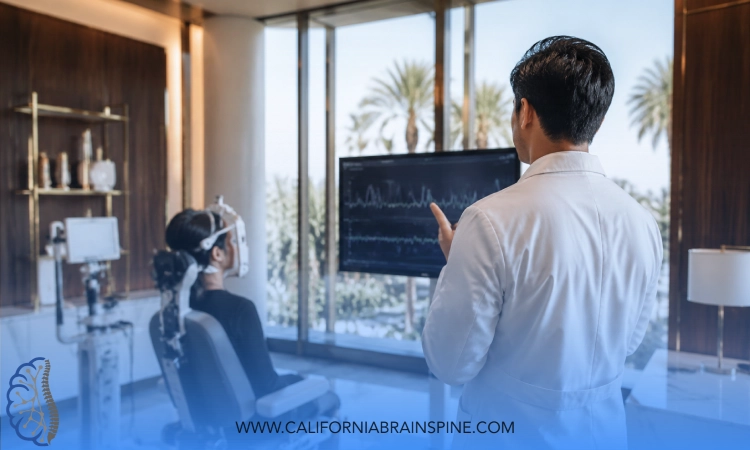
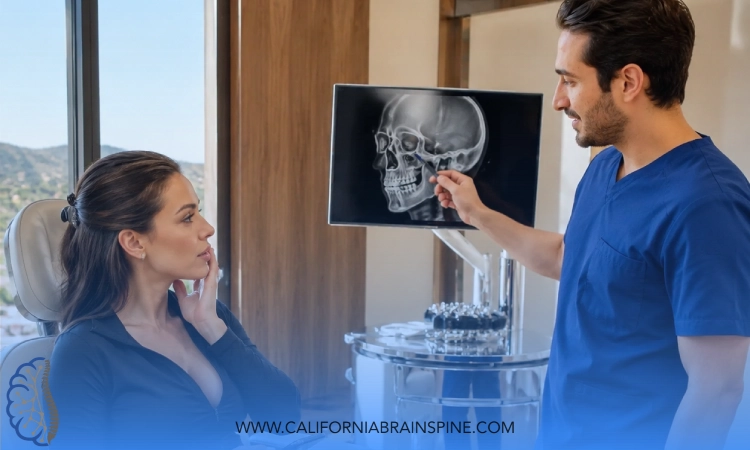
If you want an expert-guided plan vision and vestibular screening, individualized pacing, and a stepwise return to work, school, exercise, or sport our clinicians can build it with you. At the California Brain & Spine Center, our specialists focus on practical, non-drug strategies first. We listen, measure, and then design a plan that fits your life. Our experts are dedicated to helping solve your post-concussion challenges step by step so you can reclaim your days with confidence.
Summary
Post-concussion symptoms improve when we lower spikes, restore rhythm, and progress deliberately. The most dependable natural remedies for post-concussion syndrome include symptom-limited aerobic exercise, structured sleep, vision/vestibular and neck care, hydration and steady nutrition, stress regulation, and thoughtful pacing of cognitive and sensory loads. Start small, stay consistent, and let data from your own body guide the next step. You’re not alone and your brain is built to recover.
Frequently Asked Questions
1) How long does PCS last?
Most people improve substantially within weeks to a few months. A smaller group needs longer, especially when vision/vestibular or neck components are prominent. Consistent use of natural remedies for post-concussion syndrome typically shortens the course.
2) Are natural approaches enough, or do I need medication?
Many patients recover using non-pharmacologic strategies alone. Some benefit from targeted medications for specific symptoms. Start with the natural remedies for post-concussion syndrome outlined here, and partner with a clinician to personalize the plan.
3) Can I exercise safely?
Yes sub-symptom aerobic exercise is a core strategy. Choose gentle activities, monitor for a mild symptom rise, and progress slowly. If you have significant dizziness, seek vestibular guidance first.
4) What about screens and work?
Use time blocks, larger fonts, and frequent breaks. Request short-term accommodations (reduced hours, quieter space, written notes). Combine these with other natural remedies for post-concussion syndrome like hydration, posture resets, and light-to-noise laddering.
5) Are naps okay?
Short, early-day naps (20–30 minutes) can help, but protect your night sleep rhythm. If naps delay bedtime or worsen insomnia, trim them back.
6) Which supplements help most?
Responses vary. Discuss options like magnesium-rich foods, omega-3s, or melatonin with your clinician. Supplements should support not replace your core natural remedies for post-concussion syndrome.
7) Is it normal for symptoms to “flare” after a good day?
Yes. Healing isn’t linear. Use flares as data: they show where to dial back and build more gradually. Return to your baseline plan and progress again in smaller steps.
8) When should I see a specialist?
If symptoms persist beyond a few weeks, interfere with school/work, or include significant dizziness, visual strain, or mood changes, a specialist can help identify the bottlenecks and tailor your recovery.
👨⚕️ Alireza Chizari, MSc, DC, DACNB
🧠 Clinical Focus
🔬 Assessment & Treatment Approach
Objective testing may include:
Treatment programs may involve:
📍 Clinic Information
✅ Medical Review
⚠️ Disclaimer