Drive After Concussion in Calabasas
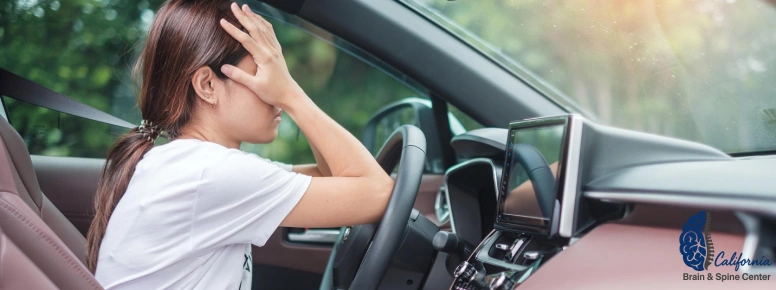
You treasure the freedom of the open road winding through the hills of Calabasas, the sun flickering through oak branches, the Pacific only a short drive away. But after a head injury, one question instantly overshadows that picturesque scene: Can you Drive After Concussion safely? As a board-certified neurologist who has helped hundreds of Angelenos regain confidence behind the wheel, I want to guide you compassionately through facts, science, and practical steps. Together, we’ll make sure your journey back to independence is both swift and safe.
Concussion 101—Why the Brain Needs Time
A concussion is more than “just a bump.” It’s a sudden metabolic storm inside delicate neural tissue. Even a mild concussion temporarily disrupts attention, reaction time, and visual processing all critical for driving. Symptoms such as blurred vision, dizziness, light sensitivity, or slowed thinking can appear hours or days later. Trying to Drive After Concussion before those cascades settle is like texting while steering a race car: the odds are stacked against you, and every other driver on the 101 is an unwilling participant.
Calabasas-Specific Considerations
Our beautiful city presents unique driving challenges: canyon curves with limited sight lines, fast-merging freeway ramps, and frequent wildlife crossings at dawn and dusk. These variables demand split-second decisions. If you attempt to Drive After Concussion while still nursing slowed reaction times, that split second can vanish.
The “Not Yet” Indicators
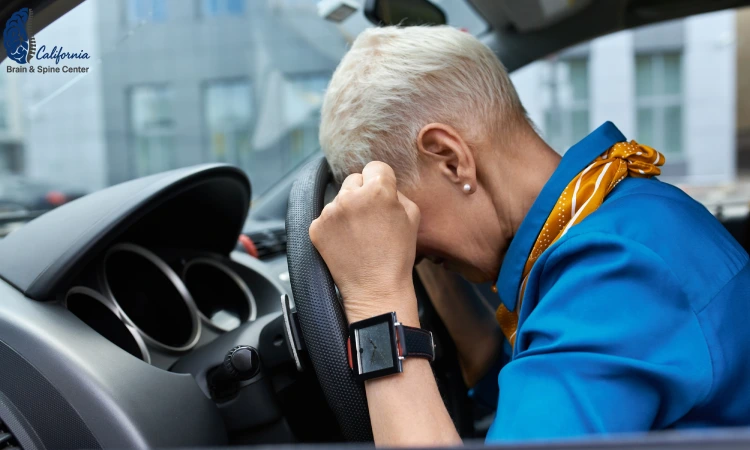
Before you even think about the ignition, perform this simple self-check:
-
Headache scale – Any headache above 2/10? Not yet.
-
Vision clarity – Do road signs stay crisp when you move your head side-to-side? If letters smear, not yet.
-
Balance test – Stand on one foot for 20 seconds with eyes open; if you sway, not yet.
-
Cognitive snap – Recite the alphabet backward in a calm room. If you stumble, not yet.
If one item fails, hitting the brake on your plan to Drive After Concussion is wiser than stomping the gas. Your brain is signaling it still needs the neurological equivalent of a pit stop.
Concussion Treatment Calabasas — We verify light tolerance, reaction time, and multitask focus in a short screen, then build a staged return to the road with simple do/don’ts. You’ll know when to practice, when to pause, and how to manage a sudden symptom spike safely.
A Step-by-Step Return-to-Roadmap
| Phase | Goal | Typical Duration* | Key Milestone |
|---|---|---|---|
| Rest & Recovery | Zero driving, complete symptom resolution at rest | 1–7 days | 24 symptom-free hours |
| Light Cognitive Load | Short passenger rides to gauge motion tolerance | 1–3 days | No dizziness as a passenger |
| Controlled Practice | Empty parking-lot driving with a companion | 1–2 days | Flawless figure-eights × 10 |
| Low-Traffic Roads | Local streets under 35 mph | 2–4 days | Zero symptom flare for 30 min |
| Full Return | Normal routes including freeway | Variable | Neurologist clearance |
*Individual timelines vary. Listening to your own body remains paramount. Notice how late in the roadmap the word “freeway” appears. Jumping to the 101 on day two, eager to Drive After Concussion, may undo all the healing that came before it.
Legal and Ethical Angles
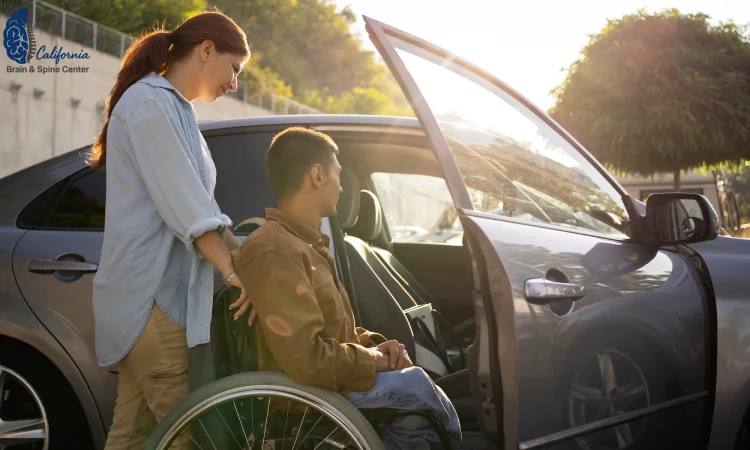
California Vehicle Code §12806 empowers the DMV to re-examine drivers with conditions affecting consciousness or vision. While no statute forbids you from attempting to Drive After Concussion, if an accident occurs and post-crash evaluation reveals recent head injury, liability can shift swiftly. Ethically, you share the road with teenagers, cyclists, and families. Choosing patience safeguards them as much as you.
Rebuilding Brain-Body Confidence
Healing is not only biological; it’s psychological.
-
Mindful breathing resets the autonomic nervous system, reducing post-concussive anxiety.
-
Graduated multitasking drills such as calling out colors while dribbling a ball restore divided attention crucial when you Drive After Concussion.
-
Sleep hygiene fortifies neural repair so reaction times sharpen naturally.
Remember: progress is a spiral, not a straight line. Celebrate each safe trip around the block like it’s your first solo drive at sixteen.
Lifestyle Tweaks That Make a Real Difference
-
Blue-light curfew – Screens off one hour before bed; photostress slows reflexes.
-
Hydration discipline – Dehydrated neurons fire slower; aim for 2.5 L water daily.
-
Omega-3 nutrition – Wild-caught salmon or chia seeds nurture cell membranes damaged by concussion.
-
Community support – Calabasas hiking groups offer gentle vestibular stimulation that accelerates recovery another stepping-stone before you Drive After Concussion.
When to Seek Professional Attention
If symptoms linger beyond ten days or suddenly worsen after initial improvement, consult a specialist immediately. The knowledgeable doctors and therapists at California Brain & Spine Institute understand every nuance of returning to the driver’s seat. We employ cutting-edge vestibular, visual, and cognitive therapies tailored to your unique neural circuitry so when you finally Drive After Concussion, you do so with certainty, not crossed fingers.
Let’s Get You Back on the Road
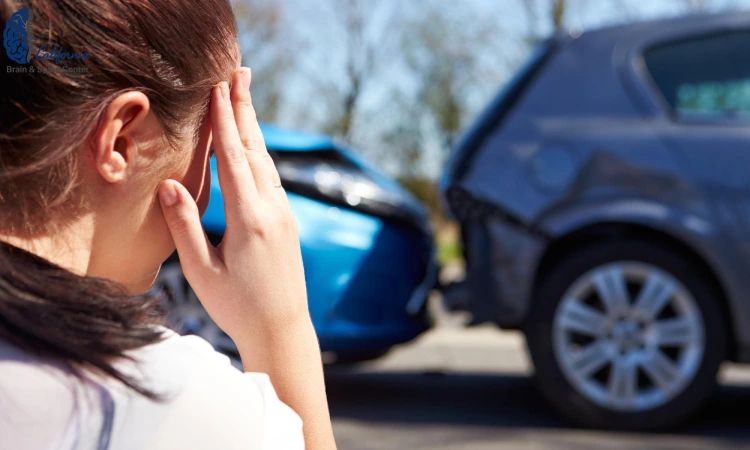
Your independence matters. Don’t let lingering doubt keep you parked. Reach out to the expert team at California Brain & Spine Institute today. Our Calabasas-based professionals will evaluate your recovery, design a personalized action plan, and guide you step-by-step until the keys rest confidently in your hand again. Together, we solve the problem so you can embrace every mile ahead.
How Long After Concussion Can You Drive — For the timeline details—first short drives, timing at night, and when to add traffic—this article gives step-by-step guidance that pairs perfectly with your clearance plan.
Concise Takeaway
A concussion does not end your driving story; it merely inserts a thoughtful intermission. Respecting brain-recovery timelines, practicing gradual exposure, and relying on compassionate neurological guidance are the safest lanes back to mobility. Ask yourself daily: Am I truly ready to Drive After Concussion today? If the answer is honest and informed, the road will welcome you when the time is right.
Frequently Asked Questions
1. How soon can I Drive After Concussion if I feel “fine” the next day?
Feeling fine is encouraging, but microscopic brain changes still evolve for days. Wait at least 24 symptom-free hours, then follow the phased roadmap above.
2. Do I need medical clearance to Drive After Concussion in California?
Legally, it’s not mandatory, but professional clearance protects you from hidden deficits and potential liability.
3. Can I rely on caffeine to sharpen my focus and Drive After Concussion sooner?
Caffeine may mask fatigue, but it doesn’t restore slowed neural pathways. Healing, not stimulants, is your best ally.
4. What if I experience nausea only after turning my head quickly while driving?
That’s a red flag. Stop driving, rest, and seek vestibular evaluation before returning to the wheel.
5. Is public transportation a good substitute while recovering?
Absolutely. Riding the Metro or car-pooling lets your brain adjust to motion without the cognitive load of steering.
👨⚕️ Alireza Chizari, MSc, DC, DACNB
🧠 Clinical Focus
🔬 Assessment & Treatment Approach
Objective testing may include:
Treatment programs may involve:
📍 Clinic Information
✅ Medical Review
⚠️ Disclaimer